Free Auto Body Estimates in Los Angeles, CA — Clear, No‑Obligation Collision Repair Quotes
If your vehicle was recently damaged in a collision or you’ve spotted unexpected dents or scrapes, the quickest safe step is a reliable, no‑obligation estimate. This guide walks you through how free auto body estimates work in Los Angeles, what line items to expect on an itemized collision repair quote, and how to read labor, parts, paint and diagnostics so you can choose the right repair path. Prime Time Collision Center is a Glendale‑based shop offering free estimates, I‑CAR Platinum technicians, OEM‑quality repairs, and hands‑on help with insurance claims across the Los Angeles area. Keep reading to learn how online and in‑person estimates differ, which damages can be scoped from photos, how shops and insurers coordinate, and why OEM parts and ADAS calibrations matter for safety and resale value.
This article breaks the estimate process down step‑by‑step, explains the components of a repair quote, shows how shops and insurers work together, and lists the types of damage typically eligible for a free estimate. You’ll also find practical checklists, example line‑item breakdowns, and a short FAQ to help you prepare photos and documents and to understand common estimate entries. Relevant search terms like auto body estimates Los Angeles, collision repair estimate LA, and online auto body estimate Los Angeles are woven in naturally to help customers find this guidance.
How the Free Auto Body Estimate Process Works at Prime Time Collision Center
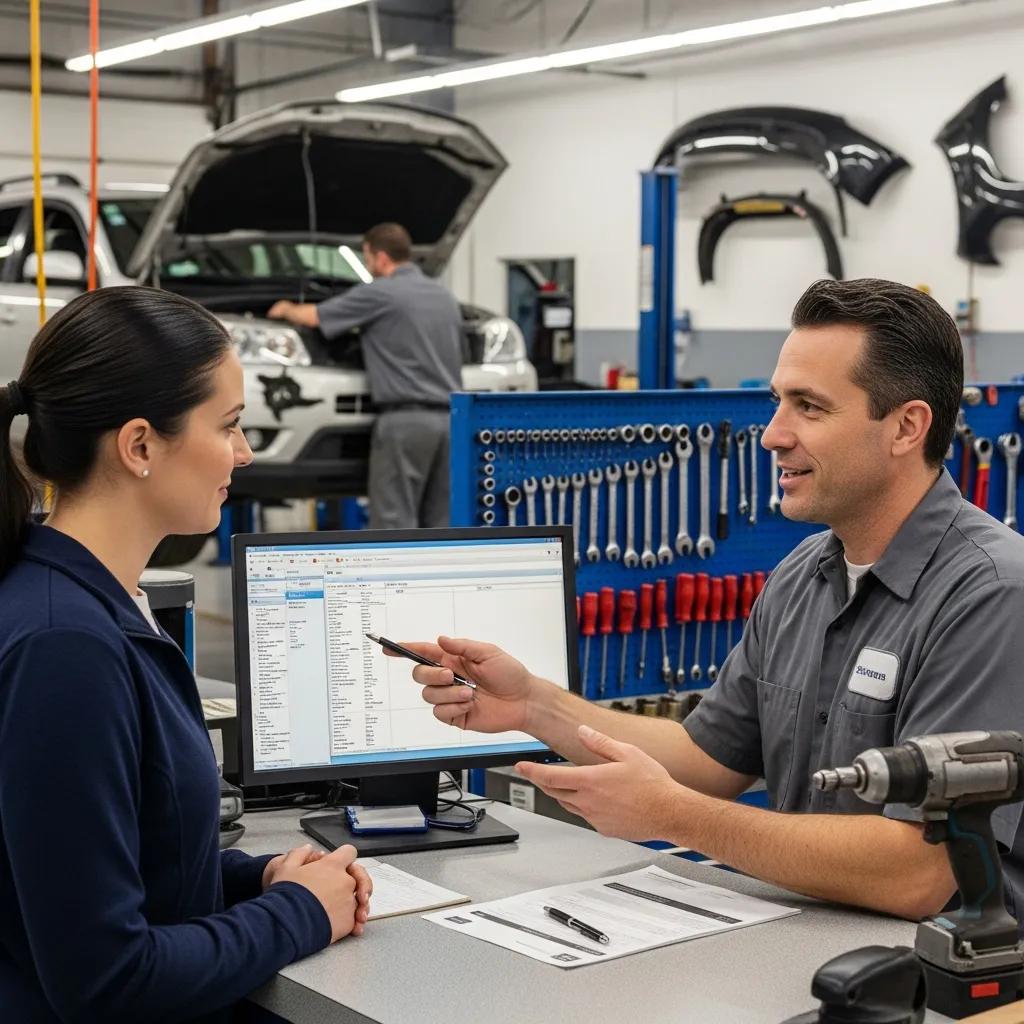
A free estimate starts with a careful damage assessment that notes visible damage, flags possible hidden issues, and identifies any required safety calibrations. We offer estimate requests by online form, photo upload, phone call, or in‑person inspection, and we keep you informed about next steps and realistic turnaround times. The typical workflow includes an initial review (from photos or a form), a preliminary, itemized scope, and—when needed—an in‑shop follow‑up after partial disassembly to confirm hidden damage. This staged process separates labor, parts, paint and diagnostics so insurer conversations and repair timelines are straightforward.
To speed things up, have your vehicle identification, insurance claim number (if you have one), and clear photos of all damaged areas plus the VIN plate ready—this helps us provide an accurate preliminary review with fewer follow‑ups. If you need towing or insurance guidance, Prime Time Collision Center offers support services including 24/7 emergency towing and help with claim paperwork. Below is a quick rundown of our estimate channels and what to expect from each.
- Online form/photo upload: Send vehicle details and images for a preliminary scope and response.
- Phone inquiry: Describe the damage, get a triage estimate, and arrange a photo upload or in‑shop inspection.
- In‑person inspection: A technician performs a full assessment, documents labor hours, and confirms ADAS or calibration needs.
- Follow‑up and approval: We submit the estimate to your insurer and keep you updated on approvals or supplements.
These options let you choose convenience or thoroughness depending on the damage. The next section outlines the step‑by‑step workflows for online and in‑person estimates.
Steps to Get an Online or In‑Person Estimate
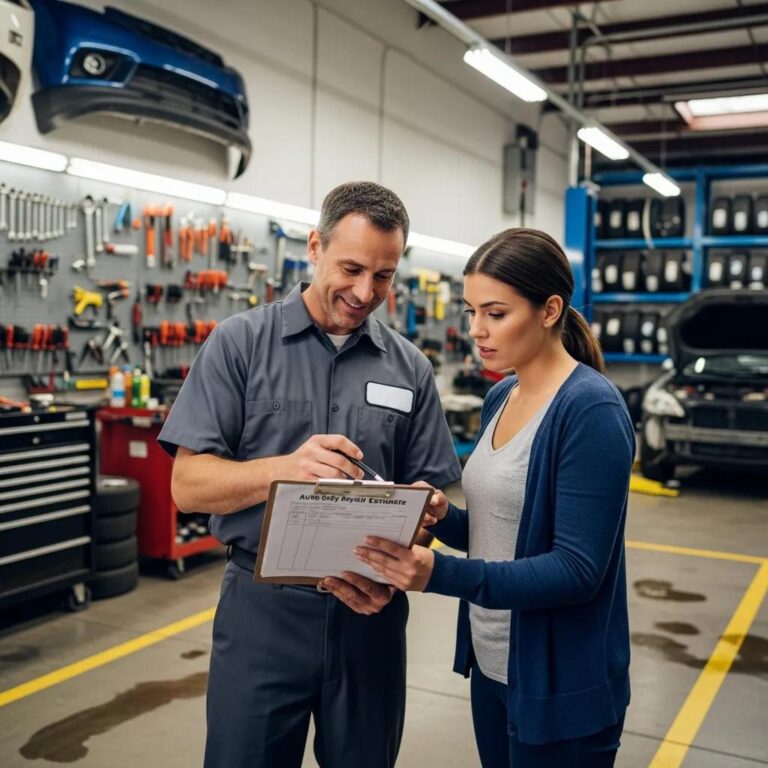
Both online and in‑person estimates follow a clear sequence: gather information, evaluate damage, produce an itemized quote, and recommend the next steps. For an online estimate, provide vehicle year/make/model, current mileage, and photos of every damaged panel plus the VIN plate—this helps estimators identify parts and possible sublet work. For an in‑person estimate, bring registration and insurance details, allow time for a multi‑point inspection (which may include alignment checks or frame measurements), and expect a written, itemized estimate that lists labor hours, parts, paint and calibration needs. Typical response times range from same‑business‑day for preliminary photo reviews to 24–72 hours for a complete in‑shop estimate, depending on workload.
Bring documents that speed the process: registration, proof of ownership, insurance claim number, and any prior repair records. Estimators will often create an initial scope and note potential “hidden damage” that requires disassembly to confirm—this is common and explains why supplements sometimes appear later. Clear photos and prepared paperwork reduce delays and help the shop submit accurate estimates to your insurer on your behalf.
How Photo Uploads Make the Estimate Faster
Uploading photos lets estimators quickly assess visible damage, list likely parts, and decide whether an in‑person inspection is needed for hidden or structural issues. A good photo set includes wide shots of the whole vehicle side or rear, close‑ups of each damaged area, shots of wheel wells and undercarriage if visible, and a photo of the VIN plate and license plate—these help match parts and confirm trim levels. Photo‑based estimates work well for surface damage, hail, and scratches but can’t fully capture frame damage, internal structural problems, or certain ADAS calibration needs that require hands‑on checks.
For best results, send high‑resolution images taken in daylight with minimal glare and include context shots that show how damaged panels relate to each other. If our estimator flags items needing disassembly or diagnostic scans, we’ll recommend an in‑shop inspection—this protects safety and prevents underestimating the repair scope. Clear photos shorten turnaround times, improve insurer communication, and set realistic expectations for repair sequencing.
What’s Included in an Auto Body Repair Estimate?
An auto body estimate breaks costs into the components that affect price and timeline: labor, parts, paint & materials, diagnostics/calibration, and any sublet or specialty services. Labor entries show estimated hours and the shop rate, parts indicate OEM or aftermarket recommendations, paint covers color‑matching and blending, and diagnostics lists ADAS calibration and electronic scans; taxes and environmental fees may be separate. Knowing these components helps you read an estimate and spot where supplements could appear if hidden damage shows up during disassembly.
Below is a sample itemized estimate that shows typical entries and what each attribute means.
| Line Item | Attribute | Typical Entry |
|---|---|---|
| Labor | Hours & rate | 8.0 hrs @ labor rate (hours estimate) |
| Parts | Type & description | OEM front bumper assembly (part number) |
| Paint & Materials | Content | Basecoat/clearcoat, blending, solvents, masking supplies |
| Diagnostics/Calibration | Service | ADAS calibration, computer scans |
| Sublet | External services | Frame straightening, wheel alignment (if required) |
This sample shows how each section maps to repair tasks and why transparent documentation matters when an insurer reviews scope. The next section explains how to read these line items in detail.
How Labor, Parts, Paint, and Diagnostics Are Itemized
Itemization turns repair tasks into clear entries so customers and insurers can see where costs come from. Each line usually includes a description, estimated quantity or hours, and why it’s needed. Labor is split into operations—remove, replace, restore—with estimated hours and a shop rate; parts list the part name and often the OEM part number or aftermarket description to indicate fit and quality. Paint costs include basecoat, clearcoat, blending for adjacent panels, and masking; materials like primers and solvents are bundled into a paint & materials line. Diagnostics and calibration list electronic scans, ADAS sensor recalibration, or computer relearns to return safety systems to factory specs.
Look for any sublet charges for services the shop outsources—frame benching or specialty welding, for example—and check whether warranties or lifetime guarantees apply. If you see vague entries like “miscellaneous” or “shop supplies,” ask for a breakdown—detailed documentation is a sign of a shop that tracks work precisely. Knowing the structure helps you anticipate where supplements may appear once the vehicle is disassembled and hidden damage is confirmed.
Why OEM Parts and Proper Calibrations Matter
OEM parts and correct calibrations protect structural safety, preserve fit and finish, and help maintain factory warranties and resale value. In short: the right part → the right fit → restored safety. OEM components are made to the manufacturer’s tolerances and often include electronic compatibility that aftermarket parts may not duplicate—this matters for modern vehicles with integrated safety systems. ADAS calibration gets cameras, radar and sensors back to manufacturer alignment and sensitivity, which affects lane‑keeping, forward‑collision and adaptive cruise systems.
Choosing OEM repairs and certified calibration reduces the risk of fitment problems or system malfunctions down the road and supports a durable repair that meets manufacturer expectations. If safety and long‑term value matter to you, these choices improve performance and protection in future incidents. The next section explains how a collision shop coordinates with insurers to validate these items during a claim.
How Prime Time Collision Center Helps with Insurance Claims in Los Angeles
A collision shop serves as your technical advocate during a claim—documenting damage, submitting itemized estimates, and communicating supplements when hidden issues appear. Prime Time Collision Center prepares detailed scopes that list labor hours, OEM part recommendations and ADAS calibration needs, then submits the documentation to insurers and follows up on approvals. We also explain DRP vs. non‑DRP differences and push for safety‑driven repairs rather than low‑cost shortcuts.
Below is a quick table showing typical shop‑insurer interactions and what you can expect from the shop in each scenario.
| Interaction Type | Insurance Interaction | Typical Shop Role |
|---|---|---|
| DRP | Direct communication with insurer | Expedite approvals and coordinate repair schedule |
| Non-DRP | Customer chooses shop; insurer reviews estimate | Advocate for OEM parts and document supplements |
| Supplement | Additional damage found after disassembly | Provide photos/notes and negotiate approvals |
| Dispute | Insurer denies scope item | Present evidence and technical rationale |
Good documentation and timely follow‑up from the shop usually speed approvals and keep the repair on track. The next paragraph gives practical guidance for DRP and non‑DRP situations.
When we work with insurers, we submit the initial estimate and provide supplemental documentation if new damage is found—photos and technician notes typically resolve questions without holding up repairs. Prime Time Collision Center builds the technical case for OEM parts and ADAS calibrations so insurers understand the safety reasons behind each line item. Clear shop‑insurer communication shortens timelines and lightens the administrative load for you.
Direct Repair Programs vs. Non‑DRP Claims
Direct Repair Programs (DRP) are partnerships where a shop and insurer work together to streamline approvals, scheduling and payment, often speeding up repairs and coordinating customer service. In DRP cases, the shop sends estimates directly to the insurer, which can accelerate authorization—though you still have the right to choose your repair shop. Non‑DRP claims involve independent shops submitting estimates for insurer review; approvals can take longer, but you retain more control over shop choice and the ability to insist on OEM parts and certified technicians.
Practically, the difference is timing, choice and negotiation flexibility: DRP may move faster, while non‑DRP may require more technical justification. Prime Time Collision Center supports both paths, documenting repair needs clearly and advocating for safety‑focused work no matter the program. Knowing these differences helps you decide if quick turnaround or strict OEM adherence is more important for your vehicle.
How Insurance Claim Assistance Simplifies Repairs
Letting the shop handle claim documentation and insurer negotiation frees you to focus on transportation and other logistics. We submit itemized estimates, provide photos and technician notes for supplements, and track approval status while recommending a repair sequence that prioritizes structural work and safety systems. We’ve seen cases where timely supplemental documentation prevented overlooked ADAS recalibration needs, ensuring systems were fixed correctly before the vehicle returned to the owner.
That advocacy reduces your administrative burden and often prevents repair delays by proactively answering insurer questions about parts, labor and calibration. By handling these interactions, a shop helps prevent incomplete repairs that can result when safety‑related line items are missed or undervalued during initial reviews. The next section explains why OEM repairs and I‑CAR Platinum training matter for those technical decisions.
Why Choose OEM Certified Repairs and I‑CAR Platinum Technicians?
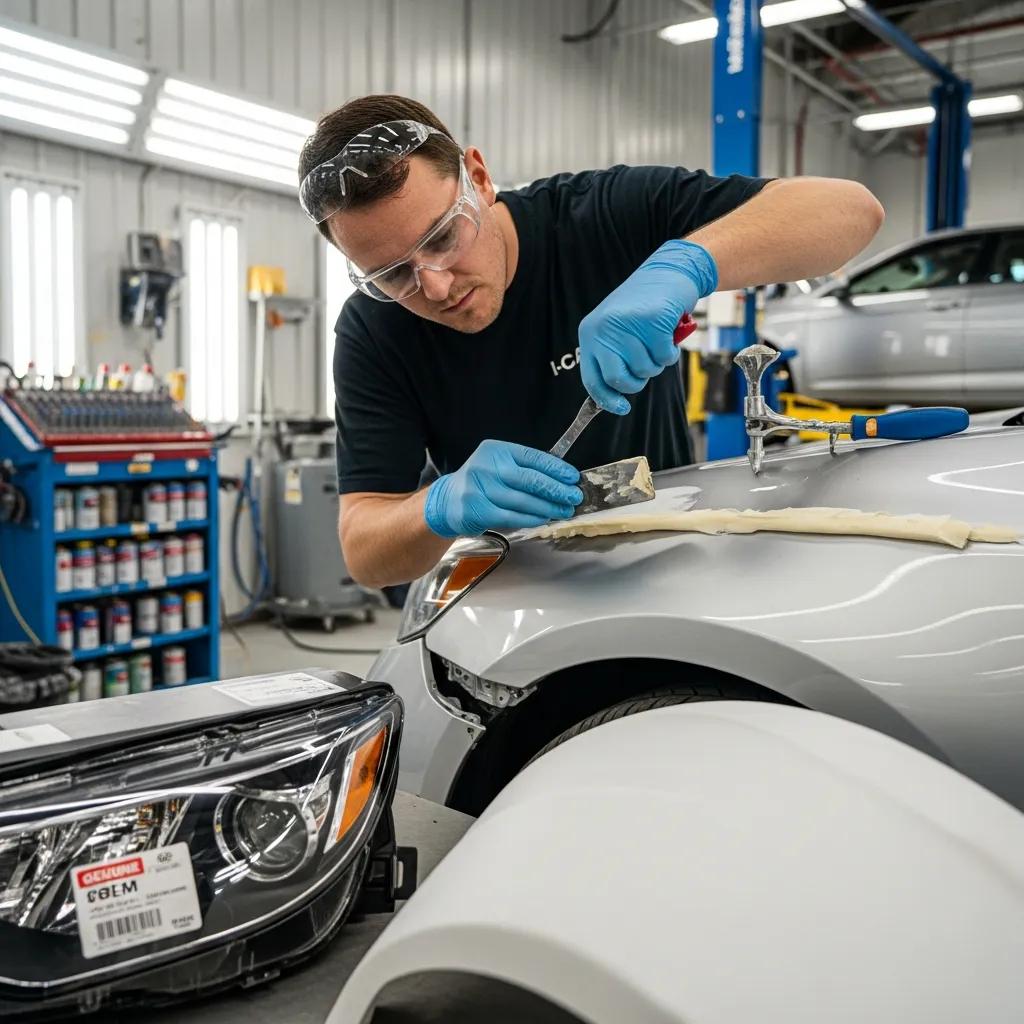
OEM‑certified repairs plus I‑CAR Platinum training combine manufacturer procedures with high training standards to prioritize safety and correct system restoration. I‑CAR Platinum signals that a shop or technician has met rigorous training benchmarks across repair disciplines, while OEM processes ensure parts, welds, adhesives and calibrations follow manufacturer guidelines. Together, those credentials lower the risk of improper repairs and help restore structural and electronic systems to factory tolerances.
Benefits include consistent fit and finish, preserved warranty considerations, and reduced risk of future alignment or fit problems that hurt vehicle performance and resale value. The list below highlights the main customer benefits of choosing OEM-certified repairs and I‑CAR Platinum workmanship.
- Keeps manufacturer repair procedures and specs for safety‑critical components.
- Ensures ADAS calibration and electronic systems are returned to factory settings.
- Reduces long‑term issues like fitment gaps, alignment drift, and premature part wear.
Picking a shop that emphasizes these standards helps protect safety and long‑term value. The next paragraphs explain the specific advantages in more detail.
Benefits of OEM Certified Auto Body Repairs
OEM‑certified repairs deliver engineered fit, predictable crash energy management, and compatibility with sensors and structural components—factors that directly affect occupant safety and repair durability. OEM parts meet original design tolerances, lowering the risk of misalignment and preserving crashworthiness. On newer vehicles, OEM components often include the correct electronic connectors and sensor mounts that aftermarket parts may not replicate, which is crucial for ADAS and active safety features.
For owners, OEM certification supports predictable long‑term performance and better resale outcomes because repairs follow manufacturer specs and are documented in the vehicle history. This level of fidelity matters on modern cars where electronic and structural systems interact closely. The next section ties this to technician training and certifications.
How I‑CAR Platinum Certification Improves Repair Quality
I‑CAR Platinum certification shows a shop’s commitment to ongoing technician education across structural, mechanical, non‑structural and paint repair disciplines. Platinum status requires technicians to complete a broad curriculum on modern repair methods, materials and safety systems, reducing variability in repair approaches and improving the shop’s ability to document and justify necessary work to insurers and owners.
In practice, I‑CAR‑trained technicians are more likely to identify calibration needs, follow manufacturer welding and bonding specs, and perform repairs that restore structural integrity. For owners, that means greater confidence the vehicle will perform as intended after repairs, protecting safety and long‑term value. The next section describes what damage types commonly qualify for free estimates in Los Angeles.
Which Types of Auto Body Damage Qualify for a Free Estimate in Los Angeles?
Most local shops—including those around Los Angeles—offer free estimates for visible damage like dents, collision‑damaged panels, hail dents, scratches and minor structural concerns. Whether a photo estimate is appropriate depends on the damage type. Surface dents, scratches and many hail claims can be scoped from photos, while collisions that may affect the frame, suspension or internal components usually need an in‑person inspection. Vehicle age, complexity and the presence of ADAS sensors also influence whether a photo‑based estimate is sufficient or whether diagnostic scans and disassembly are required.
The table below maps common damage types to typical estimate components and notes when an in‑person evaluation is recommended.
| Damage Type | Typical Estimate Components | In‑Person Recommended? |
|---|---|---|
| Dents | PDR or panel replacement; labor | Sometimes (for large or edge dents) |
| Collision‑damaged panels | Labor, parts, paint, alignment | Yes (to check for hidden damage) |
| Structural/frame | Frame benching, alignment, diagnostics | Yes (always) |
| Hail | PDR or repaint, paint blending | Often (photos OK for scope) |
| Scratches | Paint repair, clearcoat, buffing | Sometimes (depth determines method) |
This mapping shows which scenarios work well from photos and which need deeper inspection. The following sections explain how estimates differ for dents, collision damage and structural repairs.
Estimating Dents, Collision Damage and Structural Repairs
Dents and minor panel damage are often straightforward to estimate because the repair method—paintless dent repair (PDR) or panel replacement—is usually visible and labor hours are predictable. Collision damage affecting multiple panels typically uses a staged inspection: an initial estimate based on visible damage, then disassembly to reveal hidden problems like bent mounts, wiring harness damage or internal component impact. Structural or frame repairs require measurements, frame‑straightening equipment and alignment checks; these are listed as separate line items because they need special tools and certification.
Estimators will flag likely supplements when they suspect internal damage and explain that final pricing is confirmed after disassembly and diagnostic scans. That staged approach protects safety and prevents incomplete repairs. Knowing this helps you understand why an initial estimate can change and when additional approvals may be needed.
Estimates for Hail and Scratch Damage
Hail and scratch damage are often suited to preliminary photo estimates because the surface pattern or scratch depth usually indicates the repair method. For hail, photos from multiple angles help decide if PDR will work or if panel replacement and repainting are required; extensive hail may still need an in‑shop confirmation. For scratches, close ups showing depth—and whether the primer or metal is exposed—help estimators choose between buffing, spot repair or full panel repainting.
When you submit photos, include context shots and close‑ups with a coin or ruler for scale if possible—this improves preliminary accuracy and lowers the chance of later supplements. If sensors or trim pieces are affected, we recommend an in‑person check to confirm mounts and electronics aren’t compromised. The next section answers common customer questions about free estimates and online options.
Common Questions About Free Auto Body Estimates and Collision Repairs
Car owners often ask whether shops in Los Angeles offer free estimates, whether estimates can be done online, how long estimates take, and whether getting an estimate affects insurance premiums. Short answers help you plan the repair process. Many shops offer free, no‑obligation estimates for visible damage; photo‑based estimates are common for surface issues, while in‑person inspections are required for suspected structural or mechanical problems. Photo‑based replies can often be same day; full in‑shop estimates usually take 24–72 hours depending on shop volume.
Below are concise FAQ‑style answers to the top practical questions and next steps for customers seeking free estimates.
- Do body shops in Los Angeles offer free estimates? Yes—most shops provide free, no‑obligation estimates for visible damage and will request photos or an in‑shop inspection when needed.
- Can I get an auto bodyestimate online? Yes—photo uploads and online forms are commonly used for preliminary scopes, especially for hail or surface damage.
- How long does an estimate take? Photo‑based preliminary estimates can be same day; full in‑person estimates typically take 24–72 hours depending on workload.
- Will getting an estimate affect my insurance premium? Requesting an estimate by itself won’t change your premium; filing a claim may have insurer‑specific effects, so check with your provider.
These brief answers should help you decide whether to submit photos or schedule an inspection. If you want a free estimate or help with a claim, Prime Time Collision Center in Glendale provides no‑obligation estimates and supports customers across Los Angeles, Glendale, Burbank and Pasadena. Our team includes I‑CAR Platinum‑certified technicians, we offer 24/7 emergency towing when needed, and we stand behind qualifying repairs with a lifetime warranty—call to schedule an estimate or submit photos for a preliminary review.
Frequently Asked Questions
What should I bring for an in‑person estimate?
Bring your vehicle registration, proof of insurance, and any prior repair records if you have them. Having your insurance claim number on hand helps speed the review. These items let the estimator assess the damage accurately and helps when submitting the estimate to your insurer.
How can I make sure my photos work for an online estimate?
Take high‑resolution photos in daylight with minimal glare. Include wide shots of the whole vehicle and close‑ups of every damaged area. Photograph the VIN plate and any visible undercarriage damage. Context shots that show how multiple damaged panels relate to one another help provide a more accurate preliminary quote.
What happens if hidden damage is found after the estimate?
If hidden damage appears after disassembly, the shop will submit a supplement to your insurer with photos and technician notes documenting the new findings and costs. This can extend the repair timeline, but it ensures all necessary work is completed to restore the vehicle safely.
Are there any costs to get an estimate?
Most auto body shops in Los Angeles offer free, no‑obligation estimates for visible damage. If extensive diagnostics or disassembly are required to find hidden damage, the shop may charge—always confirm estimate and diagnostic policies with the shop up front.
How do I choose between OEM and aftermarket parts?
Choosing OEM versus aftermarket depends on safety, warranty and cost. OEM parts match manufacturer specifications and often ensure correct fit and electronic compatibility. Aftermarket parts are usually less expensive but can vary in quality. If safety and resale value are priorities, OEM parts are generally recommended for structural and electronic systems.
What is the typical repair turnaround time after an estimate?
Turnaround depends on damage complexity and shop workload. Minor repairs can take a few days; more extensive work, especially with structural repairs or ordered parts, can take a week or more. Discuss expected timelines with your chosen shop during the estimate.
Can I get an estimate for a minor accident?
Yes—most shops offer free estimates for minor collisions. Document the damage with clear photos and bring your insurance details to help produce an accurate assessment of needed repairs.
Conclusion
Getting a free auto body estimate in Los Angeles helps you make informed, safety‑first choices about repairs. Understanding the estimate process—and the value of OEM parts and I‑CAR Platinum technicians—makes it easier to choose a trusted shop like Prime Time Collision Center. Request an estimate today and let our team guide you through the repair and claim process with clear communication and professional care.