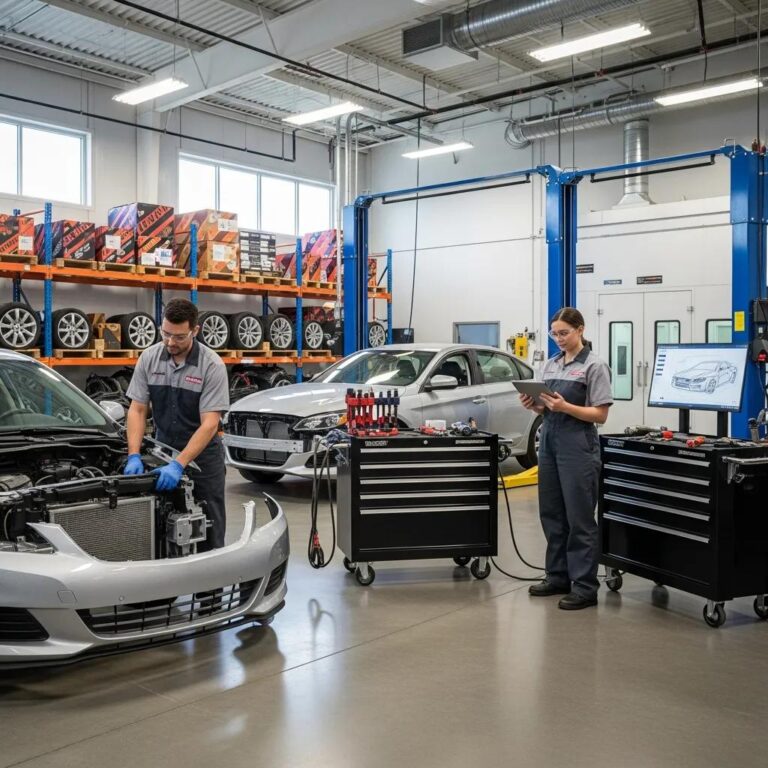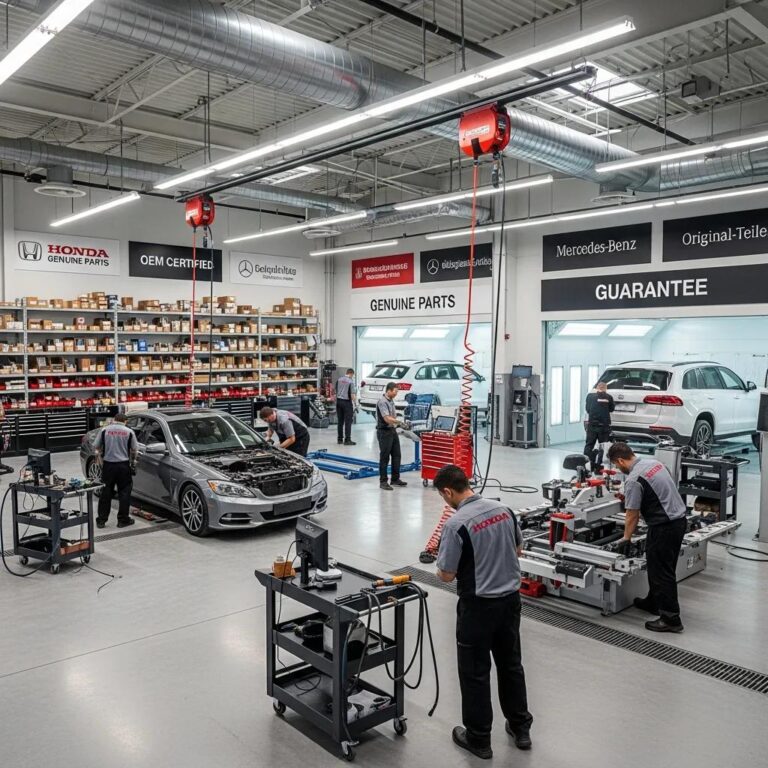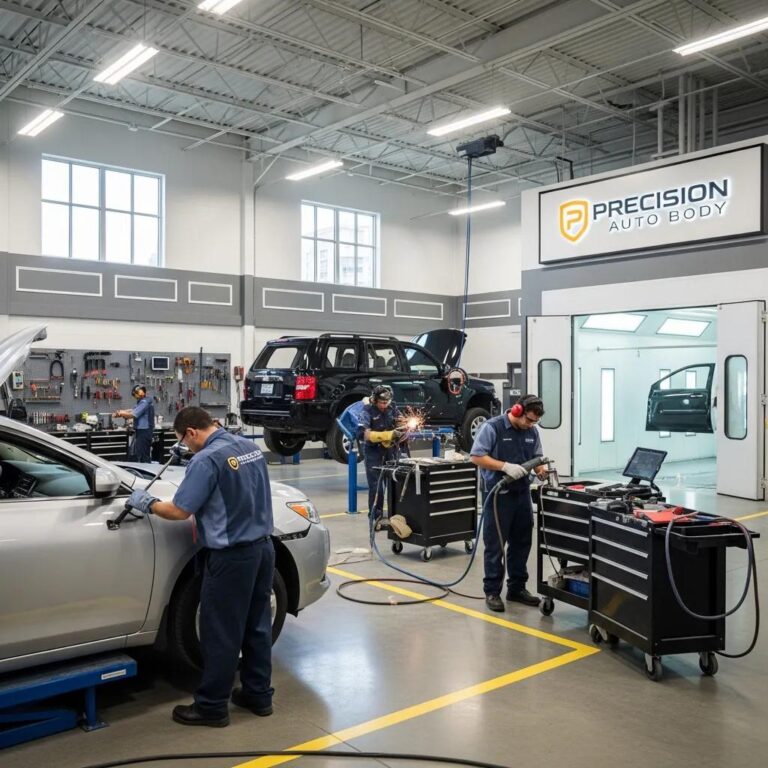
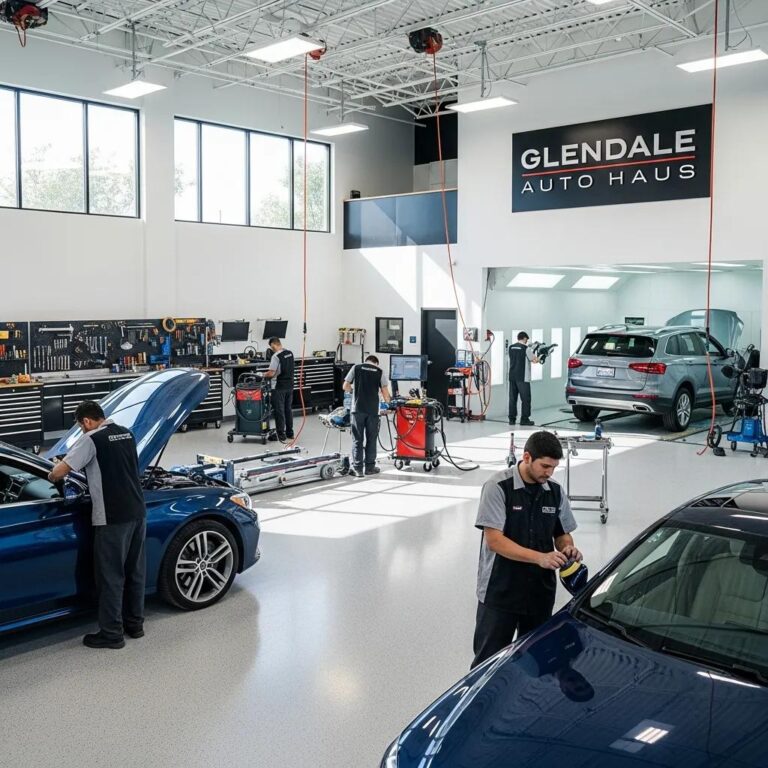
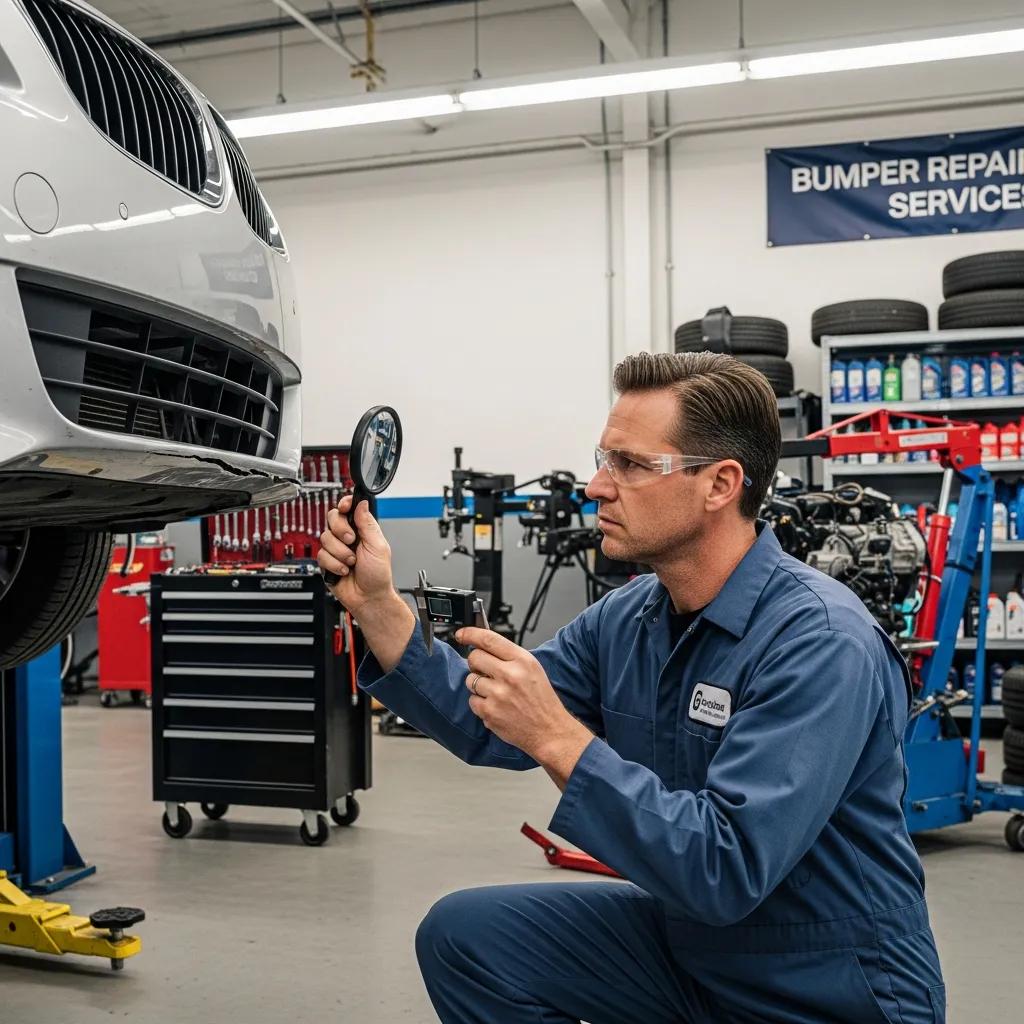
Glendale Bumper Repair & Replacement — Clear Costs, OEM Quality, Fast Turnarounds
Whether it was a light fender tap or a heavier impact, the bumper is often the first thing Glendale drivers notice — and fixing it quickly protects safety systems, vehicle value, and driver-assist features. This guide walks you through what bumper repair and replacement involve, how costs in Glendale are calculated, and why OEM-quality work matters for crash performance and resale. You’ll learn how damage severity maps to repair options, when plastic bumper repairs make sense versus full replacement, and how working with insurance can cut wait times and surprises. We also cover I‑CAR Platinum standards, plastic-welding and paint-matching techniques, and special steps for luxury or lease-return vehicles that need careful documentation and sensor calibration. Practical checklists and tables outline typical price ranges, repair timelines, and an insurance workflow so you can assess damage, get an accurate free estimate, and choose an OEM-focused shop when it matters most.
What Are the Typical Glendale Bumper Repair Costs?
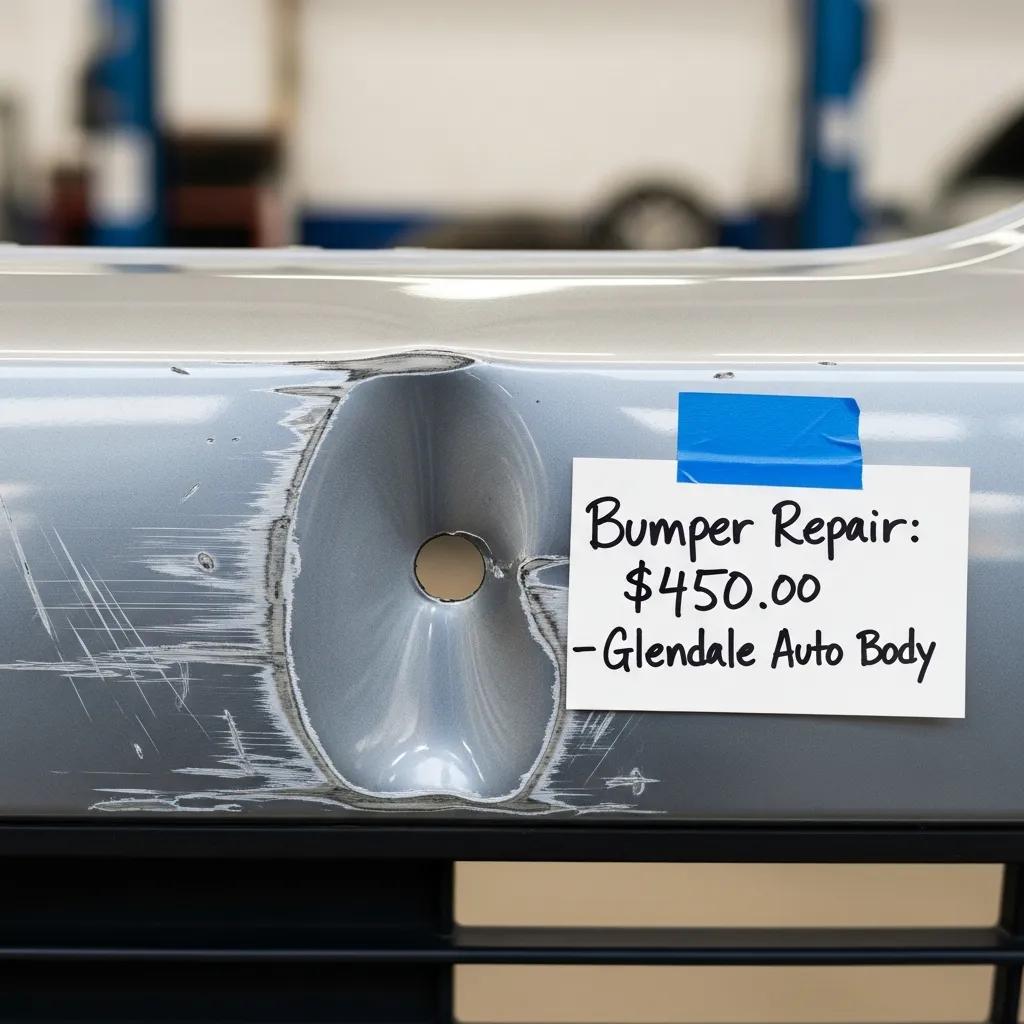
Bumper repair costs in Glendale depend on the type of damage, your vehicle’s make and model, and whether sensors or ADAS systems need recalibration. On one end you have simple cosmetic work; on the other, full bumper cover replacement plus ADAS calibration. Light scratches usually need sanding, filler, and blending. Cracked covers can require plastic welding or a cover replacement and sometimes new reinforcement pieces. Luxury and electric vehicles often cost more because OEM parts and specialized calibrations add parts and labor time. Knowing the cost drivers helps set expectations and reduces surprises when you file a claim or decide on repairs.
The main cost drivers in Glendale are part choice (OEM versus aftermarket), paint and blending complexity, labor for disassembly and ADAS calibration, and whether towing or a rental are needed. Below are the typical influences so you can compare repair estimates with confidence.
- Parts choice: OEM parts usually cost more but keep factory fit and safety.
- Paint and panel blending: Matching multiple panels raises labor time.
- ADAS recalibration: Sensors and cameras add diagnostic and technician hours.
- Structural damage: Reinforcement or internal parts replacement increases costs.
The quick comparison table below shows common damage categories, price bands, repair time, and how insurers typically view each case.
| Damage Type | Typical Price Range | Typical Repair Time | Insurance Notes |
|---|---|---|---|
| Minor scratch/paint scuff | $150–$600 | 1–2 days | Usually treated as cosmetic; deductible applies |
| Moderate dent/crack (plastic weld) | $400–$1,200 | 1–3 days | Often repairable; insurer may approve repair if cheaper than replacement |
| Major crack/cover replacement | $800–$2,500+ | 2–5 days | Replacement and ADAS calibration can increase claim cost |
| Structural/impact bar or sensor damage | $1,200–$4,000+ | 3–7+ days | Classified as collision damage; more insurer involvement likely |
Use this table to compare estimates and decide whether repair or replacement is the better route. Many Glendale shops offer free itemized estimates that separate parts, labor, and calibration so your insurance paperwork is clear and accurate.
How Does Damage Severity Affect Bumper Repair Pricing?
Severity drives both the repair method and the price. Small surface issues are handled quickly; major structural or sensor damage requires parts replacement and recalibration. Light scratches typically need spot-sanding, filler, and blending — lower labor and cost. Moderate damage, like a crack in a plastic cover, often calls for plastic welding and refinishing, which increases labor but can avoid a full replacement for non-structural cracks. Significant impacts that bend reinforcement bars, damage mounts, or affect sensors usually require disassembly, OEM parts, and ADAS calibration, which raises parts, diagnostic, and labor costs. Understanding these categories helps you choose the safest and most economical option and sets realistic expectations for insurer conversations.
Are Free Estimates Available for Glendale Bumper Repairs?
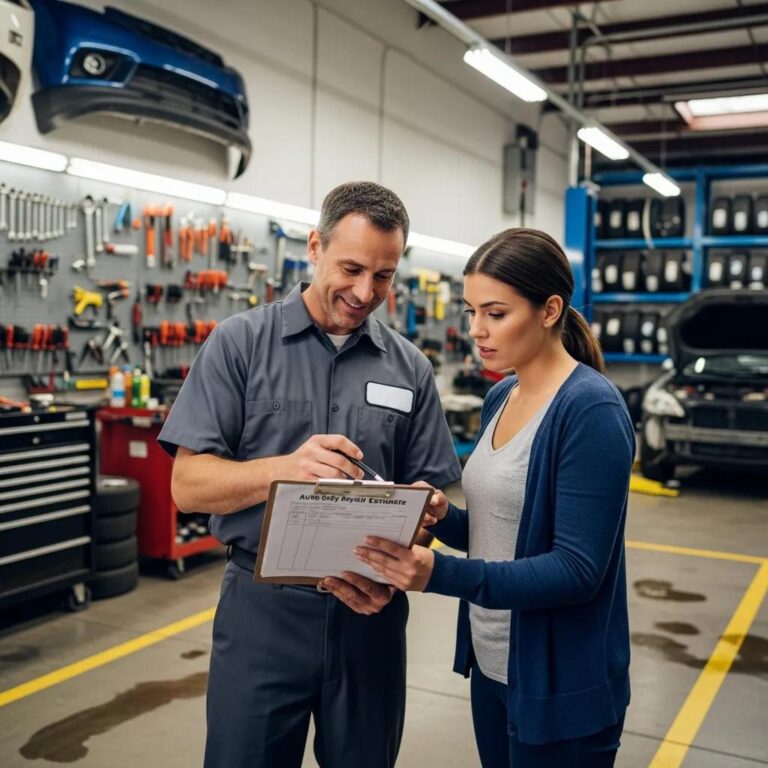
Yes — free estimates are commonly offered so drivers can see the damage scope and expected costs before committing. A full estimate inspects cosmetic, structural, and sensor-related issues.
During a free estimate, a technician looks at the bumper cover, reinforcement bar, mounting brackets, and parking sensors or camera alignment to find any hidden damage that could affect safety or ADAS function.
Free estimates reduce uncertainty by giving you a documented scope for insurers and a clear cost breakdown. Ask whether the estimate includes an ADAS diagnostic scan or if that’s a separate service. If calibration or structural repairs are identified, request a written scope to share with your insurer so approvals and parts ordering move forward without delay.
Why Choose OEM Certified Bumper Replacement in Glendale?
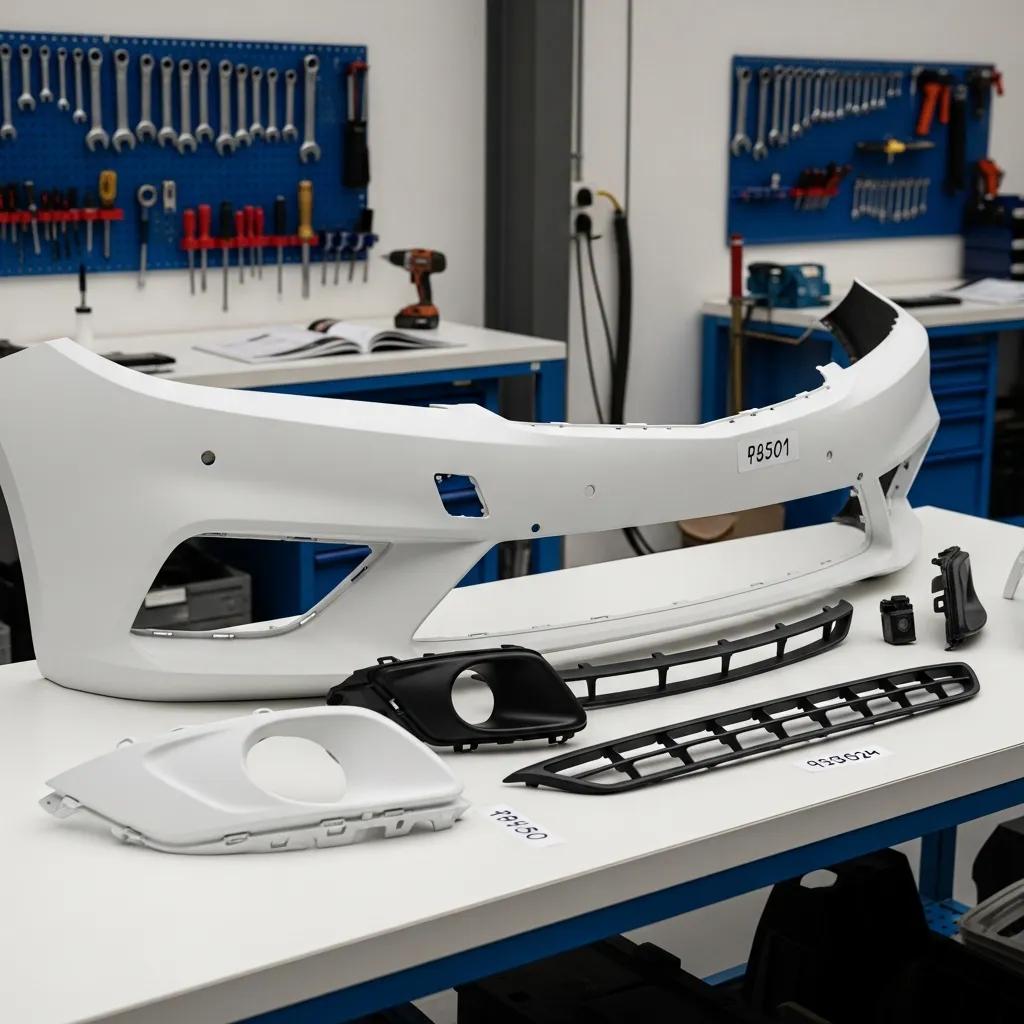
OEM-certified bumper replacement keeps your vehicle’s original safety performance, fit, and finish by using factory-standard parts and recommended repair methods — critical for crash behavior and ADAS reliability.
OEM parts match the vehicle’s original tolerances, attachment points, and material properties so reinforcement pieces, impact absorbers, and mounting brackets work together as designed in a future collision. Following OEM procedures also supports warranty and resale value because non-OEM shortcuts can be noticeable at appraisal or cause misalignment later. For vehicles with sensors and cameras, OEM parts and certified processes lower the risk of sensor errors and ensure proper recalibration.
Choosing an OEM approach also creates documentation shops can share with insurers, which helps approvals and keeps your vehicle’s integrity intact. Prime Time Collision Center is I‑CAR Platinum certified and focuses on OEM-quality repairs, using correct parts and documented procedures aligned with manufacturer guidance.
The three main benefits of OEM-certified bumper replacement are safety preservation, warranty and resale protection, and superior fit and finish — all of which reduce long-term ownership risk and protect crash performance.
- Safety preservation: OEM parts keep engineered deformation and attachment integrity during impacts.
- Warranty & resale protection: Manufacturer-approved parts help maintain warranty coverage and resale value.
- Fit & finish: OEM components and proper paint matching deliver consistent visual and dimensional results.
These advantages make OEM-certified repairs the better choice for newer, luxury, or safety-critical vehicles when you file a claim or schedule a replacement.
What Are the Benefits of OEM Certified Repairs?
OEM-certified repairs preserve the vehicle’s engineered safety systems so bumpers, reinforcement bars, and impact absorbers perform together as originally designed in a collision.
Using the right materials and attachment geometry reduces the risk of unexpected failure or misalignment that can affect crash energy management.
OEM repairs also prioritize precise paint matching and panel fit, protecting aesthetics and resale value. For vehicles with sensors and cameras, OEM procedures include documented ADAS checks and calibrations to keep lane-keep, adaptive cruise, and parking assist features working properly. Those outcomes mean safer ownership and fewer post-repair issues.
How Do I-CAR Platinum Certified Technicians Ensure Quality?
I‑CAR Platinum certification shows a repair facility has met high training standards across technician roles — from structural and materials repair to electronic systems — which translates to proven competence on complex bumper jobs.
I‑CAR‑trained technicians get ongoing education in modern materials, plastic welding, paint processes, and ADAS diagnostics, which lowers the chance of improper procedures.
The certification process emphasizes documented repair plans and verification steps so each repair is measurable and repeatable.
When a shop has I‑CAR Platinum technicians, you can trust repairs follow OEM guidance and that ADAS systems will be checked and calibrated as part of the workflow.
Which Plastic Bumper Repair Services Are Offered in Glendale?
Plastic bumper repair ranges from paint blending and minor dent removal to plastic welding, reinforcement repair, and full bumper cover replacement. The right service depends on damage extent and safety needs.
Technicians inspect the bumper cover, attachment points, reinforcement bar, and sensor mounts to decide whether plastic welding or replacement is required.
For some cosmetic dents, paintless dent repair (PDR) may apply, but most plastic bumper work involves plastic welding, sanding, filler, primer, and multi-stage paint to restore color and gloss.
Accurate paint matching in a controlled booth is essential to blend adjacent panels and keep an OEM look.
The table below maps common plastic bumper services to typical repair methods so you can see which techniques apply to different damage types.
| Service | Typical Method | OEM Parts Required? |
|---|---|---|
| Dent removal (minor) | Paintless dent repair or localized filler | Rarely |
| Scratch removal | Sanding, filler, primer, basecoat/clearcoat | No |
| Crack repair | Plastic welding + filler + refinish | Sometimes (if mounts are damaged) |
| Full bumper replacement | Remove cover, fit OEM bumper, paint, calibrate sensors | Yes |
| Sensor/camera reinstallation | Diagnostic scan and calibration | Yes (procedure-based) |
This table makes it clear which services depend on cover, mounts, or sensors and when OEM components are necessary for safety. Picking the right method lowers rework risk and preserves safety systems.
How Are Dents, Scratches, and Cracks Repaired on Plastic Bumpers?
Repair methods differ by damage type. Minor dents with intact paint may be fixed with paintless dent repair; most scratches need targeted sanding, filler, and paint blending to restore color depth and clearcoat sheen.
Cracked bumper covers usually call for plastic welding to fuse the material, followed by grinding, filler, primer, and multi-stage paint to match the finish.
When sensors or mounting points are involved, technicians remove affected parts, inspect reinforcements, and perform ADAS recalibration after reassembly.
Following the correct sequence — structural checks first, cosmetic work second — ensures the repair both looks right and keeps safety systems functioning.
When Is Full Bumper Replacement Recommended Over Repair?
We recommend full replacement when attachment points, reinforcement bars, or sensor mounts are compromised, or when cracks are extensive enough to weaken the cover’s integrity.
If repair costs approach the price of replacement, insurers often favor replacement to guarantee fit and durability.
Structural deformation that affects energy absorption, or damage near airbag sensors and electronic mounts, typically requires replacement to preserve crash performance.
For lease returns or resale, replacement with OEM parts can prevent disputes over repair quality during inspections.
How Does Prime Time Collision Center Support Insurance Claims for Bumper Repair?
Prime Time Collision Center helps with clear documentation, free estimates, and direct communication with insurers to speed approvals and shorten repair lead times while protecting OEM-quality approaches.
Our process captures detailed photos, ADAS diagnostic scans, and a written scope that itemizes parts and calibration needs so adjusters can approve the correct repair path.
Coordinated parts ordering and documented OEM procedures reduce insurer requests for cheaper alternatives and cut down on revision cycles that delay completion.
By pairing thorough estimates with insurer-ready documentation, we help drivers get back on the road sooner with repairs that meet safety standards.
The table below outlines the typical claim workflow, who handles each step, and the expected timing so you know where shop-managed actions speed the process and where insurer timelines may add days.
| Step | Who Handles It | Typical Timeframe |
|---|---|---|
| Estimate & initial diagnostic | Repair shop (free estimate) | Same-day to 48 hours |
| Adjuster review & approval | Insurer & shop coordination | 1–5 business days |
| Parts ordering | Shop (OEM or approved parts) | 1–7 days depending on availability |
| Repair & ADAS calibration | Shop technicians | 1–5+ days depending on scope |
| Final QA & pickup | Shop and customer | Same-day to 1 day |
This workflow shows where shop coordination speeds things up and where insurer response can affect lead time. Our detailed estimates and parts coordination are designed to minimize delays.
What Is the Step-by-Step Insurance Claim Process?
Following a clear, step-by-step claim process helps speed approvals and reduces unexpected out-of-pocket costs by ensuring everyone reviews the same documented scope.
- Document the damage with photos and secure the vehicle to avoid further harm.
- Get a free estimate that includes basic accident notes and diagnostic checks.
- Share the estimate with your insurer while we coordinate with the adjuster to clarify procedures and parts choices.
- After approval, we order parts, schedule repairs, perform ADAS calibration if needed, and complete final QA before you pick up the vehicle.
That sequence clarifies who does what at each stage and shows how a detailed estimate helps prevent scope creep or insurer pushback.
How Does Insurance Assistance Expedite Your Repair?
When the repair shop actively works with your insurer, it cuts back-and-forth by delivering a single, documented estimate and confirming calibration or structural needs up front.
Clear paperwork that spells out OEM part needs and ADAS diagnostics limits extra inspections and speeds approval.
Shop-managed parts ordering ensures correct parts arrive quickly and avoids delays from mismatched aftermarket items.
Certified technicians who document calibration steps reduce the chances of insurer-mandated rework, shortening the timeline and keeping repairs aligned with safety expectations.
What Specialized Bumper Repair Services Are Available for Luxury and Lease Return Vehicles?
Luxury and lease-return vehicles need higher standards for color matching, materials compatibility, and documentation. Specialized services include OEM part sourcing, precision paint matching, ADAS recalibration, and lease-prep inspections.
Premium finishes and multi-layer paints used on luxury brands demand careful color formulation and controlled paint-bake processes to match gloss and texture accurately.
ADAS calibration for luxury vehicles often follows manufacturer-level procedures to maintain sensor alignment and overall system performance.
For lease returns, detailed invoices that list OEM parts and certified procedures reduce the risk of penalties at inspection time.
Extra QA checks and photographic documentation of repaired areas support resale or lease paperwork. Schedule inspections well before lease end so there’s time for parts, repairs, and any follow-up work.
Prime Time Collision Center has experience with OEM-quality repairs and can produce estimates and documentation tailored to lease-return requirements — schedule early to avoid last-minute penalties.
The following section explains why OEM certification is especially important for luxury vehicles and how proper calibration preserves function and value.
Why Is OEM Certification Critical for Luxury Car Bumper Repairs?
OEM certification matters more for luxury cars because high-end materials, advanced ADAS packages, and multi-stage paint systems require precise manufacturer procedures to protect finish, sensor function, and resale value.
Luxury vehicles often use composite materials, tight panel gaps, and multi-layer color coats that need specialized mixing and application to prevent visible mismatch.
ADAS suites on luxury models are closely tied to vehicle dynamics, so manufacturer-recommended calibration methods avoid sensor drift that could degrade safety features.
Using OEM parts and certified procedures also creates documentation for resale and warranty purposes — an important consideration for high-value vehicles.
How to Avoid Lease Return Penalties with Expert Bumper Repair?
To avoid lease-return penalties, handle bumper damage early. Get a detailed estimate showing OEM parts and certified repair steps, and keep before-and-after photos for inspection.
Lease inspections focus on visible scratches, cracks, misaligned panels, and sensor issues; repairing these with OEM parts and documented calibrations reduces disputes.
Book repairs a few weeks before lease end to allow for parts ordering and any follow-up adjustments.
Provide an itemized invoice that lists OEM components, calibration steps, and QA sign-offs to show repairs met manufacturer standards and lower the chance of administrative penalties.
What Should You Do After a Car Accident in Glendale Regarding Bumper Repair?
After an accident, put safety first, document the damage, and start an organized repair and claims process so bumper issues get fixed correctly and insurance moves smoothly.
Make sure everyone is safe and move to a secure spot if possible. Photograph the damage from multiple angles to capture the bumper cover, sensor locations, and any visible structural deformation.
Report the incident to your insurer for guidance, and schedule a free estimate with a reputable repair shop to check for hidden problems like sensor misalignment or reinforcement damage.
If the vehicle isn’t drivable, have it towed to a qualified repair facility that can document the condition for your claim.
Use the checklist below for immediate post-accident steps that protect your safety and your insurance position.
- Ensure everyone is safe and move to a safe area if possible.
- Photograph all damage and scene details from several angles.
- Notify your insurer and follow their claim guidance.
- Arrange a free estimate and, if needed, tow the vehicle to a certified repair shop.
These steps preserve evidence and create a clear repair path addressing both cosmetic and safety-related needs. The next section explains how to assess bumper damage and decide between repair or replacement.
How to Assess Bumper Damage and Decide on Repair or Replacement?
A basic driver check looks for visible cracks, uneven gaps, sensor warnings, and fluid leaks, but a professional diagnostic is needed to uncover hidden structural or sensor damage that affects safety.
Signs that favor repair include small surface scratches, isolated scuffs, or minor dents where the paint is intact.
Red flags for replacement include broken mounting points, exposed reinforcement bars, or sensor/camera errors found during a diagnostic scan.
A professional estimate that includes an ADAS scan, inspection of attachment points, and sensor tests gives you the reliable information to choose repair versus replacement.
What Are the Typical Repair Timelines and Warranty Options?
Repair timelines vary with severity — from same-day minor paint work to several days for plastic welding or replacement, and possibly a week or more when OEM parts and ADAS recalibration are required.
Minor scratch blending and small dent repairs often finish within 24–48 hours, while plastic welding and refinishing typically take 2–4 days.
Full bumper replacement with parts on order and sensor calibration can take 3–7 days or longer if parts are delayed.
Many reputable shops provide warranties on workmanship and paint. Ask for written warranty terms that cover repairs and calibration so you know what’s protected after pickup.
Frequently Asked Questions
What should I do if my bumper is damaged in an accident?
First, make sure everyone is safe and, if possible, move to a secure location. Photograph the damage from multiple angles, including any sensors or wiring. Report the incident to your insurer and get a free estimate from a trusted repair shop that checks for hidden issues like sensor misalignment. If the car isn’t drivable, arrange towing to a certified facility so the damage can be properly documented.
How can I ensure my bumper repair meets insurance requirements?
Get a detailed estimate from a certified shop that lists repairs, parts, and labor. Confirm the estimate includes ADAS checks and calibrations when needed. Share the documentation with your adjuster and keep records of all communications. Clear, itemized paperwork makes it easier for insurers to approve the right repair path.
What are the signs that my bumper needs replacement instead of repair?
Replacement is likely when cracks compromise structural integrity, mounting points are damaged, or reinforcement bars are exposed. Sensor failures or extensive deformation near electronic mounts also point to replacement. If repair costs near replacement price, insurers typically choose replacement for long-term durability and safety.
How long does a typical bumper repair take?
Minor work like paint blending or small dents can often be done in 24–48 hours. More involved repairs, such as plastic welding or full bumper replacement, usually take 2–5 days. If ADAS recalibration or ordered OEM parts are required, expect the timeline to extend up to a week or more. Always ask the shop for an estimated completion time up front.
Are there warranties available for bumper repairs?
Yes — many reputable shops back their work with warranties covering workmanship and paint. Warranty terms vary, so ask for written details including duration and what’s covered. A solid warranty should protect against defects and ensure recalibrations are included if needed.
What factors influence the cost of bumper repair in Glendale?
Costs depend on damage type and extent, vehicle make and model, and whether OEM parts are used. Labor varies with repair complexity, especially if disassembly or ADAS calibration is required. The choice between aftermarket and OEM parts also has a big impact. Understanding these drivers helps you make informed repair decisions.
Conclusion
Choosing experienced bumper repair services in Glendale helps keep your vehicle safe, maintain its value, and restore performance through OEM-focused repairs. Knowing the cost factors and repair options lets you make informed decisions that fit your needs and insurance requirements. Prioritize professional estimates and documented procedures so the process is smooth and reliable. Schedule your free estimate with Prime Time Collision Center today and let us get your vehicle back to proper condition.