Glendale Car Accident Help: Practical Steps for Safety, Repair, Insurance & Legal Support
Being in a car accident in Glendale is stressful and expensive. This guide gives clear, prioritized steps you can follow right after a crash: how to stay safe, document evidence, work with insurers, get your vehicle repaired, and know when to talk to an attorney. You’ll find a concise, Glendale-focused checklist for the scene, an overview of how licensed collision shops handle estimates and OEM-certified repairs, and practical tips for finding car accident lawyers. Our goal is to cut through the confusion after a crash — linking immediate safety actions to repair logistics and legal choices, and pointing to local repair options that emphasize OEM quality and certified technicians. Read on for step-by-step actions to protect people and evidence, how shops document damage for insurers, why OEM-certified repair matters for safety and resale, and how to vet attorneys if injuries or disputes arise.
What to Do Right After a Car Accident in Glendale, CA
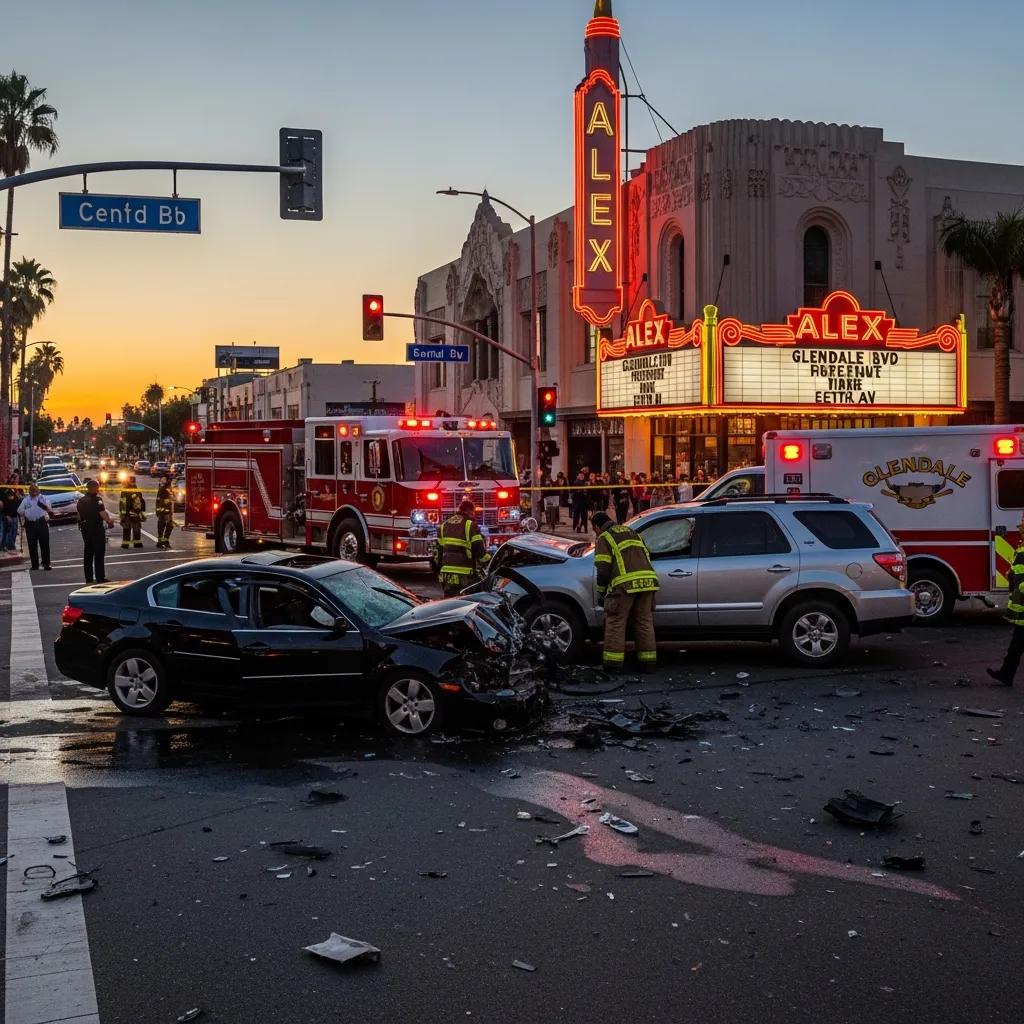
Right after a crash, put people first and evidence second: check for injuries, get help if someone is hurt, and stay as safe as traffic allows. When possible, document the scene with photos and notes, collect insurance and witness information, and report the incident to your carrier. The early steps you take shape repair timelines and the strength of any insurance or legal claim — so be methodical and communicate early.
Use this simple, ordered checklist at the scene to protect health and preserve evidence for repairs and claims:
- Call 911 if anyone is injured or there is major damage to vehicles or property.
- Move to a safe spot if you can; otherwise keep vehicle positions intact for photos when it’s safe to do so.
- Take photos: wide shots for context, mid-range for vehicle placement, and close-ups of all damage, VIN/license plate, skid marks, and hazards.
- Exchange contact and insurance details with other drivers and any witnesses; ask how to get a copy of the police report.
- Tell your insurer as soon as possible and keep copies of all photos, notes, and paperwork for repairs or legal review.
Following these steps protects people and builds a clear record for repair shops, adjusters, and lawyers. The next section explains how to document the scene so estimates and claims go more smoothly.
How to Stay Safe and Document the Accident Scene
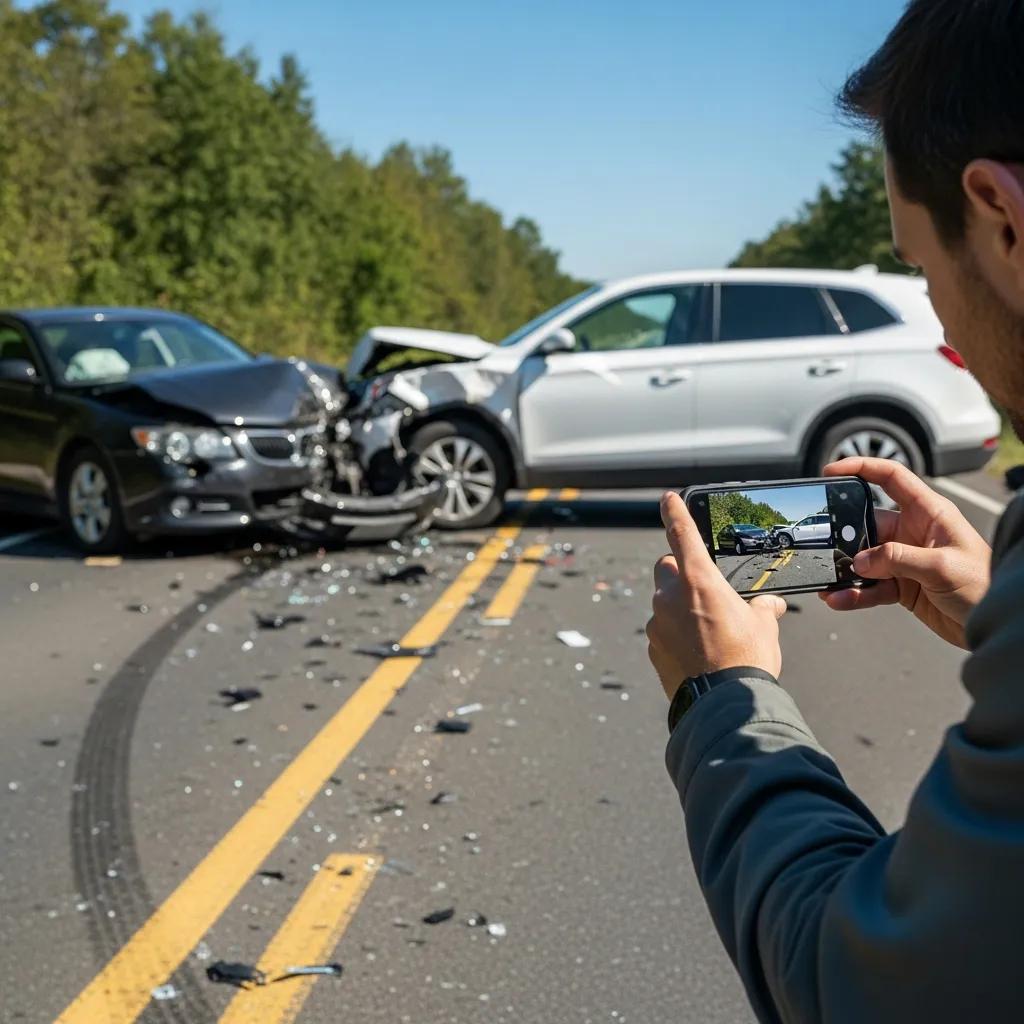
Start by checking for injuries, signaling hazards to other drivers, and calling emergency services when needed. When documenting, keep your shots consistent: wide-angle images for context, mid-range shots for vehicle position, and close-ups for specific damage, VIN plates, airbag deployment, and dashboard lights. Note the time of day, nearby signs or lane markings, and any debris or fluid on the road. Exchange names, addresses, vehicle registrations, and insurance information. Don’t admit fault at the scene — stick to factual observations. Clear photos and witness notes help repairers and adjusters scope the damage and speed up estimates and approvals.
Good documentation gives shops and insurers the information they need to plan repairs and identify safety issues quickly.
When and How to Contact Repair and Legal Professionals
Call a repair shop as soon as the scene is secure and you have basic documentation. Contact a lawyer when there are injuries, disputed fault, or significant damage that could make the claim complicated. A certified collision shop can arrange towing, perform an initial inspection, and create a standard estimate for insurers. An attorney can advise on preserving evidence, medical bills, and negotiating damages. If you have major injuries, contested liability, or your insurer is refusing coverage, speak with a Glendale car crash lawyer early so deadlines and evidence are protected. When your vehicle needs to be moved quickly, coordinate with a reputable shop for towing, free estimates, and a repair timeline while keeping all claim documents intact for any legal review.
Deciding whether to prioritize towing and repair or legal consultation depends on safety, how drivable the vehicle is, and whether fault or injury complicates the claim. The next section covers how local auto body shops support claims and repairs in Glendale.
How Glendale Auto Body Shops Help with Insurance Claims and Repairs
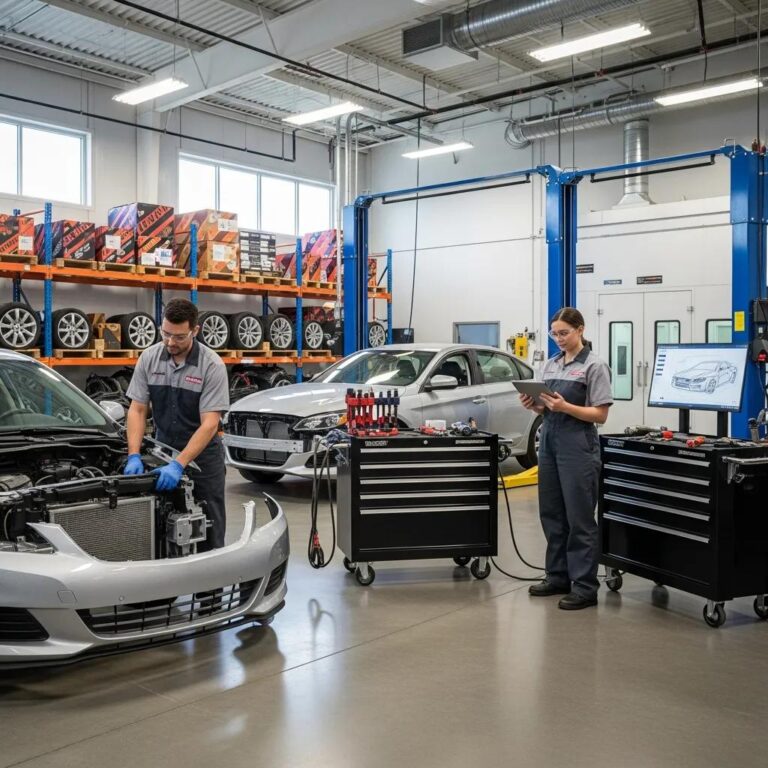
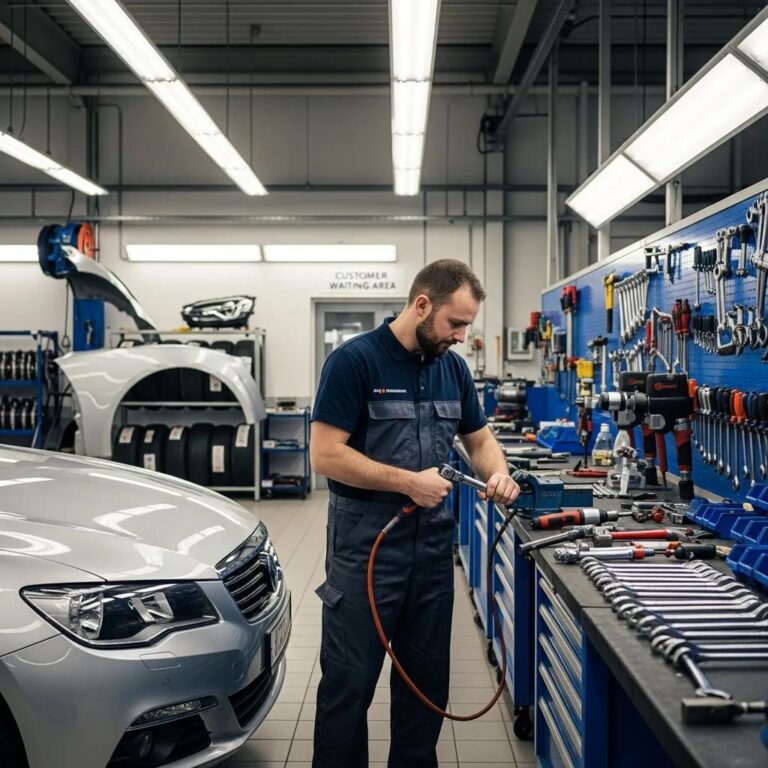
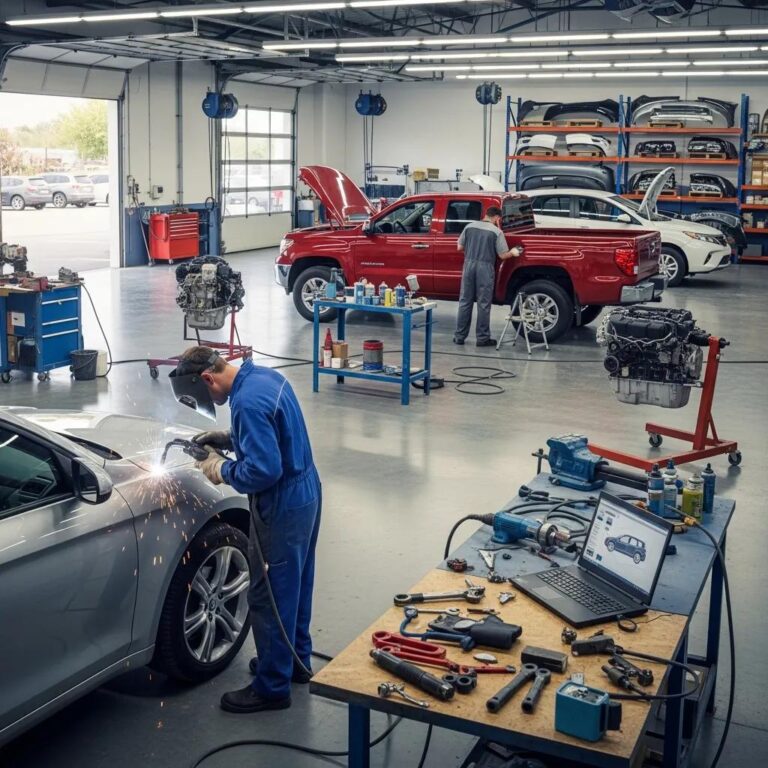
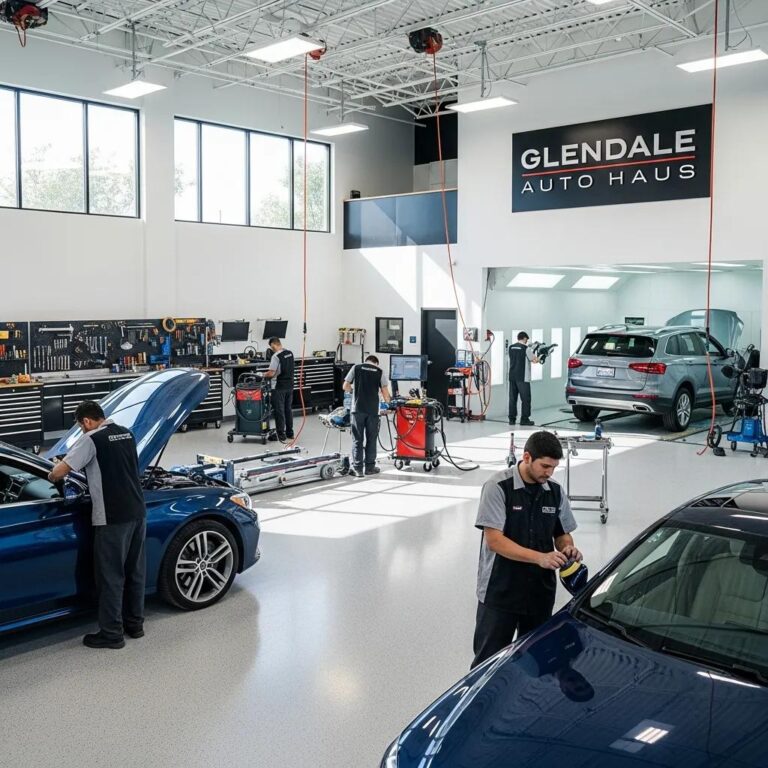
Auto body shops act as the technical connector between your damaged vehicle and the insurer. They document damage, create standardized estimates, and manage repair workflows through final quality checks. Shops run diagnostic inspections, itemize parts and labor in detailed estimates, and work with insurers to secure authorizations. They also handle parts orders, frame and structural repairs, paint matching, ADAS (advanced driver-assistance systems) recalibration, and final inspections. A clear, shop-led process can reduce repair delays and give insurers the documentation they need — which helps both property-damage and diminished-value conversations. For many drivers, a certified shop that manages adjuster communications and technical repairs shortens turnaround and lowers friction in claims handling.
Many Glendale shops offer services specifically designed to support insurers and vehicle owners; the table below shows common insurer needs and how shops meet them.
Shops align insurer requirements with repair tasks to streamline claims and reduce disputes:
| Insurer Task | Shop Role | Typical Outcome |
|---|---|---|
| Damage assessment | Thorough diagnostic inspection and itemized estimate | Faster authorization with a clear scope of work |
| Documentation submission | Photos, repair plan, and parts-sourcing records | Fewer follow-up questions from adjusters |
| Repair authorization | Direct liaison with the adjuster | Quicker start to repairs once approved |
| Rental coordination | Help arranging temporary transportation | Less downtime for the vehicle owner |
An organized shop relationship reduces back-and-forth with insurers and helps keep repairs on schedule. The next part lists the specific services shops commonly offer to support claims.
What Services Do Auto Body Shops Provide to Support Insurance Claims?
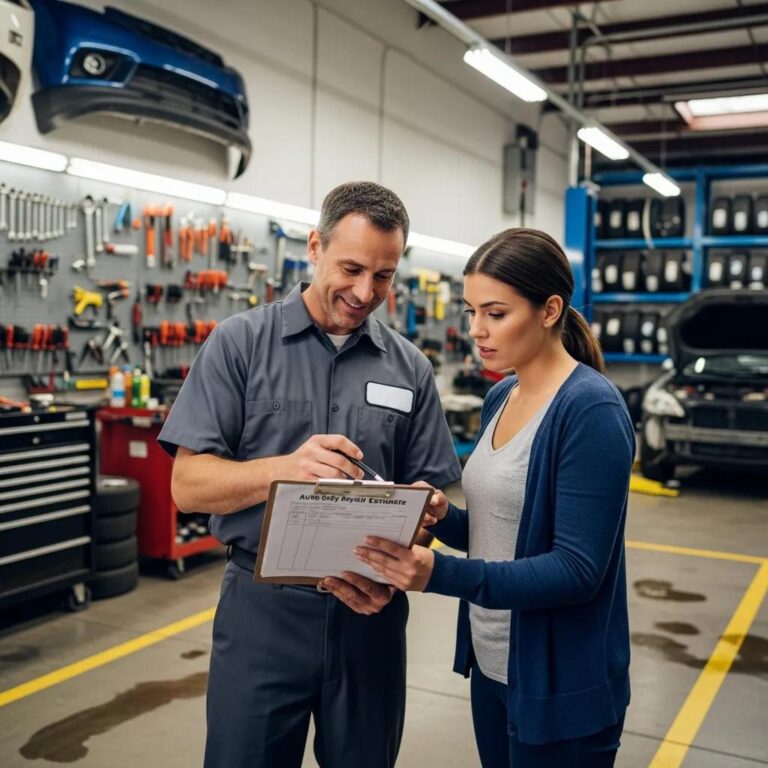
Shops provide services that match insurer expectations: free or quick estimates, on-site inspections, photographic and written documentation, and technical notes that supplement adjuster evaluations. Many shops handle parts ordering, keep adjusters updated on timelines, and can coordinate rental vehicles or direct-bill arrangements to limit out-of-pocket costs. By serving as a single point of contact for both owners and insurers, shops reduce administrative burden, avoid fragmented communication, and help claims move faster toward resolution.
The table below compares practical service features to consider when choosing a repair partner.
| Service | Typical Availability | Owner Benefit |
|---|---|---|
| Free estimate | Walk-in or by appointment | Immediate picture of cost and repair needs |
| Insurer liaison | Direct contact with adjusters | Fewer approval delays and clearer scope |
| Rental coordination | On request or through partners | Reduced transport disruption while your car is repaired |
| Parts sourcing (OEM) | Ordered from manufacturer channels | Maintains fit, finish, and safety integrity |
Picking a shop that offers these coordinated services helps ensure accurate claims and high-quality repairs. The next section explains how OEM-certified repairs affect insurance and vehicle safety.
How OEM-Certified Collision Repairs Impact Insurance and Vehicle Safety
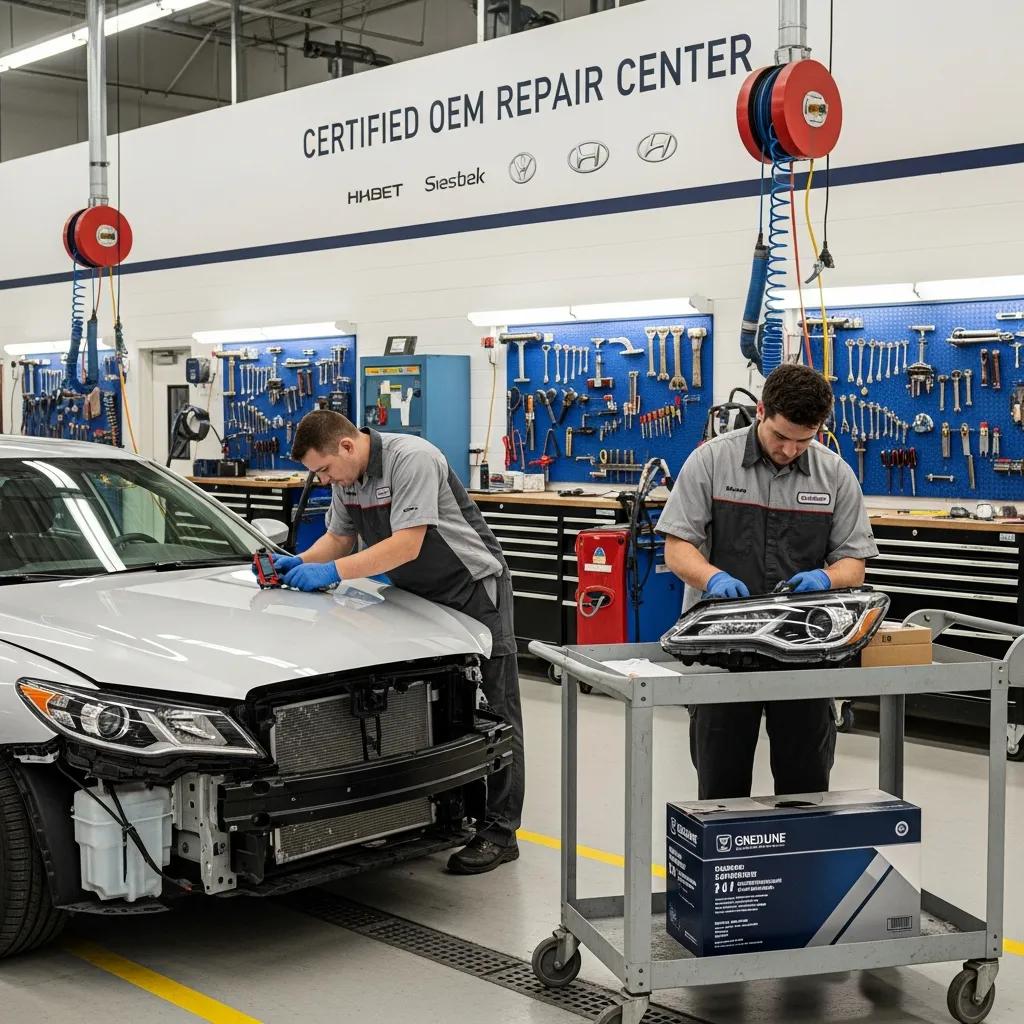
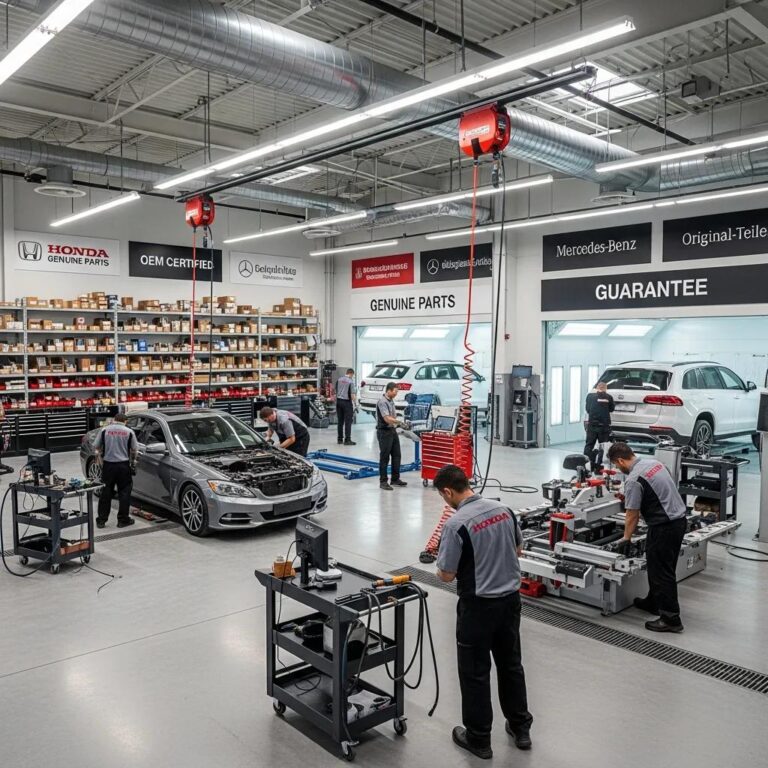
OEM-certified collision repairs follow manufacturer-approved parts and repair methods to bring a vehicle back to factory specifications. That affects crash performance, warranty coverage, and long-term resale value. Insurers pay attention to repair methods and parts because OEM procedures preserve crash structures and the correct operation of safety systems like airbags and ADAS sensors. Non-OEM parts or nonstandard methods can alter load paths or sensor calibration. Choosing OEM-certified repair helps ensure post-repair safety matches manufacturer expectations and can make insurer approvals smoother when the shop documents manufacturer procedures and parts sourcing. It also maintains repair records that help with future resale or warranty claims.
Knowing how OEM work affects safety and value explains why certified repairs are often recommended for modern cars. The next section dives into the safety and value benefits of OEM-certified collision repair.
Why Choose OEM-Certified Collision Repair After a Glendale Crash?
OEM-certified collision repair restores a vehicle using manufacturer procedures, calibrated systems, and OEM parts so safety systems and structural integrity perform as designed. Modern vehicles rely on precision — frame geometry, sensor placement, and material properties — that OEM methods address. Skipping those procedures can risk crash performance or safety-system function. OEM-certified work also supports warranty compliance and helps protect resale value by documenting repairs with factory-aligned parts and processes. In short, following OEM standards lowers long-term safety and financial risks compared with nonstandard or unverified repair techniques.
Here are the core benefits that make OEM-certified repairs the smart choice after a collision:
- Restored Safety Performance: Manufacturer procedures return structural and restraint systems to spec.
- Correct ADAS Function: Proper sensor recalibration preserves lane-keeping, warnings, and auto-brake features.
- Warranty and Documentation: OEM parts and certified methods support warranty continuity and clear repair records.
- Resale and Diminished Value: A documented OEM repair path helps protect resale value and supports diminished-value claims.
These advantages explain why many owners and repair professionals prioritize OEM-certified collision repair. The table below gives a quick comparison of repair types.
| Repair Type | Safety | Fit & Finish | Warranty Impact |
|---|---|---|---|
| OEM Certified | High — follows manufacturer procedures | Factory-like fit and finish | Supports warranty continuity |
| Non-OEM / Aftermarket | Variable — may alter load paths | May need more refinishing work | Possible warranty disputes |
| Generic Body Shop Methods | Inconsistent without manufacturer data | Fit/finish may vary | Greater risk to long-term value |
The comparison shows how OEM-certified repairs reduce technical and financial risk. The next subsection explains how technician certifications add another layer of quality control.
How OEM Repairs Protect Vehicle Integrity
OEM-certified repairs restore engineered crash structures, correct alignment, and ensure components fit and work together — all of which preserve crashworthiness and handling. Using OEM parts and following manufacturer repair steps maintains material tolerances and joint strengths, important for modern cars with mixed-material frames and integrated safety systems. Proper OEM documentation creates a clear service record for warranty and resale, and it reassures owners that recalibrations, sensor placement, and airbag systems were handled as intended. Examples include straightening a frame to factory specs and replacing sensor housings with OEM units so systems behave reliably in the future.
Keeping these technical standards protects safety and lowers long-term ownership costs. That leads to why certified technician training matters.
How I-CAR Platinum Technicians Deliver Consistent, Safe Repairs
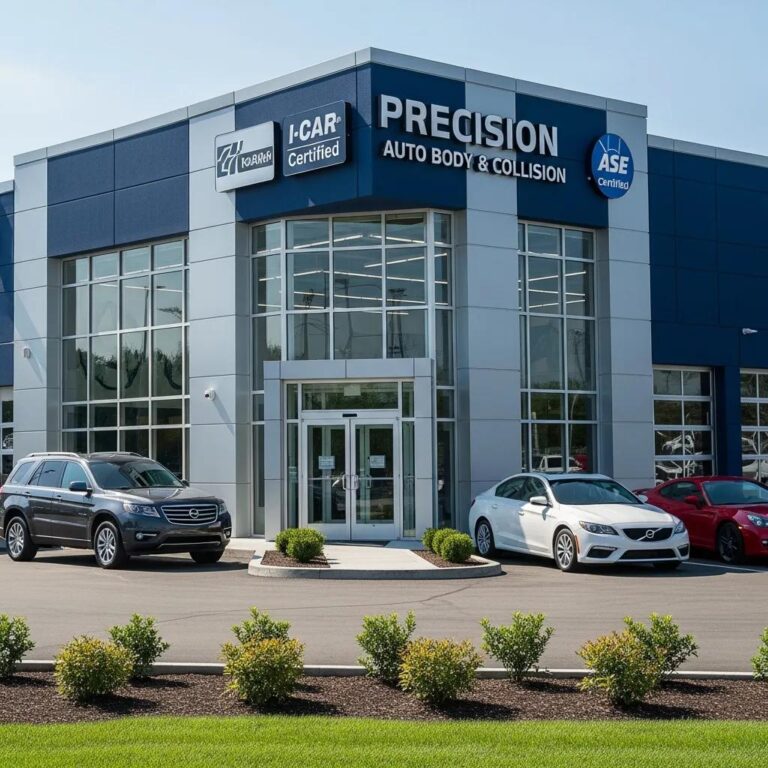
I-CAR Platinum is a recognized industry credential showing a high level of technician training and ongoing education focused on current repair methods and manufacturer guidance. Technicians with this certification complete courses on structural repair, welding, materials, and electrical/ADAS systems and maintain up-to-date training. That reduces repair variability and the risk of errors that could affect safety. Certified techs also document procedures and calibrations insurers and manufacturers expect, and they’re better able to follow OEM bulletins when planning repairs. For vehicle owners, I-CAR Platinum is a practical sign that complex repairs will follow proven best practices.
Technician certification pairs with OEM parts and documented processes to protect both safety and value after a collision.
How to Find Trusted Car Accident Lawyers and Legal Help in Glendale, CA
Choose legal help after a car accident by matching your needs to attorney experience and local knowledge. Decide whether you need personal injury representation, help with property damage or diminished value, or litigation for disputed fault. Auto accident lawyers often work on contingency and will review evidence like medical records, police reports, and repair estimates. Local experience matters: a lawyer familiar with Glendale courts and insurers can anticipate timelines and common defenses. Use a simple checklist when vetting attorneys to confirm they have the experience and results your case may require.
Use this checklist when evaluating attorneys for a Glendale car accident claim:
- Experience handling auto accident cases and familiarity with local courts and insurers.
- Track record with cases like yours in injury severity and property damage.
- Clear fee structure (for example, contingency agreements) and straightforward communication.
- Ability to coordinate repair records and retain experts when necessary.
These points help you match attorney strengths to your case complexity. The next section summarizes common legal services available to accident victims.
Common Legal Services for Car Accident Victims in Glendale
Legal services for car accident victims include personal injury representation for bodily harm, help with property damage and diminished-value claims, insurance dispute resolution, and litigation when settlements don’t resolve liability or damages. Personal injury lawyers review medical evidence, negotiate with insurers for fair compensation (medical bills, lost wages, pain and suffering), and hire experts to value long-term needs or diminished value. For property damage, attorneys help when insurers undervalue repairs or dispute diminished value, making sure repair estimates and documentation are properly considered. Minor injuries often resolve through claims; serious injuries or contested liability usually warrant full legal representation.
Coordinating legal help with repair records and medical documentation improves the chance of a complete recovery in your claim. The next subsection covers when to consult an attorney.
When to Contact a Lawyer After a Car Accident
Talk to a lawyer promptly if you have serious injuries, disputed fault, an insurer denying a valid claim, or if long-term care and lost income are factors. Early contact helps preserve evidence and meet filing deadlines. Bring your photos, police report, medical records, repair estimates, and witness information so an attorney can quickly assess liability and damages. A timely consult will advise you on protecting medical records, communicating with insurers, and getting expert opinions on vehicle damage or long-term care — all of which strengthen a claim. Even if you don’t hire counsel right away, an early conversation clarifies your rights and important deadlines so you don’t lose options later.
Prompt legal engagement complements repair and claims work by keeping both medical and repair evidence aligned with the legal case.
Common Questions About Post-Accident Repair and Legal Process in Glendale
Drivers often ask about filing deadlines, repair timelines, how insurers respond, and whether local shops work with all insurers. Short answers and timing references help set expectations and next steps. Knowing the statute of limitations, common insurer response windows, and typical repair durations helps you plan for rentals, medical care, and legal review. Below are concise Q&A entries and a quick timeline table for typical post-accident stages.
| Process | Typical Timeline | Owner Action |
|---|---|---|
| Initial insurer acknowledgement | 1–14 days | Send photos and the estimate as soon as possible |
| Repair authorization | Days to a few weeks, depending on complexity | Provide documentation and follow up with the shop or adjuster |
| Repair duration | 3–21+ days depending on parts & damage | Ask the shop for an estimated completion date and rental options |
| Diminished value evaluation | After repair until settlement | Keep all repair records for valuation |
These timeframes outline the path from initial notice to repair completion and help you plan next steps. Below are two high-priority questions many drivers want answered right away.
How Long Do You Have to File a Legal Claim After a Car Accident in California?
In California, most personal injury claims from car accidents must be filed within two years of the injury date. Property damage claims generally have a three-year deadline from the accident date. Exceptions exist — for example, claims against public entities or delayed discovery of injuries — so check with an attorney early to confirm the deadlines that apply to you. An early consult helps preserve evidence, meets any required notices, and gives your lawyer time to prepare a claim.
Checking deadlines with counsel protects your right to seek compensation and keeps repair and medical records aligned with legal timelines.
Does Prime Time Collision Center Work with All Insurance Companies?
Prime Time Collision Center is a highly rated collision repair shop in Glendale serving Los Angeles County (including Burbank and Pasadena). We offer collision repair, I-CAR Platinum certified technicians, OEM-certified repairs, free estimates, 24/7 towing, and insurance-claim assistance. Our workflow supports insurers with detailed estimates, documentation of parts sourcing and repair steps, and direct communication to help speed approvals. Choosing a repair partner that documents manufacturer procedures and maintains open lines with adjusters helps reduce disputes and keeps repairs moving. If you want OEM-quality repairs and coordinated insurance handling, a certified shop that works directly with adjusters is a practical choice.
For emergency towing and fast vehicle assessment after a crash, Prime Time Collision Center offers 24/7 towing and free estimates to move you from scene documentation to repair planning quickly.
Frequently Asked Questions
What should I do if I experience injuries after a car accident in Glendale?
If you’re injured, get medical attention right away. Some injuries don’t appear immediately, so see a healthcare provider even for mild symptoms. Keep records of all medical visits, treatments, and bills — that documentation is essential for insurance claims or legal action. Follow your medical provider’s instructions and keep copies of any reports or test results.
How can I find a qualified car accident lawyer in Glendale?
Look for local attorneys who focus on personal injury and auto accidents. Read reviews, check case results, and schedule consultations to discuss your situation. Ask about their experience with similar cases, how they communicate with clients, and their fee structure. A lawyer familiar with Glendale courts and local insurers can be an advantage. Choose someone who explains your options clearly and responds promptly.
What are the potential costs associated with hiring a car accident lawyer?
Most personal injury lawyers work on a contingency basis — they collect a percentage of any settlement or judgment only if you recover. Ask about the exact fee percentage and any out-of-pocket costs you might be responsible for, such as court fees or expert witness charges. Make sure fee arrangements and potential expenses are clear before you hire an attorney.
How long does it usually take to resolve a car accident claim?
Resolution time varies. Simple claims may settle in a few months; more complex cases or those that go to court can take a year or longer. Factors include injury severity, liability disputes, and how quickly insurers respond. Keeping documentation organized and staying in touch with your lawyer can help move the process along.
What should I do if my insurance claim is denied?
First, read the denial notice carefully to understand why. Common reasons include missing documentation, missed deadlines, or policy exclusions. Contact your insurer to provide additional information or clarify the denial. If that doesn’t resolve the issue, consider filing an appeal and consult a car accident lawyer — especially if you suspect the insurer acted in bad faith.
Can I still file a claim if the accident was partially my fault?
Yes. California uses comparative negligence, so your compensation may be reduced by your percentage of fault. For example, if you’re 20% at fault, your recovery is reduced by 20%. Gather evidence to support your version of events and speak with a lawyer if fault is disputed — legal guidance can help protect your recovery.
Conclusion
Knowing what to do after a car accident in Glendale — from prioritizing safety to documenting the scene and choosing certified repair and legal help — makes the recovery process smoother. Follow the checklist, pick repair professionals who document OEM procedures and use certified technicians, and consult an experienced attorney when injuries or disputes arise. If you need immediate help, contact local experts for towing, an estimate, or a legal consult to protect your safety, your vehicle, and your rights.