Hail Damage Repair: Restoring Your Vehicle After a Storm
Hail Damage Repair — Paintless Dent Removal and Insurance Help to Get Your Car Back After a Storm
Hail can leave more than ugly dents — it chips paint, cracks glass and, in some cases, creates hidden problems that affect safety and resale value. This guide explains how paintless dent repair (PDR), OEM-aligned restoration, and clear insurance coordination restore your vehicle’s function and value. You’ll learn how to spot common hail damage, decide if PDR is the right option, follow a straightforward repair process, and handle insurance claims so work meets manufacturer standards. We’ll also cover when conventional panel or paint work is required, typical costs, a claim checklist, and how to choose a certified repair provider in Glendale, CA. Keywords like hail damage repair, hail dent removal, paintless dent repair, storm damage repair, and hail repair insurance claim are included to help you make smart decisions after a storm.
What Is Hail Damage and How Does It Affect Your Vehicle?
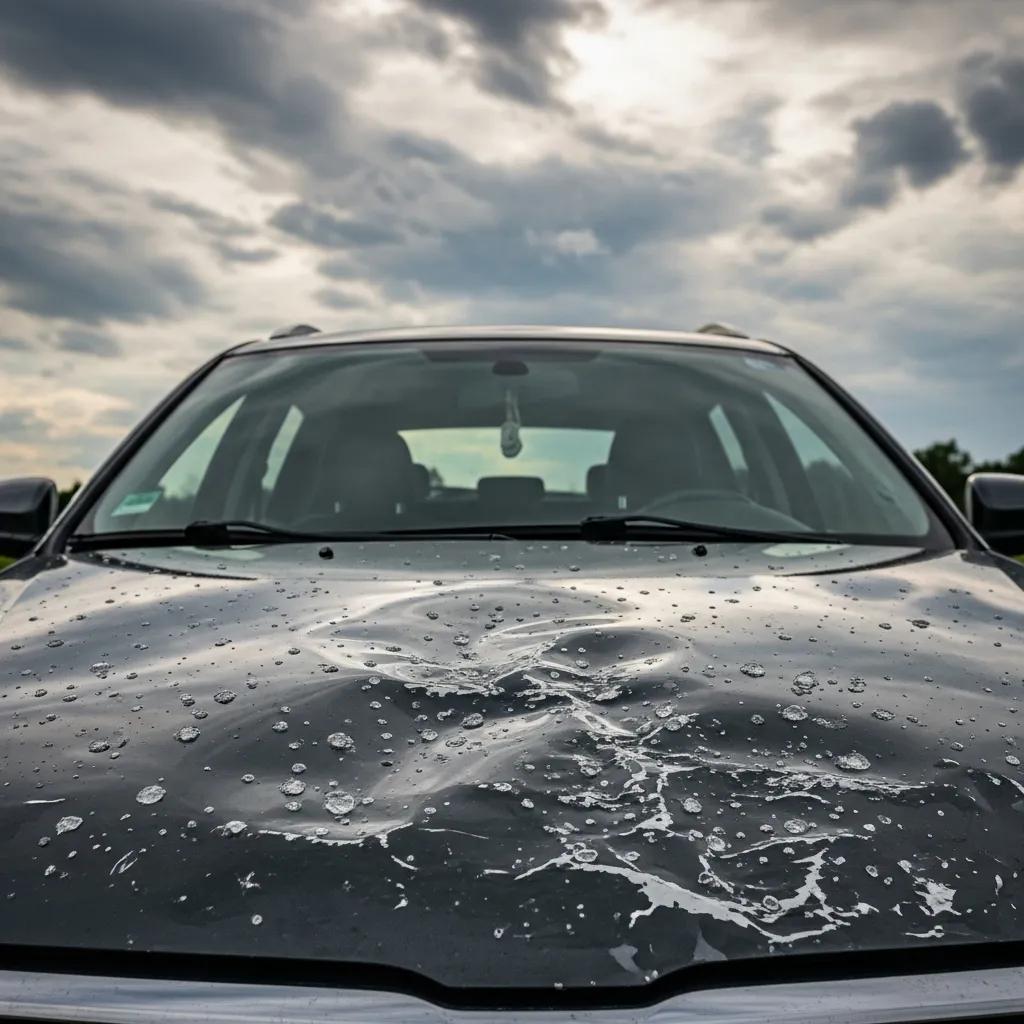
Hail damage is caused by falling ice that dents metal, cracks paint or shatters glass. Those impacts can deform panels, expose bare metal and weaken seals — all of which speed up corrosion and can lead to leaks. Repeated high‑speed strikes transfer energy into the sheet metal and glass, sometimes changing panel fit or door alignment. That’s why a quick inspection and repair reduce long‑term value loss and prevent secondary issues like rust or interior water damage. Prompt photos and documentation also help when you file an insurance claim. Below we break down common damage types and how they affect value and safety.
After a storm, document what you see and get a professional estimate as soon as you can. If you want a local option for an initial inspection and clear guidance, Prime Time Collision Center follows OEM repair standards and offers specialized hail services in Glendale, CA. This quick introduction points you to a trusted local shop while the article explains how to evaluate and repair hail damage.
What Types of Damage Does Hail Cause to Cars?
Hail damage varies with stone size, impact angle and vehicle construction. Typical results include small round dents, creased or folded panels, chipped paint and cracked or broken glass. Horizontal surfaces — hoods, roofs and trunks — are often the worst affected. Creases or stretched metal usually mean the damage is deeper and may require conventional repair. Paint chips expose the metal to moisture and salt, which accelerates rust. Broken glass must be replaced immediately for safety. Knowing these differences helps you determine whether PDR is appropriate or if panel replacement and repainting are needed.
How Does Hail Damage Impact Vehicle Value and Safety?
Visible dents, paint damage or replaced panels lower resale value and can trigger lease return charges. Beyond looks, hail can compromise seals, roof structure or glass and allow water into wiring or electronics, affecting sensors and even airbag mounts. Those problems might be subtle at first but costly later. Proper documentation and OEM‑aligned repairs using approved parts help preserve warranties and buyer confidence. Understanding how value and safety tie to repair methods helps you choose the best route — PDR or conventional restoration — for long‑term peace of mind.
How Does Paintless Dent Repair Restore Hail Damage Effectively?
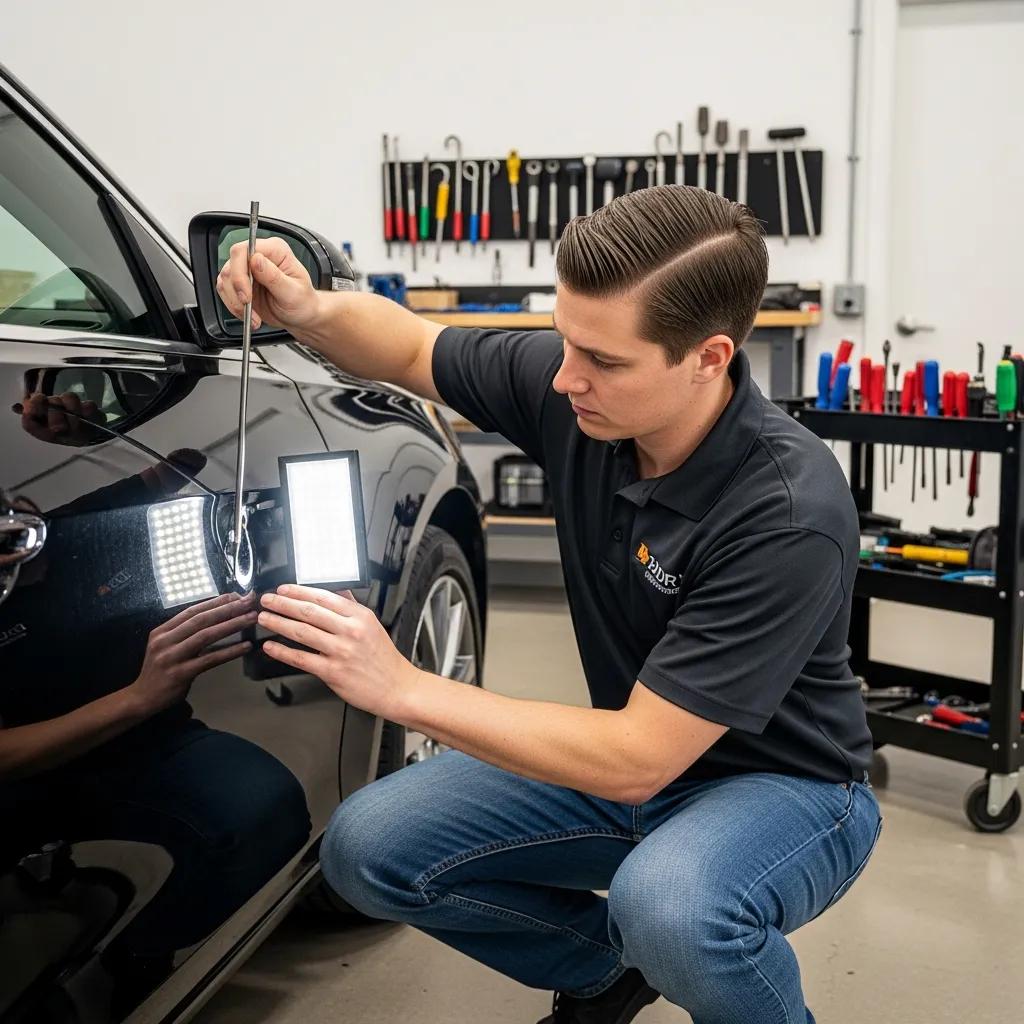
Paintless dent repair (PDR) restores deformed metal by accessing the panel from behind and carefully massaging the metal back into shape without disturbing the factory paint. Because the original finish stays intact, PDR preserves the factory coating and avoids paint mismatch. For many hail repairs, PDR is faster, less invasive and keeps factory tolerances — benefits that protect resale value and simplify insurer approvals when appropriate. The sections that follow describe PDR in plain terms and walk through a typical PDR workflow for hail damage.
PDR requires trained technicians and the right certifications to get consistent results. Shops with documented PDR experience limit the need for repainting, and Prime Time Collision Center lists specialized PDR among its hail services as part of its OEM‑quality approach.
What Is Paintless Dent Repair and Why Is It Ideal for Hail Damage?
PDR returns panels to their factory shape without sanding, filling or repainting, preserving the original paint and clearcoat. It’s ideal for hail damage when the paint surface is intact: there’s no color match risk, the factory finish stays protected, and warranties remain easier to preserve. PDR is usually quicker than panel replacement and repainting and often costs less when the damage is suitable. It also lowers risk to sensors and trim that can be affected during disassembly for conventional repairs.
What Are the Steps Involved in the PDR Process for Hail Damage?
A typical PDR job follows these steps: assess and document every impact, access the panel interior, manipulate the metal with calibrated tools, then inspect under directional light to confirm the contour. Technicians photograph each dent, check paint condition, and choose access points through seams or interior panels. Using rods and controlled pressure, they gradually work the dent out, finishing with fine tools and a quality check. If paint is cracked, metal is overstretched, or there are structural concerns, the shop will recommend conventional repair or part replacement to maintain safety and OEM alignment.
Below is a short comparison to help you weigh PDR against conventional repairs.
| PDR vs Conventional Repair | Paint impact / timeline / warranty implications | Typical outcome |
|---|---|---|
| PDR (paint preserved) | No paint removal; faster (days); keeps factory finish and supports warranty alignment | Best for minor to moderate dents with intact paint |
| Conventional (panel/paint) | Requires paint stripping and blending; longer (days to weeks); may affect warranty if not OEM‑aligned | Needed for stretched metal, chipped paint, or structural damage |
| Hybrid (PDR + touch) | Minimal repainting for chips only; moderate timeline; retains most OEM features | Good when dents are paint‑intact but there are isolated chips |
This comparison shows when PDR preserves the manufacturer finish and when conventional repair is the safer choice to protect warranty and safety.
Why Choose a Certified Hail Repair Shop with I-CAR Platinum Technicians?
Choosing a certified facility means technicians have advanced training and follow documented procedures — which lowers the chance of improper repairs and gives insurers and manufacturers confidence in the work. I‑CAR Platinum certification signals ongoing education, approved tools and processes for OEM‑level restoration. That matters on modern cars with sensors and tight structural tolerances. Certified shops also use quality checks and transparent repair plans, which makes the repair timeline and outcome more predictable for owners and insurers. The next sections explain I‑CAR Platinum and why OEM procedures matter for safety and warranties.
What Does I-CAR Platinum Certification Mean for Your Hail Repair?
I‑CAR Platinum shows a shop invests in technician training and follows industry standards for collision repair, materials and safety systems. For hail work, it reduces the risk of techniques that could alter structural alignment or sensor mounting and gives insurers documented proof that repairs follow trained protocols. Customers benefit from consistent workmanship, clear repair records and a better chance that insurers will approve OEM‑aligned repairs — all important for protecting resale value and warranties.
How Do OEM Certified Repairs Ensure Vehicle Safety and Warranty Preservation?
OEM‑aligned repairs follow manufacturer procedures, use approved parts and maintain factory tolerances for structure and safety systems like airbags and sensors. That adherence helps restore the vehicle to manufacturer specs, preserving warranty eligibility and reducing future liability. Insurers and buyers look for OEM‑aligned documentation when evaluating repairs, so choosing a shop committed to those standards avoids piecemeal fixes that can compromise long‑term safety.
How Can You Navigate Hail Damage Insurance Claims Smoothly?
Hail claims usually follow the same steps: report the loss, document damage with photos, get an estimate, submit paperwork and schedule repairs once approved. Knowing who does what speeds the process and improves the chance of a full restoration. Comprehensive coverage normally includes hail, but deductible choices, repair method approvals and supplement requests (if more damage shows up during repair) affect timing and cost. Good documentation from the start helps avoid delays. The section below answers coverage basics and shows how a repair shop can support you with insurer communication.
Many owners worry whether insurers will approve PDR instead of conventional repair. Working with a shop experienced in adjuster communication and solid documentation increases the odds that OEM‑quality repairs are approved without long disputes.
Does Insurance Cover Hail Damage and What Is the Typical Coverage?
Yes — comprehensive auto insurance typically covers hail because it’s a non‑collision weather loss. Coverage depends on your policy and deductible. After filing, the insurer will review photos and estimates; you should provide timestamps and clear documentation to avoid under‑scoped repairs. Your deductible will influence whether filing a claim makes sense, and multiple claims can affect future premiums depending on the carrier. Knowing these basics helps you decide whether to use insurance or pay out of pocket for minor PDR jobs.
How Does Prime Time Collision Assist with Your Hail Damage Insurance Claim?
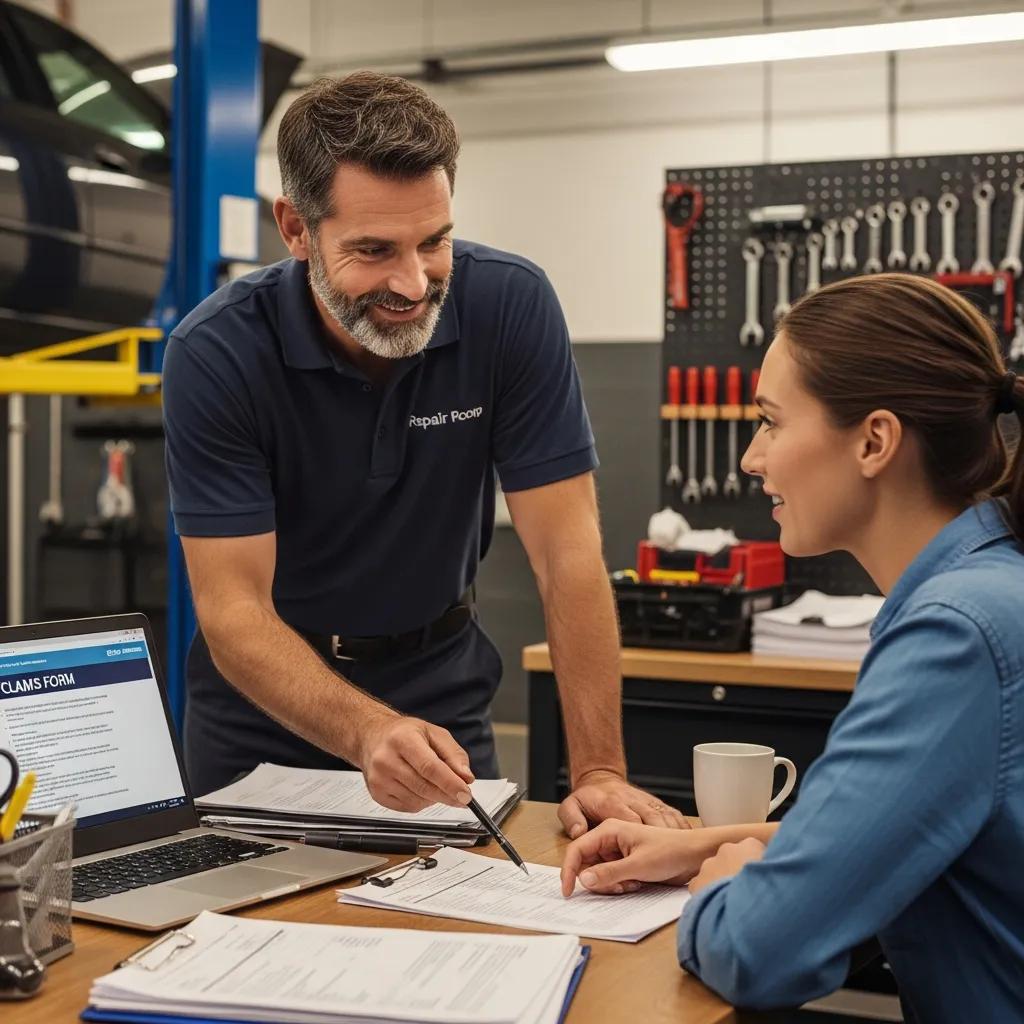
Prime Time Collision Center helps by preparing detailed estimates, photographing all impacts for the adjuster, and speaking directly with insurers to explain why PDR is appropriate — or when OEM replacements are needed. We submit repair plans tied to manufacturer procedures and file supplements if hidden damage appears during disassembly. We also coordinate scheduling once approvals are in, so you understand timelines and final outcomes. This hands‑on support reduces the administrative burden on you and improves the chance of full repair authorization.
To make roles clear during a claim, the table below maps common claim steps, who handles them, and typical timing.
| Claim Step | Who Does It | Expected Outcome / Timing |
|---|---|---|
| Report Loss | Owner | Claim opened with insurer (hours to 48 hours) |
| Estimate & Documentation | Repair shop / Owner | Written estimate and photos sent to adjuster (1–3 days) |
| Adjuster Review | Insurer | Approval, follow‑up questions or onsite inspection (1–7 days) |
| Repair Authorization | Insurer / Shop | Work order issued and schedule set (days) |
| Supplement & Finalization | Shop / Insurer | Additional approvals if needed; final billing (days to weeks) |
Cooperation between you, the shop and the insurer speeds approvals and leads to thorough, accurate repairs.
What Are the Typical Costs of Auto Hail Repair and How Can You Get a Free Estimate?
Costs depend on dent count, which panels are affected, paint condition and vehicle materials. A single panel with minor dents is usually inexpensive with PDR; widespread damage, paint chips or stretched metal raise the price and often require conventional repair. The table below pairs common scenarios with typical repair methods and cost ranges, but remember a physical inspection or remote photo review is the only way to get an exact quote. After the table we cover cost drivers and how to request your free estimate.
| Damage Scenario | Typical Repair Method | Estimated Cost Range |
|---|---|---|
| Minor cluster on one panel (PDR viable) | Paintless Dent Repair on single panel | $150–$600 |
| Multiple panels with widespread dents (PDR across panels) | PDR across several panels; possible blend | $600–$2,000 |
| Severe damage with paint chips, stretched metal | Conventional repair: panel replacement + repaint | $2,000–$6,000+ |
These ranges give you a starting point, but a free estimate is the only way to confirm exact pricing for your vehicle.
What Factors Influence the Cost of Hail Damage Repair?
Final cost depends on how many panels are damaged, how easy it is to reach the back of the dents, whether paint is cracked, and whether the vehicle uses materials like aluminum that require special handling. Luxury or sensor‑heavy cars often need extra calibration or OEM parts, which adds cost. Tight seams, welded panels and regional labor rates also affect timelines and invoices. Knowing these variables helps you set realistic expectations before booking repairs.
Use this checklist when preparing for an estimate so the shop can give you an accurate number.
- Bring clear photos of all visible hail impacts taken soon after the storm.
- Have your insurance carrier and deductible information available to speed claim processing.
- Share vehicle details (make, model, year) and any driver‑assist features that might affect repairs.
- Ask if the shop documents OEM repair procedures and offers written warranties on their work.
How to Request a Free Hail Damage Repair Estimate at Prime Time Collision Center?
To request a free estimate, gather photos of the damage, note your insurance carrier and policy details, and choose a remote photo review or an in‑shop inspection. Prime Time Collision Center offers both and will evaluate whether PDR is a good fit during the assessment. Our technicians document each damage point, recommend PDR or conventional repair and explain how we submit estimates to insurers and the expected timeline. You’ll receive a clear, itemized estimate that lists panels, methods and duration — useful for claim submission and authorization. Scheduling an estimate soon after a storm preserves documentation for insurers and speeds approval.
If you want a quick idea before the visit, check for paint cracking or creases — those signs usually mean PDR isn’t the right fix. The estimator will confirm the best approach and recommend next steps.
What Makes Prime Time Collision Center the Trusted Choice for Vehicle Storm Damage Repair in Glendale, CA?
Prime Time Collision Center is a local Glendale shop focused on OEM‑quality repairs, specialized PDR for hail and hands‑on insurance support to restore vehicles safely and protect value. We emphasize I‑CAR training and PDR expertise so our technicians follow documented repair processes for today’s vehicles, and we work with insurers to streamline approvals and scheduling. Choosing a certified, local facility gives you transparent estimates, documented repair plans and guided help through the claims process — services that reduce surprises and protect your vehicle over the long term. Below we highlight how our experience helps and what customers commonly praise about our hail services.
How Does Over 15 Years of Experience Benefit Your Hail Damage Repair?
Fifteen-plus years in collision and hail repair means more accurate damage assessments, clearer insurer negotiations and repeatable processes that cut rework and delays. Experienced teams spot when PDR will succeed versus when OEM replacement is required, which improves cost predictability and preserves factory tolerances. That institutional knowledge also speeds sensor calibrations and creates documentation insurers recognize, increasing the chance of full authorization. An experienced shop reduces the risk of hidden problems and delivers consistent, documented results.
What Do Customers Say About Our Certified Hail Repair Services?
Customers regularly applaud clear communication, high‑quality finishes and help with insurance logistics when working with a certified hail repair provider. Testimonials often mention prompt estimates, thorough documentation and attention to OEM standards. Before‑and‑after photos and repair records allow prospective clients to judge visual results and workmanship. For owners focused on warranty protection and resale, feedback about OEM adherence is especially reassuring. If you’d like a professional inspection and a free estimate after hail, Prime Time Collision Center will guide you through the process with insurer‑ready documentation and OEM repair practices.
- Quality Finish: Customers report results that match factory appearance and leave minimal visual evidence after PDR or OEM repairs.
- Claims Help: Many owners value our documentation and our direct communication with insurers.
- Transparent Estimates: Clear, itemized estimates make final bills easier to understand.
These themes reflect what owners prioritize when restoring a vehicle after storm damage and help you make a confident repair decision.
Frequently Asked Questions
What should I do immediately after a hailstorm to assess my vehicle‘s damage?
Start by photographing every panel and close‑up shots of dents, chips and broken glass. Save timestamps and any weather alerts you have. Check for obvious leaks, misaligned doors or damaged seals. That documentation is key for insurance. If you’re unsure about the full extent of the damage, bring the photos to a certified repair shop for a quick evaluation.
How can I determine if my vehicle is a candidate for paintless dent repair (PDR)?
PDR works best when paint is intact and dents are minor to moderate — no sharp creases or stretched metal. If the paint is cracked or the panel is folded, conventional repair is usually required. A trained technician can assess the damage and tell you whether PDR is a reliable, cost‑effective option.
What are the benefits of choosing a certified repair shop for hail damage?
A certified shop, such as one with I‑CAR Platinum credentials, demonstrates technician training and adherence to industry standards. Certification means a higher likelihood of correct repairs that protect structural integrity and safety systems. Certified shops provide documented procedures that help preserve warranties and simplify insurance claims, giving you added confidence in the repair outcome.
How long does the hail damage repair process typically take?
Timing depends on damage severity and repair method. PDR for minor to moderate hail damage often takes a few days. Conventional repairs that require part replacement and repainting can take several days to a few weeks, depending on parts availability and complexity. Your repair advisor will give a clearer timeline after inspection.
Will my insurance cover the cost of hail damage repairs?
Comprehensive insurance usually covers hail since it’s a weather‑related loss, but coverage depends on your policy and deductible. Provide clear photos and written estimates when filing. Review your deductible and consider whether filing a claim is worthwhile for smaller jobs — sometimes paying out of pocket for minor PDR is the simpler option.
What should I look for in a hail damage repair estimate?
Look for an itemized estimate that lists damaged panels, the proposed repair method (PDR or conventional), parts and labor, and any warranties. Confirm the shop follows OEM repair procedures and uses approved parts when necessary. A transparent estimate helps you avoid surprises and makes insurer review smoother.
How can I prepare for my hail damage repair appointment?
Bring your insurance details, photos of the damage and your vehicle information (make, model, year). Note any driver‑assist features that might need calibration. Ask the shop about their experience with hail repairs, their warranty and whether they document OEM procedures. Arriving prepared speeds the estimate and claim process.
Conclusion
Fixing hail damage preserves your car’s value and safety. When PDR is an option, it’s often the quickest, least invasive fix; when conventional repair is required, OEM‑aligned work protects long‑term performance. Prime Time Collision Center is here to guide you through assessment, insurance and repair with clear estimates and certified workmanship. Contact us for a free estimate and let our team help you get back on the road confidently.