
How to Choose the Best Auto Body Shop: Your Guide to Reliable Collision Repair and Honest Service
After an accident, the shop you pick affects more than cosmetics — it affects safety, resale value, and how much hassle you’ll face. This guide walks you through the things that matter most: certifications, the insurance claims process, how to spot a reputable shop, and why OEM parts often make the difference. We’ll also explain why Prime Time Collision Center is a trusted local option for quality collision repairs. Read on and you’ll feel confident choosing the right shop for your vehicle.
What Certifications Should You Look for in an Auto Body Shop?

Certifications are a practical way to judge a shop’s skill and commitment. Credentials like I-CAR Platinum and ASE mean technicians have completed structured training and follow industry standards. Those badges don’t guarantee perfection, but they do show the shop invests in proper training and keeps up with current repair practices — which helps protect your car and your peace of mind.
Around the world, different systems aim to raise repair standards and ensure consistent quality.
Global Approaches to High-Quality Auto Body Repair
Researchers compared systems such as the U.S. model of specialized repair shops, Germany’s Vehicle Technician Meister training, and Japan’s recognition programs. These approaches were identified as useful references when considering improvements to national repair standards; the authors recommend further study to evaluate how such systems perform in different contexts.
해외 자동차정비제도 현황 분석을 통한 국내 제도 개선방안 연구, 2020
Why Are I-CAR Platinum and ASE Certifications Important?
I-CAR Platinum and ASE are practical signals that technicians know current safety and repair methods. I-CAR Platinum shows advanced, collision-specific training; ASE confirms competence across vehicle systems. Together, they indicate a shop that trains its staff and follows recognized procedures — which usually leads to better, safer repairs and more satisfied customers.
The ASE certification process sets out clear program standards and evaluation procedures for training providers.
ASE Certification Standards for Technician Training
This publication outlines the policies, procedures, and standards a training program must meet to earn ASE recognition. It covers the certification areas, minimum requirements, evaluation team roles, task lists, required tools and equipment, and ten program standards — from instruction and facilities to student services and cooperative agreements.
TITLE ASE Program Certification Standards for Collision Repair & Refinish Technician Training Programs. INSTITUTION National Automotive Technicians Education …, 1993
How Do OEM Certifications Impact Repair Quality?
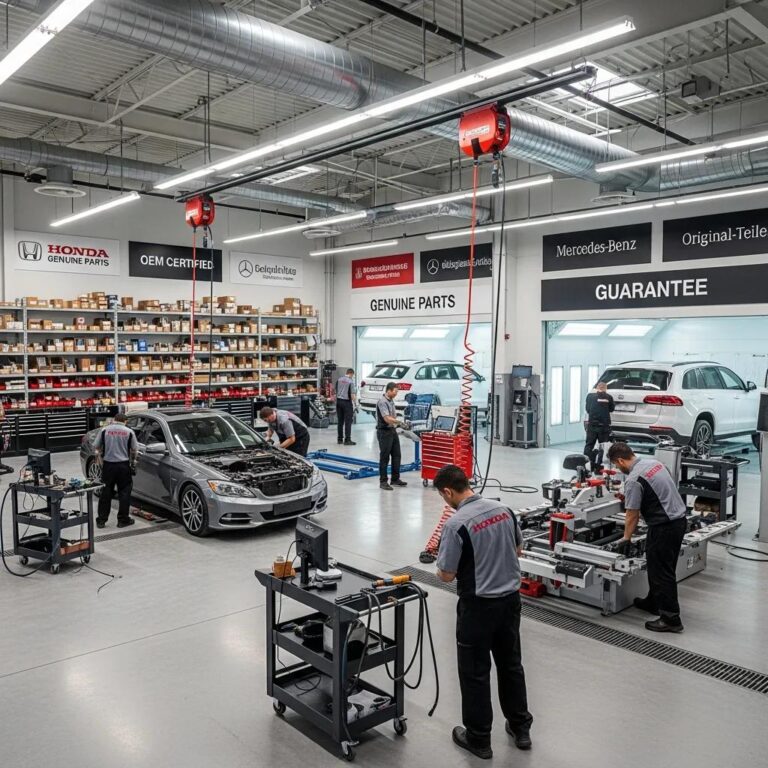
OEM (Original Equipment Manufacturer) certifications and approvals matter because they show a shop follows the maker’s repair guidelines and uses recommended parts. OEM parts are made for your exact make and model, so they fit correctly and help preserve safety systems. When a shop is OEM-approved, you’ve got an added layer of assurance that repairs meet manufacturer expectations.
How to Navigate the Auto Body Shop Insurance Claims Process
Filing an insurance claim can feel overwhelming, but understanding the basic steps will cut stress and speed repairs. Many shops help customers through the process, working with insurers and arranging estimates so your car spends less time waiting for approvals.
What Steps Are Involved in Filing an Insurance Claim?
- Initial Contact: Call your insurance company to report the accident and open a claim.
- Documentation: Take clear photos of damage, keep police reports, and note any witness information.
- Claim Submission: Send your insurer the documentation and any required forms so they can review your claim.
Following these steps keeps the claim moving and helps get your repairs approved sooner.
How Does a Shop Work with Insurance Companies to Assist You?
Many reputable shops have established relationships with insurers and participate in direct repair programs. That means they can coordinate estimates, communicate with your adjuster, and help negotiate approvals — reducing back-and-forth and getting your car repaired faster. Ask your shop how they handle insurance so you know what to expect.
Direct repair programs are designed to streamline claims and speed up the repair cycle for both customers and insurers.
Insurance Direct Repair Programs & Claims Efficiency
Direct repair programs contract with selected body shops to perform insured repairs. These arrangements aim to lower transaction costs and speed up claim handling by standardizing processes between insurers and approved shops.
Automobile insurance vehicle repair practices: Politics, economics, and consumer interests, C Cole, 2015
What Key Qualities Define a Reputable Collision Repair Shop?
A reliable collision shop combines technical skill with transparent service. Look for clear estimates, trained technicians, documented warranties, and consistent positive feedback from customers. These signals help you avoid surprises and get repairs done right the first time.
Why Is a Lifetime Warranty on Repairs Essential?
A lifetime warranty shows a shop stands behind its work. It gives you confidence that if something goes wrong after repair, the shop will make it right at no extra cost. Always read the warranty terms so you understand what’s covered and for how long — policies can vary between shops.
How Do Customer Reviews and Ratings Reflect Shop Reliability?

Online reviews and ratings give you a quick sense of how a shop treats customers and handles repairs. Look for consistent, detailed feedback across platforms like Google and Yelp. A high volume of positive reviews is a stronger signal than a few isolated comments.
Why Are OEM Parts Crucial for Your Vehicle’s Collision Repair?
Choosing OEM parts helps preserve your vehicle’s safety features, fit, and performance. Because they’re built to factory specifications, OEM parts often result in cleaner repairs and better long-term reliability — which matters for both safety and resale value.
What Are the Benefits of Using Genuine OEM Parts?
- Quality Assurance: OEM parts match the original specifications for dependable performance.
- Perfect Fit: Designed for your make and model, they reduce fit and alignment issues.
- Manufacturer Support: OEM parts typically come with warranty coverage and technical backing from the maker.
For those reasons, many shops and owners prefer OEM parts for collision repairs.
How Do OEM Parts Affect Vehicle Safety and Resale Value?
Repairs done with OEM parts help maintain the vehicle’s original safety characteristics and structural fit. Buyers and insurers often prefer vehicles repaired with OEM components, which can preserve resale value and make the car easier to sell down the road.
How Does Prime Time Collision Center Stand Out as Your Trusted Local Choice?
Prime Time Collision Center is a family‑owned auto body shop in Glendale, CA with more than 15 years serving local drivers. We focus on quality repairs, clear communication, and fair pricing — the kind of service you’d expect from a shop that treats customers like neighbors.
What Makes Our I-CAR Platinum Certified Technicians Exceptional?
Our technicians hold I‑CAR Platinum certifications, which means they complete advanced, ongoing training in collision repair and vehicle safety. That training helps us follow current repair procedures and deliver consistent, safe results for every vehicle we handle.
How Do Our Family Tradition and Customer Satisfaction Build Trust?
As a family business, we treat customer service as a long-term commitment. Our 5‑star reviews on Yelp and Google reflect that approach — we work to make the repair process straightforward and respectful. Building trust with each customer is how we’ve grown and stayed local for years.
The certifications our team holds help ensure repairs meet recognized standards and give you confidence that your vehicle is in qualified hands.
In short, choose a shop that prioritizes certifications, understands insurance workflows, and offers transparent service. Those priorities protect your vehicle and make the repair experience smoother.
Frequently Asked Questions
What should I consider when comparing auto body shops?
Compare certifications, customer reviews, warranty coverage, and the type of parts used. Look for shops with I‑CAR Platinum or ASE-trained technicians, clear written estimates, and a strong record of customer feedback. A solid warranty and use of OEM parts are also good signs of quality work.
How can I ensure my auto body repairs are covered by insurance?
Start by reporting the accident to your insurer and opening a claim. Collect photos and any police reports, then share those with your adjuster and chosen shop. Pick a shop that communicates with your insurer — many shops will help submit estimates and speed approvals. Always confirm coverage details with your insurance company before work begins.
What is the typical timeline for auto body repairs?
Repair time depends on damage severity, parts availability, and the shop’s schedule. Minor jobs can take a few days; major collision work may take several weeks. Ask your shop for an estimated timeline and updates — clear communication helps manage expectations.
Are there any hidden costs I should be aware of?
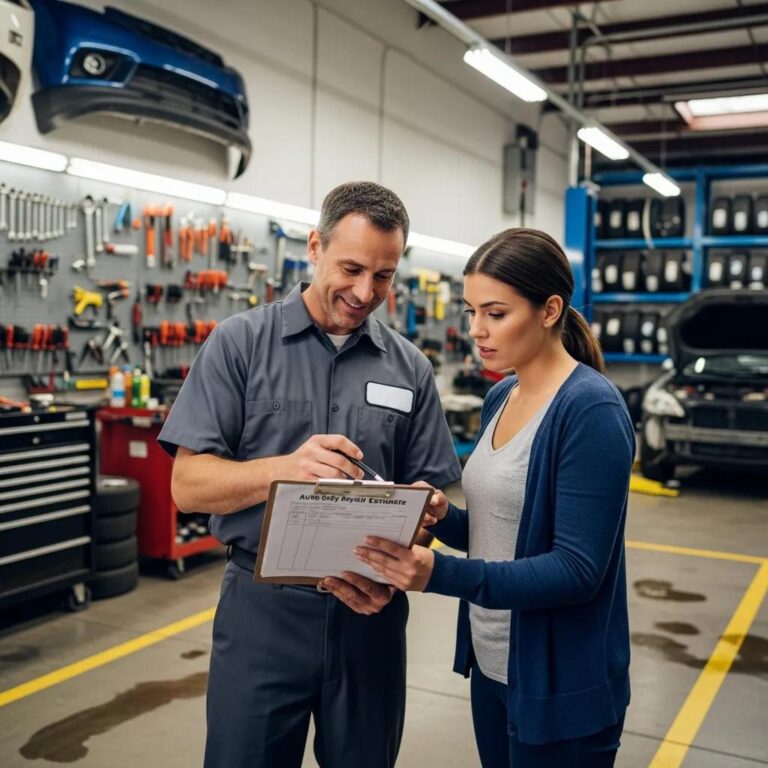
Ask for a detailed written estimate that lists labor, parts, paint, and any potential additional services like frame work or paint matching. Confirm who pays for rental cars, disposal fees, or unexpected parts orders. Getting everything in writing reduces the chance of surprises.
How can I verify the quality of an auto body shop’s work?
Check certifications, read customer reviews, and ask to see before-and-after photos or references. Reputable shops should be willing to explain their processes and share examples of completed repairs.
What should I do if I’m not satisfied with the repairs?
First, talk directly with the shop and explain your concerns. Reputable shops will address problems promptly. If the issue isn’t resolved, refer to your repair warranty and keep records of all communications. You can also contact the Better Business Bureau or your local consumer protection agency if needed.
Conclusion
Choosing the right auto body shop matters for your vehicle’s safety, value, and your own convenience. Prioritize certified technicians, clear communication on insurance, transparent estimates, and warranty protection. At Prime Time Collision Center, our trained technicians and family-first service make us a dependable local choice. Ready to get started? Explore our services and let us take care of your repair needs.