

How to File a GEICO Car Insurance Claim: A clear, step‑by‑step guide for handling a GEICO car accident claim
Dealing with a car crash is stressful — filing a GEICO claim doesn’t have to be. This guide walks you through the claim process, the first things to do at the scene, how to file with GEICO, what to expect from adjusters, and your right to pick the repair shop. You’ll also learn why OEM‑level repairs matter for safety and resale value, which documents GEICO usually wants, and answers to common questions about timelines and rate impact. Along the way we offer practical tips for preserving evidence, communicating with adjusters, and getting your vehicle repaired safely and efficiently. Read on for straightforward steps and checklists that prepare you to file your GEICO claim with confidence.
What Are the Immediate Steps to Take After a GEICO Car Accident?
Right after an accident, the actions you take protect people, preserve evidence, and make filing your GEICO claim smoother. First, make sure everyone is safe and call 911 if there are injuries. If it’s safe, move vehicles out of traffic and turn on hazard lights. Take thorough photos and video from several angles showing damage, the surrounding roadway, and any signs or signals. Exchange names, phone numbers, insurance details, vehicle information, and license plate numbers with the other drivers. Contact GEICO as soon as you can to open a claim and get a claim number. Save any physical evidence (broken parts, for example) and witness contact info — those items help your adjuster and speed up the process.
How Do You Prioritize Safety and Well-being After an Accident?
Safety comes first: check yourself and others for injuries and call 911 if anyone needs medical help. Getting checked by a medical professional protects your health and creates important documentation for any injury claim. If everyone can move safely, pull to a safe spot and use hazard lights; set warning triangles or flares if local rules recommend them. Photograph any visible injuries with time‑stamped images and seek medical care even for minor symptoms — some injuries show up later, and early records matter. Once health is addressed, you can focus on collecting the scene and contact details that support your claim.
What Information Should You Exchange and How to Contact Authorities?
Collect accurate information at the scene to avoid delays with GEICO: exchange names, phone numbers, insurer names and policy numbers, vehicle makes and license plates, and driver’s license numbers. If you can, photograph VINs or registration, take close and wide shots of damage, and get witness names and phone numbers so their statements can be added later. Call the police when required by law, if anyone is injured, or if there’s significant damage — an official report is often helpful for GEICO’s investigation. With contact details and any police report number in hand, notify GEICO and gather your documentation for the adjuster.
How Does the GEICO Car Insurance Claim Process Work?
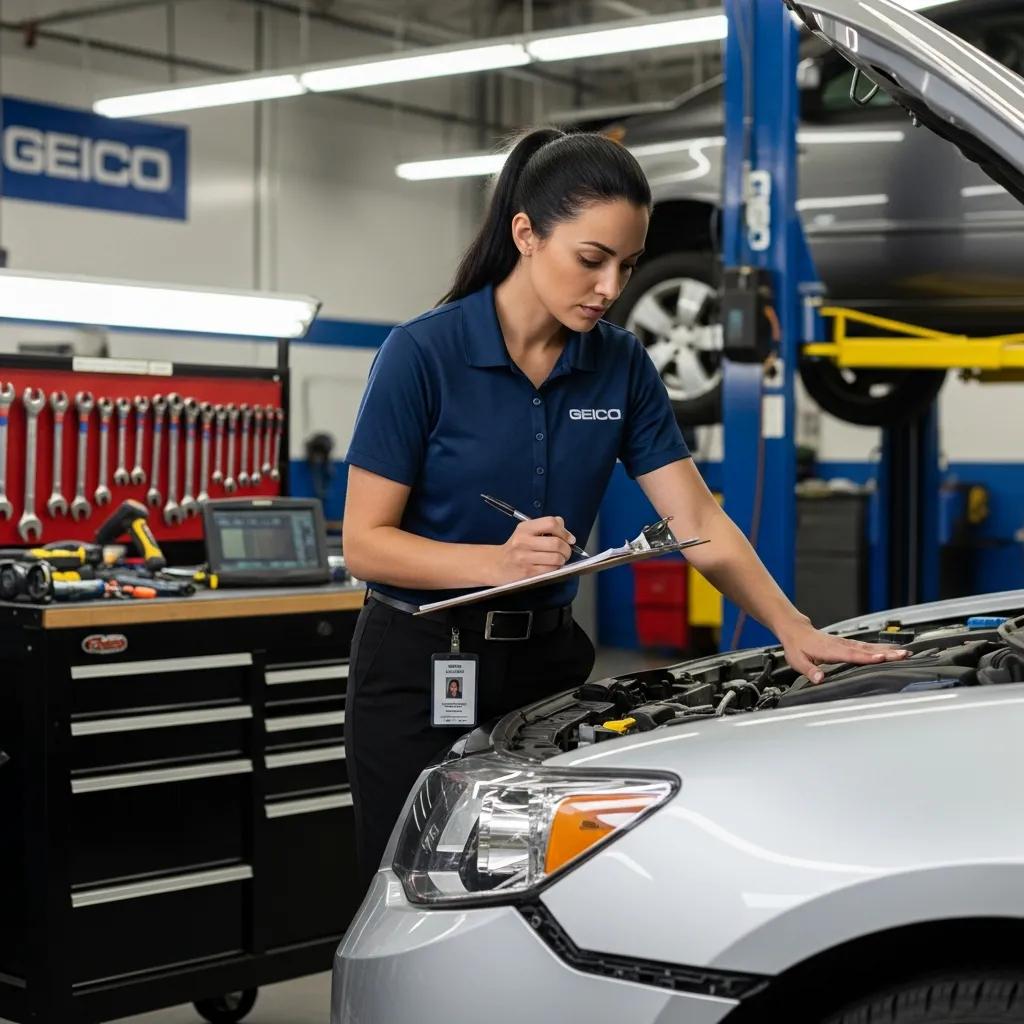
Filing a GEICO claim starts the intake process, then an adjuster is assigned to inspect damage and create an estimate, and finally GEICO authorizes repairs or issues a settlement based on that assessment. After you file, an adjuster reviews your photos and reports, inspects the vehicle (in person or virtually), and prepares the estimate that determines repair authorization or payment. Good communication between you, the adjuster, and your chosen repair shop clears up questions about parts, procedures, and any necessary ADAS recalibration, and it sets realistic timelines for parts and repair completion. Knowing each step — intake, estimate, authorization — helps you avoid surprises and plan for how long repairs may take.
| GEICO Filing Method | Typical Speed | Documentation & Follow-up |
|---|---|---|
| GEICO mobile app | Fastest for photos and immediate updates | Upload photos, attach police report if available, receive a claim number quickly |
| GEICO online portal | Fast for desktop users | Attach detailed files and larger photos; useful for longer descriptions |
| Phone filing with agent | Helpful for complex or emotional situations | Verbal intake with follow‑up confirmations by email or mail; may take longer to get documents |
Mobile and online filing are best for quick, photo‑driven intake, while phone filing gives you a person to walk you through tougher situations. Below we break down each option and what to expect from your adjuster.
What Are the Available GEICO Claim Filing Methods: Online, App, and Phone?
GEICO gives you three main ways to file: the mobile app, the online portal, and by phone. The app is great for quick claims because you can upload photos and get updates right away. The online portal is convenient if you prefer a desktop for attaching larger files and writing a detailed description. Filing by phone connects you with a representative who can guide you through complicated or upsetting incidents, though you might need to upload photos afterward. Pick the method that lets you submit clear photos and paperwork quickly so your claim moves to adjuster review without delay.
What Should You Expect from a GEICO Claims Adjuster During Investigation and Damage Assessment?
Your assigned GEICO adjuster will inspect the damage, review your documents, and prepare an estimate that serves as the basis for repair authorization or settlement. They’ll likely request photos, any police report, witness statements, and repair shop estimates. Depending on the case, the adjuster may inspect the vehicle in person or perform a virtual inspection. If additional damage shows up during repairs, ask for a re‑inspection or submit supplemental documentation so the estimate can be updated. Clear, timely communication with the adjuster and your repair shop helps resolve issues quickly and keeps the claim moving.
| Filing Option | Best for | Common Follow-up |
|---|---|---|
| Mobile app | Quick, photo-based claims | In-app updates from the adjuster; quick claim number |
| Online portal | Detailed submissions | Email confirmations and structured uploads |
| Phone | Complex or emotional incidents | Representative notes and requested document uploads |
Each filing channel balances speed and detail differently — choose the one that fits your situation and helps you provide clear evidence to the adjuster.
What Is Your Right to Choose an Auto Body Shop with GEICO Claims?
You have the right to choose the repair shop that works on your vehicle when you file a GEICO claim. While GEICO runs programs like Auto Repair Xpress for convenience, you’re not required to use a network shop. Picking the right shop affects repair quality, parts selection, and how well the shop coordinates with your adjuster. Look for shops that can use OEM parts when needed, employ certified technicians, offer solid warranties, and communicate directly with insurers. Knowing you can choose the shop lets you prioritize safety and long‑term value when authorizing repairs under a GEICO claim.
| Repair Model | Consumer Control | Parts & Certification | Warranty & Transparency |
|---|---|---|---|
| GEICO Auto Repair Xpress | Streamlined process; may suggest shops | Often uses network‑approved parts | Standardized workflow; communication detail varies |
| Independent body shop | More control over shop choice | Can prioritize OEM parts and certified procedures | Often clearer, direct customer communication |
| Independent OEM-focused shop | Full control for OEM repairs | Follows manufacturer procedures and ADAS recalibration | Provides thorough documentation for insurers |
Many owners choose an independent or OEM‑focused shop for documented, high‑quality repairs. Prime Time Collision Center offers free estimates, 24/7 towing, I‑CAR Platinum technicians, and a lifetime warranty — all of which help when coordinating with GEICO and protecting your vehicle’s value. We serve Glendale and nearby communities and can prepare estimates and work with adjusters to keep your claim moving.
Why Are OEM Certified Repairs Important for Your GEICO Collision Repair?
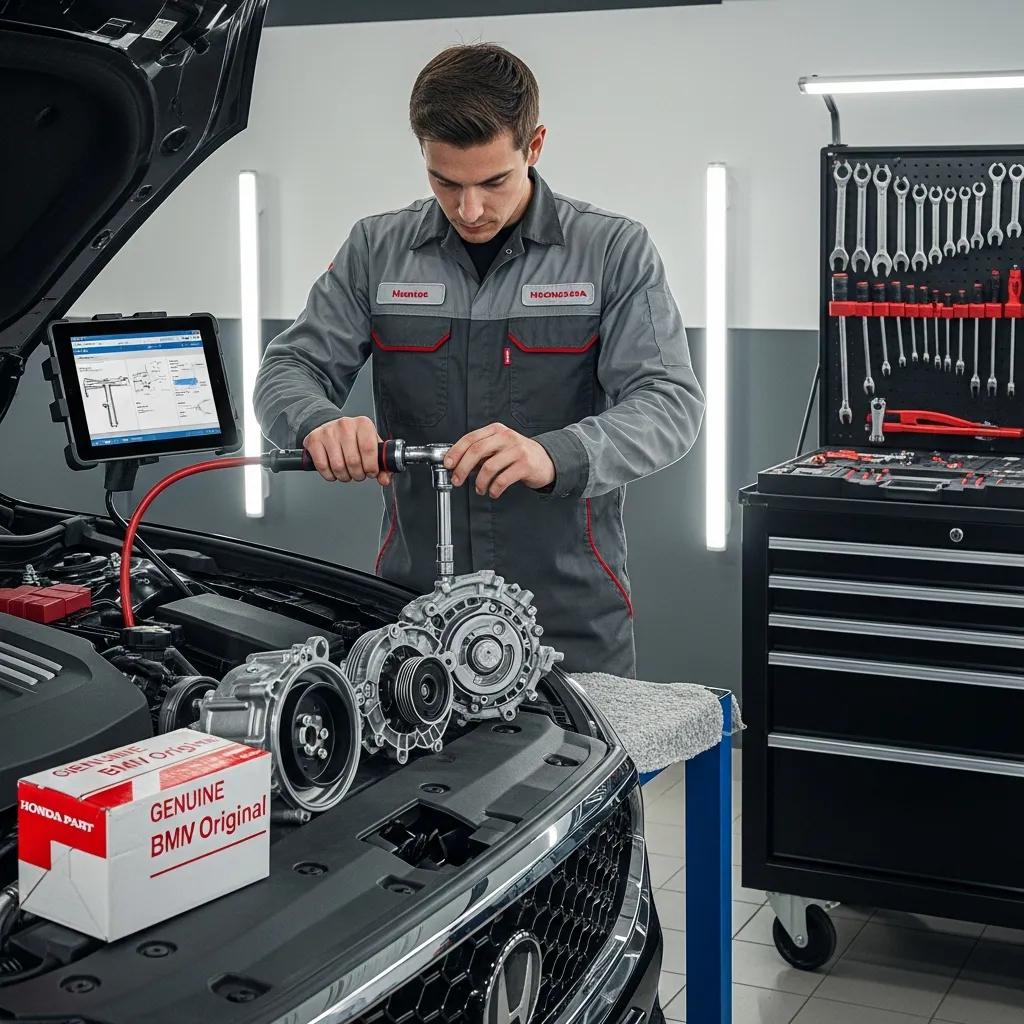
OEM‑certified repairs follow manufacturer instructions and use approved parts so structural integrity, safety systems, and ADAS performance are restored after a collision. Repairing to OEM standards helps maintain crashworthiness and sensor accuracy, reducing the risk of post‑repair problems and protecting long‑term value and passenger safety. For GEICO claims, documentation showing OEM or industry‑standard repairs supports full restoration and can affect decisions about parts and authorizations. Knowing how OEM procedures link to safety and value helps you choose a repair provider that can meet technical requirements and provide the paperwork your adjuster needs.
| Certification Type | Safety/Value Attribute | Owner Benefit |
|---|---|---|
| I-CAR Platinum training | Technician competency in modern collision repair | Higher confidence in repair quality and fit |
| OEM procedure compliance | Structural integrity and ADAS restoration | Preserves crashworthiness and sensor function |
| Manufacturer parts | Exact-fit components | Supports resale value and prevents fit issues |
This table shows how certifications and procedures translate into tangible safety and ownership benefits. Below we define OEM repairs and their direct advantages.
What Are OEM Certified Repairs and Their Benefits for Vehicle Safety and Value?
OEM‑certified repairs follow manufacturer repair manuals, use specified fasteners and adhesives, and include required recalibrations for systems like lane‑keep assist or adaptive cruise control. That attention to procedure helps the vehicle perform as designed after repair, preserves structural integrity, and reduces the chance of hidden damage causing future problems. From an owner’s perspective, OEM repairs support resale value and can help meet warranty or manufacturer requirements because they’re documented and manufacturer‑compliant. For cars with modern safety systems, OEM‑level repairs are a sound long‑term choice.
Which OEM and Industry Certifications Does Prime Time Collision Center Hold?
Prime Time Collision Center employs I‑CAR Platinum certified technicians, which reflects advanced training in collision repair methods and industry procedures needed for structural and ADAS work. I‑CAR Platinum shows our commitment to ongoing education so repairs follow manufacturer expectations and safety protocols. We also provide services that make claims easier — free estimates, 24/7 towing assistance, and a lifetime warranty on repairs — which help customers document and coordinate work with GEICO. If you need confirmation of any additional OEM‑specific certifications for your vehicle, ask and we’ll provide the details for the adjuster.
What Documentation Is Required for a Smooth GEICO Car Insurance Claim?
A smooth GEICO claim depends on clear, organized documentation that proves the incident, damage, and any related medical or repair costs. Key items include the police report (when applicable), multiple photos of damage with timestamps, proof of insurance and registration, driver contact information, and medical records or receipts for treatment. Repair documents — a written estimate, parts lists, and technician notes about necessary calibrations — are critical for the adjuster to authorize work. Preparing and labeling these files ahead of time shortens review cycles and reduces back‑and‑forth.
The essential documents below help GEICO process claims efficiently:
- Police report or incident number, if available.
- Multiple dated photos and videos of damage and scene context.
- Proof of insurance, vehicle registration, and driver’s license.
- Estimates or invoices for towing, emergency repairs, and medical treatment.
Gathering these items ahead of time cuts down processing delays and leads into how your repair shop can help with paperwork and adjuster coordination.
What Essential Documents Should You Prepare for Your GEICO Claim?
Compile the police report, sharp photos of the damage and surroundings, copies of your insurance card and registration, and contact details for other drivers and witnesses. Keep receipts for towing, rental cars, and any emergency work, and collect medical records if there were injuries. Name digital files clearly with dates to make uploads to GEICO’s portal or emails to the adjuster simple, and keep physical copies in case an in‑person review is needed. Well‑organized documentation reduces misunderstandings and speeds settlement and repair approval.
How Does Prime Time Collision Center Assist with Claim Documentation?
Prime Time Collision Center provides free estimates and prepares clear, itemized documentation for adjusters that lists repair scope, parts, and technician notes — including any required ADAS recalibration. When you authorize repairs, we coordinate with GEICO adjusters, sharing photos and written estimates to minimize back‑and‑forth and help secure timely authorization. We also offer towing assistance and proactive timeline updates so you can manage logistics while the claim progresses. Our lifetime warranty adds long‑term assurance for the work. These services are designed to support your claim without taking away your right to pick the shop you trust.
Frequently Asked Questions
What Should You Do If Your Claim Is Denied?
If GEICO denies your claim, review the denial letter carefully to see why. Common reasons include missing documentation, policy exclusions, or missed deadlines. You can appeal — gather additional evidence or documents that address the denial and submit a formal appeal to GEICO. It often helps to involve your repair shop or consult a legal advisor to strengthen your case and navigate the appeals process.
Can You File a Claim for Non-Collision Incidents?
Yes. Non‑collision incidents — theft, vandalism, or weather damage — are usually filed under comprehensive coverage, separate from collision coverage. When filing a comprehensive claim, provide photos, a police report if appropriate, and receipts. Know your policy limits and deductible for comprehensive claims, since they affect out‑of‑pocket costs and the approval process.
How Can You Track the Status of Your GEICO Claim?
You can track your GEICO claim in the mobile app or online portal, where you’ll see updates, messages from your adjuster, and progress on the claim. You can also call GEICO customer service for real‑time updates — have your claim number handy to speed things up. Regular check‑ins help you stay informed and quickly address any missing information.
What Happens If You Disagree with the Adjuster’s Estimate?
If you disagree with an adjuster’s estimate, start by discussing the issues directly with the adjuster and providing any additional evidence. You can get a second opinion from a trusted repair shop and submit that estimate for comparison. Keep written records of all communications. If you can’t reach an agreement, ask GEICO about escalating the dispute or pursuing mediation.
Are There Time Limits for Filing a GEICO Claim?
Yes — time limits vary by state and by your policy. Generally, report an accident to GEICO as soon as possible, ideally within a few days. Some states set statutes of limitations for filing claims that range from one to three years. Check your policy and contact GEICO to confirm important deadlines so you avoid complications.
What Should You Do If You Experience Delays in Your Claim?
If your claim is delayed, contact your adjuster for an update and ask what’s outstanding. Delays can result from missing documents, high claim volumes, or additional investigation needs. Keep communicating with both the adjuster and your repair shop, submit requested items promptly, and if problems persist, escalate to a supervisor or use GEICO’s customer service channels to seek resolution.
How Long Does the GEICO Claim Process Typically Take?
Minor claims with simple damage are often resolved in days to a few weeks — estimates, parts, and approvals tend to be straightforward. More complex claims that need structural repairs, hard‑to‑find parts, or ADAS recalibration can take several weeks or longer. The main variables are adjuster workload, parts lead times, and any supplemental damage discovered during repairs. Providing prompt documentation and staying in contact with your repair shop and adjuster shortens the timeline and helps you get realistic completion updates.
Will Filing a GEICO Claim Affect Your Insurance Rates?
Filing a claim can affect your rates depending on fault, claim frequency, and your specific policy — but it’s not an automatic rate increase for every claim. Comprehensive or not‑at‑fault claims may have different effects than at‑fault collision claims. Your driving history, the nature of the claim, and state rules all play a role. Talk with GEICO for specifics about possible premium changes, and discuss options with your adjuster and repair shop if you’re concerned about rate impact.
Prime Time Collision Center can support you through many stages of a GEICO claim: free estimates, direct communication with adjusters, towing coordination, and documented OEM‑compliant repair procedures to help secure authorization. To schedule a free estimate or get help with your GEICO claim, call us at (818) 396-4997 or visit one of our Glendale locations. Clear documentation and steady communication make the claims process smoother.
Conclusion
Handling a GEICO car insurance claim is easier when you know the steps, your rights, and what documentation to gather. With the right information and a shop that coordinates closely with adjusters, you can protect your vehicle’s safety and value. If you’d like hands‑on help, Prime Time Collision Center offers free estimates and expert support through your claim. Contact us to take the next step toward a smooth, hassle‑free repair experience.