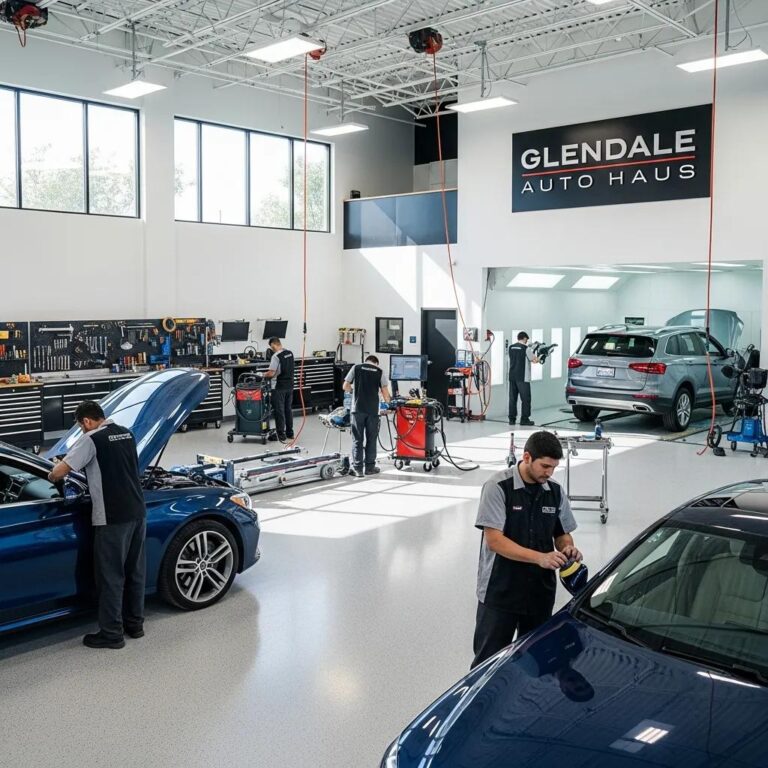


How to File an Auto Insurance Claim Successfully: Complete Step-by-Step Guide
An accident is stressful — filing the insurance claim that follows doesn’t have to be. This guide walks you through every step, from what to do at the scene to how to appeal a denied claim, so you can move forward with confidence. Along the way we’ll explain why choosing the right collision shop matters and how a trusted partner like Prime Time Collision Center can make the process smoother with OEM-quality repairs and insurance support.
What Are the Immediate Steps to Take After a Car Accident?
Right after a crash, quick, calm actions protect your safety and your claim. The choices you make at the scene can affect repairs, medical care, and how smoothly your claim goes.
How Do You Prioritize Safety and Well-being at the Accident Scene?
First, check for injuries and call 911 if anyone needs help. If it’s safe, move vehicles out of traffic and turn on hazard lights. These simple moves reduce risk and keep everyone safer while you gather details for your claim.
What Information Should You Exchange and Document at the Scene?

Exchange names, phone numbers, and insurance information with the other driver(s). Take clear photos of damage, license plates, road conditions, and any traffic signs or signals nearby. If there are witnesses, jot down their contact info. This evidence makes your claim stronger and reduces uncertainty later.
How Do You Initiate Your Auto Insurance Claim?
After you’re safe and you’ve documented the scene, notify your insurer. Reporting the accident promptly keeps the process moving and helps you understand coverage and next steps.
What Is the Best Way to Notify Your Insurance Company?
Report the crash as soon as you can — by phone, mobile app, or online portal, depending on your carrier. Have the accident date, time, location, and a short description ready. Quick notification helps start the claim and speeds up the adjuster’s review.
How Do You Understand Your Policy Coverage and Deductibles?
Read your policy to confirm what’s covered, limits, and your deductible. If anything is unclear, call your agent and ask. Knowing what your policy covers helps you plan for repair costs and any out-of-pocket expenses.
How Do You Work Effectively with Insurance Adjusters and Obtain Repair Estimates?
Adjusters determine damage and liability — working with them clearly and prepared will protect your interests and move the claim along.
What Is the Role of the Insurance Adjuster in Your Claim?
An adjuster inspects damage, reviews your documentation, and evaluates liability. They’ll consider the police report, photos, and any witness statements. Being organized and providing thorough evidence helps the adjuster make an accurate assessment.
Adjusters play a central role, but their decisions aren’t infallible. Knowing how they work helps you push back when something doesn’t add up.
Understanding Insurance Adjusters & Claim Appeals
Historically, many claim decisions land with front-line insurance employees — adjusters — who often work with limited oversight. Their role gives them practical discretion over claim outcomes, and many smaller disputes never reach a court because the cost and inconvenience outweigh the potential gain.
Insurance Claims Complaints: A Private Appeals Procedure, 1975
How Can You Get Accurate Repair Estimates?
Get estimates from multiple reputable collision shops and ask for written, itemized quotes that list parts, labor, and any replacement components. Detailed estimates give you leverage with the insurer and help ensure repairs meet safety and quality standards.
How Do You Choose the Right Collision Repair Shop for Your Vehicle?
Picking the right shop is about quality, communication, and trust — especially when you want your vehicle returned to pre-accident condition.
Do You Have the Right to Choose Your Own Repair Shop?
Yes — you control where your car is repaired. Insurers may suggest shops, but you are free to choose one that meets your standards for workmanship, parts, and customer service.
Why Is Prime Time Collision Center the Safest Choice for OEM Certified Repairs?

Located in Glendale, CA, Prime Time Collision Center has more than 15 years serving drivers with OEM-certified repairs and certified technicians. We use quality parts and follow manufacturer procedures, and we work with all major insurers to simplify paperwork and approvals so your car is fixed right the first time.
What Happens After Your Auto Insurance Claim Is Approved?
Once the insurer approves your claim, there are a few practical steps to wrap up repairs and payments smoothly.
How Do Deductibles and Payments Work in the Claim Process?
Your deductible is the portion you pay before insurance covers the rest. After approval, the insurer pays the repair shop according to the estimate, minus your deductible. Knowing this ahead of time helps you plan for any upfront costs.
What Is the Repair Process at Prime Time Collision Center?
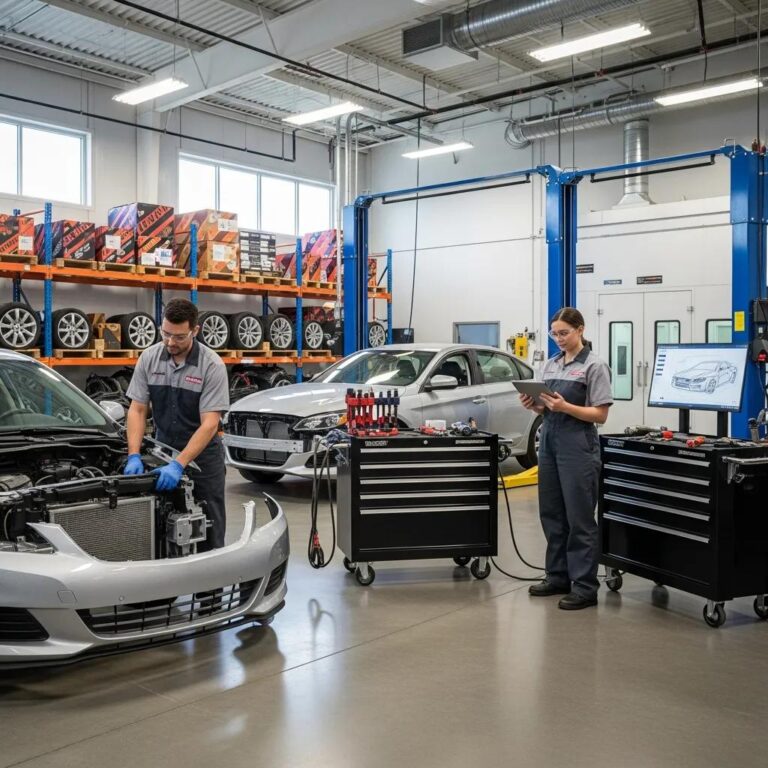
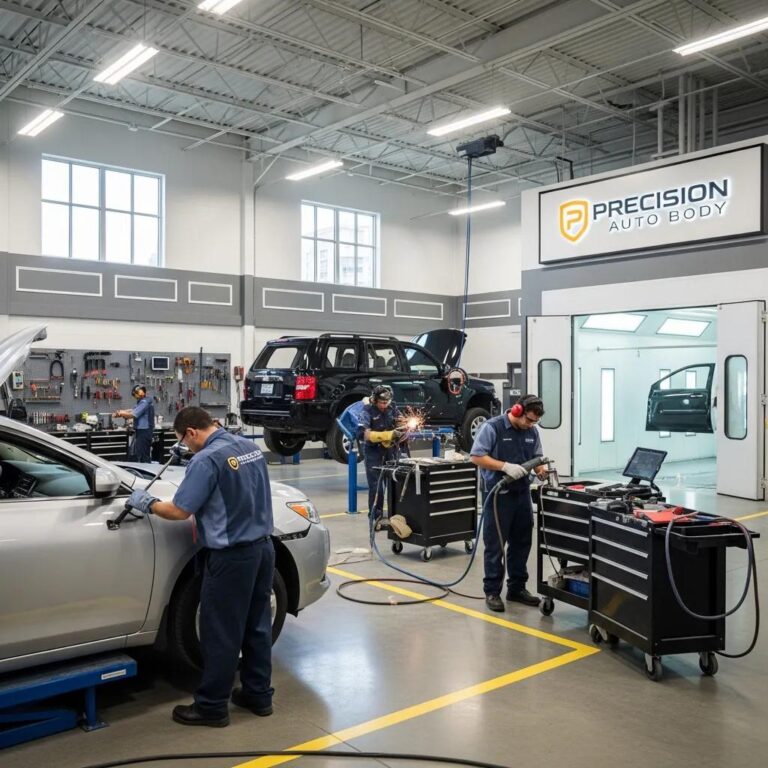
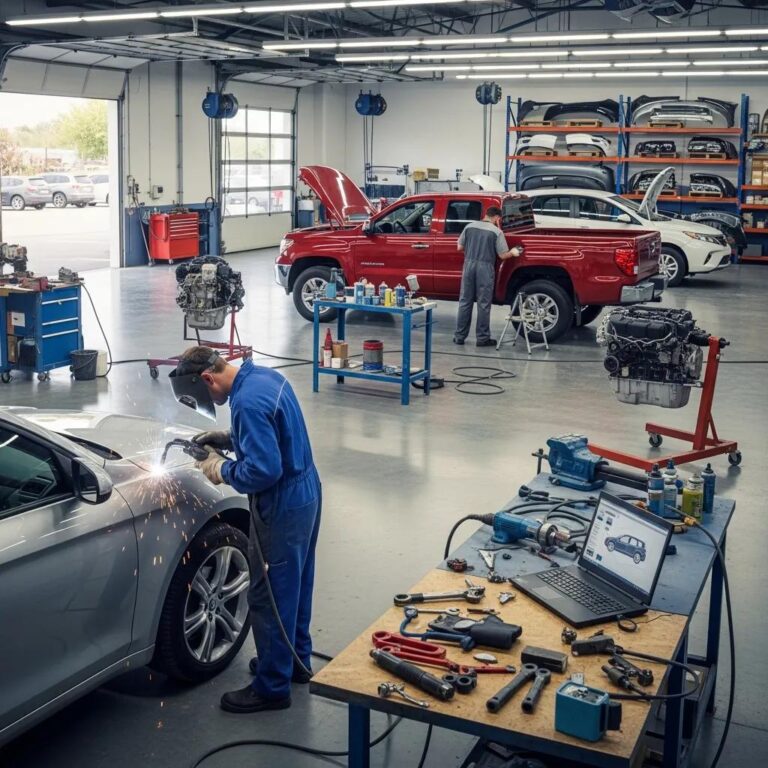
We start with a detailed assessment and estimate. After you approve the work, our technicians perform repairs with quality checks at each stage. We keep you informed from start to finish so your vehicle returns safe, clean, and ready to drive.
How Can You Appeal a Denied Auto Insurance Claim?
If your claim is denied, you have options — an organized appeal increases the chance of a reversal.
What Are Common Reasons for Claim Denial?
Denials commonly occur because of missing documentation, policy exclusions, or delayed reporting. Identifying the specific reason for denial helps you gather the right evidence for an appeal.
How Do You File an Appeal and What Is the Process?
Collect all claim paperwork, photos, repair estimates, and any communication with the insurer. Write a clear appeal letter explaining why the decision should be reconsidered, and include supporting evidence. Follow the insurer’s appeal process and keep copies of everything you submit.
Frequently Asked Questions
What Should You Do If You Encounter Issues with Your Insurance Adjuster?
If you disagree with an adjuster, stay calm and document every interaction. Share the evidence you’ve collected and ask for a supervisor review if needed. If the issue remains unresolved, file a formal complaint with the insurer and consider getting an independent estimate or legal advice.
How Long Does the Auto Insurance Claim Process Typically Take?
Timeframes vary. Simple claims can finish in a few weeks; complex cases may take months. You can speed things up by providing complete documentation quickly and staying in regular contact with your adjuster and repair shop.
Can You Change Your Repair Shop After Filing a Claim?
Yes — you can switch, but tell your insurance company and the new shop. Changing shops can affect timelines and estimates, so choose a reputable shop that communicates with your insurer to avoid delays.
What Should You Do If Your Claim Is Underpaid?
Review the estimate and your policy, collect supporting documents like photos or alternate estimates, and raise the discrepancy with your insurer. If needed, file an appeal or get help from a consumer advocacy group or an independent appraiser.
Are There Time Limits for Filing an Auto Insurance Claim?
Yes — states set different time limits, and policies may have reporting requirements. Report the accident promptly and check your policy and local laws to avoid missing deadlines.
What Information Is Essential for Filing an Appeal?
Include your original claim, all correspondence, photos, repair estimates, and any witness statements. Write a concise appeal letter that explains the dispute and attach supporting documents to strengthen your case.
Conclusion
Handling an insurance claim doesn’t have to be overwhelming. With clear documentation, timely reporting, and the right repair partner, you’ll get the repairs and results you deserve. If you want help through any step of the process, Prime Time Collision Center is ready to assist — from OEM repairs to insurance coordination. Explore our resources or contact us for personalized support.