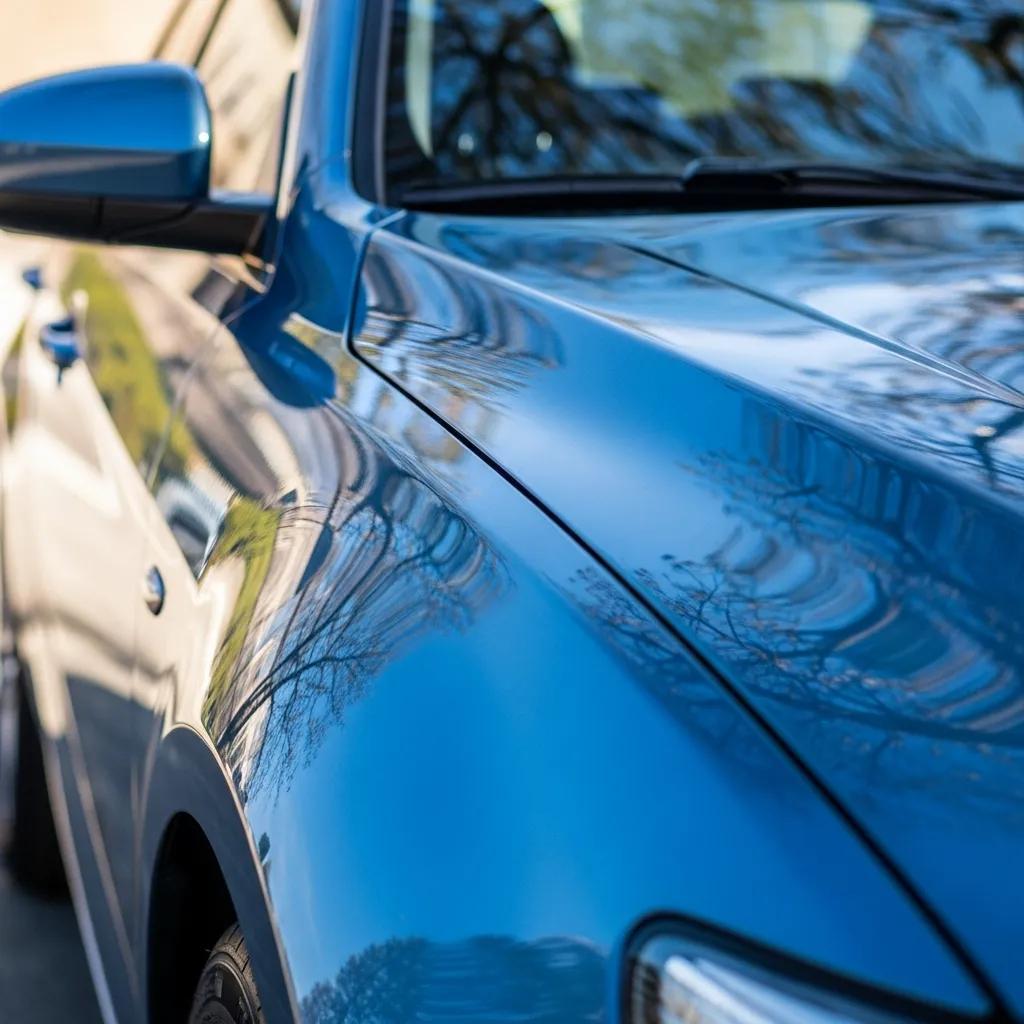
How to Protect Your Car’s Paint from Sun Damage — Practical UV Protection & Maintenance Guide
Sunlight and heat don’t just make your car hot — ultraviolet (UV) rays and heat slowly break down the clear coat and color layers, causing oxidation, fading, and loss of gloss. Knowing how that process works helps you protect the finish and keep resale value intact. This guide walks you through what causes sun damage, how to spot early versus advanced problems, and which protection options — ceramic coatings, paint protection film (PPF), and quality waxes or sealants — do the best job against UV. You’ll also get practical washing and parking tips, a seasonal maintenance plan, and when to call a pro after collision repairs or paint correction. The article is organized into six clear sections: causes and signs, protection comparisons, waxes and sealants, daily care, how Prime Time Collision Center supports post-repair protection, and quick expert answers to common questions — all written so you can act on them right away.
What Causes Sun Damage to Car Paint and How to Recognize It?
Sun damage is mainly driven by UVA and UVB radiation that penetrate the clear coat and break down polymer chains, causing oxidation and weakening the binder that holds paint together. The outcome is chalking, loss of gloss, and color fade — and repeated daytime heating and nighttime cooling accelerates micro-cracking and other failures. Spotting sun damage early helps you choose the right fix — from polishing and re-coating to protective films — before the underlying layers are ruined. The next section explains how UV interacts with automotive coatings so you can diagnose problems more confidently.
Common, visible signs of sun-related paint degradation include:
- Chalking — a white, powdery haze on painted surfaces.
- Dull, washed-out color and reduced saturation.
- Clear coat cracking, flaking, or rough-feeling areas.
- Contaminants and water that stop beading and start staining the surface.
Those quick sight-and-touch checks help you decide whether the finish can be restored with polishing or needs professional paint correction, which we cover next.
How Do UV Rays Affect Car Paint and Clear Coats?
UV rays break molecular bonds in clear coat polymers — a process called photodegradation — which lowers elasticity and shine and exposes the pigmented base coat to further damage. UVA penetrates more deeply and drives long-term breakdown, while UVB accelerates surface oxidation and color loss. As the clear coat becomes brittle and micro-cracks form, the finish loses hydrophobic properties and becomes harder to clean. That’s why protections that chemically bond or create a true UV barrier outperform temporary, surface-only products.
What Are the Signs of Oxidation, Fading, and Clear Coat Failure?
Oxidation and clear coat failure show up predictably: a general loss of shine, a chalky residue you can feel or rub off with a microfiber, and peeling or flaking where the clear coat has separated from the base paint. Early oxidation looks like a dull, hazy film that reduces color depth; advanced failure shows lifting edges, spiderweb cracking, or rough, exposed patches. A simple at-home test — rub a small area with a clean microfiber and mild polish to see if gloss briefly returns — helps you determine if the finish is salvageable or needs professional repair. Those findings point to the protection choices we outline next.
Which Paint Protection Methods Best Prevent Car Paint Fading?

Picking the right protection comes down to UV protection level, how long you want it to last, cost, and how much upkeep you’ll do. Ceramic coatings bond to the clear coat and deliver long-lasting hydrophobic and UV resistance. Paint protection film (PPF) creates a physical thermoplastic barrier against UV and road debris in high-exposure areas. High-quality waxes and synthetic sealants give immediate gloss and short-to-medium-term UV mitigation.
Quick comparison of common protection methods:
| Protection Method | UV Protection Level | Longevity | Cost Range | Maintenance Needs | Best Use Case |
|---|---|---|---|---|---|
| Ceramic Coating | High (SiO2-based bonding) | 2–5+ years | Medium–High | Periodic maintenance washes & top-ups | Owners wanting long-term protection with reduced washing effort |
| Paint Protection Film (TPU) | High (physical + UV-stable layer) | 5–10 years | High | Occasional polishing; inspect edges | High-impact zones and high-sun exposure vehicles |
| Wax / Synthetic Sealant | Low–Medium (topical barrier) | Weeks–6 months | Low–Medium | Frequent re-application | Show cars or budget-conscious owners needing visual gloss |
That table shows ceramic coatings and PPF block UV better than waxes, but the right choice depends on how long you want protection and how much maintenance you’ll commit to. Below we unpack ceramic chemistry and PPF benefits so you can match the technology to your needs.
How Does Ceramic Coating Provide Superior UV Protection?
Ceramic coatings form a SiO2-rich layer that bonds to the clear coat, creating a hard, UV-resistant barrier that slows photodegradation and preserves gloss. Unlike waxes that sit on top, ceramic bonds to the surface, reducing oxidation and improving water beading so contaminants rinse off more easily. Professionally applied ceramic coatings can protect for multiple years depending on product and exposure; regular maintenance washes and occasional top-ups keep hydrophobic properties strong. For owners who want long-term protection and lower daily maintenance, ceramic coatings are often the most cost-effective option over time.
What Are the Benefits of Paint Protection Film Against Sun and Scratches?
Paint protection film (PPF) is a thermoplastic polyurethane (TPU) layer that acts as a sacrificial shield against UV, stone chips, and light scratches, and many films show self-healing for minor marks. PPF is best on high-exposure panels — hood, fenders, mirrors, and bumper — and can be applied as partial or full coverage depending on budget and risk tolerance. Because the film is UV-stable, it slows color fade under the barrier and preserves the base coat’s clarity; gentle washing and periodic professional inspection keep edges and adhesion in good shape. For cars regularly exposed to sun and road debris, PPF gives the strongest combined UV and physical protection.
Prime Time Collision Center in Glendale, CA offers OEM-quality ceramic and PPF application, with I-CAR Platinum Certified technicians and post-repair workflows to restore and protect paint after collision work. Professional application after paint correction or repair ensures protective systems are applied to factory-level standards before coatings fully cure.
To help you decide by vehicle use, consider this prioritized list:
- Daily commuter in sunny climates: Ceramic coating for extended UV resistance.
- High-mileage or highway-driven vehicle: PPF on front-facing panels plus a ceramic coating for combined defense.
- Show car or occasional driver: Carnauba wax for deep gloss with frequent re-application.
That ties protection choices to common driving habits. Next we’ll look at waxes and sealants for owners who prefer topical protection.
What Are the Best Car Waxes and Sealants for UV Protection?
Waxes and sealants are an easy layer of UV defense: natural carnauba shines brilliantly but fades faster under strong sun, while synthetic sealants use UV inhibitors and polymers to extend protection for months. Which you choose depends on whether you prioritize showroom shine or longer-lasting defense — and how often you’ll reapply in sunny areas. The table below summarizes product categories, how they block UV, and recommended re-application intervals so you can plan maintenance.
Concise comparison of common wax and sealant types:
| Product Type | UV Protection Mechanism | Recommended Re-application Interval |
|---|---|---|
| Carnauba Wax | Reflective natural oils create a temporary barrier | Every 4–6 weeks in high UV climates |
| Synthetic Sealant | Polymer film with UV inhibitors bonds to surface | Every 3–6 months depending on exposure |
| Spray Sealant | Easy top-up polymer layer boosts hydrophobicity | Every 1–2 months or after each wash |
Synthetic sealants typically outlast carnauba for UV resistance, while spray sealants are handy for between-service top-ups. Below we explain how each works and practical re-application tips.
How Do Carnauba Wax and Synthetic Sealants Protect Against Sun Damage?
Carnauba wax gives a reflective, water-repellent surface that temporarily shields clear coat and boosts gloss, but its natural oils break down faster under intense UV and heat. Synthetic sealants form a polymer film with UV inhibitors and cross-linked resins that slow oxidation and keep hydrophobic properties longer than natural wax. In practice, carnauba suits show cars and short-term boosts; synthetic sealants are better for longer intervals and regular UV defense. Match application and frequency to your local climate to get the protection you expect.
How Often Should You Apply Wax or Sealant for Optimal Sun Protection?
Re-application depends on product, climate, and storage: in high-UV or coastal areas carnauba may need monthly reapplication, while quality synthetic sealants often last three to six months. Factors that shorten intervals include parking outdoors, heavy sun exposure, and contact with contaminants like bird droppings or tree sap. Proper surface prep — thorough wash, decontamination, and paint deionization — helps sealants bond and reach their expected lifespan. Scheduling seasonal applications (spring and late summer) covers peak sun periods and keeps the finish resilient.
If you prefer professional prep and application, Prime Time Collision Center offers detailing and ceramic prep work so sealants and coatings bond to a properly corrected surface after repair or restoration.
What Essential Car Care Tips Help Prevent Sun Damage and Maintain Paint Shine?
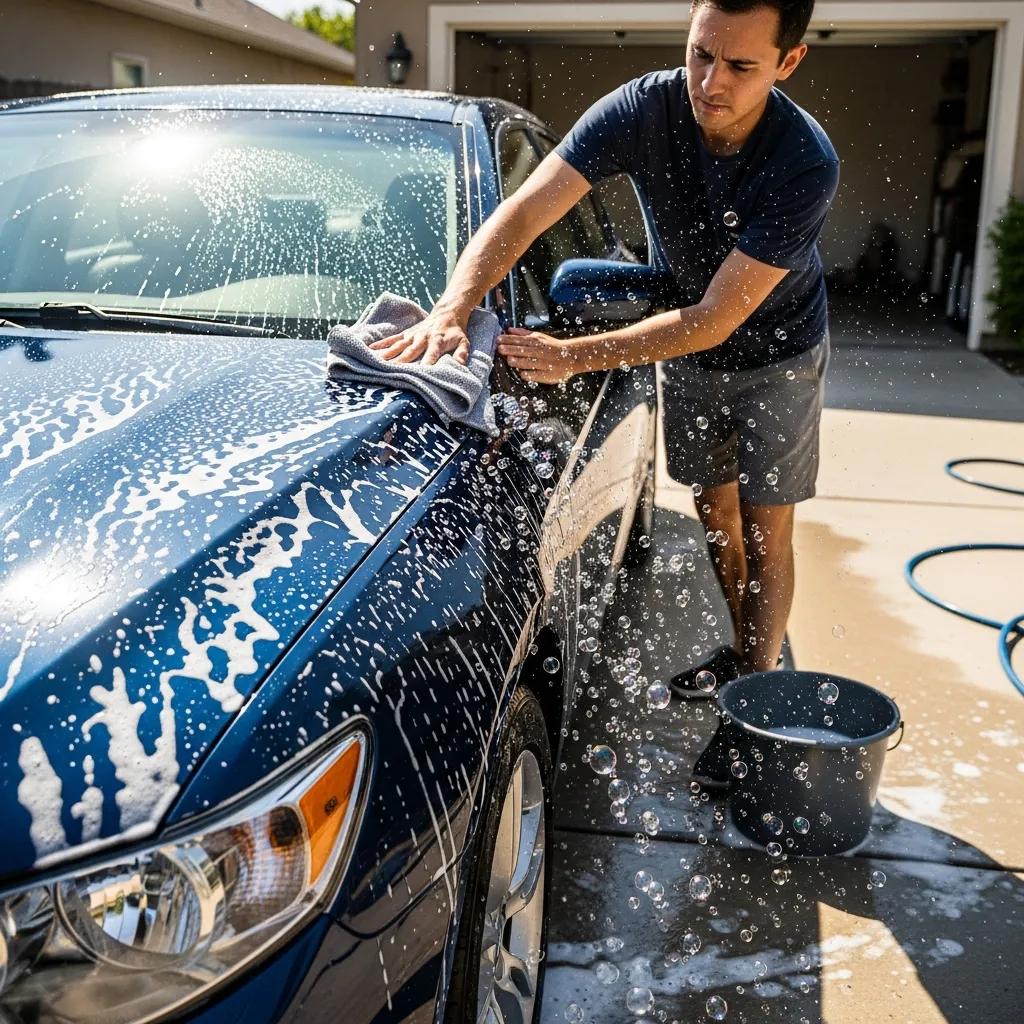
Good daily habits are the baseline for paint preservation: gentle, regular washing, using pH-neutral shampoos, quick removal of contaminants, and smart parking all reduce the cumulative UV and chemical stress that accelerates paint failure. A predictable care routine plus periodic inspections for early oxidation keeps small issues from becoming costly repairs. Below are straightforward daily and seasonal actions every owner should adopt.
Key preventive actions every owner should follow:
- Wash regularly with a pH-neutral shampoo: removes harmful contaminants and preserves protective layers.
- Use the two-bucket method and microfiber tools: prevents swirl marks that dull the finish.
- Apply sealant or wax seasonally: replenishes topical UV protection and restores hydrophobic behavior.
- Park in shade or use a UV-rated cover: reduces direct UV exposure and heat cycling.
- Inspect and touch up chips quickly: stops moisture and UV from reaching primer or metal.
These steps reduce both chemical and physical stress on paint. The next sections give practical tips on washing technique and choosing covers.
Why Is Regular Washing and Proper Detailing Important for UV Protection?
Regular washing removes bird droppings, tree sap, brake dust, and industrial fallout — contaminants that carry acids and particulates which speed clear coat breakdown. Proper detailing with pH-neutral shampoo, two-bucket washing, and safe drying minimizes micro-abrasions that let UV penetrate more easily. Sealing the finish after washing with a polymer sealant or wax restores a sacrificial layer that absorbs UV stress and slows fading. Follow the sequence: wash, decontaminate, polish if needed, then apply sealant — and you’ll protect both appearance and performance.
How Do Shaded Parking and Car Covers Reduce Sun Exposure?
Parking in the shade cuts direct UV intensity and mitigates daily heat cycles that cause photodegradation and thermal expansion. When shade isn’t available, a breathable UV-rated car cover blocks harmful rays while allowing moisture to escape, preventing trapped condensation that can damage paint and trim. For urban street parking, window shades and windshield reflectors cut interior heat that can affect exterior components. Choose a well-fitting, UV-rated cover for the best balance of protection and convenience.
How Does Prime Time Collision Center Support Post-Collision Paint Protection?
Prime Time Collision Center pairs factory-quality repair workflows with professional finishing services to restore appearance and long-term resistance to sun damage after a collision. Our I-CAR Platinum Certified technicians follow OEM standards for paint correction, color match, and protective coating application so repaired areas blend seamlessly. We also help with insurance claims, offer free estimates, and provide 24/7 towing — plus a lifetime warranty on repairs that reflects our commitment to durable results. The table below outlines core services, quality markers, and what to expect when scheduling protection after a repair.
Overview of Prime Time Collision Center services and inclusions:
| Service | Certification / Quality Marker | What’s Included |
|---|---|---|
| Paint Correction | I-CAR Platinum Certified processes | Inspection, compounding, color match, polish to restore gloss |
| Ceramic Coating Application | OEM-quality application standards | Surface prep, professional ceramic application, curing guidelines |
| PPF Installation | Trained installation and fitment | Patterned fit for panels, edge sealing, final inspection |
| Insurance Claim Assistance | Comprehensive claims support | Free estimate, coordination with insurers, towing available |
What Advanced Paint Restoration and Protection Services Are Offered?
Advanced restoration starts with a full inspection and paint meter check to measure clear coat thickness, followed by controlled paint correction — compounding, polishing, and color blending — to remove oxidation and restore gloss without over-thinning factory layers. After correction, we apply ceramic coatings or PPF to properly prepped surfaces, allowing correct chemical bonding and long-term adhesion, with prescribed curing and quality checks. Turnaround varies by repair scope and coating choice, and we provide clear maintenance guidance so you get the longest life from your protection. The staged approach — inspect, correct, protect — reliably brings a damaged finish back to long-term, UV-resistant condition.
Why Choose Prime Time for Ceramic Coating and Paint Protection Film in Glendale?
Prime Time Collision Center blends local convenience with factory-quality standards led by I-CAR Platinum Certified technicians. We cover the full post-collision workflow — free estimates, 24/7 towing when needed, insurance assistance, and a lifetime repair warranty — to remove friction from restoration and protection decisions. Drivers across Glendale, Burbank, Pasadena, and the greater L.A. area trust us to apply ceramic coatings and PPF to repaired surfaces to OEM-compatible standards, improving longevity and appearance. Contact Prime Time Collision Center to explore protection options and schedule a post-repair estimate.
What Are Common Questions About Car Paint UV Protection?
Here are short, practical answers to common questions so you can quickly decide whether to maintain, upgrade, or get a professional assessment for sun-damaged paint. Each answer gives a clear recommendation and why it matters.
Does Car Wax Effectively Protect Against UV Rays?
Yes — wax provides a temporary physical barrier and boosts reflectivity, which reduces UV contact with the clear coat. But wax is limited by durability and environmental exposure: carnauba gives great initial gloss but breaks down faster under strong sun, while synthetic waxes and polymer sealants include UV inhibitors that extend protection. For long-term defense in sunny climates, consider a professional ceramic coating or a layered approach that pairs regular sealant maintenance with occasional ceramic top-ups. Use wax as one layer in a broader protection strategy, not the only defense.
Is Ceramic Coating Worth It for Long-Term Sun Damage Prevention?
Yes — for many owners, ceramic coating is worth the investment. It chemically slows oxidation, preserves hydrophobic properties, and keeps gloss for years, which reduces routine upkeep and slows UV-driven degradation. The higher upfront cost can be offset over time by fewer re-applications and better resistance to contaminants that accelerate clear coat breakdown. Ceramic is especially valuable in high-UV regions, for owners who want less frequent washing, and for those protecting resale value. Professional application maximizes bonding and return on investment. Contact a pro for a tailored assessment and pricing.
This guide offers practical diagnostics, protection comparisons, maintenance routines, and clear next steps for professional application so you can prevent sun damage and keep your finish looking great.
Frequently Asked Questions
What is the best way to wash my car to prevent sun damage?
Wash regularly with a pH-neutral shampoo using the two-bucket method to avoid swirl marks and micro-abrasions that weaken the clear coat. Dry with microfiber towels to prevent scratches, and, when possible, wash in the shade or during cooler parts of the day to avoid water spots. Regular washing removes contaminants that speed oxidation and helps preserve any protective layers.
How can I tell if my car’s paint is damaged by UV rays?
Look for a chalky residue, dullness, loss of gloss, color fading, or rough patches where the clear coat is cracking or peeling. A simple test is to rub a clean microfiber cloth over a small area — if the cloth picks up a white powdery substance, that indicates oxidation. Catching these signs early lets you act before damage becomes permanent.
Are there specific products I should avoid when caring for my car’s paint?
Avoid harsh chemicals, abrasive cleaners, and products not made for automotive finishes — they can strip protective layers and harm paint. Stay away from cleaners with high alcohol or ammonia content, and use pH-neutral car shampoos and dedicated detailing products instead. Always read labels and pick products safe for automotive paint.
How does parking in the shade help protect my car’s paint?
Shade reduces direct UV exposure and surface temperatures, minimizing thermal expansion and contraction that lead to micro-cracking. If shade isn’t available, use a breathable UV-rated car cover to block rays while allowing moisture to escape. Shade and covers also help preserve interior materials and trim.
What maintenance should I perform after applying a ceramic coating?
After a ceramic coating, maintain it with regular washes using a pH-neutral shampoo and soft tools. Avoid abrasive cleaners and consider maintenance top-ups with a compatible spray sealant every few months to boost hydrophobic performance. Inspect the coating periodically for wear and consult professional maintenance services when needed to keep protection effective.
Can I apply paint protection film (PPF) myself, or should I hire a professional?
DIY PPF is possible, but professional installation is recommended for the best fit, adhesion, and finish — especially around complex curves and edges. Pros have the tools and experience to avoid common issues and typically offer warranties for peace of mind.
What should I do if I notice early signs of sun damage on my car?
If you spot early signs like dulling or minor oxidation, wash the area and try a mild polish to restore some gloss. For more serious or widespread damage, schedule professional paint correction and consider applying a protective coating afterward. Also review your care routine to include regular inspections, washing, and protective treatments to prevent recurrence.
Conclusion
Protecting your car’s paint from sun damage preserves appearance and value. Effective strategies include ceramic coatings, paint protection film, and consistent maintenance. By learning the causes and early signs of UV damage and following simple care habits, you’ll keep your finish vibrant for years. To explore professional protection options, contact Prime Time Collision Center — we’ll help you find the right solution and keep your vehicle looking its best.