How to Report a Minor Car Accident Safely — Step‑by‑Step Checklist and Local Guidance
A minor car accident — a fender bender or parking-lot ding — can be stressful even when everyone’s okay. This guide walks you through what to do right after a small crash: immediate safety actions, how to document the scene for insurance and liability, when to contact police or file a DMV SR-1 in California, and why factory-quality (OEM) repairs matter. You’ll get a clear checklist for preserving evidence and witness info, practical decision points for police and insurer reporting, and local tips for drivers in Glendale and greater Los Angeles. We also explain how Prime Time Collision Center helps with towing, free estimates, and insurer coordination so you can move from accident to repair with less hassle.
What Are the Immediate Safety Steps After a Minor Car Accident?
Right after a minor collision, your priorities are people first, then preventing further crashes, and finally preserving evidence. Quickly check for injuries and move anyone out of immediate danger. Call 911 if there’s any sign of serious injury. Next, make the scene safer: turn on hazard lights, set cones or warning triangles if it’s safe, and only move vehicles when it’s lawful and won’t put anyone at risk — but take photos of their positions first. Finally, exchange information with the other driver, identify witnesses, and start documenting damage with photos and notes for your insurance or a possible police statement.
- Check for injuries and call 911 if anyone shows signs of trauma or distress.
- Turn on hazard lights and place cones or warning triangles to alert traffic when it’s safe.
- Photograph vehicle positions, license plates, and the surrounding scene before moving cars.
- Exchange contact and insurance information with the other driver and collect witness names.
- If the vehicle isn’t drivable, arrange towing and notify your insurer promptly.
Following those steps lowers risk and creates a reliable record for claims. Once people and the scene are secure, move to a quick injury check and begin detailed documentation.
How to Secure the Accident Scene and Check for Injuries
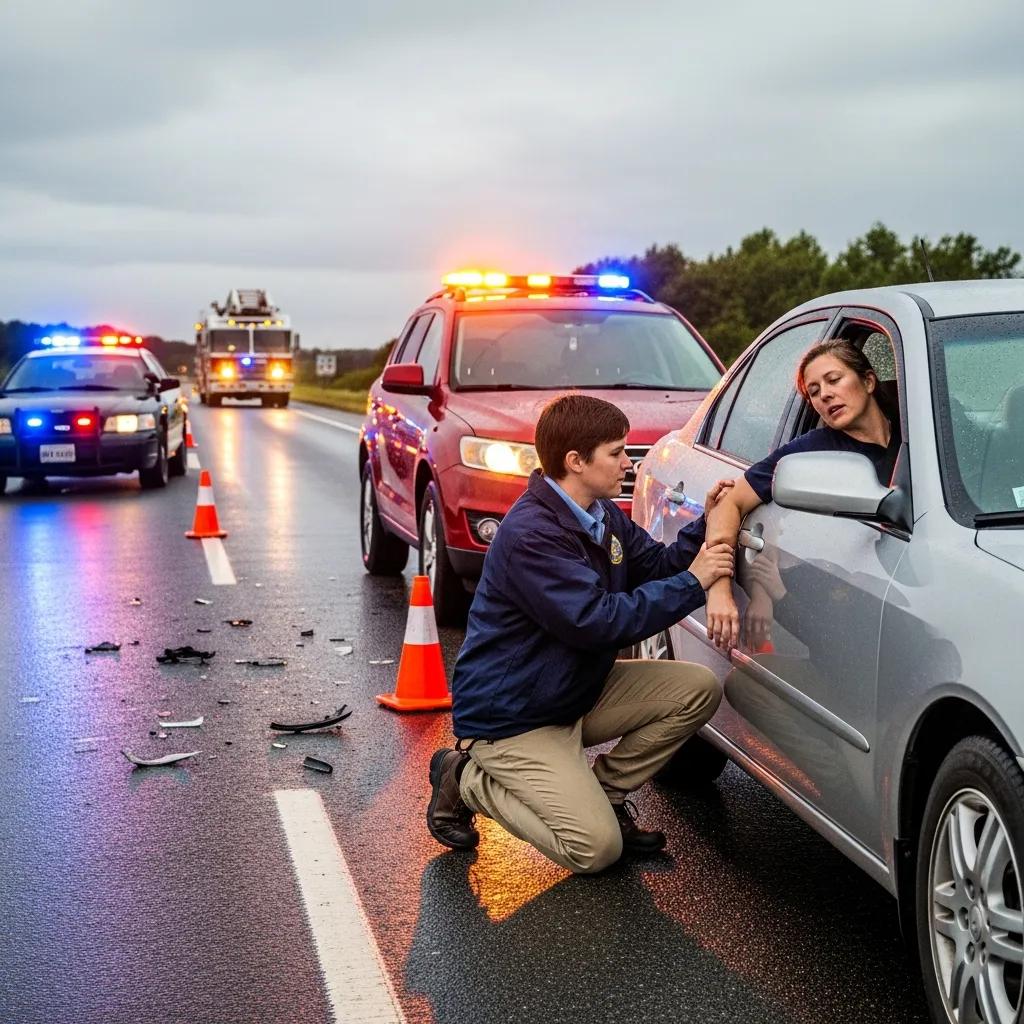
Securing the scene means avoiding further harm while collecting the facts responders and insurers will need. Turn off engines, set parking brakes, and switch on hazard lights. If you see smoke or leaking fluids, keep everyone at a safe distance. Do a quick verbal check — ask simple questions like “Can you wiggle your fingers and toes?” — and watch for serious signs such as heavy bleeding, trouble breathing, or loss of consciousness; call 911 immediately if you see them. If children, older adults, or anyone with neck/back pain is involved, advise they stay still and wait for paramedics. Keep people warm and calm while help is on the way. This quick assessment helps you decide whether to call an ambulance or request a police response.
Once you’ve checked for injuries and made the scene safe, you’ll be ready to decide whether to move vehicles and how to preserve evidence while doing it.
When and How to Move Vehicles Safely After a Fender Bender
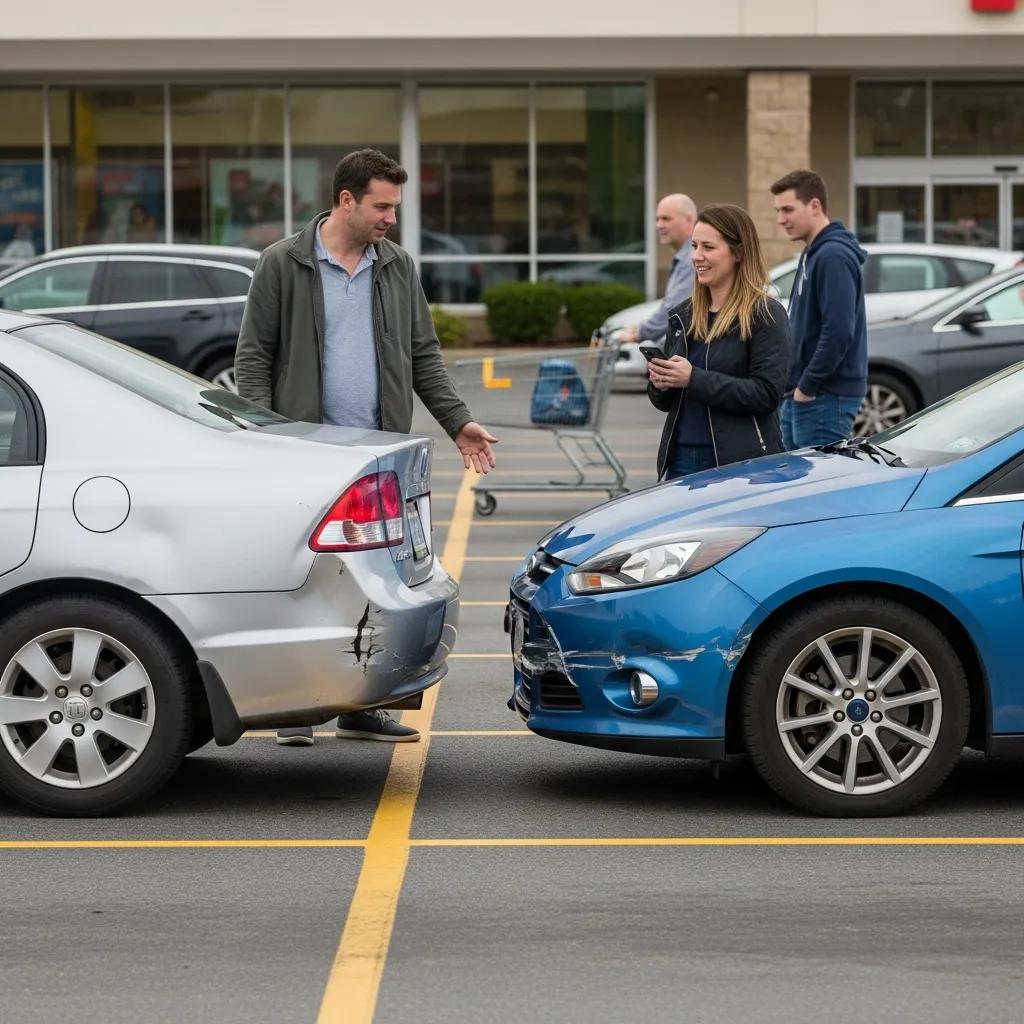
Whether to move vehicles depends on where you are and the traffic risk — safety always comes first. In a parking lot or low-traffic area, it’s usually fine to pull vehicles to a nearby curb or island after taking wide-angle photos that show original positions and surrounding context. On a busy street or in an intersection, leave vehicles where they are and call the non-emergency police line for guidance if officers aren’t immediately available. If you do move a vehicle, photograph its initial position from multiple angles, note skid marks or debris, then photograph the new position so insurers can see the timeline. Use hazard lights and simple signaling while repositioning, avoid risky maneuvers, and call towing if the car isn’t operable.
Photos taken before and after any movement preserve the sequence for insurance and police and reduce disputes about fault. With vehicles safe and documented, focus on what information to exchange and how to record it clearly.
What Information Should You Exchange and Document at the Accident Scene?
Good, accurate information at the scene makes claims easier and prevents confusion later. Exchange names, driver’s license numbers, insurance company and policy number, and vehicle details — but avoid admitting fault. Document the scene with photos, short videos, and witness recollections; timestamp media and back up images to the cloud or email so nothing gets lost. A simple checklist ensures you capture the essentials; some local collision centers offer downloadable checklists you can keep in your glovebox.
The quick-reference table below shows what to record from each party and how to format entries so they’re useful later.
| Vehicle/Driver | Key Field | Example / Notes |
|---|---|---|
| Driver | Full name, driver’s license number | Write exactly as shown on the license; photograph the license for accuracy |
| Insurance | Company name, policy number, claims phone | Confirm insurer phone and note the policy number clearly |
| Vehicle | License plate, VIN (if visible), make/model | Photograph the plate, visible VIN, and any model badges |
| Contact | Phone number, email, address | Ask for the best way to reach them for follow-up |
| Witness | Name, phone, short statement | Record a brief statement and note where the witness was standing |
Which Details to Collect: Driver’s License, Insurance, and Contact Information
Getting precise driver and vehicle details prevents delays and arguments later. Ask for the other driver’s full name and driver’s license number, insurer and policy number, plate number, and vehicle make/model — and photograph the license and insurance card for accuracy. For your own notes, jot down the time, weather, and any nearby traffic signs or signals; include the odometer reading if it matters. Politely request a phone number and email for follow-up and confirm whether the other driver plans to report the crash to their insurer.
Clear, photographed records protect you in the claims process. After identity and policy details are captured, turn to multimedia documentation and witness statements to back up the facts.
How to Properly Document the Scene: Photos, Videos, and Witness Statements
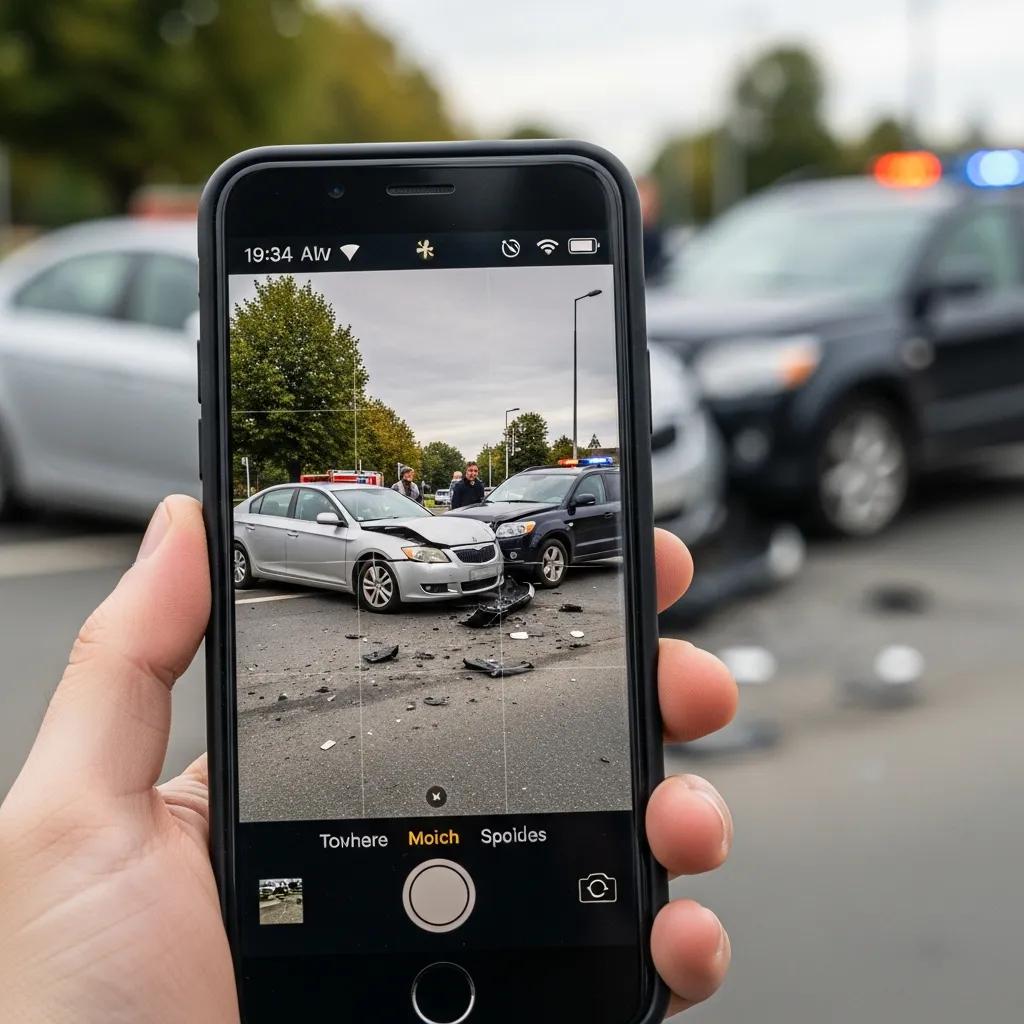
Good photos and short videos make claims quicker and clearer for adjusters and police. Use a simple shot list: wide shots of the whole scene, medium shots showing vehicle positions relative to lanes or curbs, close-ups of damage, license plates, interior shots (airbags, seatbelts), and any skid marks or debris. Record a short video walkthrough and state the time aloud so the chronology is obvious. Ask witnesses for their name and phone number and, if they agree, record a brief statement — ask “What did you see?” and where they were standing. Immediately back up photos and videos to cloud storage or email them to yourself so they can’t be lost.
With thorough documentation secured, you’ll be ready to follow local reporting rules for police, the DMV, and your insurer in California.
How to Report a Minor Car Accident to Authorities and Insurance in California?
California reporting rules depend on injuries, property damage, and hit‑and‑run status. Call 911 for injuries or major hazards; for property-only crashes with minor damage, a police response at the scene may be optional, though an official report can help. California law requires a DMV SR-1 form if the crash caused injury, death, or more than $1,000 in property damage. Insurance companies also expect timely notice under the terms of your policy. Report the claim to your insurer as soon as reasonably possible and provide the photos and documentation you collected to preserve coverage rights.
The table below shows typical reporting actions, who handles them, and recommended timing for Glendale and the greater Los Angeles area.
| Authority / Entity | Action Required | When to Do It |
|---|---|---|
| Emergency Services (911) | Call for injuries, active hazards, or major collisions | Immediately at the scene if anyone is hurt or there’s danger |
| Local Police / Non-Emergency | Request an officer for hit-and-run, injury, or disputes | At the scene or via non-emergency line soon after minor collisions |
| California DMV (SR-1) | File accident report when injury/death or property damage over $1,000 occurs | Within 10 days of the accident if thresholds are met |
| Insurance Company | Report the claim and provide documentation | As soon as reasonably possible — typically within days of the crash |
When Is a Police Report Required for a Minor Accident in Glendale and Los Angeles?
Police involvement in Glendale and Los Angeles depends on injury, hit-and-run, or disputes over fault. If someone is injured or a driver leaves the scene, call 911 so officers can create an on-scene report and start an investigation. For low-impact, property-only collisions — especially in parking lots — drivers often exchange information and handle claims directly through their insurers without an officer present. If you need an official record later, many local departments let you file a report after the fact via non-emergency channels; be sure to record the officer’s name and report number for your insurer.
A police report can help clear up fault in contested cases and support legal or DMV filings. With the police question settled, the next step is notifying your insurance carrier and knowing what to expect on that first call.
How and When to Notify Your Insurance Company About a Small Crash
Tell your insurer promptly to meet your policy requirements and start the claims process. Before you call, prepare a short script: give the time and place, describe the damage and any injuries, list witness contacts, and note whether you have photos or a police report. Have your policy number and vehicle info ready and be factual — don’t admit fault. If the vehicle needs repairs, a local body shop can provide an estimate for the insurer; Prime Time Collision Center works with all major insurers and can deliver a free, detailed estimate to speed the adjuster’s review.
Clear documentation and a qualified repair estimate help the adjuster make decisions faster and reduce back-and-forth. Once your insurer has the initial files, consider repair options and why OEM-certified work matters for safety and value.
Why Choose OEM Certified Repairs After a Minor Collision?
OEM-certified repairs use original or manufacturer-approved parts and factory processes to restore structural integrity and safety systems that cheap fixes can miss. OEM parts and factory-aligned procedures preserve designed crash behavior, ensure proper fit and finish, and allow precise ADAS recalibration where sensors and cameras were affected. The main benefits are preserved vehicle safety, reliable operation of driver-assist systems, and better long-term resale value. Choosing OEM-certified repairs reduces the risk of unresolved calibration issues and helps your vehicle perform the way the manufacturer intended.
- Factory Fit and Finish: OEM parts match original tolerances for panel gaps and paint.
- Safety Systems Integrity: Proper procedures ensure airbags and ADAS components work correctly.
- Warranty and Records: Certified repairs better support warranty claims and resale documentation.
Even minor collisions can affect sensors or structure, so OEM-certified repairs are often the safest choice. The table below compares OEM-certified repair with other options and the likely impact on vehicle performance.
| Repair Option | Attribute | Impact on Vehicle |
|---|---|---|
| OEM-Certified Repair | Original parts, factory procedures, trained technicians | Preserves safety systems and fit; allows ADAS recalibration |
| Aftermarket / Generic Repair | Non-OEM parts, variable procedures | May affect fit, sensor alignment, and long-term performance |
| Cosmetic-Only Repair | Surface-level fixes without structural or system checks | Can hide underlying issues; risks to safety systems if sensors are ignored |
What Are OEM Certified Repairs and Their Benefits for Your Vehicle?
OEM-certified repairs follow manufacturer specifications using original or approved parts and documented procedures to maintain safety and performance. Modern cars combine structure and sensor-based safety systems — when parts are replaced or alignment changes, ADAS components often need precise recalibration. Benefits include restored crash behavior, preserved warranty coverage when applicable, and a lower chance of later electrical or mechanical issues caused by mismatched parts. For everyday drivers, OEM-certified work means the car is returned to its original operation, protecting occupants and resale value.
Knowing why OEM repairs matter leads naturally to how a local, certified shop puts these standards into practice and helps with insurer communications.
How Prime Time Collision Center Ensures Factory-Quality Repairs with Certified Technicians
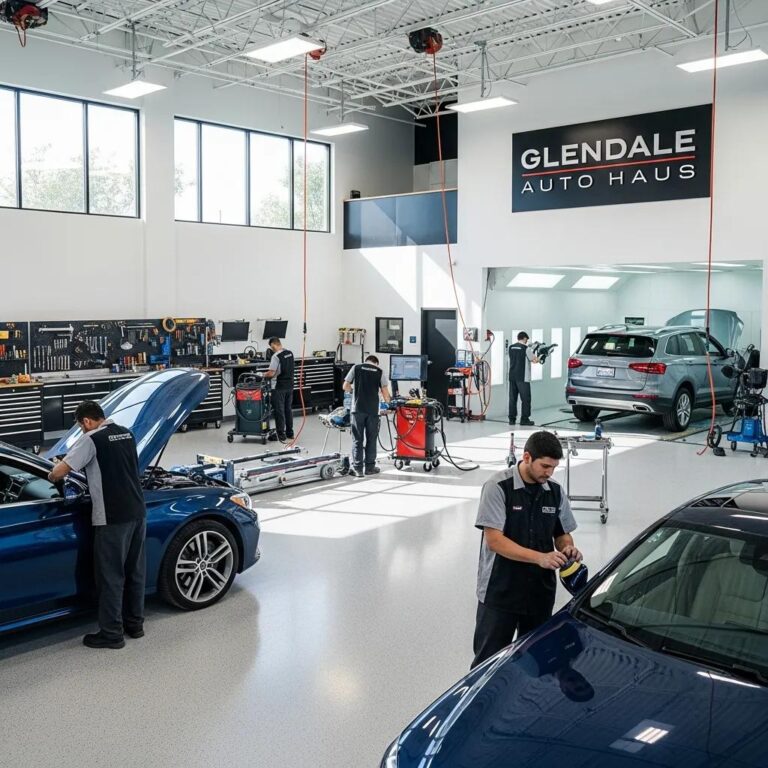
Prime Time Collision Center follows factory-quality workflows with I-CAR Platinum certified technicians and a step-by-step process that meets OEM standards. Our typical workflow: free estimate and damage assessment, insurer coordination and estimate submission, parts sourcing using OEM or manufacturer-approved components, precise repairs and ADAS calibration as needed, and final quality checks before you pick up the vehicle. We work with all major insurance companies to submit estimates and communicate with adjusters to reduce delays. Serving Glendale, Burbank, Pasadena, and the greater Los Angeles area, we focus on stress-free service and certified repairs to protect your vehicle’s safety and long-term value.
Relying on certified technicians and documented processes gives vehicle owners consistent repairs that align with manufacturer expectations. With repair quality addressed, the next section summarizes how Prime Time helps drivers right after a minor accident.
How Does Prime Time Collision Center Support You After a Minor Accident?
Prime Time Collision Center offers services that cut through the stress after a crash: 24/7 towing, free repair estimates, insurer coordination, and factory-quality repairs by certified technicians. These services help drivers manage safety, vehicle recovery, and claims by providing direct estimate support and working with insurers on your behalf. With a local presence in Glendale, we’re a convenient option for drivers across greater Los Angeles who want OEM-quality repairs and a smoother service experience after a minor collision.
- 24/7 towing: We arrange recovery whenever the car can’t be driven.
- Free repair estimates: Get a documented estimate for your insurer or to compare repair options.
- Insurance coordination: We submit estimates and communicate with adjusters to keep repairs moving.
These services reduce paperwork and logistics after a crash. Once towing or an estimate is requested, we coordinate with your insurer and schedule repairs to minimize downtime.
What Services Are Offered: 24/7 Towing and Free Repair Estimates
When a vehicle can’t be driven, prompt towing prevents further damage and clears hazards. Prime Time offers 24/7 towing to move disabled vehicles to a secure location. A free repair estimate includes a damage assessment, an itemized parts and labor list, and notes on any ADAS calibration or structural work needed; you can give this estimate to your insurance company to start an adjuster review. Request towing and an estimate early to reduce the time your vehicle is out of service and to get a clear plan for next steps.
Having a documented estimate and a safe storage spot for your vehicle supports evidence retention and insurer inspections. After towing and an estimate, our insurance liaison work helps keep the overall process on track.
How We Assist with Insurance Claims and Streamline Your Repair Process
Prime Time Collision Center helps with insurance by preparing a detailed estimate, submitting it to the insurer, and coordinating adjuster visits to minimize back-and-forth. We document recommended repairs, note ADAS recalibration needs, and communicate parts availability and expected timelines to both you and the insurer. You’ll get regular status updates during repairs and guidance for pickup and final quality checks so the job meets factory-quality expectations. Acting as a liaison reduces paperwork for you and helps align insurer expectations with the technical work required for OEM-quality restoration.
This coordinated approach gets drivers back on the road sooner and with confidence that safety systems were addressed. Below are concise answers to the most common questions people ask after a minor crash.
What Are Common Questions About Reporting Minor Car Accidents?
People often wonder whether to call police after a fender bender and how quickly to tell their insurer. Short, practical guidance helps avoid mistakes: call police for injuries, hit-and-run, or disputes; notify your insurer promptly to protect coverage; and document everything at the scene to support claims. Local rules for California and Glendale guide those choices. If you need towing, an estimate, or insurer coordination after a minor collision, certified collision centers in the area can provide the documentation and support your claim needs.
- Call police for injury, hit-and-run, or unresolved disputes at the scene.
- Report to your insurer as soon as possible and provide photos, witness info, and any police report number.
- Use a certified repair shop’s free estimate and documentation to assist insurer reviews and ADAS calibration decisions.
Clear answers and local resources cut down the time and stress of resolving minor collisions. The sections below give direct legal and timing answers most drivers need.
Do You Have to Call the Police for a Fender Bender in California?
California law requires police or DMV reporting when there are injuries, deaths, or property damage above certain thresholds. For low-impact, property-only collisions, a police response isn’t always mandatory. Practically speaking, call 911 for any injury or if a driver leaves the scene; otherwise, exchanging information and thoroughly documenting the incident is often enough for insurers. If you later discover injuries or hidden damage, you can still request a police report or contact non-emergency police to file an incident report. Keep photos, witness contacts, and your own notes whether or not an officer was present.
Understanding when a police report is required helps you avoid legal issues and supports claims. After police considerations, drivers typically ask how quickly to notify insurance to avoid problems.
When Should You Report a Minor Accident to Insurance to Avoid Issues?
Report minor accidents to your insurer promptly — generally within a few days — to meet policy requirements and protect your coverage. Delaying notification can complicate liability and repairs. When you call, have the basic facts, scene photos, witness information, and any police report number ready; stick to what you observed and avoid admitting fault. If you delayed reporting, gather all documentation (photos, witness contacts, repair estimates) and explain the reason for the delay — many insurers will still handle the claim when supported by clear evidence. Prime Time Collision Center can provide a free repair estimate and documentation to support delayed reports and speed the adjuster’s review.
Timely reporting plus thorough documentation protects your claim rights and helps get accurate repair authorization. With these practices, you can handle a minor crash confidently and have your vehicle restored correctly.
Frequently Asked Questions
What should I do if the other driver refuses to exchange information?
If the other driver won’t share information, stay calm and document as much as you can. Photograph their vehicle, license plate, and any visible damage. Get witness names and numbers — they can support your claim later. If the situation becomes heated or you feel unsafe, call the police to report the incident; a police report can help when you file with your insurer.
How can I ensure my insurance claim is processed smoothly?
To help your claim move smoothly, document everything at the scene: clear photos of the vehicles and damage, witness contact details, and any police report number. Notify your insurer promptly and share all evidence. Keep records of every communication with your insurance company and follow up regularly. Being organized and proactive speeds the process.
What if I discover injuries after leaving the accident scene?
If you notice injuries after the fact, seek medical attention right away and keep documentation of your visits. Contact your insurance company to report the new information and provide medical records. If necessary, you can file a police report after the fact — especially for significant injuries. Detailed medical records will support your claim.
Are there any specific laws in California regarding minor accidents?
Yes. In California, if an accident causes injury, death, or more than $1,000 in property damage, you must file an SR-1 form with the DMV within 10 days. Police involvement isn’t always required for minor, injury-free accidents, but you should call them if there’s a dispute or if the other driver flees. Knowing these rules helps you avoid penalties.
What are the potential costs associated with a minor car accident?
Costs can vary widely depending on vehicle damage, medical needs, and your insurance deductible. Repairs might range from a few hundred to several thousand dollars. If injuries occur, medical bills can add substantially. Track all expenses and share them with your insurer to understand what your policy covers and what you’ll pay out of pocket.
How can I find a reliable collision repair shop after an accident?
Ask friends, family, or your insurer for recommendations. Look for shops that are OEM-certified — they use original parts and follow manufacturer procedures. Read reviews and, if possible, visit the shop to check facilities and ask about warranties and repair processes. A dependable shop will be transparent and give a clear, itemized estimate.
What should I do if my insurance claim is denied?
If your claim is denied, read the denial letter to understand why. Common reasons include late reporting or insufficient documentation. Gather all evidence you have — photos, witness statements, estimates — and contact your insurer to request clarification. You can appeal the decision or seek help from your state’s insurance department if needed.
Conclusion
Knowing how to report a minor car accident and what steps to take afterward protects your rights and simplifies the claims process. Follow the safety checklist, document the scene carefully, notify your insurer promptly, and choose repair options that preserve your vehicle’s safety and value. If you need local help, Prime Time Collision Center offers towing, free estimates, and OEM-quality repairs to get you back on the road with confidence. Contact us to learn how we can support you after a minor collision.