
How to Successfully Sell Your Car Privately: Clear Steps and Smart Preparation
Selling your car privately means you transfer ownership directly to a buyer instead of trading it in or selling to a dealer. Done right, a private sale can net you more money and avoid needless hassle. This guide walks you through the process: getting the car ready, documenting service and repairs, setting the right price, preparing the legal paperwork, marketing the listing, staying safe during meetings and payments, and using certified repairs to back up your asking price. Small details—like fixing minor cosmetics, keeping maintenance records, or following safe showing practices—make a big difference in buyer trust and how quickly the car sells. Below you’ll find checklists for prep, price-setting advice using online tools and local comps, the documents buyers expect, listing templates and photo shot lists, safety tips for showings and test drives, and how OEM/I‑CAR certified repairs can improve resale. Read on for practical templates and steps to help you sell faster and keep more of your vehicle’s value.
How Do I Prepare My Car to Maximize Its Private Sale Value?
Preparing your car to get top dollar means improving how reliable and cared-for it looks—through cleaning, targeted repairs, and organized records. Buyers pay more for cars that look maintained, have clear service history, and show no immediate safety concerns. Start with safety and drivability (brakes, tires, warning lights), then focus on visible details that show up in photos and at showings. The sections below explain why condition matters and which detailing and repairs usually return the biggest resale lift so you can prioritize work before listing.
Careful condition checks help you decide which fixes to do yourself, which to get done professionally, and which issues to disclose up front to keep negotiations smooth.
Why Is Vehicle Condition Crucial for Private Sale Success?
Condition shapes buyer trust, bargaining power, and the final sale price. A mechanically sound car with a clean interior and an undamaged exterior gets stronger offers and fewer lowball inspections. Visible dents, dashboard warning lights, or uneven tires quickly lower buyer confidence and price expectations. Check condition across mechanical (engine, brakes), cosmetic (paint, dents), interior (seats, electronics), and history (accidents, title issues). Use that assessment to build a prioritized repair plan. Document every service and repair—the records tell the car’s maintenance story and help shorten negotiations while supporting a higher asking price.
Once you’ve improved condition, the next step is choosing cost-effective detailing and repair services to protect your net proceeds.
What Professional Detailing and Repairs Should I Consider Before Selling?
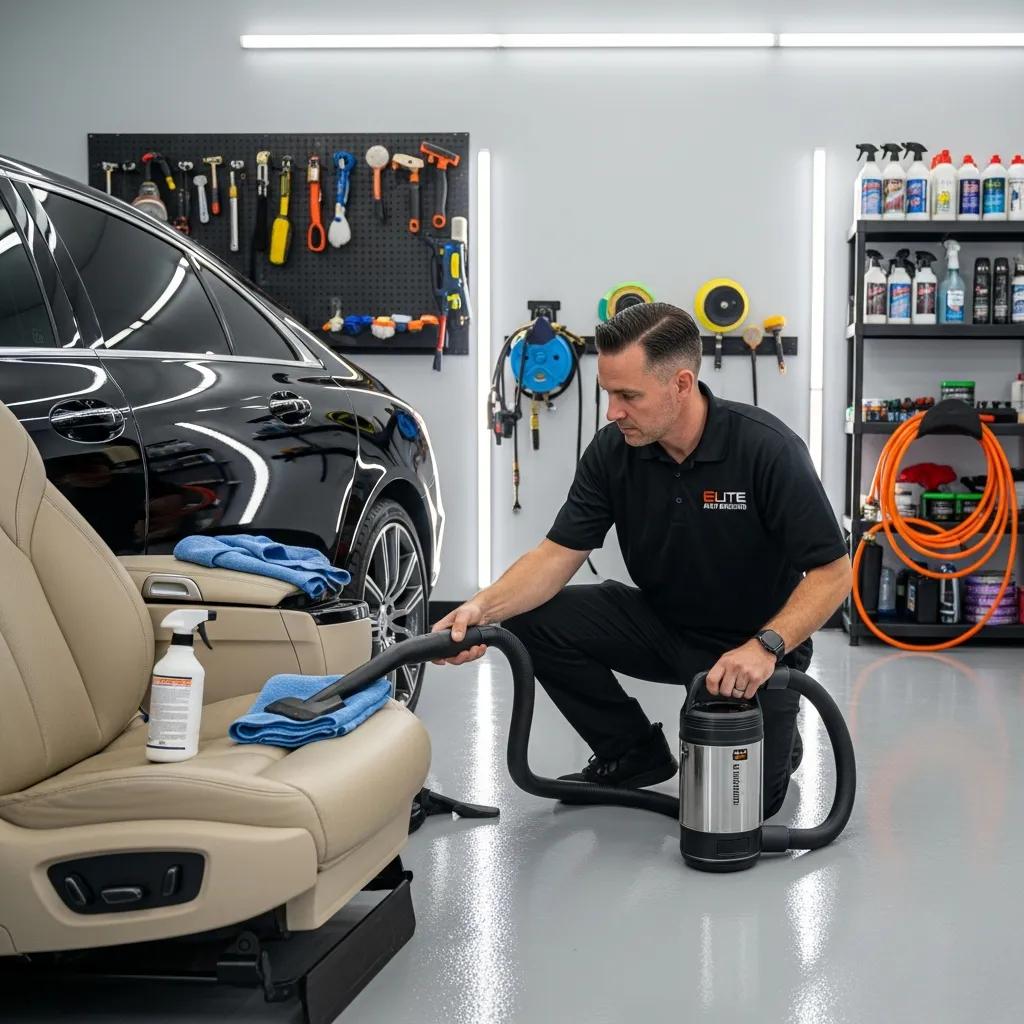
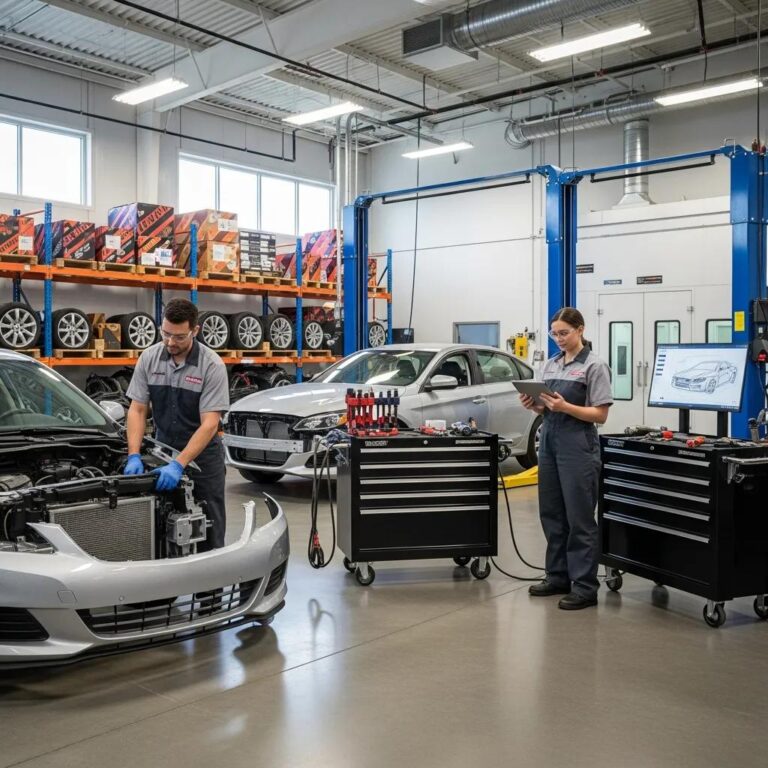
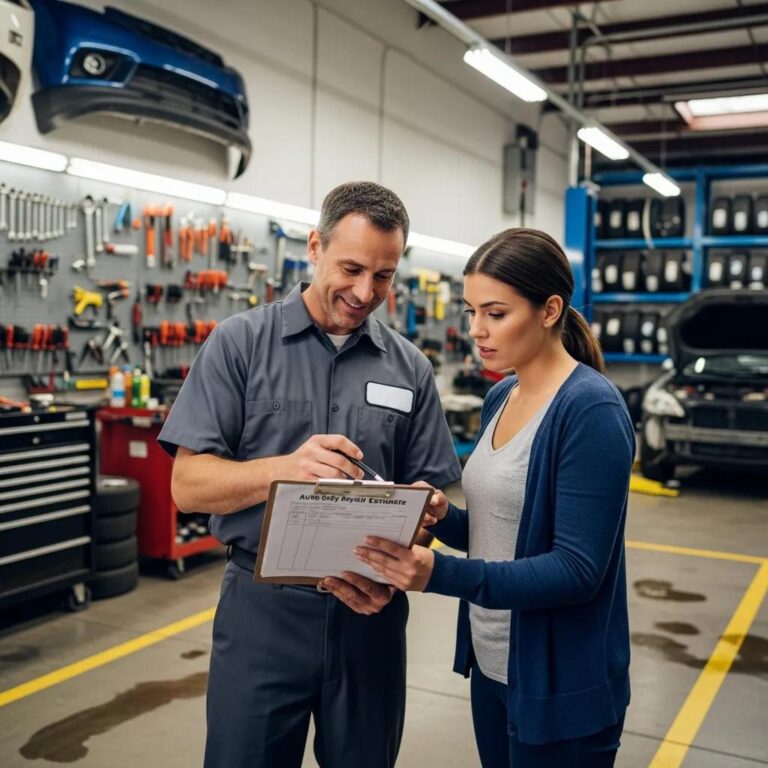
Professional detailing and a few targeted repairs usually give the best return on investment because they improve photos and first impressions—the two biggest factors that get buyers through the door. Start with a full interior and exterior detail, address obvious bumper scuffs, restore foggy headlights, and make sure tires and brakes look serviceable. These fixes are relatively affordable but heavily influence buyer perception. If you’re near Glendale, CA, consider a pre-sale inspection and detailing at an OEM-quality shop to create documented records and resolve mechanical issues that could derail a sale. Prime Time Collision Center offers pre-sale inspections, professional detailing, minor cosmetic and mechanical repairs, plus free estimates so you can weigh repair cost against likely resale gains and collect official paperwork to support your price.
Collecting invoices and receipts in a tidy buyer packet makes the sale smoother—details on that are in the documentation section below.
How Do I Determine the Right Price for My Used Car in a Private Sale?
Pricing a car for private sale blends objective valuation tools with adjustments for condition, history, and local demand. Start with a baseline from valuation sites, then tweak it for mileage, recent maintenance, accidents, trim/options, and seasonal trends. List slightly above your target to leave room for negotiation, while staying within the range local buyers expect. The table below summarizes major valuation factors and typical impacts so you can make informed adjustments when setting your asking price.
| Factor | Typical impact on price | Guidance |
|---|---|---|
| Condition (cosmetic/mechanical) | -5% to -20% for visible issues | Repair if cost-effective; otherwise disclose and provide invoices |
| Mileage | -$0.05 to -$0.25 per extra mile (varies by model) | Compare to age averages and adjust price accordingly |
| Accident/Title History | -10% to -30% if severe | Share repair invoices and note OEM/certified work |
| Local market demand | +/- varies by region and season | Check local listings; SUVs or trucks may carry premiums |
Which factors matter most for your car will guide how you use online tools and local comps to finalize your number.
Which Factors Affect My Car’s Valuation and Pricing?
Key valuation drivers are mechanical condition, mileage, accident history, maintenance records, trim/options, and local demand. Strong maintenance history and recent, verifiable repairs can add hundreds or thousands in buyer confidence. A documented accident or structural repair usually lowers value unless it’s been repaired to OEM standards and clearly documented. Highlight desirable options (safety packages, navigation) and time your listing for seasonal demand when reasonable—convertibles sell better in warm months; AWD vehicles can fetch more in winter. Use this understanding to fine-tune your listing and expected price.
Next, we explain how to combine online valuations and local comparables to land on a competitive asking price.
How Can I Use Online Tools to Set a Competitive Price?
Use online valuation tools by first collecting accurate vehicle details—VIN, exact trim, options, and current odometer reading—then checking several sources to create a pricing band. Compare private-party values on Kelley Blue Book, Edmunds, and CarGurus, and scan local listings for similarly equipped vehicles and mileage. Price slightly above your lowest acceptable amount to leave negotiation room, and set a firm bottom line you won’t cross. If you have recent certified repairs or major maintenance, raise the asking price and call those items out in your listing to justify the premium.
Once your price is set, gather the paperwork buyers expect so you can close the sale quickly—details follow next.
What Documents Are Needed to Sell a Car Privately?
Selling privately means preparing both legal transfer documents and buyer-confidence materials so ownership moves cleanly and negotiations stay straightforward. Common legal items include the vehicle title, bill of sale, odometer disclosure (if required), and current registration. Helpful trust builders are maintenance records, repair invoices, and a vehicle history report. Having these documents organized speeds closing, reduces inspection friction, and often results in stronger offers. The table below lists essentials, why each matters, and the simple action to take to prepare them.
| Document | Why it’s needed | Action to take |
|---|---|---|
| Title | Legally transfers ownership | Locate it, follow state signing rules, or order a duplicate if needed |
| Bill of Sale | Records the transaction and protects both parties | Prepare a signed bill of sale with price, date, and buyer/seller details |
| Vehicle History Report | Shows past accidents or claims and builds trust | Order a report and offer it to serious buyers |
| Maintenance/Repair Records | Shows consistent care and specific repairs | Organize invoices by date and highlight OEM-certified work |
Presenting a complete packet when buyers ask reduces back-and-forth and keeps the sale moving.
Which Legal Documents Must I Prepare for a Private Sale?
Most states require a properly signed title to transfer ownership, a bill of sale, and any required odometer disclosure or emissions forms. Requirements vary, so check your state DMV for exact instructions on signatures, notarization, and form fields. The title transfer is the legal core—make sure buyer information is recorded correctly to avoid future liability. A clear bill of sale documents price, condition, and any “sold as-is” language; keep a copy for your records. Confirm state-specific rules before finalizing the sale.
Having legal forms ready complements maintenance documentation—buyers appreciate transparency, which we cover next.
How Do Maintenance Records and Repair Documentation Build Buyer Confidence?
Chronological maintenance records and repair invoices show a vehicle was looked after, lower perceived risk, and can justify a stronger asking price. A car with documented brake work, a recent timing-belt service, or certified collision repairs feels more reliable than one with vague maintenance notes. Put invoices, inspection reports, before/after photos, and any insurance claim summaries into a concise packet—digital and printed copies—so buyers can review them quickly. Sharing this packet at first serious contact signals transparency, shortens inspections, and reduces buyers’ leverage to press for steep discounts.
Good documentation flows directly into a clearer marketing and listing strategy, covered next.
How Can I Market My Car Effectively for a Private Sale?
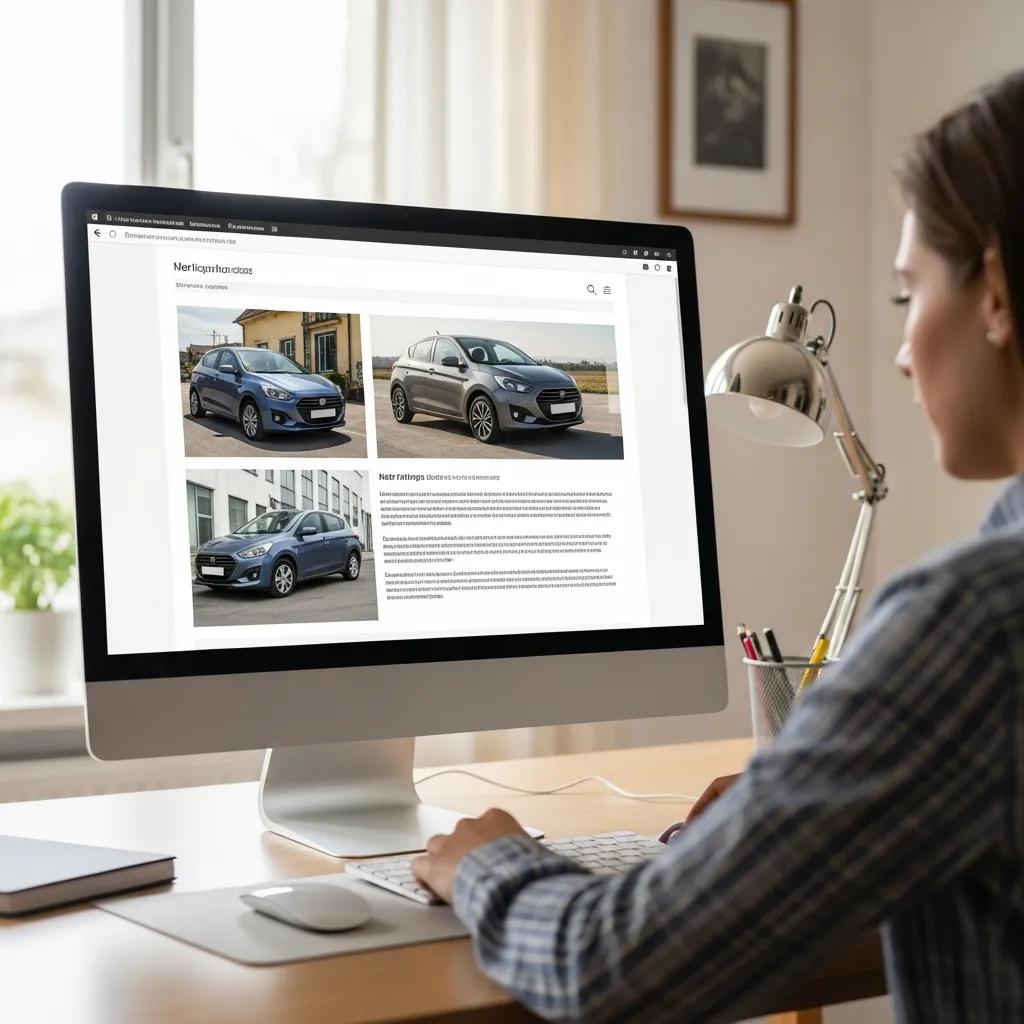
Effective marketing pairs strong visuals, honest descriptions, and platform choices that match buyer intent. The idea is simple: clear photos and documentation boost clicks and qualified replies; accurate descriptions cut down on wasted showings. Use a consistent listing template that calls out top selling points—recent maintenance, certified repairs, and a clean title—include a fair price, and give clear contact instructions for test drives. Below you’ll find a photo shot list, a short description template, and platform guidance to help you reach local buyers quickly.
Better photos and clearer descriptions bring more qualified leads—next up are safety steps for handling those buyers in person.
What Are Best Practices for Creating a Compelling Listing?
A strong listing pairs a short, honest description with a consistent photo set so buyers can judge condition before contacting you. Use this photo shot list and description template:
- Exterior front three-quarter shot that shows the whole car.
- Exterior rear three-quarter shot and close-ups of any blemishes.
- Interior shots of front seats and dashboard, including the odometer.
- Engine bay and trunk photos to show cleanliness and condition.
- VIN plate photo and snapshots of any repair invoices or key documents.
In the description, start with make, model, year, mileage, and notable features. Then list recent maintenance (brakes, tires, certified repairs), call out any known issues, and end with contact details and test-drive availability. Clear photos and facts reduce low-quality inquiries and position you as a trustworthy seller.
These listing basics work well across platforms—pick channels that fit the buyer you want to reach.
Which Platforms Should I Use to Reach Potential Buyers?
Choose platforms based on how fast you want to sell and who’s likely to buy your car. Local marketplaces and classifieds are best for quick, in-person sales; national or specialty sites reach buyers who will pay a premium for certain models. Post the same clear description and photo set across listings to save time and keep messaging consistent. Be mindful of platform fees and lead quality, and screen inquiries by text or email to prioritize serious buyers before scheduling meetups.
After you attract buyers, follow safety protocols and choose secure payment methods to finish the sale—details next.
What Safety Measures Should I Take When Selling My Car Privately?
Protect yourself and your funds with simple safety steps for meetings, test drives, and payments. The basic rule: verify identity and funds before handing over keys or ownership, and meet in public, well-lit places. Check a buyer’s driver’s license, accompany test drives when possible, and prefer bank-verified payment. The sections below offer a meeting/test-drive checklist and secure payment advice to keep both parties safe.
These precautions let legitimate buyers inspect the car while reducing your exposure to scams and theft.
How Do I Ensure Safe Test Drives and Buyer Meetings?
Start by screening inquiries and choosing public meeting spots. Verify the buyer’s driver’s license and insurance before they drive, meet in a busy location (many people use police station parking lots), and bring someone with you if possible. Plan a short test-drive route and stay nearby while they drive. Keep the car’s title and sensitive documents with you until you’re ready to close the sale, and avoid giving out your home address for initial meetings. These steps reduce risk and make negotiations easier to manage.
When you agree to sell, use verifiable payment methods and confirm funds have cleared before signing the title—see below.
What Secure Payment Methods Protect Me From Fraud?
Use verifiable bank transfers, cashier’s checks confirmed at the issuing bank, or an escrow service for out-of-area deals. Avoid personal checks and be cautious about large cash transactions unless you can securely verify the money at a bank. If a buyer brings a cashier’s check, meet at their bank branch to confirm it. For transfers, wait for funds to clear into your account before signing the title and handing over keys. For long-distance sales, an established escrow service protects both parties by holding funds until conditions are met.
Following these payment practices reduces fraud risk and helps you close with confidence.
How Do OEM Certified Repairs Impact My Car’s Resale Value?
OEM-certified repairs can improve resale value by returning the car to factory repair standards and giving buyers verifiable documentation. The benefit is trust: certified work done to manufacturer specs and backed by invoices reassures buyers about safety and structure, which often supports a higher asking price. The table below compares repair types and their typical effect on resale so you can decide whether certified work is worth the cost.
| Repair Type | Certification & Documentation | Typical resale impact |
|---|---|---|
| OEM certified repair | Factory-standard work with invoices and certification | Positive — reduces buyer discount and supports a higher price |
| Uncertified repair | Limited paperwork; unknown parts or methods | Neutral to negative — buyers may lower offers due to uncertainty |
| Cosmetic touch-up | Surface work without structural repair | Small positive — improves appearance but limited safety impact |
What Are the Benefits of Certified Collision Repairs for Private Sellers?
Certified collision repairs give buyers confidence by restoring structural integrity, using OEM parts and methods, and providing clear documentation. When buyers can see invoices and certifications, they’re less likely to fear hidden damage and less likely to demand large discounts or walk away after an inspection. Certified repairs also usually pass independent inspections more easily, speeding the sale. Sharing before/after photos and official invoices communicates professionalism and transparency—and can justify a higher asking price compared with unverified repairs or DIY work.
That’s why repair documentation and claim summaries are valuable—details follow.
How Can Repair Documentation and Insurance Claims Support My Sale?
Create a concise buyer packet with repair invoices, certification statements, before/after photos, and a short insurance-claim summary to turn repair history into a selling point. Scan invoices and certifications, note which parts were OEM, and include photos of repaired areas with the odometer and VIN in view. Explain insurance claims in plain language so buyers understand scope and that OEM standards were used. Offer both printed and digital copies at showings. If you’re in Glendale, CA, working with a nearby OEM-quality shop that documents repairs and offers a pre-sale inspection makes this packet stronger and reassures buyers about repair quality.
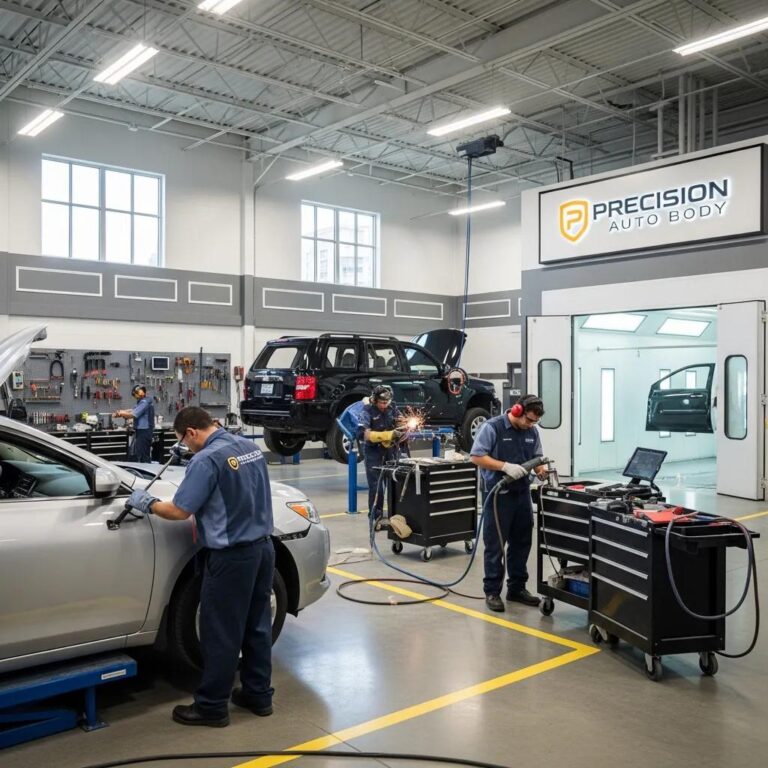
Prime Time Collision Center, a Glendale-area OEM-quality auto body shop with I‑CAR Platinum Certified Technicians, provides pre-sale inspections, repair documentation, professional detailing, and free estimates to help sellers prepare a clear disclosure packet and maximize resale value.
If you want certified documentation and a clean inspection report before listing, a pre-sale estimate and inspection from a certified center can be a cost-effective step to support a higher asking price and speed up negotiation.
Frequently Asked Questions
What should I do if my car has a salvage title?
Be upfront about a salvage title—buyers must know the vehicle was once declared a total loss. Provide detailed repair records and before/after photos to show the car’s current condition. Order a vehicle history report and price the car accordingly; a salvage title usually reduces market value compared with a clean title.
How can I handle negotiations with potential buyers?
Know your lowest acceptable price and have documentation ready to justify your asking price. Listen to buyer concerns and be open to reasonable counteroffers, but stay firm on your minimum. Stay calm and professional—remind buyers of recent maintenance, certified repairs, and the car’s strengths. Be prepared to walk away if offers don’t meet your expectations.
What are the best times of year to sell a car privately?
Seasonal demand matters. Spring and summer are best for convertibles and sports cars; fall and winter favor SUVs and all-wheel-drive vehicles. Local market conditions also matter—check listings in your area and time your sale when demand for your vehicle type is strongest.
How can I ensure a smooth transaction during the sale?
Prepare paperwork in advance (title, bill of sale, maintenance records), pick a safe public meeting spot, and verify the buyer’s identity before handing over keys. Use secure payment methods and confirm funds have cleared before signing the title. Clear, prompt communication helps keep expectations aligned and the transaction smooth.
What should I do if my car has mechanical issues?
You can either repair the issues before listing to boost value and buyer interest, or sell the car as-is while being transparent about known problems. Provide any repair quotes or part invoices you have and set a price that reflects the condition so buyers know what to expect.
How can I improve my car’s online listing visibility?
Use high-quality photos and a concise, keyword-rich description that highlights features and recent maintenance. Post on multiple platforms—local classifieds, marketplace apps, and specialty sites when appropriate—and respond quickly to inquiries. Sharing your listing in local community groups can also increase reach.
Conclusion
Selling your car privately gives you more control and often more money—if you prepare carefully. Clean the car, document maintenance and repairs, set a realistic, data-backed price, and present a tidy packet of paperwork to buyers. Follow safe meeting and payment practices, and consider certified repairs or a pre-sale inspection when they’ll meaningfully support your asking price. Use these steps and templates to sell faster and keep more of your vehicle’s value—then get back to what matters next.