Is Your Body Shop OEM Certified? Why Certified Collision Repair Matters
When your vehicle needs bodywork, choosing an OEM‑certified shop makes a real difference for safety and value. This guide explains what OEM certification means, the benefits it delivers, and how to spot a certified shop. Many car owners don’t realize the risks of non‑certified repairs—poor work can affect safety, drivability, and resale value. Below we explain OEM certification, why it matters, and how Prime Time Collision Center in Glendale, CA earns drivers’ trust.
What Does OEM Certified Mean for an Auto Body Shop?
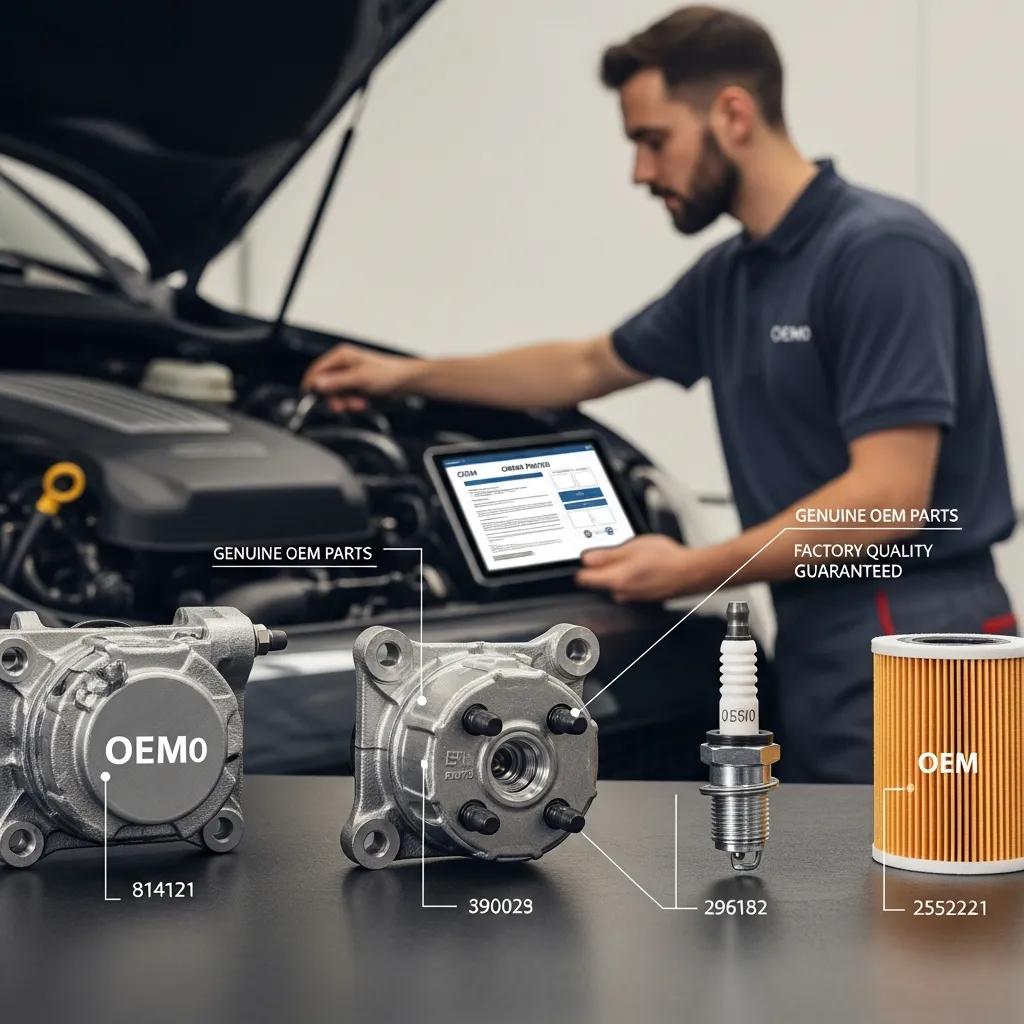
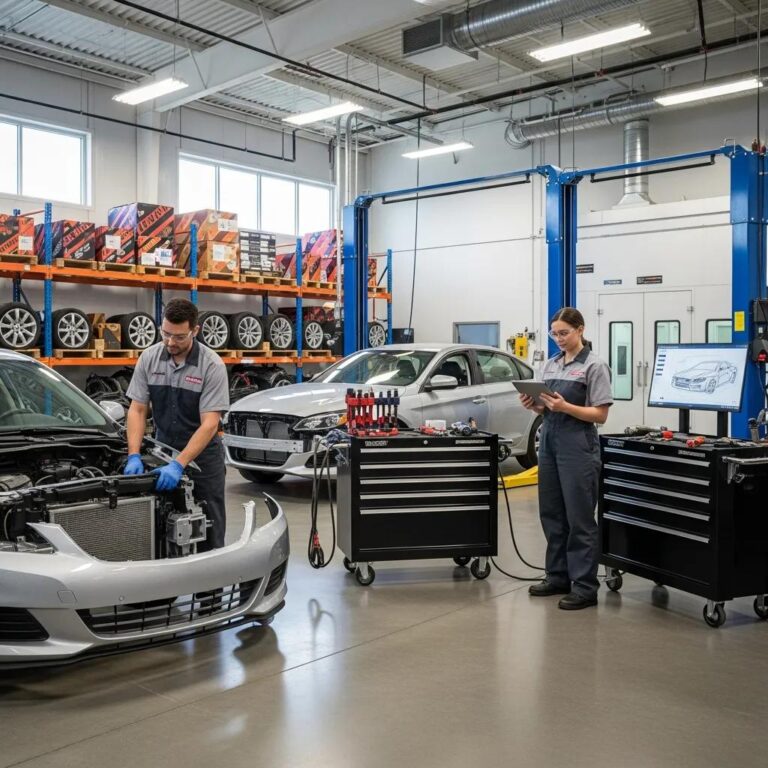
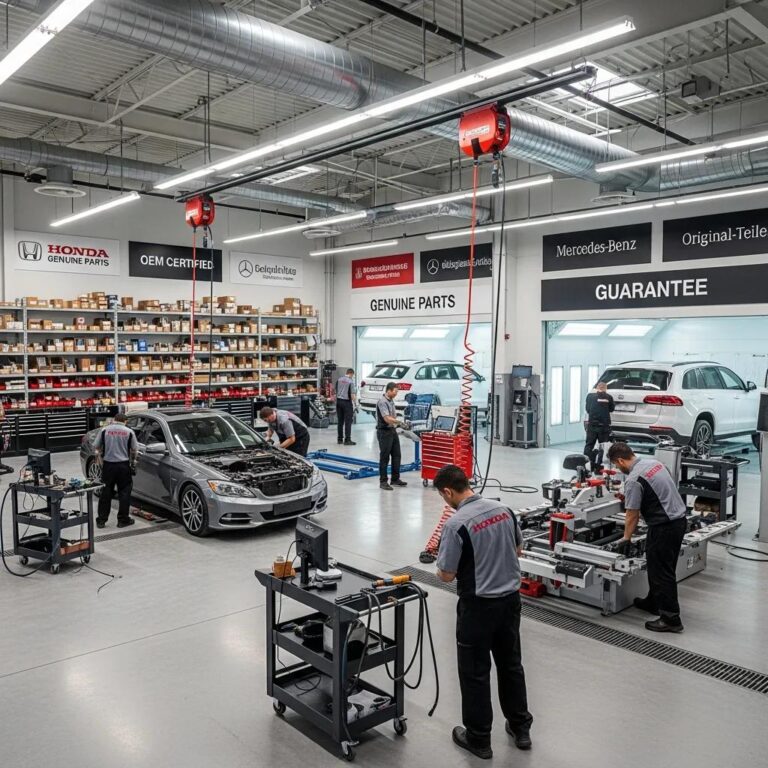
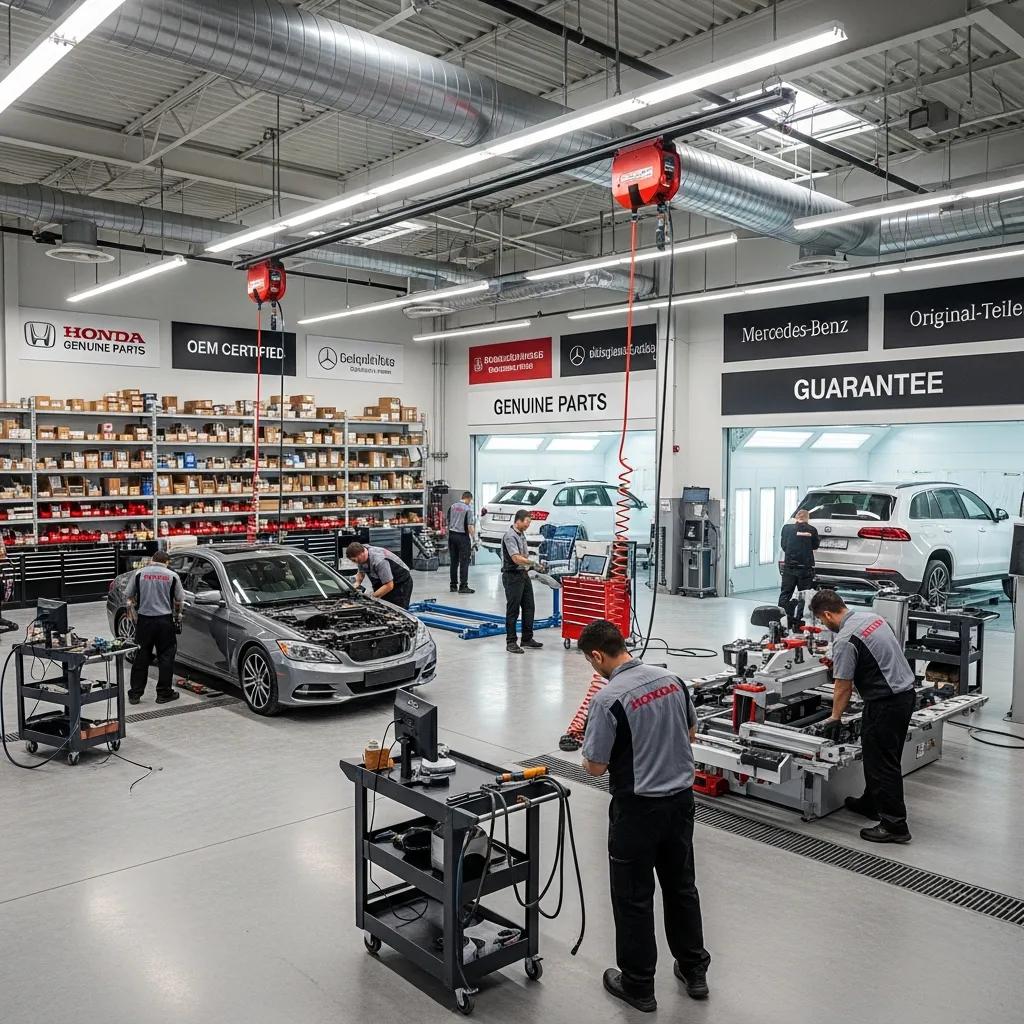
OEM certification means a shop follows the vehicle manufacturer’s repair standards. Certified shops use genuine parts, follow approved repair procedures, and meet manufacturer requirements so the vehicle can be returned as close to factory condition as possible. That attention to detail protects safety, performance, and long‑term value.
How Does OEM Certification Ensure Factory-Quality Repairs?
OEM certification requires targeted training and strict quality checks. Technicians learn manufacturer‑specific techniques and how to work with the latest vehicle systems. With ongoing training and documented processes, certified shops complete repairs that meet—or often exceed—manufacturer expectations, giving owners confidence in the result.
As vehicle technology advances, continuous, specialized training becomes essential for repair technicians.
High-Tech Training for Automotive Service Technicians
Modern cars rely on increasingly advanced technology. To keep vehicles performing as designed, dealer and service networks must invest in ongoing “high‑tech” training so technicians’ skills and knowledge keep pace with new systems. Providing effective training for workshop staff is both a present need and a future challenge.
Maintaining performance of driver assistance systems and automated driving functions over the life cycle, 2020
What Certifications and Standards Define OEM Certification?
Several recognized certifications and standards are commonly part of OEM‑level repair capability. These include:
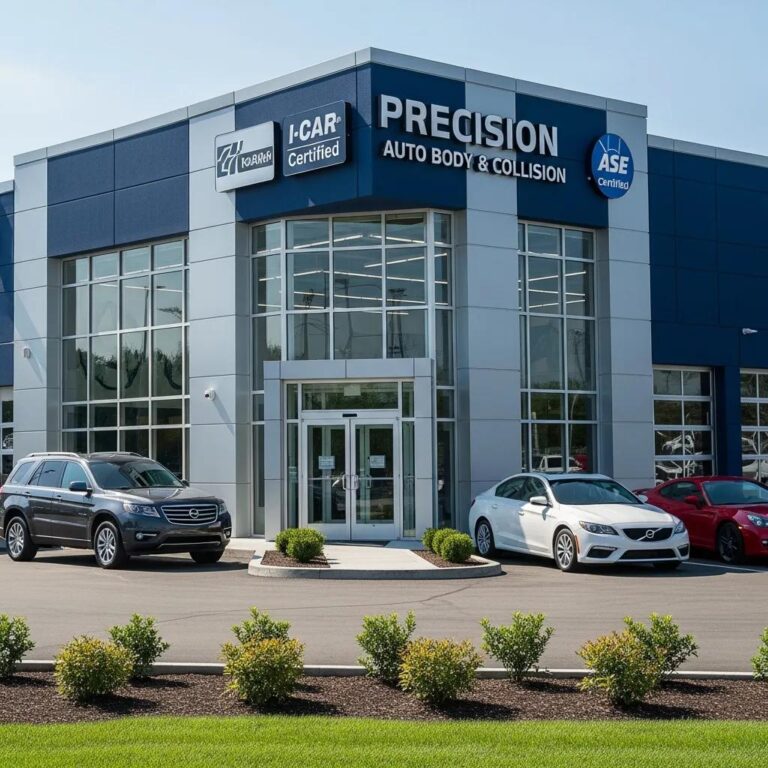
- I‑CAR Certification: Industry training focused on collision repair practices and the latest techniques.
- ASE Certification: Accredited testing that verifies a technician’s competence across automotive service areas.
- Manufacturer‑Specific Certifications: Brand programs that require shops to meet specific facility, tooling, and training standards.
Together, these credentials show a shop is equipped to handle repairs to OEM expectations.
Why Is Choosing an OEM Certified Body Shop Important?
Choosing an OEM‑certified body shop matters because it helps guarantee repair quality, preserves your vehicle’s warranty, and supports long‑term safety.
How Does OEM Certification Preserve Your Vehicle’s Warranty and Safety?
Many manufacturers expect repairs to be performed by certified technicians using genuine parts to maintain warranty coverage. Beyond warranties, certified repairs follow approved methods that reduce the chance of future failures or safety issues caused by improper repairs.
As vehicles rely more on Advanced Driver Assistance Systems (ADAS), OEM standards become even more important for preserving functionality and safety.
OEM Role in ADAS Safety & Functionality
Advanced driver assistance systems and vehicle software are growing more complex. To keep ADAS working reliably—while managing costs and customer expectations—OEMs need systems to collect and analyze data, issue software updates and fixes remotely, and control software complexity across the vehicle lifecycle.
Maintaining and Enhancing Advanced Driver Assistance Systems with Connectivity, 2023
What Are the Benefits of Using Genuine OEM Parts in Repairs?
Genuine OEM parts bring clear advantages:
- Fit and Finish: Parts designed for your model ensure proper fit and performance.
- Durability: OEM components are built to the manufacturer’s standards, so they often last longer than aftermarket alternatives.
- Resale Value: Vehicles repaired with OEM parts retain their value better than those using non‑genuine components.
For these reasons, choosing a shop that prioritizes OEM parts is a smart long‑term choice.
Which OEM Certifications Does Prime Time Collision Center Hold?
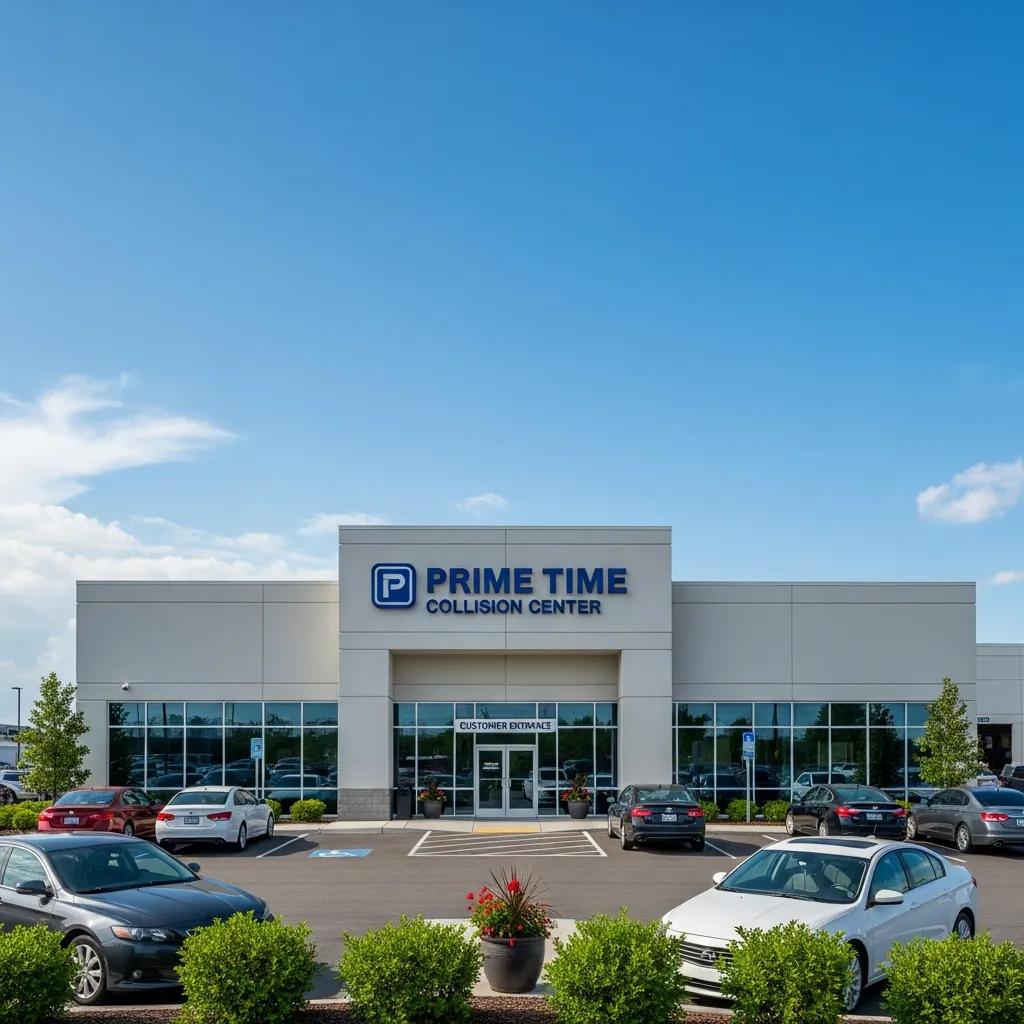
Prime Time Collision Center holds several OEM certifications that reflect our commitment to industry standards and customer care. These credentials demonstrate we meet the training, tooling, and facility requirements set by manufacturers.
What Manufacturer-Specific Certifications Does Prime Time Have?
Prime Time Collision Center maintains certifications from multiple major manufacturers, including:
- Ford Certified Collision Repair: Following Ford’s repair protocols and parts requirements.
- Honda ProFirst Certification: Meeting Honda’s standards for quality repairs.
- GM Certified Collision Repair: Complying with General Motors’ repair procedures and criteria.
These recognitions show our team follows the manufacturer guidance needed for reliable, factory‑level repairs.
How Do Certified Technicians and Advanced Equipment Support OEM Standards?
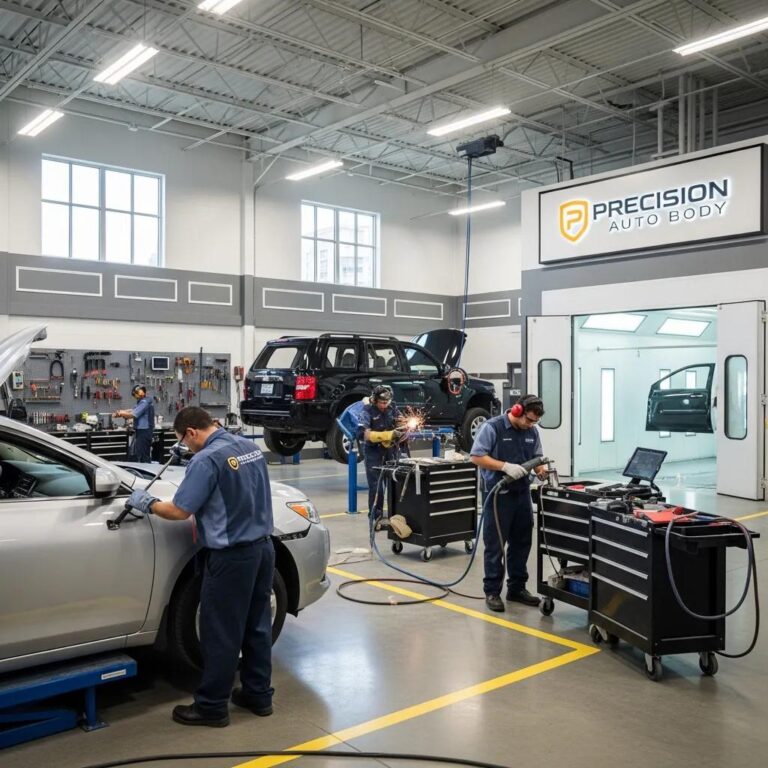
At Prime Time, certified technicians use advanced tools and documented processes to meet OEM expectations. That includes:
- State‑of‑the‑Art Diagnostic Tools: For precise damage assessment and system checks.
- Updated Repair Techniques: Technicians trained on current manufacturer methods and procedures.
- Quality Control Checks: Inspections and final verifications to confirm repairs meet OEM standards.
Skilled technicians plus the right equipment are the foundation of dependable OEM repairs.
How Does OEM Certification Affect Your Insurance Claim Process?
OEM certification can simplify dealings with insurers. Many carriers recognize the value of certified repairs and will work with or recommend certified facilities.
Can You Choose an OEM Certified Shop for Your Insurance Repairs?
Yes. You have the right to choose where your vehicle is repaired—even if your insurer suggests a different shop. Choosing an OEM‑certified shop helps ensure repairs follow manufacturer standards and protects your vehicle’s safety and value.
How Does Prime Time Assist with Insurance Claims for OEM Repairs?
Prime Time supports customers through the insurance process by:
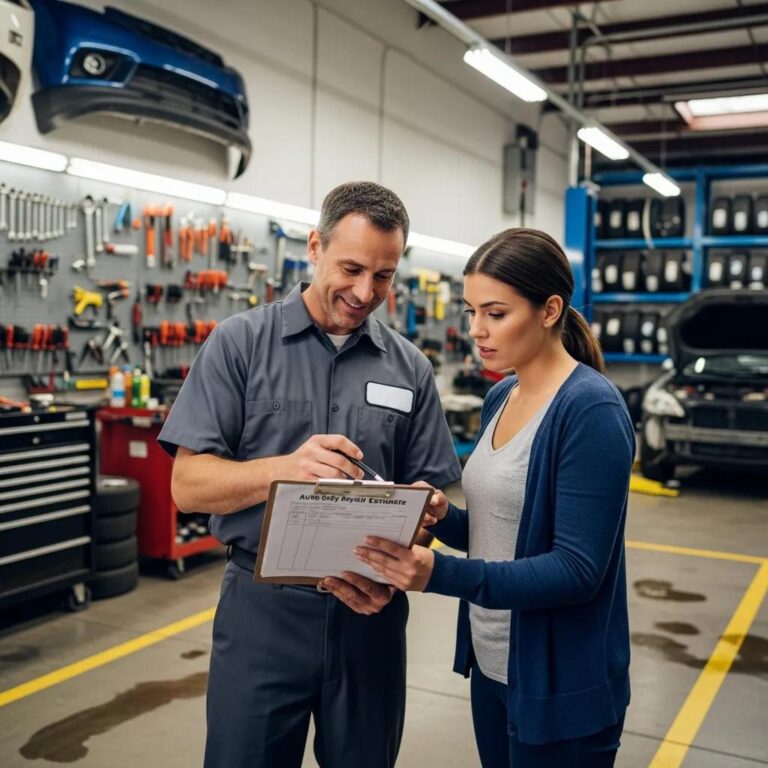
- Preparing Clear Estimates: Transparent cost breakdowns that help avoid surprises.
- Coordinating with Insurers: We handle communications and documentation to streamline approvals.
- Helping Every Step of the Way: We guide you through the claim and repair timeline so you know what to expect.
We aim to make claims straightforward so you can get back on the road with confidence.
What Is Prime Time Collision Center’s OEM Certified Repair Process?
Prime Time follows a proven OEM certified repair process that restores vehicles safely and accurately.
What Are the Steps in Prime Time’s OEM Repair Workflow?
Our OEM repair workflow includes:
- Initial Assessment: A thorough inspection to document damage and identify needed repairs.
- Repair Planning: A detailed plan outlining parts, procedures, and timelines.
- Execution of Repairs: Certified technicians complete repairs using OEM parts and approved methods.
- Quality Control: Final inspections and tests ensure everything meets manufacturer standards before we return the vehicle.
This structured approach helps us deliver consistent, factory‑level results.
How Is ADAS Calibration and Quality Control Handled?
Calibration of Advanced Driver Assistance Systems (ADAS) is a critical part of many repairs. At Prime Time we address ADAS through:
- Specialized Calibration Equipment: Tools designed to align and verify sensors and cameras.
- Technician Training: Staff trained to understand sensor function and calibration procedures.
- Comprehensive Testing: Post‑repair checks to confirm systems operate as intended.
That attention to detail helps keep you and your passengers safe on the road.
Correct ADAS calibration is essential—small changes from body repairs can affect sensor performance and system reliability.
Body Repair Impact on ADAS: OEM Standards & Training
ADAS sensors must function reliably for safe vehicle operation. Factors like age, damage, incorrect disassembly or reassembly, and improper repairs can degrade sensor performance. Studies show body repairs can noticeably affect ADAS accuracy. That’s why following OEM repair manuals, investing in technician training, and using manufacturer‑specified calibration tools are essential for professional repairs.
Maintaining performance of driver assistance systems and automated driving functions over the life cycle, 2020
Choosing an OEM‑certified body shop like Prime Time Collision Center helps protect your investment and keeps your vehicle safe. Understanding what OEM certification means lets you make smarter repair decisions for both today and resale down the road.
Frequently Asked Questions
What should I look for when choosing an OEM certified body shop?
Verify visible certifications like I‑CAR or ASE and any manufacturer badges that match your vehicle. Read customer reviews and, if possible, visit the shop to check cleanliness and equipment. Ask about their parts policy and warranties—reputable shops will stand behind their work.
How can I verify if a body shop is OEM certified?
Check the shop’s website or call to request certification details. Many organizations (I‑CAR, ASE) list accredited facilities online, and manufacturers often publish certified repair networks. If in doubt, ask the shop to show their certificates and training records.
What are the risks of using a non-certified body shop?
Non‑certified shops may use aftermarket parts or follow non‑standard repair methods, which can affect safety, warranty coverage, and resale value. Poorly performed repairs can lead to additional problems and higher costs down the road.
How does OEM certification impact insurance coverage?
Insurers often recognize the value of OEM‑level repairs and may recommend or work with certified shops. Choosing a certified shop can make claims smoother and reduce the chance of follow‑up issues related to improper repairs.
What is the role of technology in OEM certified repairs?
Technology is central: precision diagnostics, software tools, and specialized calibration equipment are required to assess damage and restore complex systems—especially ADAS. Certified shops invest in the tools and training needed to meet manufacturer standards.
Can I trust the quality of repairs at an OEM certified shop?
Yes. OEM‑certified shops follow manufacturer procedures, use genuine parts, and require ongoing technician training. Many offer warranties on repairs, which adds another layer of trust and accountability.
Conclusion
Choosing an OEM‑certified body shop like Prime Time Collision Center helps ensure repairs are done right—protecting safety, warranty coverage, and resale value. Knowing what OEM certification means gives you confidence when selecting a repair facility. If you want OEM‑level care for your vehicle, Prime Time Collision Center is ready to help.