
La Crescenta, CA Collision Repair — OEM‑Certified Auto Body Experts You Can Trust
Getting into a car accident in La Crescenta is unsettling. The right first steps protect your safety, your insurance claim, and the factory safety systems built into your vehicle. This guide walks you through what to do immediately after a crash, the collision repair services available locally, why OEM‑level repairs matter, and how to work with your insurer. You’ll find a clear scene‑safety checklist, a straightforward look at common repair workflows (dent repair, frame alignment, paint matching, glass service, ADAS calibration), and practical tips for dealing with insurance. We also explain how local collision centers support recovery — 24/7 towing, free estimates, certified technicians, and warranty protections — so you can make confident choices after an accident in La Crescenta.
What Should You Do Immediately After a Car Accident in La Crescenta?

Right after a crash, your priorities are clear: stay safe, check for injuries, and preserve evidence for insurance and repairs. If it’s safe to move your vehicle, pull to a secure spot, call emergency services if anyone is hurt or there’s a hazard, and notify local law enforcement when needed. Those steps protect people, make early documentation possible, and create an official record that helps with estimates and claims. Use the checklist below to guide your on‑scene actions.
- Ensure Safety First: Move out of traffic when safe, switch on hazard lights, and check everyone for injuries; call 911 for medical help or fire risks.
- Call Law Enforcement When Needed: Report the collision to local police or CHP if there are injuries, significant damage, or a dispute over fault; get the responding officer’s report number.
- Collect Evidence: Take photos of all vehicle damage, the overall scene, skid marks, nearby signs, and license plates from several angles to document the condition before repairs.
- Exchange Information: Collect names, phone numbers, insurance details, license plate numbers, and witness statements; don’t admit fault at the scene.
Following these steps protects your legal and insurance position and gives repair providers the documentation needed for accurate estimates. After documenting the scene and notifying authorities, arrange vehicle recovery and an initial damage estimate so repairs and claims can move forward.
Step-by-Step Post-Accident Safety and Reporting Guide
Taking a calm, methodical approach after an accident reduces risk and speeds recovery. First, secure the scene and check for injuries — getting medical attention right away can be lifesaving and is important for claims. Photograph everything: close shots of damage, wide shots showing vehicle positions, and context shots with street signs or nearby La Crescenta landmarks to clarify impact dynamics. Collect witness contacts and notify your insurer while keeping copies of any police or CHP reports. Thorough scene documentation improves repair planning and helps avoid disputes about the vehicle’s pre‑repair condition.
Once evidence is documented, arrange towing if the vehicle is undrivable and get a professional damage estimate — both steps help with repair planning and insurance submissions.
How Prime Time Collision Center Provides 24/7 Emergency Towing and Free Estimates
When a tow is needed, fast recovery and a quick damage appraisal reduce further harm and get you into the repair process sooner. Prime Time Collision Center coordinates 24/7 emergency towing and offers free collision estimates to La Crescenta drivers so you can move from the scene to a documented repair plan quickly. Towing your vehicle to our shop lets a certified technician inspect damage in controlled conditions, take precise photos, and prepare an itemized estimate that helps with insurer review and parts ordering. For immediate help, call Prime Time Collision Center at (818) 396-4997 to arrange towing and a no‑cost initial estimate.
A coordinated tow and estimate speeds parts ordering, insurer communication, and repair scheduling — which shortens downtime and simplifies the claims process.
Which Collision Repair Services Are Available in La Crescenta?

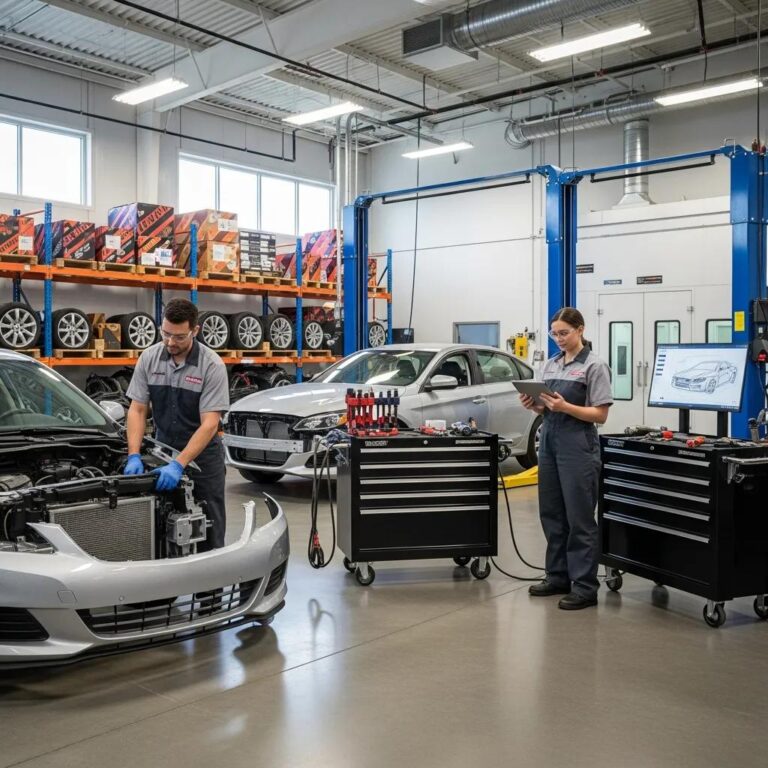
Collision repair in La Crescenta ranges from cosmetic dent work to full structural alignment and advanced sensor recalibration so your vehicle looks and performs like it did from the factory. The typical workflow starts with a damage assessment, continues through structural and mechanical repairs as needed, moves on to painting and finishing, and ends with safety system testing and calibration. Below are the core collision services you should expect after a crash.
- Dent Repair and Paintless Dent Repair: Fix small dents without repainting when the paint is intact to preserve the original finish.
- Frame Straightening and Unibody Repair: Use precision measurement systems to restore crash geometry to factory tolerances.
- Auto Painting and Color Matching: Refinish panels with OEM color matching for a factory look and corrosion protection.
- Glass Repair and Replacement: Replace or repair windshields and windows to meet safety glazing standards.
- ADAS Calibration: Recalibrate cameras and sensors after impact so lane‑keeping, automatic braking, and driver‑assist features work correctly.
Some services are cosmetic, while others are safety‑critical. Choose a shop that performs full diagnostics and calibration to protect vehicle safety systems and warranty coverage.
Below is a quick reference showing when each repair type is commonly required and what it accomplishes.
Different collision services address specific post‑impact needs — pick the work that protects safety first, appearance second.
| Service | When Required | Purpose |
|---|---|---|
| Dent Repair / PDR | Minor panel dents without paint damage | Restore appearance while keeping original paint |
| Frame Straightening | Measured misalignment or structural deformation after impact | Return crash geometry and structural integrity |
| Auto Painting | Surface paint damage or replaced panels | Match factory color and protect against corrosion |
| Glass Repair/Replacement | Cracked, chipped, or shattered glazing | Restore visibility and structural mounting |
| ADAS Calibration | Any camera/sensor impact or steering/trim replacement | Re‑align sensors for driver‑assist systems |
Knowing when each service applies helps you prioritize safety‑critical repairs over cosmetic work. The next sections explain common approaches to dent and structural repairs so you can better evaluate estimates and repair plans.
Comprehensive Auto Body and Dent Repair Services
How a dent is repaired depends on size, location, and paint condition. Paintless dent repair (PDR) works well for small depressions when the paint is undamaged; larger, creased, or edge dents usually require panel removal and conventional bodywork. A structural assessment separates cosmetic issues from those needing frame measurement — technicians use visual checks and diagnostic tools to determine whether factory alignment specs must be met. Quality control includes finish inspections, adhesion checks, and paint curing validation to ensure lasting results. For La Crescenta drivers, ask to see before‑and‑after photos and how the shop verifies finish quality so expectations are clear.
Deciding between PDR and panel replacement naturally leads to confirming that structural alignment and finish work will meet OEM tolerances.
Frame Straightening, Auto Painting, and Glass Repair Options
Frame alignment uses computerized measurement systems to compare vehicle dimensions to manufacturer tolerances; technicians apply controlled pulling and jigging equipment to restore the chassis or unibody geometry. Auto painting relies on factory color formulas and controlled spray booths to get a uniform finish and protect against rust, with final color checks to blend repairs seamlessly. Glass repair or replacement follows safety glazing standards: windshields are bonded with the correct adhesives and mounting checks so they continue to contribute structurally in a collision. After structure, paint, and glass work are finished, technicians perform ADAS calibration and diagnostic verification to return all safety systems to spec.
Calibration and system testing are the final, critical steps for modern vehicle safety functionality.
Why Choose an OEM Certified Body Shop in La Crescenta?
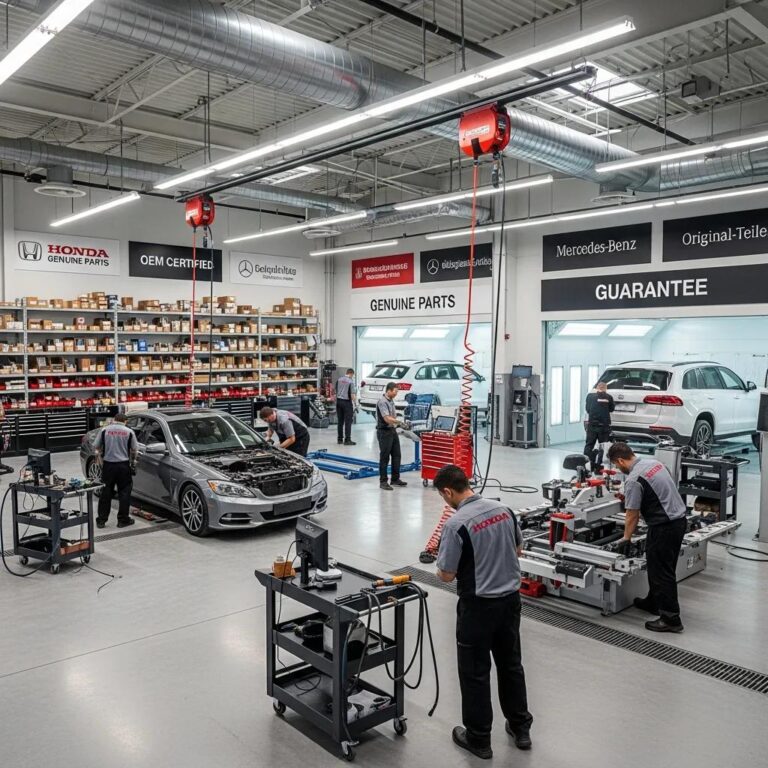
Choosing an OEM certified shop means repairs follow manufacturer specs for parts, procedures, and safety testing — protecting crashworthiness and warranty coverage. OEM‑level repairs focus on correct part fit, approved repair methods, and post‑repair validation of safety systems, which improves long‑term reliability and resale value. Certification shows that technicians receive ongoing training and that the facility keeps the right tooling and processes to meet factory expectations. Below are the main benefits drivers should weigh when selecting a repair provider in La Crescenta.
- Safety Integrity: Repairs to factory specifications preserve designed crash performance and occupant protection.
- Warranty Preservation: Using OEM parts and methods lowers the risk of affecting manufacturer warranties.
- Resale Value: Documented OEM repairs help maintain resale value by showing factory‑quality restoration.
- Accurate Fit and Function: OEM parts and procedures improve fit, finish, and long‑term compatibility.
Prioritizing factory standards often pays off over time, especially when safety systems are involved. The table below compares OEM, aftermarket, and recycled parts across safety, fit, and warranty impacts.
| Part Type | Safety / Fit / Warranty | Practical Impact |
|---|---|---|
| OEM Parts | Meets factory specs and aligns with warranty requirements | Preserves crash performance and manufacturer coverage |
| Aftermarket Parts | Quality and fit can vary; may not meet factory tolerances | Potential compromises in fit, finish, or durability |
| Recycled/Used Parts | Lower cost but unknown history | Risk of prior damage or wear affecting performance |
Keeping repairs aligned with factory standards leads to better long‑term outcomes and explains why certifications and technician training matter. The next section covers how OEM certification supports those standards.
Benefits of OEM Certified Repairs for Vehicle Safety and Warranty
OEM certified repairs reduce the chance of compromised crash performance because technicians follow manufacturer repair sequences and use recommended fasteners, adhesives, and assembly methods. That approach restores load paths, crumple zones, and restraint systems as designed — essential for occupant protection in future collisions. Warranty coverage also favors OEM‑compliant work: approved parts and documented procedures support continued manufacturer warranty for related systems. In La Crescenta, ask for documentation of parts and procedures used during repair to get clarity and confidence about safety and long‑term value.
These benefits naturally lead to checking technician qualifications — the people doing the work must be trained to deliver OEM results.
Understanding I-CAR Platinum Certification and Factory-Quality Standards
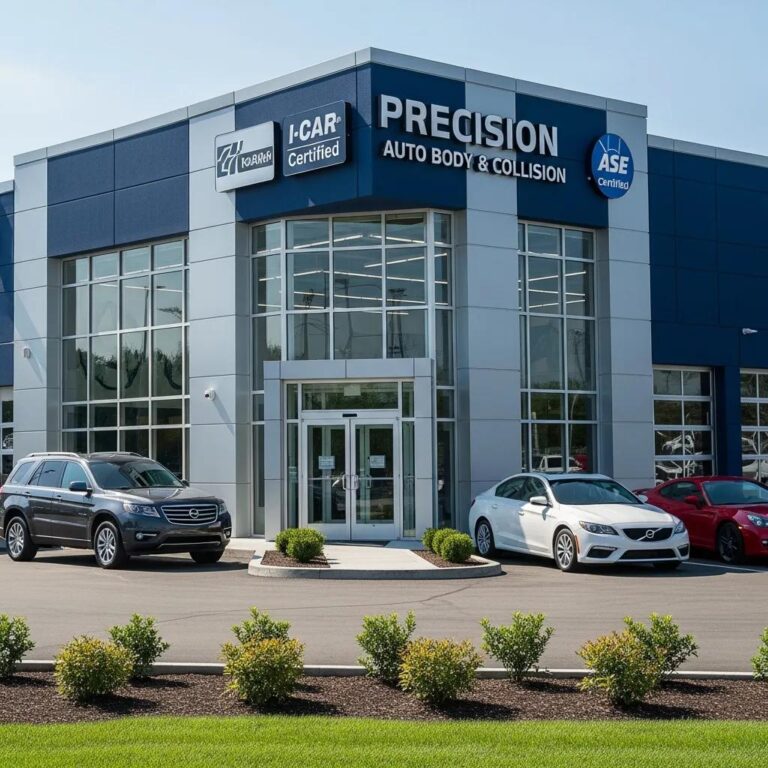
I‑CAR Platinum status means an organization and its technicians have completed advanced training and ongoing education aligned with industry best practices for collision repair. Training covers modern vehicle construction, structural repair, adhesives, and electrical systems, including ADAS sensor and camera tech. Shops that support continuing education and validated training are more likely to follow detailed repair procedures that protect safety system performance. For La Crescenta drivers, asking whether a facility emphasizes certified training and documented workflows helps identify shops committed to factory‑quality outcomes.
Technician certification is directly tied to precise repair execution and the ability to perform ADAS calibration and complex structural work correctly.
How Does Prime Time Collision Center Assist with Insurance Claims in La Crescenta?
Prime Time Collision Center helps simplify insurance claims by providing detailed free estimates, thorough documentation, and direct communication with insurers to speed approvals. We work with all major insurance companies to upload estimates and photos, explain repair procedures, and advocate for OEM parts when safety requires them. Free initial estimates plus clear documentation reduce administrative friction and help you understand timelines and coverage. Here are specific ways a collision center supports customers during the claims process.
- Free Detailed Estimates: Itemized repair plans with photos to submit with your claim.
- Insurer Coordination: Share documentation with insurers and explain repair steps that protect safety systems.
- Claim Guidance: Walk you through approvals, supplements, and typical timelines so you know what to expect.
The table below shows how Prime Time supports drivers at each claim stage to speed repairs and reduce surprises.
| Claim Stage | What Prime Time Provides | Benefit |
|---|---|---|
| Estimate | Free itemized estimate with photos and a clear repair plan | Faster insurer review and a defined scope of work |
| Documentation | Upload photos and repair notes directly to the insurer | Reduces follow‑up questions and delays |
| Repairs | Advocate for OEM parts and manage supplement requests | Protects safety and minimizes rework |
Providing thorough estimates and insurer coordination shortens the time from accident to completed repair and helps avoid common delays tied to parts or supplemental discoveries. The next section explains what to bring to an estimate and how insurer communication typically works.
Working with All Major Insurance Companies for Seamless Claims
Collision centers streamline insurer communication by submitting digital estimates, parts lists, and damage photos to reduce back‑and‑forth. Bring your claim number, vehicle registration, and any police or incident reports to your free estimate appointment to speed the process. The shop can explain insurer options, including direct repair programs, while advocating for OEM parts when needed to maintain safety system integrity. Clear, proactive communication and complete documentation minimize unexpected holdups and align repair planning with insurer expectations.
Knowing how insurers interact with repair shops leads to a closer look at what a free estimate includes and how it supports approvals.
Guidance Through the Insurance Process and Free Repair Estimates
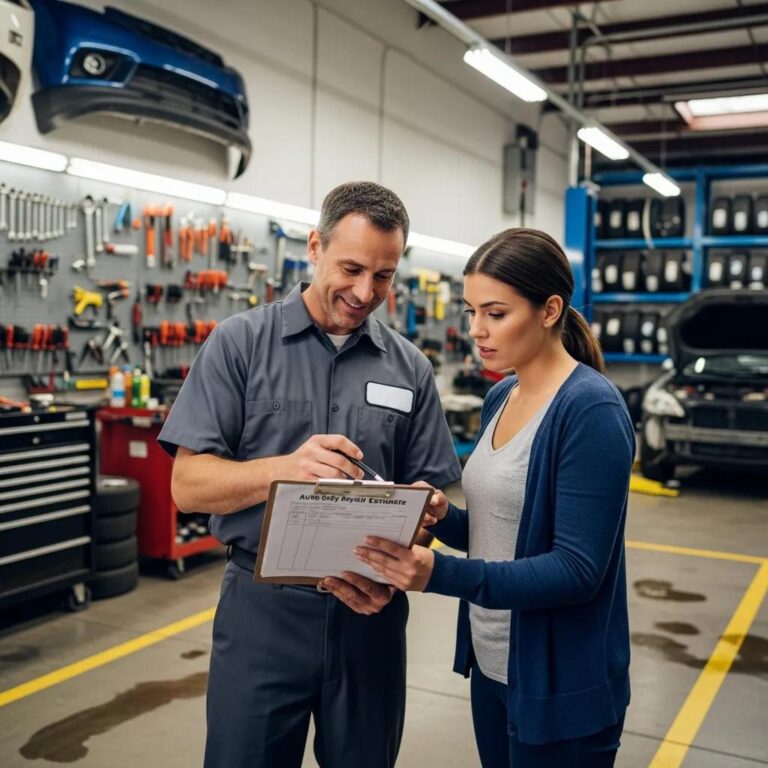
A free repair estimate usually lists damaged items, includes photos, identifies required parts (OEM or approved alternatives), estimates labor time, and notes calibration or structural work. This estimate is what insurers use to approve work and to determine whether supplements will be needed after disassembly. Bringing scene documentation and the estimate to insurer conversations reduces ambiguity and speeds claims processing. For La Crescenta drivers, an itemized estimate up front sets realistic timelines and clarifies possible out‑of‑pocket costs.
Detailed estimates give insurers the evidence they need to authorize repairs and allow shops to order the right parts without repeated delays.
What Makes Prime Time Collision Center the Trusted Choice for La Crescenta Drivers?
Trust comes from certified technicians, documented repair procedures, clear communication, and strong warranty protections. Prime Time Collision Center focuses on factory‑quality repairs by trained technicians and supports customers with free estimates, 24/7 towing coordination, and a lifetime warranty on workmanship. Those elements create a predictable repair experience that protects safety, durability, and peace of mind for drivers in La Crescenta and nearby communities. Below are the core trust signals customers typically consider when choosing a repair shop.
- Certified Technicians: Staff trained through recognized programs with continuing education.
- Lifetime Warranty: Written guarantees that cover workmanship per shop policy.
- Transparent Estimates: Itemized plans and photographic documentation before repairs begin.
- Emergency Support: Towing coordination and fast damage assessment to reduce downtime.
These trust signals help you choose confidently during a stressful time. The sections below cover customer experiences and the equipment that supports consistent results.
Customer Testimonials and Lifetime Warranty on Repairs
Customer feedback and a solid warranty are practical ways a shop shows it stands behind its work. Prime Time Collision Center provides a lifetime warranty on repairs, offering ongoing protection against workmanship defects as described in our policy. While experiences vary, warranty coverage and documented repair records are reliable indicators of long‑term commitment. Ask for written warranty terms and examples of how warranty claims are handled so you know what to expect before authorizing work.
Warranties and customer experiences point to the importance of facility equipment and technician skill in delivering consistent results.
State-of-the-Art Equipment and Skilled Certified Technicians
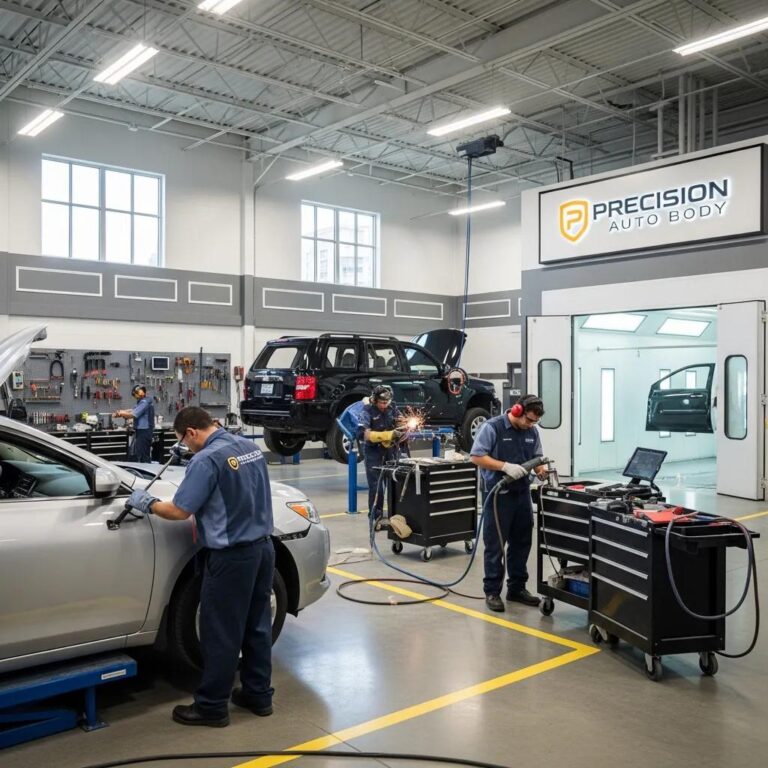
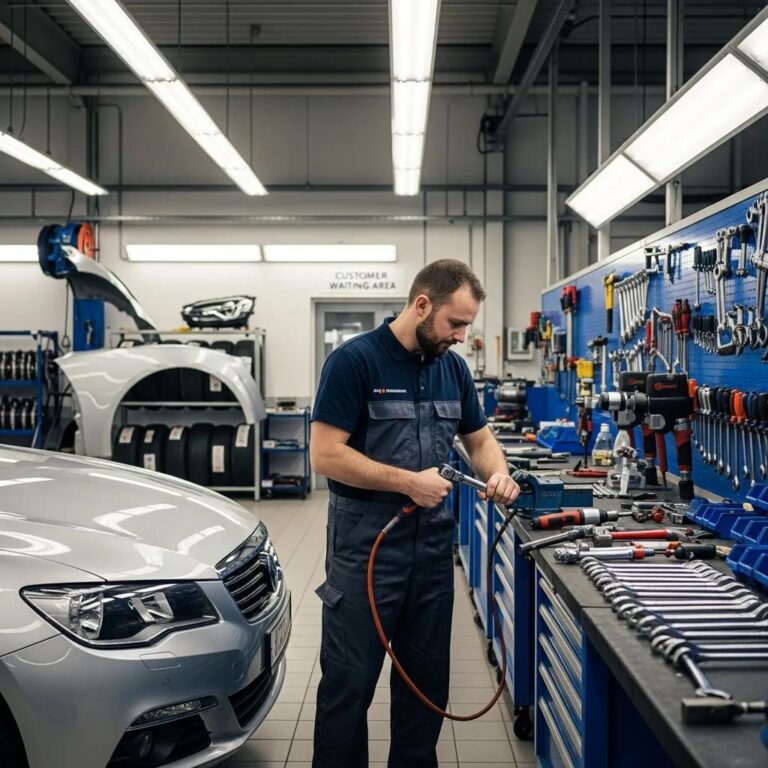
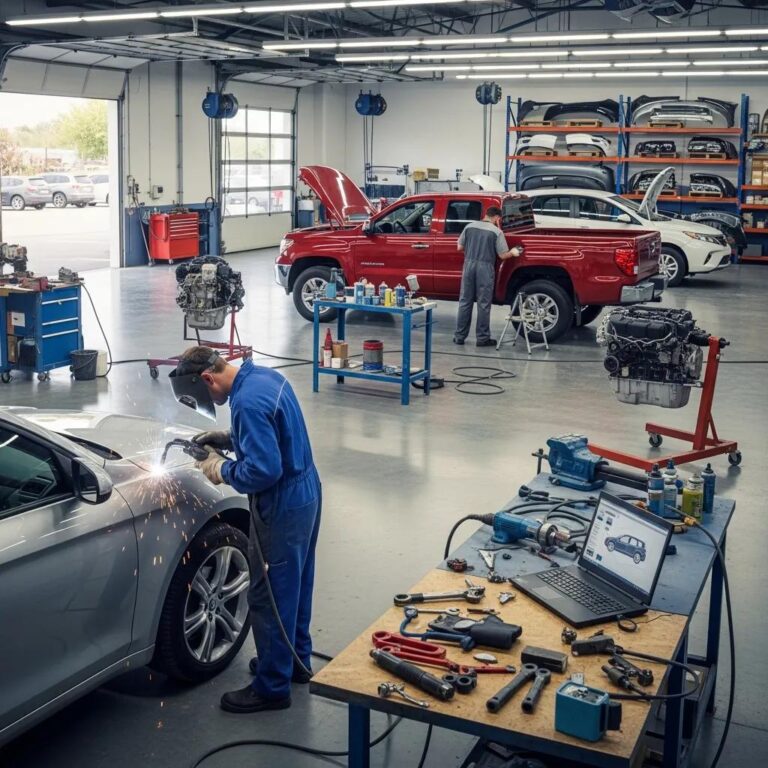
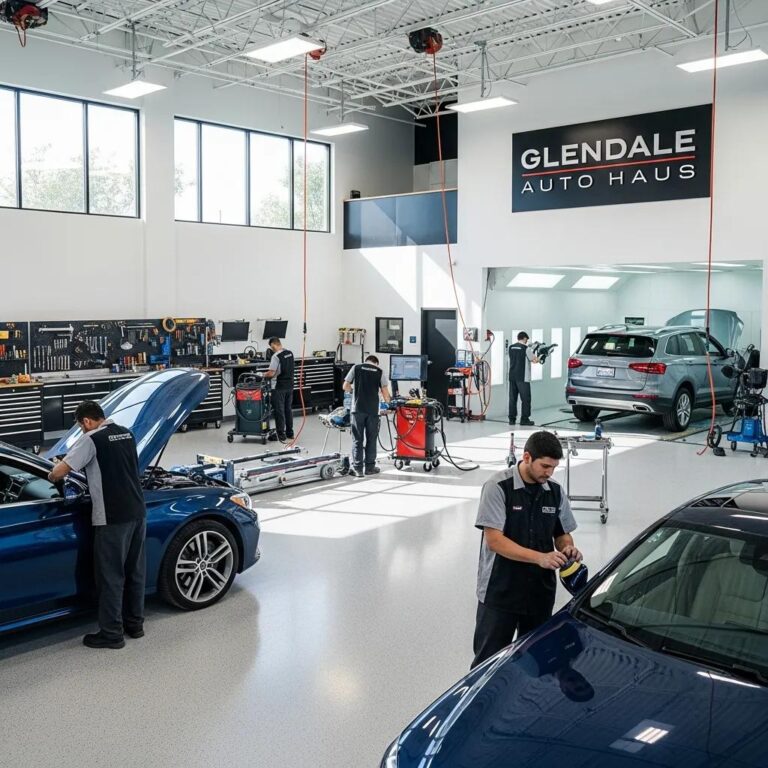
Factory‑quality repairs require calibrated frame machines, controlled paint booths, and ADAS calibration tools to restore geometry and sensor alignment accurately. Skilled, certified technicians follow manufacturer procedures with these tools to protect structural integrity and advanced safety systems. Combining modern equipment with ongoing technician training reduces variability in outcomes and supports consistent, verifiable results. For La Crescenta drivers, confirm that a facility uses calibration tools and maintains training records so modern vehicles — including those with complex electronics — are repaired correctly.
Equipment capability plus technician skill reduce rework and provide a stronger basis for warranty‑backed repairs and safe returns to the road.
What Are Common Questions About Collision Repairs in La Crescenta?
Drivers often ask about repair timelines, service for luxury or electric vehicles, and rental and warranty options after a collision. Repair time depends on damage severity, parts availability, and whether structural or ADAS calibration is required. Specialized vehicles usually need OEM parts and trained technicians. Below are concise answers to common questions La Crescenta drivers search for after an accident.
- How long will repairs take? Timelines range from a few days for minor dents to several weeks for structural work and parts‑dependent repairs.
- Can luxury and electric vehicles be repaired? Yes — but they typically require OEM parts, specialized procedures, and technicians trained for high‑voltage and sensor systems.
- What about rental cars and warranty coverage? Rental availability and warranty outcomes depend on your insurer and the documented repair scope; a detailed estimate clarifies both.
These answers set expectations and underscore the value of early documentation and clear communication with your repair center and insurer. The next sections expand on typical repair timelines and special considerations for luxury and EV models.
How Long Does a Typical Repair Take?
Repair timelines depend on damage severity, parts lead times, and whether structural realignment or ADAS calibration is required. Minor cosmetic work and paint blending can often finish in a few days once parts are available; structural repairs, parts ordering, and sensor recalibration can extend the schedule to multiple weeks. Insurer approvals and discovery of supplemental damage after disassembly also affect completion dates, so build contingency time into expectations. Staying in regular contact with your repair provider and insurer reduces uncertainty and helps track progress against realistic milestones.
Knowing typical timelines leads to questions about specialized vehicles and the extra steps they may need.
Do You Offer Repairs for Luxury and Electric Vehicles?
Luxury and electric vehicles use specialized materials, advanced electronics, and high‑voltage systems that require OEM parts and manufacturer procedures. Repairs prioritize OEM components, verified sensor calibration, and strict battery safety protocols to maintain warranty and performance. Shops with the right tools and certified staff can service luxury and EV models safely — but always confirm the facility documents procedures and parts used to protect warranty and resale value. Those safeguards protect both performance and occupant safety.
These specialized processes reinforce why certified training and documented OEM procedures matter when choosing a collision repair provider in La Crescenta.
Frequently Asked Questions
What should I look for when choosing a collision repair shop?
Look for certifications, technician training, and clear warranty terms. OEM certification shows a shop follows manufacturer specifications. Check experience with your vehicle type — especially for luxury or electric models — and read customer reviews for reliability and service quality. Transparent estimates and consistent communication are essential for a smooth repair experience.
How can I ensure my vehicle’s safety systems are properly repaired?
Choose an OEM‑focused collision center that follows manufacturer guidelines for parts and procedures. Ask about ADAS calibration processes for sensors and cameras and request documentation of the repairs and parts used so you have proof the work meets safety standards.
What is the difference between OEM and aftermarket parts?
OEM (Original Equipment Manufacturer) parts are made to the vehicle maker’s standards for fit and performance. Aftermarket parts come from third parties and can vary in quality and fit. While aftermarket parts can be cheaper, they may not match original specs and could affect safety or warranty coverage. For safety‑critical repairs, OEM parts are generally the recommended choice.
How do I handle insurance claims after an accident?
Report the accident to your insurer and provide documentation like the police report and photos. Get a detailed estimate from your repair shop to submit to your insurer. Many shops, including Prime Time Collision Center, will coordinate directly with insurers to help speed approvals and clarify necessary repairs. Keep records of all communications.
What if my vehicle requires specialized repairs?
For luxury or electric vehicles, confirm the shop has the right expertise, tools, and OEM parts. Ask about their experience with your make and model and whether they document the work and parts used to protect warranty and performance standards.
Can I get a rental car while my vehicle is being repaired?
Yes — many shops help arrange rental cars, but coverage depends on your insurance policy and the repair scope. Check your policy for rental benefits and ask the repair shop about rental partners to streamline the process.
What should I do if I notice issues after repairs are completed?
If you find problems after repairs, contact the repair shop right away. Most reputable shops, like Prime Time Collision Center, back their work with warranties and will address workmanship issues per their policy. Document the issue and share details so the shop can assess and resolve it.
Conclusion
Knowing the collision repair process in La Crescenta helps you make smart decisions that protect safety and vehicle value. Choosing an OEM‑certified shop like Prime Time Collision Center means repairs follow manufacturer standards, helping preserve performance and warranty. With complete services, transparent estimates, and hands‑on help with insurance claims, you can move through the aftermath of an accident with confidence. Contact us today to schedule your free estimate and see the difference careful, certified repairs make.