Los Angeles Auto Body Shop: Choosing Quality Repair Services

Los Angeles Auto Body Shop — Choose OEM-Certified Collision Repair You Can Rely On
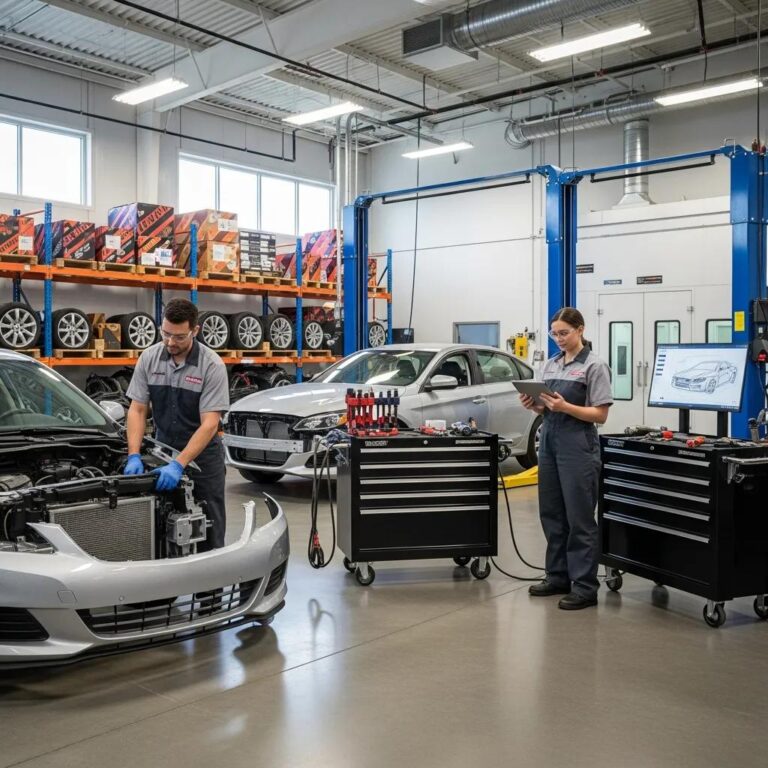
Being in a crash is stressful. Picking the right Los Angeles auto body shop makes a real difference in how safe and reliable your car is after repairs. OEM-certifiedcollision repair follows manufacturer procedures, uses approved parts, and includes proper calibration so your vehicle’s crash performance, electronics, and resale value are preserved. This guide explains why OEM certification matters, how insurance-approved repairs work, the step-by-step repair process, and the specialized services L.A. shops offer. You’ll learn how to spot quality repairs using markers like genuine parts, frame-measure systems, and ADAS calibration — plus practical tips for working with shops and insurers. We also cover paintless dent repair, frame straightening, and emergency towing, with local advice for drivers in Los Angeles, Burbank, Pasadena, and Glendale.
Why Choose an OEM Certified Auto Body Shop in Los Angeles?
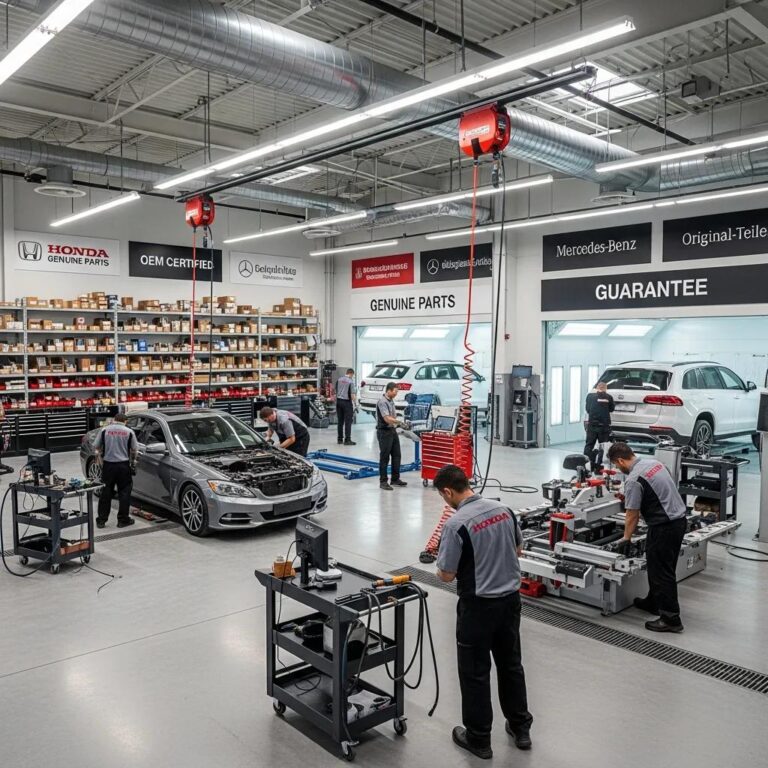
OEM-certified repairs follow automaker instructions, use factory-approved parts, and include the calibration steps needed for modern safety systems so your vehicle performs like it did before the crash. Manufacturers publish repair protocols and testing requirements that protect structural integrity and electronics; shops with OEM alignment follow those protocols to preserve crashworthiness. Choosing an OEM-certified shop lowers the chance of poor repairs, helps with lease or resale inspections, and supports manufacturer warranty coverage when the repair requires it. Below are the main customer benefits that make OEM certification a smart choice for L.A. drivers.
OEM-certified repairs provide three core advantages:
- Safety First: Certified procedures help keep structural integrity and occupant protection systems working as designed.
- Resale & Lease Protection: Genuine parts and documented OEM processes make inspections and lease returns smoother.
- Electronic Systems Reliability: Correct ADAS calibration and OEM diagnostics keep driver-assist features functioning properly.
These advantages matter most for luxury vehicles, electric models, and leased cars where tight tolerances and software updates are critical. The section below explains how OEM practices protect safety and value.
What Does OEM Certification Mean for Your Vehicle‘s Safety and Value?
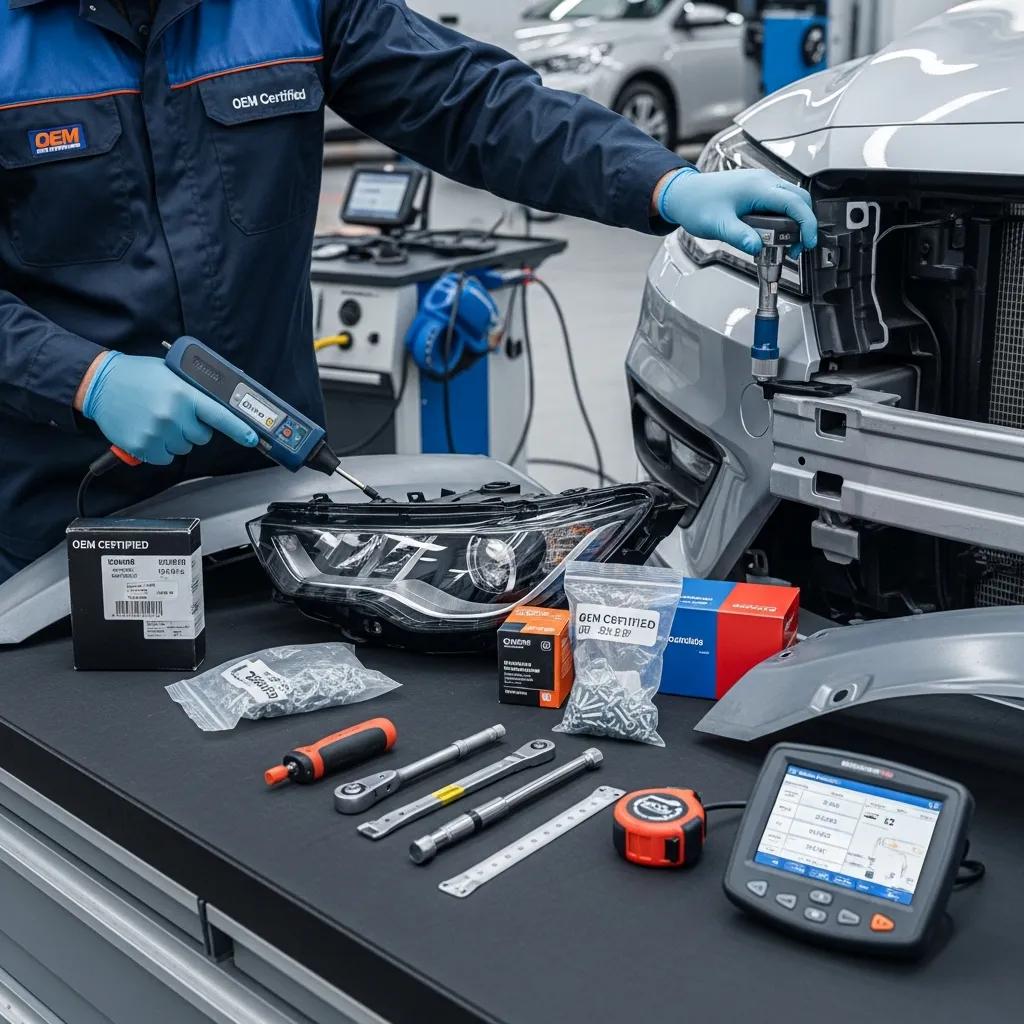
OEM certification means a repair facility follows factory-approved methods, fits factory-specified parts or approved equivalents, and documents the work to manufacturer standards — all of which directly affect crash performance and long-term durability. Structural components, welds, and adhesives are engineered to manage energy in precise ways; skipping OEM steps can change how a vehicle absorbs impact. For owners, this translates to preserved crashworthiness, traceable part provenance for inspections, and fewer post-repair problems tied to incorrect calibration. Industry guidance increasingly stresses that ADAS sensors and control units must be recalibrated to manufacturer specs so features like automatic emergency braking work as intended after repairs. Knowing how process ties to safety and value helps owners prioritize OEM-certified shops when it matters most.
High-quality vehicle repair is a worldwide focus — many countries maintain standards and training systems to keep repair work reliable and safe.
Global Practices That Improve Auto Repair Quality
This study reviewed repair systems in the United States, Germany, and Japan — all leaders in the automotive repair field — and compared them to domestic practices. The analysis found useful models in the U.S. emphasis on specialized repair businesses, Germany’s Vehicle Technician Meister training, and Japan’s recognition programs for high-quality repair shops. These systems offer ideas for raising repair standards elsewhere.
해외 자동차정비제도 현황 분석을 통한 국내 제도 개선방안 연구, 2020
How Does Prime Time Collision Center Meet OEM Certification Standards?
Prime Time Collision Center focuses on factory-quality repairs by combining trained technicians, calibrated equipment, and documented procedures that match OEM recommendations — protecting safety and vehicle value for local drivers. Our technicians hold advanced credentials like I-CAR Platinum, ensuring they understand structural repair, vehicle electronics, and manufacturer processes required for today’s cars. The shop uses industry-grade frame machines, OEM calibration tools, and verified parts sourcing, and we include documented quality checks at each stage. For drivers in Glendale, Burbank, Pasadena, and across Los Angeles, these practices show how an OEM-focused provider turns technical standards into dependable repairs and clear paperwork for owners and insurers.
Before we walk through insurance steps, this short table clarifies types of OEM certification and what they mean for customers evaluating a repair shop.
This table compares certification types, who recognizes them, their scope, and the customer benefits each offers:
| Certification Type | Recognized By | Scope | Customer Benefit |
|---|---|---|---|
| Manufacturer OEM Program | Vehicle manufacturers (example models) | Full factory procedures, parts, and calibration | Preserves warranty and manufacturer-grade safety |
| I-CAR Accreditation | Industry training organization | Technician competence across repair topics | Ensures trained staff for modern vehicle systems |
| Specialty OEM Endorsements | Brands or dealer networks | Brand-specific tooling and parts access | Better fit-and-function for luxury/EV repairs |
Knowing these distinctions helps you prioritize shops based on the level of OEM alignment your vehicle needs. That makes it easier to evaluate repair claims and talk with insurers.
How to Navigate Insurance-Approved Collision Repair Services in Los Angeles
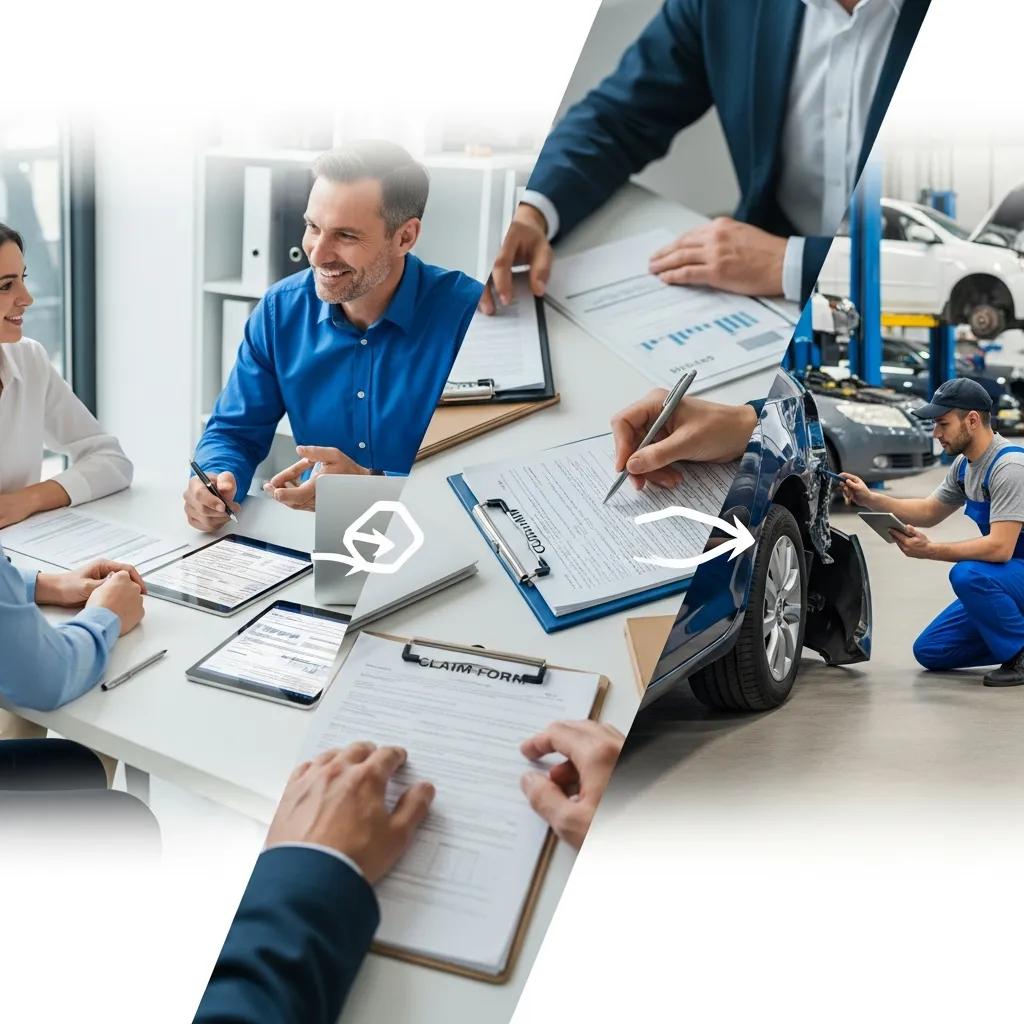
Handling an insurance-approved collision repair means understanding the difference between insurer-endorsed networks and independent shops, and managing estimates, approvals, and paperwork so repairs move forward without avoidable delays. The process is both administrative and technical: insurers sometimes run direct repair programs (DRPs) that simplify billing and approvals, while independent shops deliver equivalent technical work but rely on clear documentation and communication to satisfy adjusters. In Los Angeles, choosing a shop that coordinates with insurers, provides free estimates, and documents OEM steps can reduce friction and speed repairs. Below we outline how shops typically work with insurers and what to expect during a claim.
When you file a claim, follow these steps to move from accident to repair authorization:
- Report the accident to your insurer and document the scene — take photos and get police reports when needed.
- Contact a repair shop for a free estimate and damage documentation you can share with your adjuster.
- Let the shop communicate with the insurer by providing repair plans, parts lists, and OEM procedure notes.
- Authorize repairs once the estimate and coverage match and stay in regular contact with the shop and adjuster.
Which Insurance Companies Does Prime Time Collision Center Work With?
Prime Time Collision Center partners with major insurers and has established processes to submit detailed estimates and repair documentation for adjusters, making approvals smoother whether we’re in-network or independent. Practically, that means we prepare thorough estimates, photos, and OEM repair notes adjusters can use to approve work. The result for customers is fewer back-and-forths, clearer timelines, and documentation that supports OEM parts and calibration needs. For Los Angeles drivers, choosing a repair partner that regularly works with insurers reduces administrative hassle and helps protect repair quality through proper approvals.
How Does Prime Time Assist with Hassle-Free Insurance Claims?
We make claims easier by offering free estimates, preparing insurer-ready documentation, and speaking directly with adjusters to explain OEM repair steps and parts needs. Our estimator documents damage with photos and detailed line items that reference manufacturer procedures when necessary, which improves transparency for both owners and insurers. Customers receive clear timelines, regular status updates, and help scheduling repairs once authorization is granted — all of which minimize downtime and stress. By acting as the technical bridge between owner and insurer, a trusted repair shop helps ensure repairs meet safety and OEM standards.
Before we walk through the repair workflow, the table below maps each repair phase to expected activities and timeframes so owners know what to expect.
| Repair Phase | Primary Activity | Expected Outcome / Timeframe |
|---|---|---|
| Estimate & Intake | Damage documentation and insurer contact | Free estimate provided; 1–3 business days |
| Disassembly & Assessment | Remove panels and inspect hidden damage | Revised estimate if needed; 1–4 days |
| Structural Repair | Frame straightening and assembly | Measured alignment restored; 1–5 days |
| Paint & Finish | Paint matching and curing | OEM color match; 1–3 days |
| Reassembly & Calibration | ADAS recalibration and systems test | Systems restored and road-tested; 1–2 days |
| Final QA & Delivery | Final inspection and customer walk-through | Completed repair with documentation; 1 day |
This timeline sets realistic expectations and highlights the points where approvals and communication typically happen. Understanding these stages helps you plan logistics and coordinate with your insurer more effectively.
What Are the Key Steps in the Collision Repair Process at Prime Time Collision Center?
Our repair process follows a clear sequence: estimate, disassembly, structural repair, parts sourcing, paint, reassembly with ADAS calibration, and final quality assurance. We begin with a detailed estimate that captures visible and likely hidden damage, then move through technical repairs that require calibrated equipment and documented procedures to protect OEM integrity. We keep owners and insurers informed at every step so scope changes, timelines, and technical needs are transparent. The list below summarizes the workflow so you can quickly see each phase and its purpose.
A concise 1–6 summary of the typical repair workflow:
- Initial Estimate and Damage Documentation: In-shop or virtual estimate to capture damage and start the claim.
- Disassembly and Hidden Damage Assessment: Open panels to reveal structural or mechanical issues.
- Structural & Frame Repair: Use frame machines and measurement systems to restore alignment.
- Parts Ordering and Bodywork: Source OEM parts and perform panel repair or replacement.
- Paint and Finish: Color matching, painting, and controlled curing in a paint booth.
- Reassembly, ADAS Calibration, QA: Reinstall components, calibrate safety systems, and complete the final inspection.
How Is a Free Auto Body Estimate Provided?
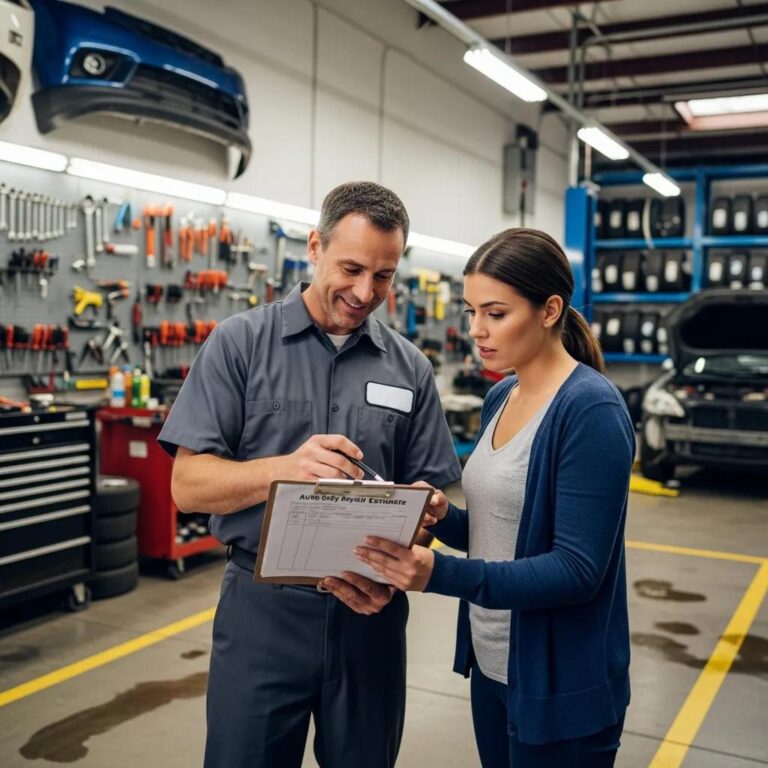
We offer free estimates either in person or via a virtual/photo estimate. Technicians document visible damage and note likely hidden issues, required parts, and recommended procedures. In-shop estimates allow limited disassembly to confirm internal damage, while photo-based estimates rely on clear images and detailed notes. For insurers, comprehensive documentation — line-item estimates, photos, and references to OEM procedures — speeds reviews and approvals. If disassembly reveals more damage, we update the estimate and keep you informed. We recommend owners bring accident documentation and be present for the initial walk-through so the estimator can explain findings and next steps.
What Are the Stages of Quality Car Repair in Los Angeles?
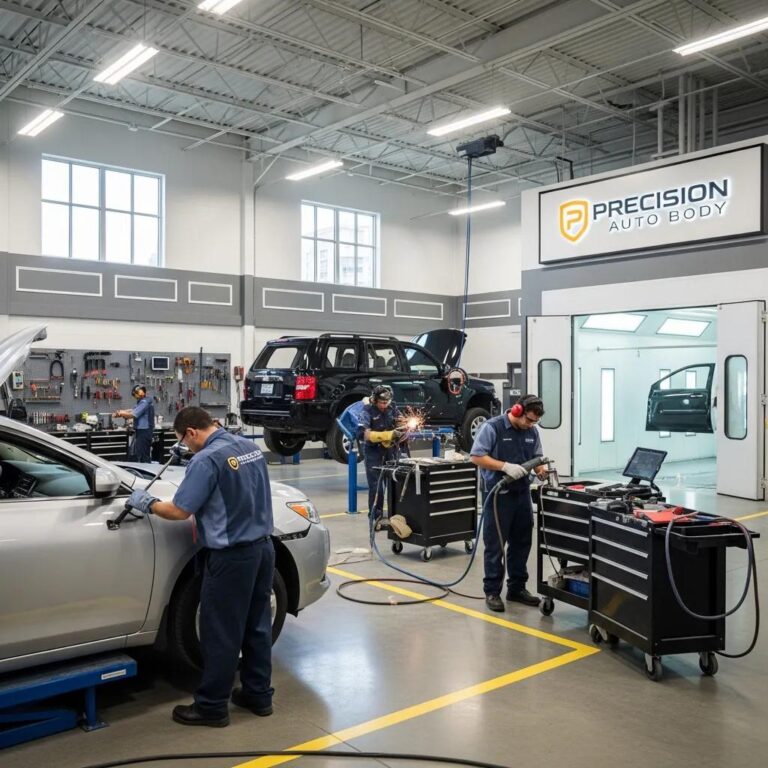
Quality repair moves from thorough assessment to structural restoration, exacting paintwork, and electronic system calibration, with checkpoints at each stage to confirm fit, function, and safety before handoff. Measurement systems verify structural alignment; certified frame machines restore design tolerances; paint booths provide controlled conditions for color matching and finish; and OEM calibration tools ensure ADAS sensors and electronics meet manufacturer specifications. Each stage includes QA checks — alignment readings, paint match confirmation, and live system tests — that validate repair integrity before proceeding. These checkpoints help you choose a shop that prioritizes documented, methodical work over quick cosmetic fixes.
Why Is Prime Time Collision Center Considered the Best Auto Body Shop in Los Angeles?
Prime Time Collision Center earns trust by combining OEM-focused repairs, trained technicians, and customer-first services that simplify claims and recovery for L.A.-area drivers. Our commitment to factory-quality repairs and ongoing technician training improves safety outcomes, while practical services like free estimates and 24/7 towing reduce stress after an accident. These operational strengths, plus documented procedures and insurer coordination, are why drivers rely on us to protect their vehicle’s safety and value. Below are the key trust signals to look for when choosing a local shop.
- Certified Technicians: Technicians with advanced industry training who understand modern vehicle systems.
- OEM Repair Commitment: Use of genuine parts and manufacturer procedures for structural and electronic repairs.
- Customer Support Services: Free estimates, insurance coordination, and emergency towing when you need it.
What Qualifications Do Our I-CAR Platinum Certified Technicians Hold?
I-CAR Platinum certification indicates advanced technician training across collision repair disciplines, including structural work, electronics, and the skills needed for modern vehicles and ADAS systems. The program emphasizes hands-on competency and ongoing education so technicians stay current with new materials and repair methods — essential for aluminum bodywork and EV repairs. For owners, I-CAR Platinum technicians mean more reliable repairs, fewer post-repair issues, and clear documentation for insurers and manufacturers. That training ensures complex calibration and structural work meet recognized standards.
How Do Customer Testimonials Reflect Our Commitment to Quality?
Customer reviews often highlight steady communication, accurate estimates, and the quality of finished repairs — all reliable indicators of a shop’s consistency. Patterns in testimonials show whether a shop communicates changes promptly, meets timelines, and delivers repairs that hold up in follow-up inspections or road tests. L.A. drivers should look for recurring themes of transparency during claims and demonstrated competency with modern vehicle systems. Those patterns help separate providers that prioritize cosmetic fixes from those committed to OEM-standard repairs and thorough documentation.
What Specialized Collision Repair Services Are Available in Los Angeles?
Collision shops in Los Angeles offer specialized services to meet modern vehicle needs, including paintless dent repair (PDR), frame straightening, ADAS calibration, aluminum and composite repairs, and precise color matching for factory finishes. Each technique requires specific tools and training: PDR reshapes metal without repainting, frame racks restore structural geometry using measurement systems, and ADAS calibration uses OEM-aligned tools to set sensors and cameras. Knowing these differences helps you choose the right intervention instead of defaulting to unnecessary part replacement.
Here’s when to expect common specialized services:
- Paintless Dent Repair (PDR): Ideal for small dents where the paint is intact.
- Frame Straightening & Measurement: Required when structural alignment is out of factory specs.
- ADAS Calibration: Necessary after any work that affects sensors, cameras, or windshield-mounted devices.
How Does Paintless Dent Repair Preserve Your Vehicle‘s Finish?
Paintless dent repair preserves the factory paint by gently massaging dents out from the back of a panel, avoiding repainting and the color-match issues that can follow. PDR works best on shallow dents where the paint hasn’t been cracked or stretched, and it’s often faster and less expensive than replacing a panel and repainting. For vehicles with high-value finishes or when original paint matters for resale, PDR is a strong option — but it isn’t suitable for deep creases or damaged paint, which require traditional bodywork. Knowing PDR’s limits helps you weigh appearance versus structural and warranty concerns.
What Advanced Technologies Are Used for Frame Straightening and ADAS Calibration?
Frame straightening uses precision racks, hydraulic systems, and computerized measurement platforms that reference factory dimensions to restore alignment. ADAS calibration relies on OEM diagnostic and alignment tools to reset cameras, radar, and lidar sensors. These tools matter because modern vehicles depend on exact tolerances for crash energy management and sensor positioning; even small deviations can affect safety systems. Using manufacturer-approved measuring and calibration devices helps ensure repairs meet original specifications, and documentation from these tools supports insurer and owner confidence. Choosing a shop with this equipment reduces the risk of overlooked damage or misaligned safety systems after repair.
How Can You Access 24/7 Towing and Emergency Services After an Accident in Los Angeles?
After a collision, getting safe towing and quick intake is a priority. Shops that offer coordinated 24/7 towing move vehicles to secure storage and enable faster inspections and estimates. The benefit is logistical: round-the-clock towing shortens time-to-estimate, speeds insurance reporting and repair authorization, and reduces vehicle downtime. For drivers in Los Angeles, Burbank, Pasadena, and Glendale, working with a provider that offers emergency towing and prompt intake streamlines the post-accident process. The section below explains how connected towing relationships support faster, more organized intake.
What Are the Benefits of Prime Time’s 24/7 Towing Service?
Our 24/7 towing network speeds recovery by making sure vehicles are preserved, stored securely, and moved quickly into damage assessment and estimation. Fast removal limits secondary damage and theft risk, while quick intake lets technicians document issues and start necessary disassembly sooner, helping insurers process claims faster. For you, that means less downtime and a clearer repair timeline. Paired with free estimates and coordinated claims help, around-the-clock towing is a practical part of a smooth recovery after an accident.
How to Contact Prime Time Collision Center for Emergency Roadside Assistance?
When you need emergency help, have key details ready — location, vehicle condition, and insurer info — then call the shop to arrange towing and intake. Giving concise location and vehicle details lets us dispatch quickly and prepare intake documentation, photos, and estimate workflows before the vehicle arrives. Expect us to coordinate with your insurer and guide you through the next steps for claims and repairs, which reduces uncertainty right after an incident. Preparing details before you call speeds the response and focuses efforts on safety and repair readiness.
- Have your exact location and vehicle condition ready before calling.
- Provide insurance carrier name and basic policy information to speed claims coordination.
- Ask for an estimated time-to-intake so you can plan alternate transportation.
Following these steps helps drivers move from incident to repair preparation with less delay and clearer expectations, keeping the focus on a safe, OEM-quality restoration.
Frequently Asked Questions
What should I look for when choosing an auto body shop in Los Angeles?
Look for OEM certification, technician qualifications, and consistent customer reviews. Choose shops that use genuine parts and follow manufacturer repair procedures to protect safety and value. Also check that the shop has experience with your vehicle type — especially if it’s a luxury or electric model — and that they offer transparent pricing, clear timelines, and a solid warranty on repairs.
How can I ensure my vehicle‘s warranty remains intact after repairs?
To protect your warranty, select a shop that follows manufacturer guidelines and uses genuine parts when required. Keep detailed records of all repairs, including invoices and repair notes. Review your vehicle’s warranty terms for any specific requirements, and ask the shop to document procedures and parts used so you have clear evidence if a warranty issue arises.
What is the typical timeline for collision repairs at an auto body shop?
Repair timelines vary with damage severity and shop workload. Typical stages include initial estimate, disassembly, structural repair, parts ordering, painting, and final inspection. Minor jobs can take a few days; more complex repairs often require a week or more. Stay in touch with the shop for updates and an expected completion date based on your vehicle’s needs.
Are there any specific insurance requirements for collision repairs?
Insurance rules differ by carrier and policy. Some insurers prefer shops in their networks, while others let you choose. Make sure the shop can provide the documentation and detailed estimates your insurer needs to process the claim. If you’re unsure, ask both your insurer and the shop how they handle approvals to avoid delays.
What are the advantages of using paintless dent repair (PDR)?
PDR preserves the original factory paint, which helps maintain resale value. It’s usually faster and less expensive than traditional bodywork because it avoids repainting and panel replacement. PDR is best for minor dents where the paint isn’t cracked or stretched. For larger creases or paint damage, conventional repair methods are typically required.
How does ADAS calibration work after a collision repair?
ADAS calibration uses specialized equipment to realign sensors, cameras, and radar systems so features like automatic emergency braking and lane-keep assist function correctly. Proper calibration is essential after any repair that affects sensor locations or the windshield. OEM-certified shops have the tools and expertise to perform accurate calibrations and document the work for your records and your insurer.
What should I do if I have a dispute with my insurance company regarding repairs?
If you disagree with your insurer, review your policy and gather documentation: estimates, repair records, and communications with the shop. Speak with your adjuster to clarify the issue, and escalate to a supervisor if needed. If the problem continues, you can file a complaint with your state’s insurance department. Clear records and an informed shop can help resolve disputes more quickly.
Conclusion
Choosing an OEM-certified auto body shop in Los Angeles helps ensure repairs that prioritize safety, protect your vehicle’s value, and follow manufacturer standards. Understanding the benefits of OEM certification helps you make informed choices that protect your investment and keep your vehicle performing as intended. For a smooth, professional repair experience, consider Prime Time Collision Center — our team is dedicated to returning your vehicle to its original condition. Contact us today to learn more about our services and how we can help you recover after an accident.