Magnolia Park — Burbank Auto Body Repair: Collision Experts and OEM‑Certified Service for Local Drivers
If you were in an accident in Magnolia Park or nearby Burbank, knowing your repair options and next steps makes a big difference for safety, resale value, and peace of mind.
This guide walks you through how modern collision repair works, why following OEM procedures preserves structure and safety systems, and how to pick a shop experienced in ADAS calibration, paintless dent repair, and structural realignment. You’ll get clear, practical steps for documenting damage, working with insurers, and getting accurate estimates, plus straightforward explanations of common services like frame straightening, panel replacement, and auto painting. We use local terms — Burbank auto body, car repair Magnolia Park, and Burbank collision repair — so the advice is actionable for drivers in this area. Later sections explain how certified technicians handle advanced repairs, what warranty protections look like, and where to find reliable customer reviews; we also note how Prime Time Collision Center supports drivers with certified techs, towing, and warranty coverage.
Why Choose Prime Time Collision Center for Burbank Auto Body Repair?
Picking a collision repair shop starts with credentials and repeatable processes that preserve your vehicle’s designed crash performance. Our I‑CAR Platinum training and OEM‑compliant repair methods make sure technicians follow manufacturer procedures, protecting structural integrity and safety systems during repair and reassembly. For local drivers, coordinating insurance claims, delivering accurate color matching, and performing ADAS recalibration are essential to restore both looks and function. Below we outline the trust signals to look for, how certified training leads to safer repairs, and the customer‑focused services that reduce stress after an accident.
What Makes Our I-CAR Platinum Certified Technicians the Best Choice?
I‑CAR Platinum means ongoing training and proven technician competence across structural, mechanical, and electronic repairs. Our certified techs complete manufacturer‑specific training and testing covering modern welding, adhesives, and sensor recalibration — skills that directly affect occupant safety after a collision. For example, repairing bent rails or fenders that carry sensors requires the right repair sequence and tools to maintain energy paths. That discipline lowers the chance of improper repairs that could change crash performance and ensures we follow a documented plan before returning your vehicle to the road.
How Do OEM-Compliant Repair Methods Ensure Vehicle Safety and Quality?
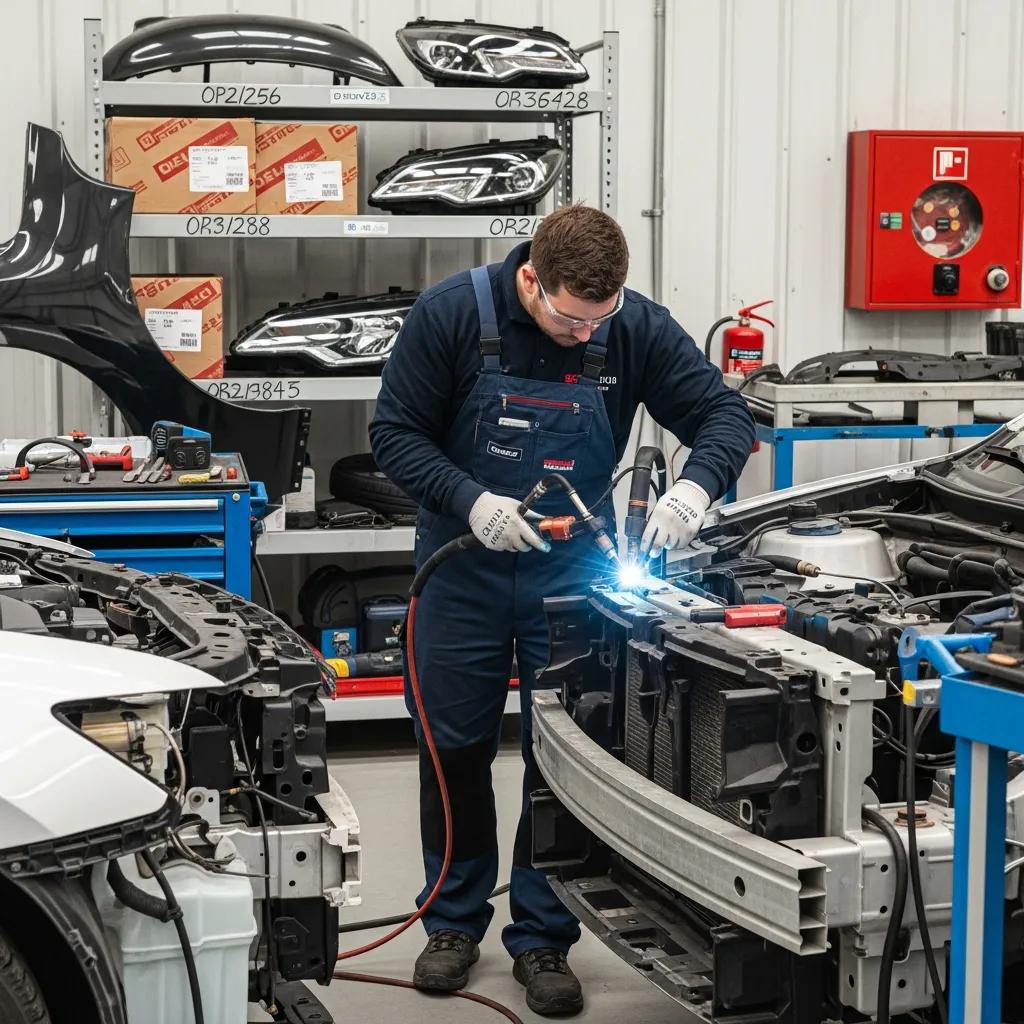
OEM‑compliant repairs follow the manufacturer’s rules for part selection, repair limits, fasteners, and approved materials — all of which preserve how a vehicle is engineered to manage crash energy. Using OEM parts or manufacturer‑approved equivalents keeps fit, finish, and designed energy management intact, protecting occupants in future incidents. OEM procedures also tell us when to replace a part versus repair it and when factory calibration is required, which preserves warranty and resale value. Knowing these differences helps owners choose safety and long‑term value over quick cosmetic fixes.
What Comprehensive Auto Body Repair Services Are Available in Magnolia Park Burbank?
Auto body services range from fast cosmetic fixes to full structural restoration, each with its own scope, timeline, and outcome. Shops around Burbank and Magnolia Park commonly offer paintless dent repair for small dings or hail, conventional painting and refinishing for damaged panels, frame straightening for structural misalignment, and full collision repair for serious accidents that affect multiple systems. Matching the service to your damage speeds recovery and improves estimate accuracy. The table below summarizes common services, typical scopes, and expected timeframes so you can quickly identify the right repair path.
Different services address distinct repair needs and timelines during collision recovery.
| Service | Typical Repair Scope | Typical Timeframe & Outcome |
|---|---|---|
| Paintless Dent Repair (PDR) | Minor creases and dents where the paint is intact | 1–3 days; preserves original paint and factory finish |
| Auto Painting & Refinishing | Damaged panels that require repainting or blending | 2–7 days; color‑matched, OEM‑like finish restored |
| Frame Straightening | Structural rail alignment and chassis repairs | 3–10 days; restores factory geometry and handling |
| Panel Replacement & Welding | Severely damaged panels or safety components | 2–10 days; replaced with OEM or approved parts |
This side‑by‑side view helps drivers match visible damage to the likely service and realistic timeframes for getting their vehicle back.
Which Collision Repair Solutions Cover Minor Dents to Major Accidents?
Collision repair can be a quick cosmetic fix or a multi‑stage structural restoration depending on severity. Minor dents with intact paint are ideal for paintless dent repair — it preserves the factory finish and is quicker than repainting. Moderate damage involving scratches, small panel replacement, or bumper repair usually needs conventional bodywork and color‑matched painting to restore looks and corrosion protection. Major accidents that affect frame rails, suspension mounts, or safety systems require a full collision workflow with frame straightening, precise measurements, and component replacement to meet manufacturer tolerances. The right repair path starts with a thorough inspection and a documented plan that lists steps, parts, and estimated completion time.
How Does Paintless Dent Repair and Auto Painting Restore Your Vehicle’s Appearance?
Paintless dent repair (PDR) gently pushes metal back into shape from behind the panel without disturbing the original paint, preserving factory coatings and UV protection. PDR is best for shallow creases and door dings where paint remains unbroken, and it usually costs less and finishes faster than panel replacement and repainting. When paint is damaged or panels exceed PDR limits, auto painting and refinishing use precise color‑matching systems, controlled prepping, and multi‑stage clearcoat application to recreate an OEM appearance. Careful sanding, masking, and blending into adjacent panels produce an indistinguishable finish, and final polishing restores factory gloss.
How Does Prime Time Collision Center Simplify Insurance Claims for Burbank Drivers?
Dealing with insurance after a collision can feel overwhelming; a clear claims workflow cuts delays and surprises. The core steps are inspection and documentation, estimate creation, adjuster review and authorization, repairs and quality control, and final delivery with paperwork. Prime Time Collision Center helps by preparing professional estimates, coordinating with adjusters, and offering free towing and free estimates to remove initial barriers — all of which speed up approval and repair.
The table below breaks down the claims workflow, who typically performs each step, and what you receive at each stage to make the process easier to follow.
| Step | Who Does It | What You Get |
|---|---|---|
| Initial Inspection & Estimate | Repair shop technician | Detailed estimate, photos, and recommended repairs |
| Adjuster Review & Authorization | Insurance adjuster & shop | Approval or agreed scope for repairs |
| Repair Execution | Certified technicians | Completed repairs, QA checks, and parts receipts |
| Final QA & Handover | Shop service advisor | Walk‑through, warranty details, and repair documentation |
Knowing this sequence reduces delays and gives drivers clear expectations for coordination and timing.
What Is the Step-by-Step Process for Insurance Approved Auto Body Repairs?
A simple, numbered process makes expectations clear from first contact to vehicle return. First, document the scene and bring photos and notes to the shop for an initial inspection and written estimate. Second, the shop submits the estimate and photos to your insurer and coordinates any adjuster inspections or virtual appraisals. Third, once the insurer authorizes repairs, certified technicians perform the work using approved methods and documented procedures, including any required ADAS calibration. Finally, the shop runs quality assurance checks, reviews repair records with you, and returns the vehicle with warranty documentation.
- Inspect and document damage so the estimate is accurate.
- Submit the estimate and photos to your insurer for review.
- Schedule and perform repairs after authorization.
- Complete QA checks and deliver the vehicle with documentation.
Following these steps helps drivers keep repair records and supports a smoother claim resolution.
Which Major Insurance Companies Do We Work With in Burbank?
Prime Time Collision Center works cooperatively with all major insurance companies to help streamline repairs and approvals for local drivers. That cooperation reduces negotiation friction, shortens approval time on common procedures, and often lets our team coordinate directly with adjusters to clarify repair methods or parts. For customers, that means less time on hold and clearer expectations about what repairs are necessary versus cosmetic. If you need help starting a claim, we can prepare the estimate and documentation insurers require to speed authorization.
What Should You Do After a Car Accident in Magnolia Park Burbank?
Doing the right things immediately after a crash preserves safety and evidence, and it makes later claims and repairs easier. Priorities are checking for injuries, moving to a safe spot if possible, calling emergency services for serious injuries, and documenting the scene with photos and notes. Next, exchange information with other drivers, collect witness names if available, and avoid admitting fault — stick to the facts. After those steps, schedule a professional inspection and a free estimate; Prime Time Collision Center offers 24/7 towing and free estimates to help you get started quickly.
What Immediate Steps Ensure Safety and Proper Documentation?
Use this concise checklist to act quickly and correctly at the scene. First, confirm everyone’s safety and call emergency services for injuries — health comes before moving vehicles. Second, photograph the scene, vehicle positions, damage, skid marks, and traffic controls, and record witness names when possible. Third, exchange insurance and registration details without admitting fault, and make notes about road and weather conditions. These actions protect personal safety and create an evidentiary record that supports accurate claims and repairs.
- Confirm safety and call emergency services for injuries.
- Photograph the scene, vehicles, and surrounding conditions.
- Exchange information and gather witness contact details.
- Make notes about events and avoid admitting fault.
Following this checklist preserves key information and shortens the path to repair authorization.
How Can You Get a Free Estimate and Begin the Repair Process?
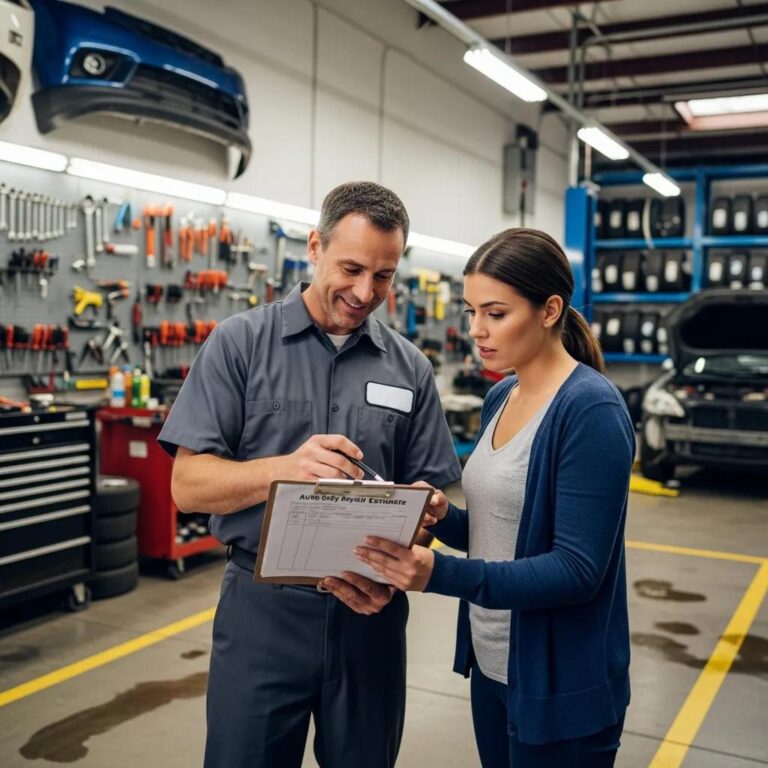
Getting a free estimate starts with a clear inspection and documentation of visible and hidden damage, including photos and electronic scans when needed. Share your insurance details and any scene photos so technicians can build a comprehensive estimate that includes parts, labor, and required calibrations. Prime Time Collision Center offers free estimates and can arrange free towing when necessary, getting vehicles into the shop quickly for a detailed inspection. After you receive the estimate, we’ll outline next steps — insurer submission, expected timelines, and QA checks — so you can decide and schedule repairs with confidence.
How Does Prime Time Collision Center Handle Advanced Vehicle Repairs in Burbank?
Advanced repairs need the right equipment, certifications, and disciplined procedures to restore modern vehicles that depend on sensors, complex structures, and electrical systems. ADAS calibration, precise frame measurement, and manufacturer‑specified welding or adhesive techniques are essential to return vehicles to factory specifications and to keep systems like automatic emergency braking and lane‑keeping operating correctly. For luxury and electric vehicles, special attention to battery systems, unique materials, and brand‑specific sequences becomes even more important. The section below explains ADAS calibration in plain language and shows how we handle high‑end vehicles while staying OEM‑compliant.
The table below outlines repair types, the equipment or certifications required, and why each matters for safety and performance.
| Repair Type | Equipment/Certification Required | Why It Matters |
|---|---|---|
| ADAS Calibration | Diagnostic tools and OEM calibration procedures | Makes sure sensors send correct data to safety systems |
| Frame & Structural Repair | Frame racks, measuring systems, and certified technicians | Restores geometry for safe handling and crashworthiness |
| Luxury/EV Protocols | Manufacturer procedures and specialized parts handling | Protects complex electronics and battery safety |
Knowing the equipment and certifications behind each repair type helps owners pick a shop that can meet manufacturer standards.
What Is ADAS Calibration and Why Is It Critical for Modern Vehicles?
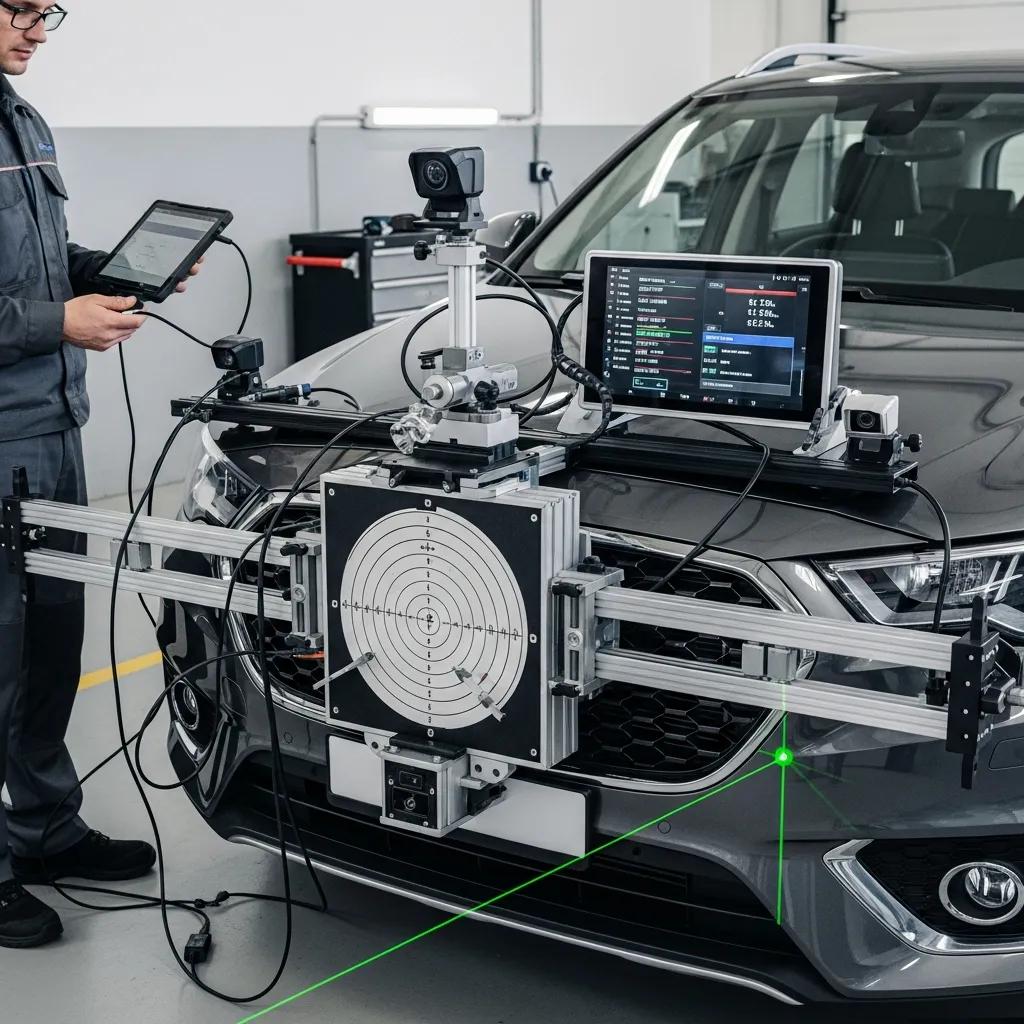
ADAS (Advanced Driver Assistance Systems) calibration realigns cameras, radar, and lidar sensors to manufacturer specifications after repairs that affect sensor mounts or vehicle geometry. Correct calibration ensures systems like automatic emergency braking, adaptive cruise control, and lane‑keeping assist read the road accurately — a direct safety concern. Skipping calibration or doing it wrong can leave safety systems misaligned and cause late or incorrect responses while driving. That’s why certified calibration with the right diagnostic tools and OEM procedures is a non‑negotiable step after related repairs.
How Do We Provide Specialized Luxury Vehicle Body Repair Services?
Repairing luxury and specialized vehicles means following manufacturer procedures, using authentic or approved parts, and carefully handling finishes and electronics. Shops that adhere to OEM‑compliant workflows use approved parts or equivalents, controlled paint booths, and technicians trained for delicate bodywork and complex system integration to protect vehicle value. Careful documentation and calibrated equipment also help preserve warranty coverage and accurate resale records. Owners of luxury vehicles benefit from repair processes focused on original fit, verified structural integrity, and certified calibration for advanced systems.
What Warranty and Customer Support Can Burbank Vehicle Owners Expect?
Warranty protection and post‑repair support give confidence that repairs were done right and will be honored if issues arise. A lifetime workmanship warranty shows the shop stands behind its labor for as long as you own the vehicle, typically covering defects from the original repair rather than new collisions or unrelated wear. Good post‑repair support includes clear paperwork on parts and procedures, access to service advisors for questions, and a documented process for filing warranty claims. The two subsections below explain what a lifetime warranty means and where to find customer testimonials to validate a shop’s reputation.
How Does Our Lifetime Warranty Guarantee Repair Quality and Peace of Mind?
Our lifetime workmanship warranty means we’ll correct defects that result from our repair work, giving owners recourse if issues related to the original repair appear later. Usually the warranty covers repair‑related problems, not new collisions or normal wear; to start a claim you contact the shop, provide repair documentation, and arrange an inspection.
Offering a lifetime workmanship warranty encourages careful QA during repairs and provides a clear path to resolve concerns without repeating the original work. For owners, that assurance lowers post‑repair worry and supports resale conversations about documented, guaranteed repairs.
Where Can You Find Customer Testimonials and Local Service Reviews?
Reading testimonials and local reviews helps you judge quality, timeliness, and communication before choosing a repair provider. Look for embedded testimonials on a shop’s site and check local business listings to spot patterns in punctuality, estimate accuracy, and aftercare — patterns give more insight than a single comment. Reviews that mention certifications, final paint quality, and ADAS calibration are especially helpful for complex repairs. Check multiple review sources and notice how the shop responds to complaints to get a fuller picture of service and reliability.
- Check embedded testimonials and local reviews for consistent service patterns.
- Look for mentions of certified technicians and calibration work.
- See how the shop addresses and resolves complaints.
These checks help drivers choose where to trust their vehicle repairs.
Frequently Asked Questions
What should I do if my vehicle is deemed a total loss after an accident?
If your insurer declares your vehicle a total loss, it means the repair cost exceeds the vehicle’s value. Review your policy to understand coverage and the payout process. The insurer will typically assess the vehicle’s pre‑accident value and offer a settlement, which you can negotiate if it seems low. From there, decide whether to buy a replacement vehicle, accept the settlement, or explore other options based on your needs.
How can I ensure my vehicle’s repairs are covered by my insurance?
To help ensure repairs are covered, report the accident to your insurer promptly and give them all required documentation, including photos and the shop’s estimate. Choosing an in‑network repair shop can streamline approvals, but you can use any shop — just confirm coverage details and deductibles with your insurer so you know what to expect.
What are the benefits of choosing OEM parts for repairs?
OEM (Original Equipment Manufacturer) parts are made for your specific vehicle, so they fit correctly and maintain safety features. They often come with their own warranties and help preserve resale value since buyers prefer original components. In short, OEM parts support safety, reliability, and long‑term satisfaction with repairs.
How long can I expect my vehicle repairs to take?
Repair time varies with damage severity and repair type. Minor work like paintless dent repair can take a few days, while frame straightening or extensive panel replacement may take a week or more. Parts availability, shop workload, and repair complexity also affect timelines. Discuss expected timeframes with the shop during the estimate for a clearer picture.
What should I look for in a reputable auto body repair shop?
Look for certifications such as I‑CAR Platinum, which show commitment to training. Read customer reviews and testimonials for insight into reliability and communication. Ask about warranties on repairs — a solid warranty shows confidence in workmanship — and confirm the shop follows OEM‑compliant methods and uses appropriate parts to protect safety and value.
Can I choose any repair shop for my vehicle, or do I have to go to one approved by my insurance?
You can choose any repair shop for your vehicle; you’re not required to use an insurer‑approved shop. Using an in‑network shop can simplify claims and speed approvals, but if you pick an out‑of‑network shop, be ready to provide detailed estimates and documentation to your insurer. Always check with your insurance company to understand how your choice may affect coverage and potential out‑of‑pocket costs.
Conclusion
Choosing Prime Time Collision Center for auto body repairs in Magnolia Park means your vehicle is cared for by I‑CAR Platinum certified technicians using OEM‑compliant methods. That commitment restores safety and performance while protecting value and appearance. Follow our step‑by‑step guidance to navigate repairs with confidence. Contact us today for a free estimate and let us help you get back on the road safely.