Pasadena Paintless Dent Repair Cost Guide: What Repairs Cost, Why PDR Works, and How Insurance Handles It
Door dings, parking lot knocks, or a sudden hailstorm can leave your car with surface dents—and usually a lot of questions about price and timing. This guide walks Pasadena drivers through Paintless Dent Repair (PDR): how it works, the factors that shape a PDR estimate, and how insurance typically treats these repairs. You’ll find real cost examples, a clear comparison with traditional bodywork, and practical tips for filing claims—all focused on keeping your vehicle’s factory finish and resale value intact. We also explain what technicians inspect when preparing a Pasadena PDR estimate, share common price ranges for door dings and hail damage, and outline how OEM-aligned processes affect results. Finally, you’ll learn how Prime Time Collision Center supports customers with estimates, towing, and claims coordination.
What Is Paintless Dent Repair and How Does It Work?
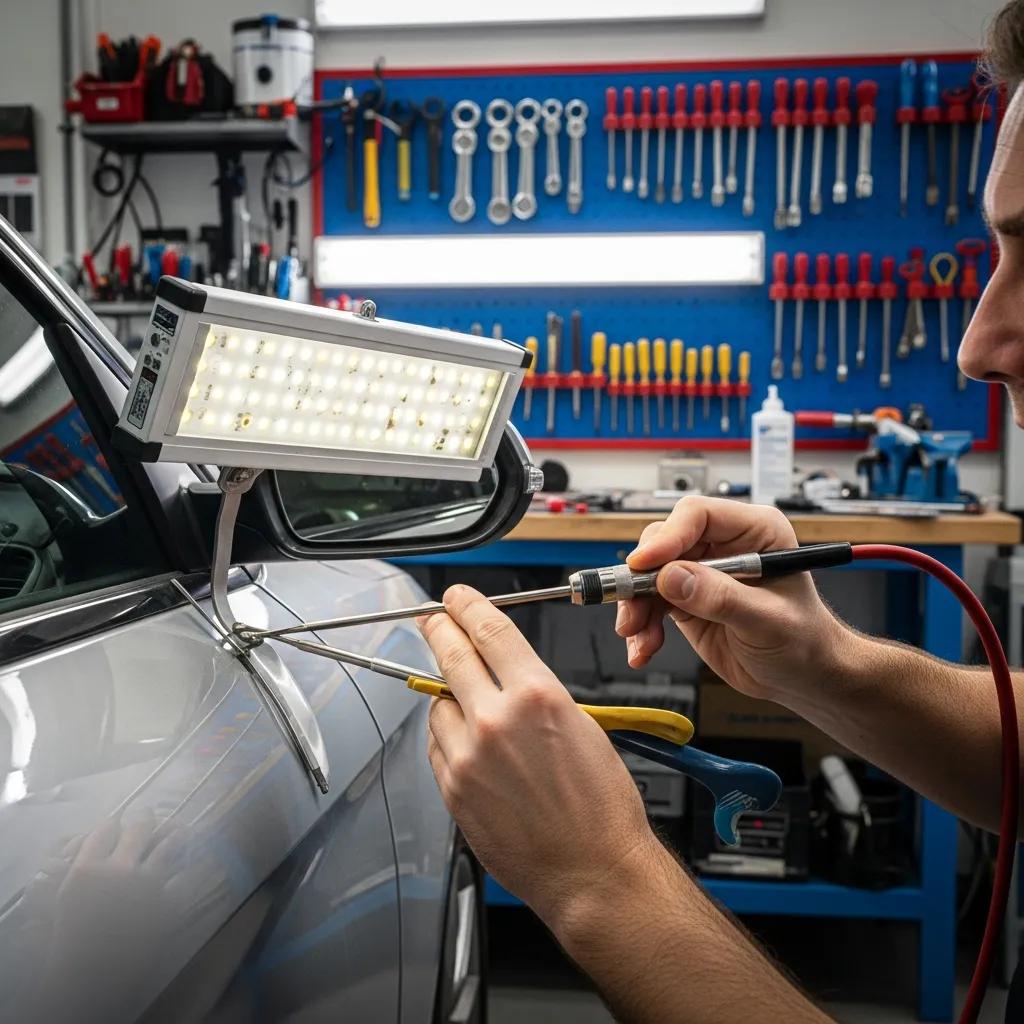
Paintless Dent Repair (PDR) is a precise method for removing minor dents without sanding, filler, or repainting. Skilled technicians access the dent from behind the panel or use precision tools at the edge, then apply controlled pressure to return the metal to its original shape while keeping the factory paint and clearcoat intact. PDR usually means faster turnaround, lower cost, and preservation of your car’s OEM finish—important for long-term value. For Pasadena drivers dealing with hail or common parking-lot dings, PDR is often the quickest way to restore a factory-quality look. An early inspection matters because access and the metal’s memory determine if PDR is the right choice; if paint is cracked or access is blocked, a different repair method may be required.
At Prime Time Collision Center we perform PDR using factory-quality procedures and provide free estimates for Pasadena-area customers. Our technicians hold I-CAR Platinum certification, which aligns our work with OEM standards and helps deliver consistent PDR results.
How Does Paintless Dent Repair Preserve Your Vehicle’s Original Paint?
PDR preserves factory paint by avoiding sanding, fillers, and repainting. Because the basecoat and clearcoat remain in place, the original color match and finish are unchanged—protecting resale value and keeping repairs OEM-consistent. Repainting can introduce color mismatch, reduced adhesion, or fading over time; PDR avoids those long-term risks. Before any PDR starts, technicians check paint condition and adhesion to make sure the method is safe to use. Preserving the original finish also reduces VOC emissions compared with shop painting, which is a small environmental benefit for our local community.
What Are the Key Benefits of Choosing PDR in Pasadena?
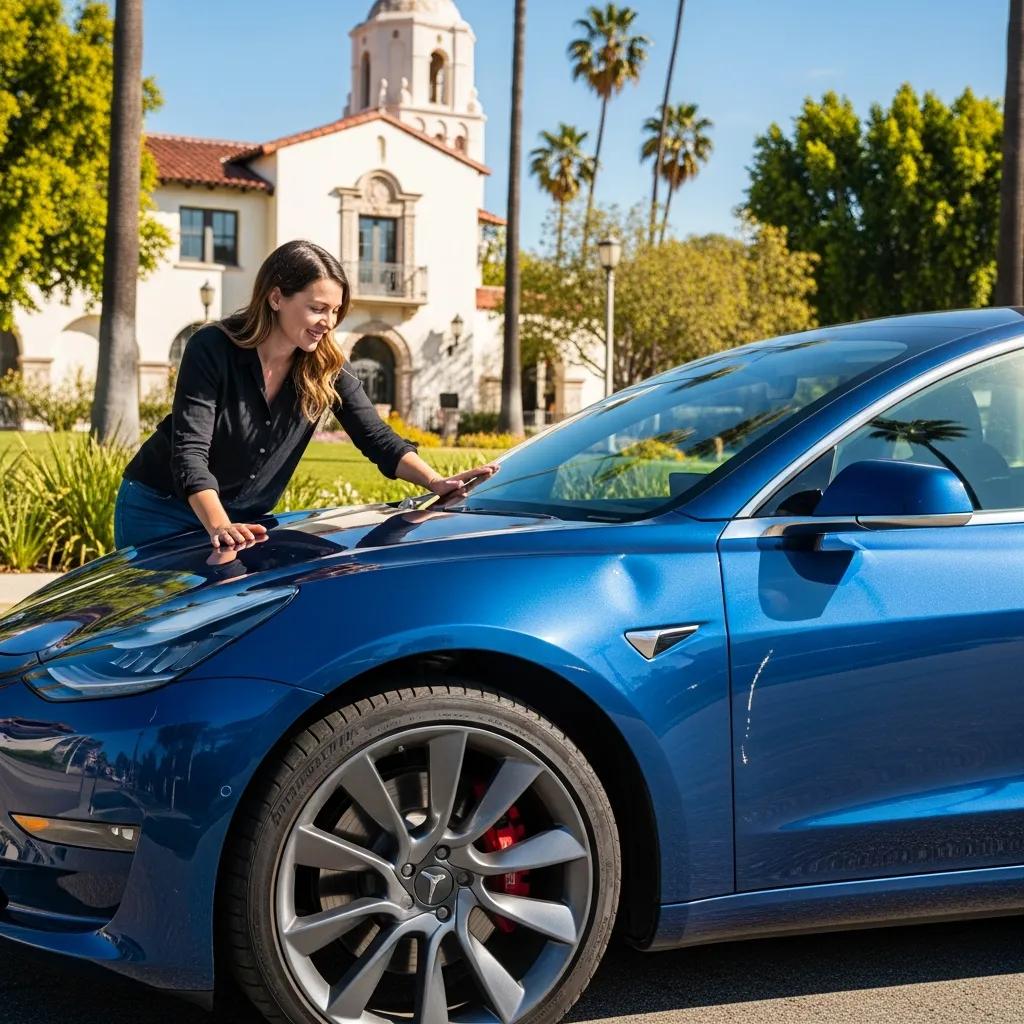
Pasadena drivers pick PDR because it suits common damage types—door dings and light hail—while cutting cost and downtime. Most PDR jobs finish in hours instead of days, which reduces the need for rental cars or alternate transportation. Because PDR preserves OEM paint, it helps maintain higher resale value and lowers the chance of paint-related issues later—especially for newer or luxury vehicles. PDR is also greener than traditional repair since it avoids paints and solvents. When PDR is performed by certified technicians who follow factory procedures, it’s a smart, fast option for many light-to-moderate dents.
Which Factors Influence Paintless Dent Repair Pricing in Pasadena?
PDR pricing in Pasadena is based on a few predictable variables technicians use to create an estimate: dent size and severity, location and access, panel material, vehicle type, and how many dents need work. Those factors affect labor time and required skill, which together determine your price range. Understanding them helps you know whether a job will be quick or more involved—and why fixed-price menus don’t fit every case. Below is a straightforward table that maps common dent types to typical PDR ranges so you can set realistic expectations.
| Dent Type | Characteristic | Typical PDR Range |
|---|---|---|
| Small door ding | ~<2 inches on a steel door | $100–$250 |
| Medium dent | 2–6 inches, shallow crease possible | $250–$500 |
| Large/complex | Creases, edge or roof dents | $500–$1,200+ |
This shows that small, isolated dings are quick and affordable, while creases and roof/edge dents raise complexity and cost. In Pasadena, technicians also weigh panel access (doors versus roof) and whether panel removal is needed—access work can turn a one-hour job into several hours. For example, a medium-sized hail dent on a steel hood that required interior access and careful reshaping landed in the mid-range because of the extra labor involved—an example of how access and size combine to set price.
How Do Dent Size and Location Affect PDR Cost Estimates?
Size and location drive cost because they determine how much metal needs reshaping and how precise the tools must be. Small dings on an accessible door panel are usually quick, keeping costs low. Dents on body lines, edges, or the roof often need more complex pushes and taps from awkward angles—or panel removal—which increases labor and time. Creases are more expensive because the metal is bent and the fibers have stretched, requiring careful, incremental reshaping to avoid overcorrection. A thorough assessment during your Pasadena PDR estimate clarifies whether PDR is appropriate or if traditional repair is the better choice.
What Role Do Panel Material and Number of Dents Play in Pricing?
Panel material and the dent count change pricing because they affect technique difficulty and overall labor. Aluminum and some high-strength steels behave differently than mild steel and can be thinner or less forgiving, so they may require special tools and more experienced techs—raising cost. When multiple dents are present, such as after a hailstorm, shops may charge per dent or offer panel- or vehicle-level packages depending on density and distribution; that changes the per-dent math. Certified technicians skilled on aluminum panels typically command higher rates for that expertise. While multiple-dent work can be more efficient per dent than separate repairs, the total price grows with dent count—so a clear estimate that explains per-dent versus package pricing helps you weigh insurance versus out-of-pocket options.
What Are Typical Pasadena Paintless Dent Repair Cost Examples and Scenarios?
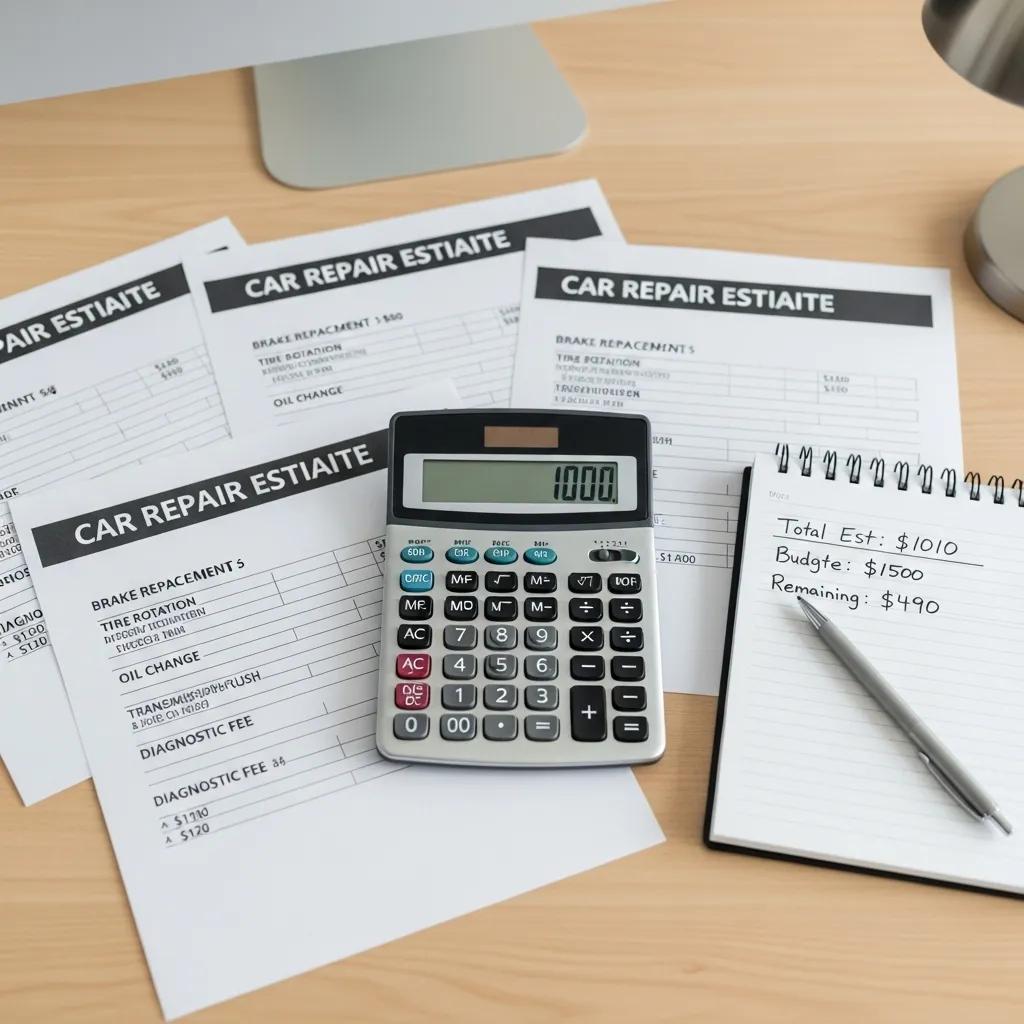
Real examples make it easier to translate damage into cost expectations for Pasadena situations like door dings, parking-lot dents, and localized hail. Scenario-based estimates show common ranges and timeframes and clarify when an in-person inspection is required for an exact quote. The table below gives concrete examples that reflect typical Pasadena cases and local weather risks.
| Scenario | Details | Estimated Cost & Time |
|---|---|---|
| Door ding | 2″ on steel door | $150–$350, 1–2 hours |
| Single hail dent | Medium panel area, 5–10 dents | $500–$1,200, 4–8 hours |
| Aluminum fender crease | Crease near wheel arch | $450–$900, 3–6 hours |
These examples show that small door dings are usually quick and inexpensive, while hail-related multi-dent repairs demand more labor and sometimes a panel-by-panel plan. In one local case, technicians recommended a hybrid approach—PDR where possible and selective traditional repair where paint or metal deformation exceeded PDR limits. That kind of mixed plan is why an inspection helps prevent surprises on the final bill.
How Much Does It Cost to Repair a Door Ding or Hail Damage?
Door dings typically sit at the low end of PDR pricing because they’re small and accessible—a standard 2-inch ding on a steel door commonly runs $150–$350 and can be finished in one to two hours. Hail pricing depends on dent density and whether whole panels or multiple panels are affected: small clusters may be priced per dent, while widespread hail often leads to panel or vehicle packages in the $500–$1,200+ range depending on severity and access. Timeframes follow the same pattern: door dings are short jobs; hail repairs require systematic work and extra quality checks. Always confirm whether an estimate is per dent, per panel, or a package—this matters for insurance and deductible decisions.
What Are Realistic Cost Estimates for Common PDR Cases in Pasadena?
Typical PDR cases include parking-lot dings, medium door-edge dents, roof dents from falling objects, and multi-dent hail events. While exact pricing needs an inspection, common bands are predictable: small parking-lot dings—$150–$350 and often same day; medium body-line dents and shallow creases—$300–$600 due to extra shaping effort and higher paint stress risk; roof/edge dents and aluminum panel work—$450–$1,000+ because of access difficulty and specialized technique. Luxury vehicles or cars needing OEM-standard care may require extra time to protect trim, sensors, and finishes—raising cost but preserving factory integrity. Use these ranges to plan, then get an in-person estimate to confirm.
| Scenario | Scenario Details | Estimated Cost |
|---|---|---|
| Small ding | Door, steel panel | $150–$350 |
| Medium dent | Body line, shallow crease | $300–$600 |
| Multi-panel hail | Multiple dents across 2–4 panels | $600–$1,500 |
This extra table reinforces typical price bands and helps decide when an in-person estimate is necessary.
How Does Paintless Dent Repair Compare to Traditional Dent Repair in Cost and Time?
PDR and traditional dent repair are different approaches within auto body work; each carries typical cost and turnaround patterns based on damage type and finish needs. PDR usually costs less and finishes faster because it avoids disassembly, body filler, and paint—making it ideal for minor dents with intact paint. Traditional repair requires panel work, filler, sanding, priming, and painting, which raises material and labor costs and often requires color-matching, resulting in longer turnaround. The table below compares the methods by cost, turnaround, and when each is the right choice so Pasadena drivers can pick the best path for their situation.
| Method | Typical Cost Range | Typical Turnaround | When to Choose |
|---|---|---|---|
| PDR | $100–$1,200+ | Hours to 1–2 days | Paint intact, minor to moderate dents |
| Traditional repair | $500–$3,000+ | Several days to weeks | Paint damage, severe creases, stretched metal |
| Hybrid approach | Varies | Varies | When some areas are PDR-eligible and others need painting |
When Is Traditional Dent Repair Necessary Over PDR?
Traditional repair is necessary when paint is cracked, creases have stretched the metal, or structural/safety components are affected. Paint damage means the protective coatings separated from the metal and repainting is required to restore corrosion protection and appearance. Severe deformations on pillars, rocker panels, or areas that affect door seals and safety systems may require full bodywork or panel replacement. During an estimate technicians check paint condition, metal stretch, and structural alignment; if any of these issues are present they’ll recommend traditional repair to meet OEM and safety standards. That way you avoid attempting PDR when it would only produce a temporary or unsatisfactory result.
What Are the Cost and Turnaround Time Differences Between PDR and Traditional Methods?
Typically, PDR sits at the lower end of the cost scale and often finishes within hours or a single business day, while traditional repairs add material and labor costs and usually take several days to weeks depending on paint cycles and parts. PDR jobs commonly range from $100–$1,200 with same-day or next-day turnaround for many cases; traditional repairs often start around $500 and increase with repainting and parts replacement, sometimes extending to multiple weeks. Time savings with PDR also reduce indirect costs like rental cars. Choosing between the two depends on the damage assessment and your priorities for cost, speed, and a factory-correct finish.
How Can Pasadena Drivers Navigate Insurance Coverage for Paintless Dent Repair?
Whether insurance covers PDR depends on your policy, what caused the damage, and your deductible. Hail is commonly covered under comprehensive policies, and insurers often approve PDR when it returns the vehicle to pre-loss condition. Small door dings are frequently below deductibles and may be owner-paid. Some insurers ask for an estimate before you file to determine whether a claim is worth it. Below are practical steps to follow when pursuing a PDR claim in Pasadena.
- Get a professional estimate before filing so you can compare repair cost to your deductible.
- Document damage with photos and dates to support your claim and the adjuster’s review.
- Ask the insurer whether they prefer per-dent, per-panel, or whole-vehicle evaluations for hail claims.
These steps reduce surprises during claims. The table below summarizes typical insurer behavior and when filing usually makes sense.
| Claim Type | Typical Coverage Behavior | Filing Recommendation |
|---|---|---|
| Hail | Often covered under comprehensive | File if repair cost > deductible |
| Door ding | Usually owner-pay if below deductible | Get estimate and weigh cost vs. deductible |
| Multiple panels | Evaluated per-panel or whole-vehicle | Document comprehensively; get multiple estimates |
Does Auto Insurance Typically Cover PDR Costs in Pasadena?
Yes—if the damage is from a covered peril like hail, most insurers will cover PDR after an approved claim because it restores the vehicle without altering the factory finish. Coverage depends on your policy and deductible: small incidents are often paid out of pocket if the repair cost is below the deductible. Insurers commonly accept PDR as a cost-effective way to return a vehicle to pre-loss condition, but they may require documentation and an adjuster’s approval. Get a professional estimate before filing so you can decide if a claim makes sense given your deductible and possible premium effects. A pre-claim estimate also speeds up the adjuster’s review and helps the shop coordinate repairs.
How Does Prime Time Collision Center Assist with Insurance Claims and Deductibles?
Prime Time Collision Center helps Pasadena drivers with free estimates, claim documentation, and coordination with adjusters from all major insurers to smooth the repair process. Our workflow usually includes an initial PDR assessment, detailed photo documentation, a clear estimate that shows per-dent or per-panel pricing, and direct communication with insurers to explain repair feasibility and OEM-aligned methods. We also offer 24/7 towing and a lifetime warranty on repairs—both useful when insurers review quality and long-term outcomes. This hands-on support reduces friction during claims, shortens turnaround times, and ensures repairs meet factory-quality expectations while providing a transparent path for deductible decisions.
That assistance helps you decide whether to file a claim or pay out of pocket based on deductible and long-term considerations.
Why Choose Prime Time Collision Center for Your Pasadena Paintless Dent Repair Needs?
Prime Time Collision Center focuses on OEM-quality repairs performed by I-CAR Platinum Certified technicians, giving Pasadena drivers a local option that pairs certified skill with customer-first service. We offer free estimates, 24/7 towing, coordination with major insurers, and a lifetime warranty on repairs—services that create a dependable path from estimate to completion. Choosing a certified shop with warranty coverage lowers the risk of inconsistent results and ensures correct repair methods when PDR is appropriate. Below are the main reasons local drivers tell us they prefer certified collision centers for PDR and related work.
- Certified technicians follow manufacturer procedures, reducing the chance of improper fixes.
- Free estimates and adjuster coordination remove paperwork hurdles during claims.
- A lifetime warranty and OEM focus protect both appearance and resale value.
These points show why certified local service matters. If you prioritize factory finish and claims support, the combination of certification, warranty, and full-service assistance is valuable. For prompt PDR work with clear documentation and OEM alignment, Prime Time Collision Center serves Glendale, Burbank, Pasadena, and Los Angeles—call us to schedule an estimate or arrange towing.
What Does I-CAR Platinum Certification Mean for Repair Quality?
I-CAR Platinum Certification means the shop and technicians have completed extensive, ongoing training and follow current OEM procedures. The credential covers multiple repair disciplines, including material-specific techniques like aluminum PDR and electronics-aware disassembly. That training leads to repairs that prioritize factory fit, finish, and safety standards rather than quick cosmetic fixes—especially important when PDR work involves modern sensors and trim. In practice, I-CAR Platinum shops use documented processes for quality control and more consistent outcomes, giving you confidence that repairs meet recognized industry benchmarks.
What Local Services, Warranties, and Customer Testimonials Support Your Decision?
Prime Time Collision Center offers a full-service repair experience: free estimates, 24/7 towing, coordination with major insurers, and a lifetime warranty on repairs. These services reduce logistical friction and protect the value of your repair.
Practically, that means free estimates to clarify costs, towing when your car can’t be driven, insurer coordination to simplify claims, and a lifetime warranty for long-term peace of mind. For independent verification, check local reviews and before-and-after photos on our public profiles, and ask for examples during your estimate visit.
Together, these services and warranty commitments create a solid support package for Pasadena drivers seeking reliable PDR and collision repairs.
This local-services overview ties the technical PDR information to clear, actionable next steps for Pasadena drivers.
Frequently Asked Questions
What types of damage are best suited for Paintless Dent Repair?
PDR works best for minor dents and dings—like door impacts, hail, or small collisions—where the paint remains intact and the dent is shallow. Ideal locations are accessible panels. PDR is not a good fit for deep creases, severe dents, or damage that has cracked or removed paint, or where structural components are affected. A technician’s inspection will confirm whether PDR is appropriate.
How long does a typical Paintless Dent Repair take?
Repair time depends on size and complexity. Small door dings can take one to two hours, while larger or multiple dents (for example after hail) can take several hours to a full day. Technician experience, dent access, and the number of dents also affect total time. Ask your technician for a precise estimate for your vehicle.
Can Paintless Dent Repair be performed on all vehicle types?
Most vehicles are candidates for PDR, but feasibility depends on panel material, paint condition, and accessibility. Aluminum panels or cars with advanced electronics may need specialized tools and techniques. A certified technician can inspect your vehicle and advise whether PDR is the best option.
What should I do if my vehicle has multiple dents?
If your car has multiple dents, get a comprehensive assessment from a PDR technician. Many shops offer package pricing for multiple dents, which can be more cost-effective than separate repairs. The tech will evaluate size, location, and access for each dent and provide an accurate estimate. Photos of the damage help speed the process.
Is Paintless Dent Repair environmentally friendly?
Yes. PDR avoids paints, fillers, and solvents, which reduces volatile organic compound (VOC) emissions and limits waste from repainting. By preserving the original finish, PDR is a more environmentally friendly choice than traditional bodywork.
How can I ensure the quality of my Paintless Dent Repair?
To ensure quality, choose a certified shop with a strong reputation—look for I-CAR Platinum certification and customer reviews. Request before-and-after photos and a written warranty. A reputable shop will provide clear documentation and stand behind their work.
Conclusion
Paintless Dent Repair in Pasadena is often the fastest, most cost-effective way to restore your vehicle’s appearance while preserving the factory finish. Knowing the factors that influence pricing helps you make confident repair choices. For a seamless process, reach out to Prime Time Collision Center—our certified technicians, free estimates, claims support, and lifetime warranty make it easy to get your car back to its best. Contact us today to schedule an estimate and learn your options.