OEM-Certified Collision Repair in Glendale — Prime Time Collision: Our Family Promise for Trusted, Insurance-Approved Auto Repairs
At Prime Time Collision Center we deliver OEM-certified collision repair with a family-first approach. We combine factory-approved procedures and I-CAR Platinum training to protect safety systems and preserve your vehicle’s warranty. This article explains what OEM-certified repair really means, why certified technicians and calibrated tools matter for today’s vehicles, and how an insurance-approved shop can make post-crash recovery clearer and faster for drivers in Glendale and nearby communities. After an accident, the repair path you choose affects structure, ADAS function, and resale value—so practical, straightforward guidance matters. Below you’ll find step-by-step next actions, a clear look at factory-quality repair workflows, insurance coordination tips, a rundown of core services like PDR and ADAS calibration, and examples of how a community-rooted shop delivers consistent care. We include checklists, comparison tables, and actionable advice to help you make confident repair decisions.
What Makes Prime Time Collision the Leading Family-Owned Auto Body Shop in Glendale, CA?
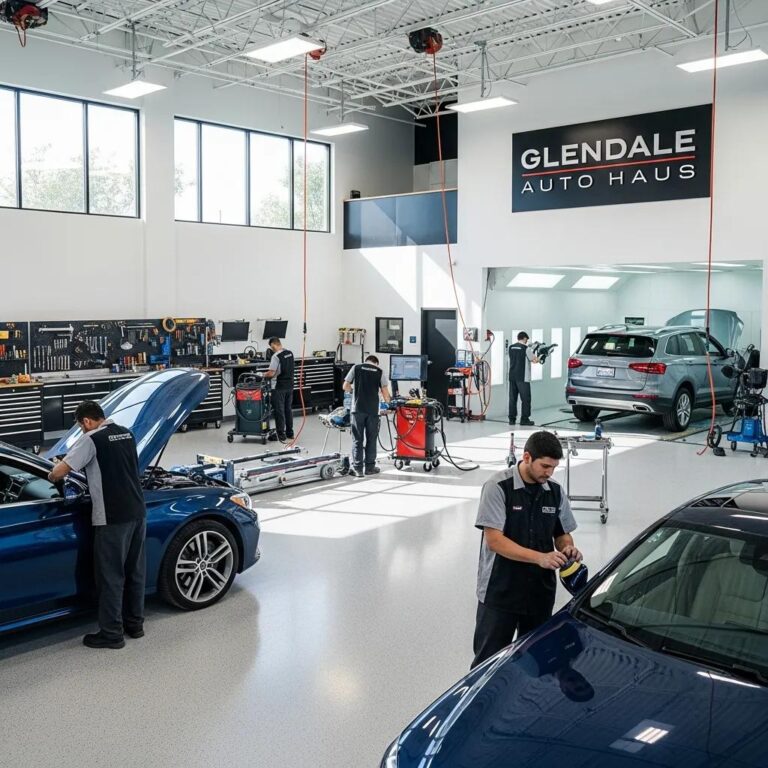
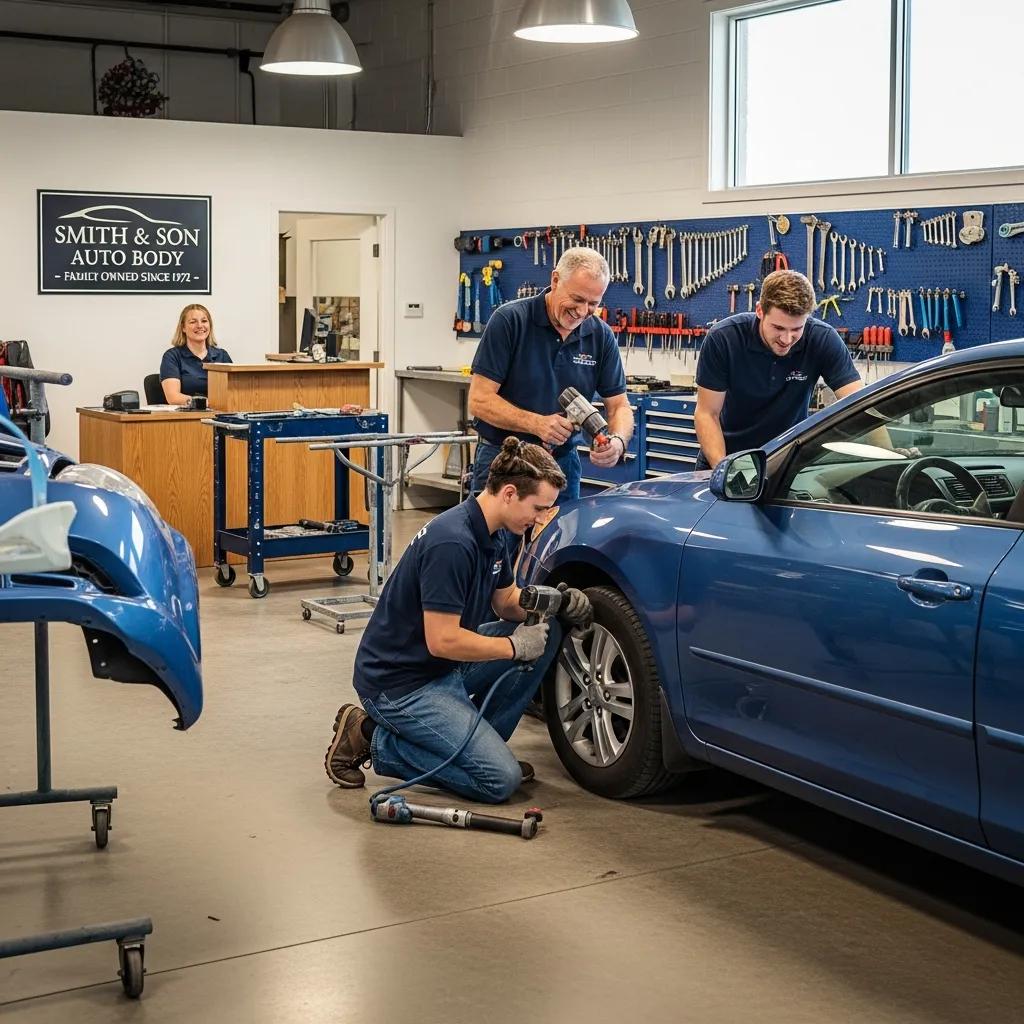
Prime Time Collision Center blends a family-run service ethic with industry-standard repair practices to give local drivers reliable, personalized care. Family ownership means owner-level accountability from the first estimate to the final inspection—better communication, faster responses, and a long-term commitment to customers. When that personal care meets certified training and factory-focused repair methods, the result is a workflow built around safety, fit-and-finish, and documentation that insurers respect. Serving Glendale, Burbank, Pasadena, and Los Angeles makes us a convenient choice for drivers who want a neighborhood shop that understands local roads and common collision issues.
Our family-first approach supports measurable quality checks and transparent processes that build trust.
How Does Our Family Tradition Ensure Exceptional Auto Repair Quality?
A family tradition shapes how we run the shop: meticulous work, clear accountability, and a focus on long-term customer care. Owners stay involved in technician oversight, parts sourcing, and quality checks so every job gets final owner review before delivery. That hands-on culture encourages thorough documentation, open communication with vehicle owners, and treating each car like one of our own—reducing rework and increasing satisfaction. It also strengthens relationships with local insurers and parts suppliers, which helps claims move smoothly and parts arrive on time.
Regular owner oversight and documented checkpoints help align factory repair standards with customers’ expectations for reliability.
Why Choose I-CAR Platinum Certified Technicians for Your Vehicle Repairs?
I-CAR Platinum is a high standard of ongoing training for collision professionals. Technicians with this credential stay current on modern vehicle structures, repair procedures, and safety systems. They follow industry-recognized methods for structural repair, welding, and sensor recalibration—lowering the risk of mistakes that could affect crash performance or ADAS function. Insurers, automakers, and safety-conscious owners view I-CAR Platinum as proof of competence that supports claim approvals and long-term vehicle integrity. Choosing technicians with this training increases the chance that repairs follow OEM manuals and factory recommendations.
Modern vehicles rely on precise repair sequences and calibrated systems—so higher training standards have a real impact on safety and warranty protection.
What Are the Essential Steps in Our Post Accident Car Repair Guide?
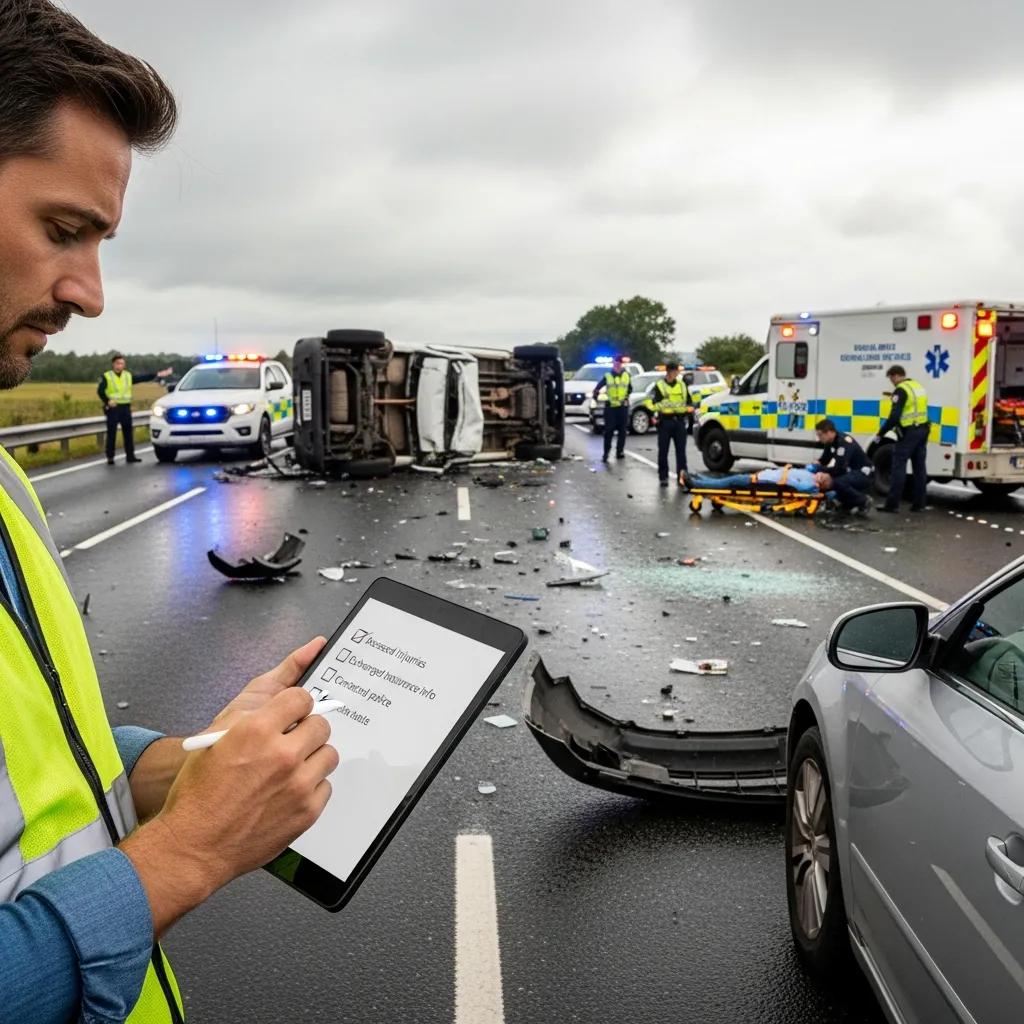
Right after a collision, a simple sequence of safety, documentation, and notification steps protects people and preserves the evidence you’ll need for repairs and insurance. The recommended order balances health and legal priorities—tend to injuries first, secure the scene, document everything, and notify the right parties—so claims and repairs start from a clear record. Following these steps helps maintain vehicle value, supports an accurate damage appraisal, and speeds repair timelines when coordinated with a certified shop and the adjuster. Below is a short checklist and an easy table showing immediate actions and who to contact for towing and estimates.
- Put safety and medical checks first; only move the vehicle if it’s safe and everyone is uninjured.
- Document the scene with photos, witness details, and vehicle information to support claims and repair planning.
- Notify your insurance, then contact a trusted, certified repair shop to arrange towing, assessment, and a free estimate.
These steps create the evidence you’ll need for efficient repairs and clear communication with adjusters and technicians.
How the immediate-actions table helps drivers decide next steps and who to call.
| Incident Step | Recommended Action | Who to Contact |
|---|---|---|
| Safety & Medical | Attend to injuries and call emergency services if necessary | Local emergency responders / authorities |
| Scene Documentation | Photograph damage, collect witness statements, and exchange driver info | Other drivers and any witnesses |
| Tow & Estimate | Arrange secure towing and get a professional, free repair estimate | 24/7 towing service / repair shop |
This table highlights priority tasks and who commonly handles each step to simplify recovery and repair planning.
What Should You Do Immediately After a Car Accident in Glendale?
Once everyone is safe, focus on documenting the scene and preserving evidence for insurance and repair work. Take wide-angle photos of vehicle positions, close-ups of damage and the VIN/license areas, and shots of road signs or skid marks. Write down names and contact details for witnesses and other drivers. Avoid moving the vehicle unless safety requires it—preserving the scene helps later appraisal. Report the accident to your insurer promptly so it’s on record. Keep a timeline of communications and any receipts to make talks with adjusters and repair shops smoother and to schedule towing and a certified estimate.
Being organized at the scene reduces confusion later and helps move your claim toward repair approval faster.
How Does Prime Time Collision Assist with 24/7 Towing and Free Estimates?
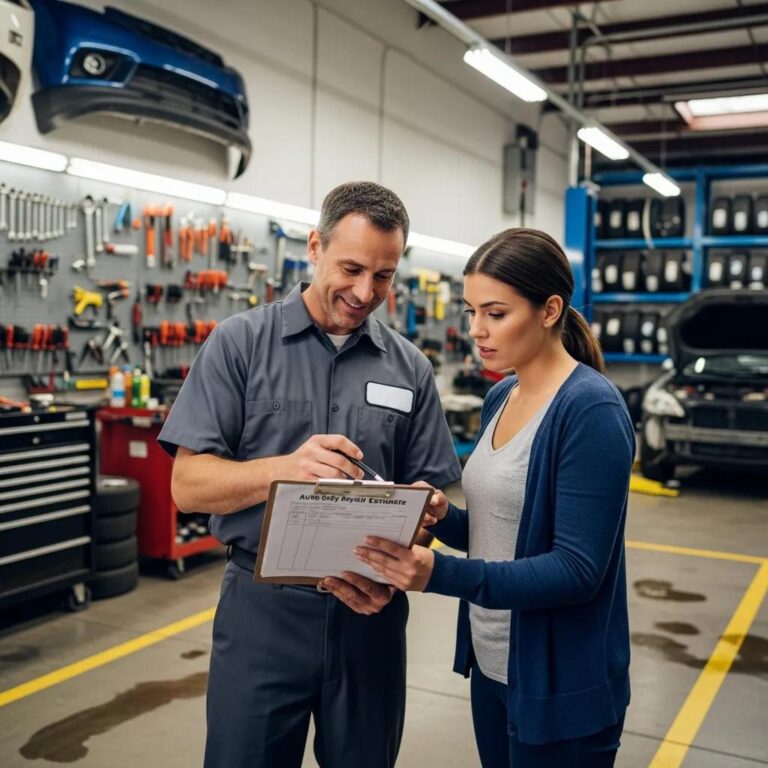
Prime Time Collision Center coordinates 24/7 towing and provides complimentary, itemized estimates so you can move from roadside assistance to repair planning with less stress. When you call, we arrange secure towing, perform an intake inspection, and prepare a free estimate suitable for insurance submission. The estimate explains required repairs, parts options (OEM vs. alternatives), likely repair phases, and any expected calibration needs for safety systems. After your estimate, we guide you through authorization, expected timelines, and next steps to keep the process moving.
If you need help right away, calling a local certified shop that handles towing and insurer-ready estimates can cut downtime and clarify the repair path.
How Does Prime Time Collision Deliver OEM Certified Collision Repairs in Glendale?
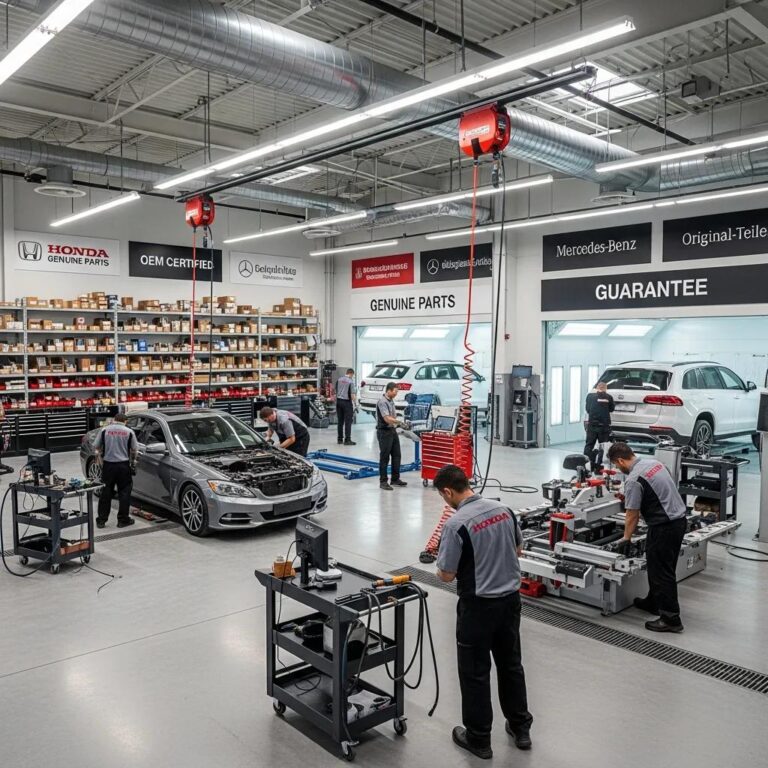
OEM-certified collision repair restores a vehicle using manufacturer-approved procedures, parts, and calibrated equipment so safety performance and warranty conditions remain intact. The process follows OEM repair manuals, sources genuine parts when required, and uses calibrated tools plus trained technicians familiar with modern materials and structural sequences. This factory-focused method reduces variability versus conventional or aftermarket repairs and helps ensure ADAS sensors and structural components meet original tolerances. Below is a concise comparison table showing differences in safety, parts, and warranty impact across repair approaches.
| Repair Approach | Key Characteristic | Safety/Warranty Impact |
|---|---|---|
| OEM-spec Repair | Follows OEM procedures and uses OEM parts | Preserves factory safety and warranty |
| Conventional Repair | Applies standard bodyshop methods | May not fully match factory tolerances |
| Aftermarket Parts | Uses non-OEM components | Possible fit/performance differences; warranty implications |
Knowing these differences helps owners prioritize safety and long-term value when choosing a repair path.
What Are the Benefits of OEM Certified Repairs for Your Vehicle’s Safety and Warranty?
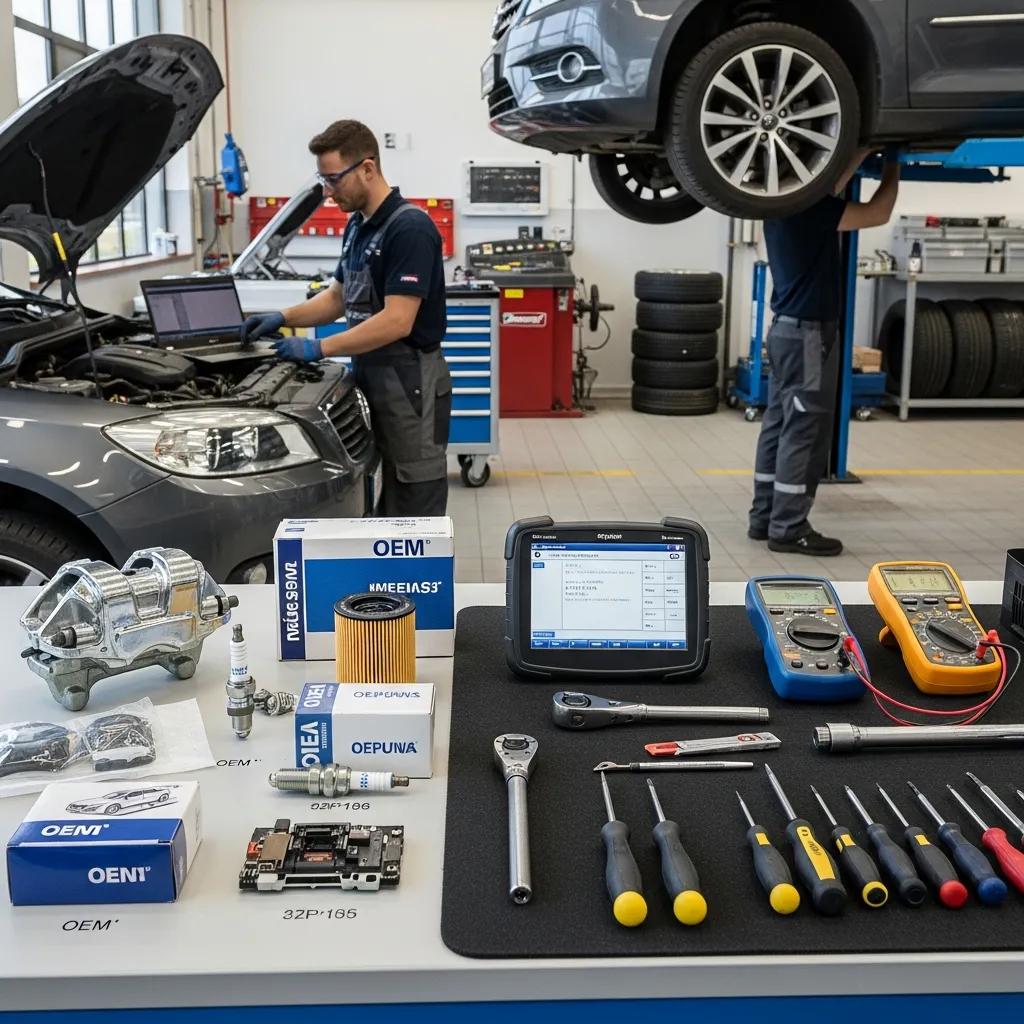
OEM-certified repairs help preserve structural integrity, restore crash performance, and keep warranty conditions intact. When technicians follow factory repair sequences and use specified OEM parts, repaired structures and safety systems are more likely to match original crash behavior. That alignment protects occupants in future collisions, supports accurate ADAS operation, and lowers the chance of diminished value from improper repairs. For owners thinking about resale or long-term ownership, OEM-style repairs provide clearer documentation and peace of mind that work met manufacturer expectations.
Choosing OEM-certified methods reduces uncertainty about fit, finish, and system performance that can occur when repairs stray from factory guidance.
How Do Our Certified Technicians Maintain Factory-Quality Standards?
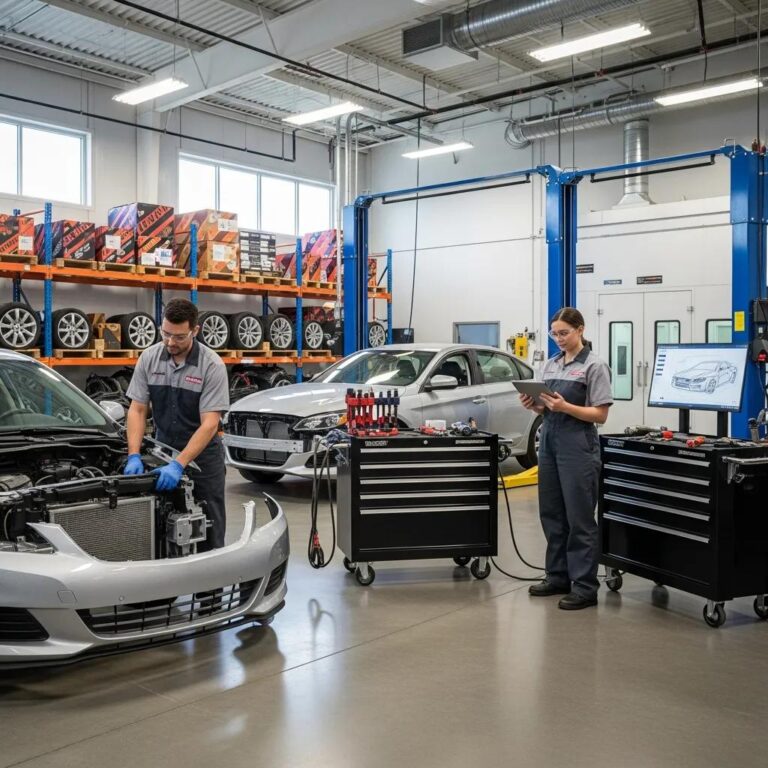
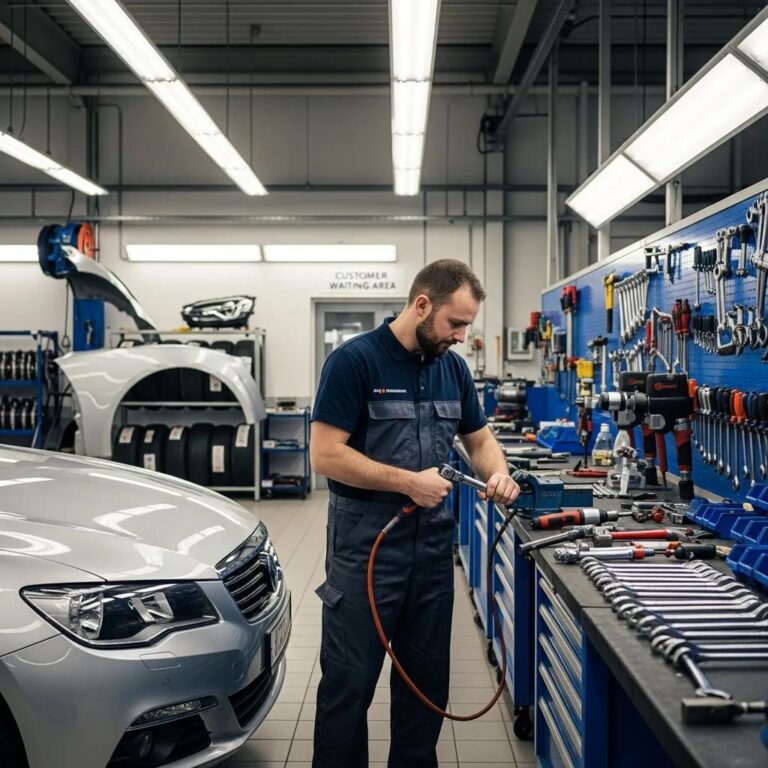
Our certified technicians use OEM repair manuals, follow precise disassembly and reassembly steps, and employ calibrated equipment to verify alignment, weld integrity, and sensor calibration, including ADAS systems. Repairs start with a documented damage appraisal and move through controlled structural work, measured alignment checks, and paint matching validated by consistent systems. Final quality control includes functional testing of safety systems, sensor recalibration, and an owner walkthrough to confirm repairs match pre-loss condition. Ongoing training—like I-CAR Platinum—keeps our team up to date on new materials, adhesives, and manufacturer updates.
This methodical workflow restores vehicles to manufacturer expectations instead of relying on ad-hoc fixes.
Why Is Prime Time Collision an Insurance Approved Body Shop in Glendale?
As an insurance-approved body shop, we regularly work with insurers to submit itemized estimates, schedule adjuster inspections, and manage supplements while advocating for repairs that meet OEM standards. Insurance-approved shops keep clear documentation, use certified estimators, and communicate directly with adjusters to resolve coverage questions. That collaboration reduces delays, clarifies deductible and coverage issues, and helps ensure repair scope aligns with safety and manufacturer guidance. Below are a few ways an insurance-approved shop streamlines the claims-to-repair process.
- We prepare insurer-ready estimates that clearly document required repairs.
- We coordinate adjuster inspections and respond promptly to supplement requests.
- We maintain records and photos to support repair decisions.
These practices minimize surprises for owners and keep repair timelines predictable while protecting safety-focused repair choices.
How Do We Simplify the Insurance Claim Process for Our Customers?
Prime Time Collision Center works with insurance adjusters by submitting detailed estimates and photos, scheduling inspections, and explaining necessary repairs that follow OEM guidance. We act as an advocate for vehicle owners—providing technical explanations and supplemental documentation when hidden damage appears during disassembly. That proactive approach reduces back-and-forth that can delay repairs and helps insurers understand why specific parts, calibrations, or procedures are required for safety. Customers get a single point of contact who translates technical needs into insurer-ready documentation and timelines.
By managing technical submissions and adjuster interactions, we lift administrative burden from owners and keep the repair focused on factory-quality results.
What Makes Our Transparent Pricing and Free Estimates Stand Out?
Our estimates list parts, labor, calibration tasks, and likely supplements so customers and insurers see the full scope before authorization. A clear estimate cuts down on unexpected charges by showing what’s essential for safety, what preserves warranty, and what’s cosmetic or optional. Photos and line-item descriptions create a defensible record both you and your insurer can review, reducing disputes. If additional damage is found, supplements are documented and communicated quickly to maintain clarity throughout the repair.
Transparent pricing builds trust and helps you make informed choices about repair tradeoffs and warranty-preserving options.
What Comprehensive Auto Repair Services Does Prime Time Collision Offer in Glendale?
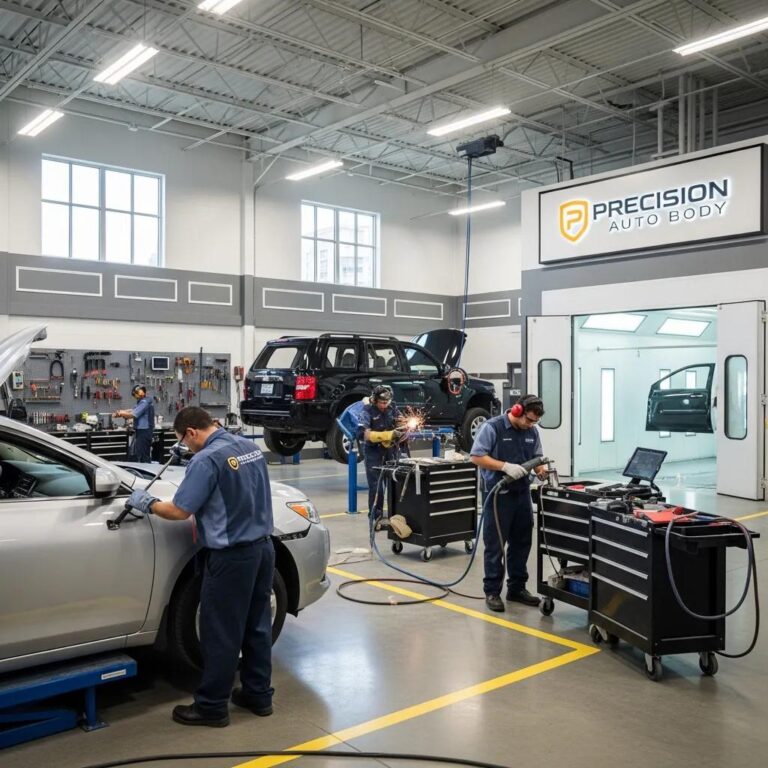
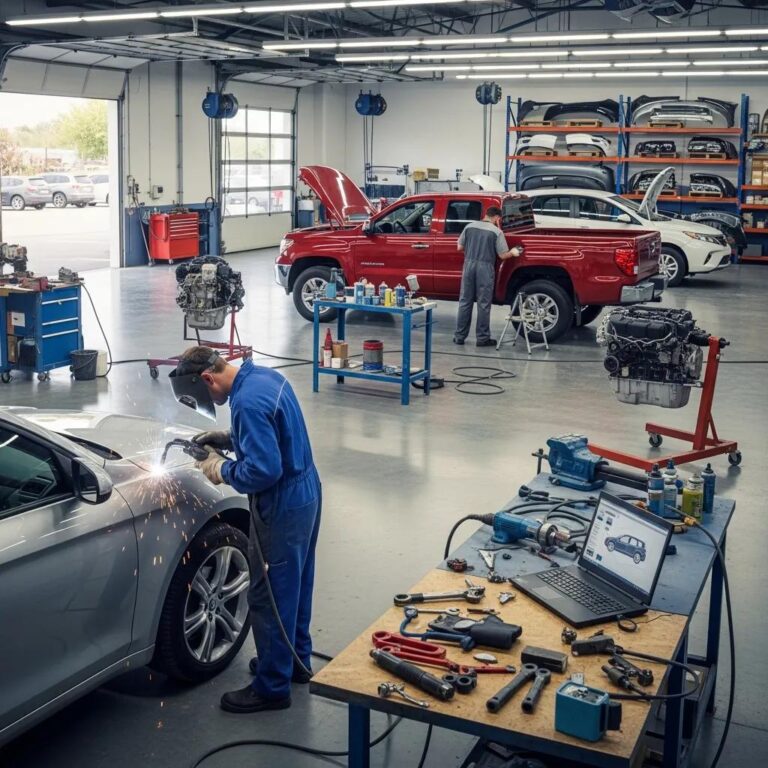
Comprehensive collision repair spans minor dent removal to complex structural work. Modern shops like ours provide paintless dent repair, full refinishing, diagnostics, and ADAS recalibration. The best centers combine mechanical diagnostics, frame and structural repairs, paint matching, and sensor calibration under one roof so work stays coordinated and quality checks are consistent. For owners of modern vehicles, advanced diagnostics and ADAS calibration are essential to restore full functionality after a collision. The table below summarizes core services, common issues, and the capabilities or certifications you should expect.
| Service | Typical Issue Addressed | Key Capability/Certifications |
|---|---|---|
| Collision Repair | Structural and panel damage | I-CAR Platinum-trained technicians |
| Paintless Dent Repair (PDR) | Minor dents with intact paint | PDR tooling and paint preservation skills |
| ADAS Calibration & Diagnostics | Misaligned sensors and dashboard warnings | Calibrated diagnostic and alignment equipment |
This service matrix helps you match the repair path to your vehicle’s needs and identify workshops equipped to handle modern safety systems.
Which Collision Repair and Paintless Dent Repair Services Are Available?
Paintless dent repair (PDR) removes small dents without repainting, preserving factory paint and shortening turnaround when the damage is limited to panel shape. For larger or structural damage, traditional bodywork and refinishing restore alignment and finish, using color-matching systems to reproduce factory paint accurately. Timelines and costs depend on damage severity, parts availability, and calibration needs; minor PDR jobs often finish in days, while structural repairs with parts replacement and ADAS calibration can take longer. Choosing the right method early—PDR versus panel replacement—avoids unnecessary paint work and helps preserve your vehicle’s factory finish.
Picking the correct technique up front saves time, money, and keeps your car looking like it did before the accident.
How Do We Handle Advanced Diagnostics and ADAS Calibration?
Today’s collision repair requires diagnostic tools and calibration procedures to return cameras, radars, and sensors to factory specifications. Our technicians use vehicle-specific calibration tools and measured alignment systems to check sensor orientation and run functional tests, ensuring features like automatic emergency braking and lane-keep assist work correctly. Accurate diagnostics reveal hidden electrical or structural issues that affect safety systems and guide the repair plan to include needed recalibrations. Because ADAS recalibration is safety-critical, we plan for it during the initial estimate to avoid delays and keep occupants safe.
Correct diagnostics and timely sensor calibration are essential to restoring the integrated systems that make modern cars safe.
How Do Customer Testimonials Reflect Prime Time Collision‘s Commitment to Glendale’s Community?
Customer feedback often highlights the same strengths—clear communication, attention to safety and detail, and the value of working with a local, family-owned shop. While we don’t reproduce specific quotes here, testimonials commonly mention responsiveness during the claims process, dedication to factory-quality repairs, and technicians who take time to explain what they’re doing and why. Community trust grows when technical skill is paired with the personal service of a family business, leading to repeat customers and referrals. Emphasizing local involvement and dependable workmanship strengthens our bond with the neighborhood.
Trends in customer feedback guide ongoing improvements to our service processes and technical training.
What Do Local Drivers Say About Our Family-Owned Auto Body Shop?
Local drivers point to transparent estimates, owner-level communication, and a focus on factory-quality repairs as reasons they choose a neighborhood shop. They appreciate straightforward explanations about parts choices, calibration needs, and timelines, and they notice when a shop handles insurer coordination smoothly. Drivers want a trusted local partner after an accident—someone who restores safety and simplifies the claims journey. These repeated themes show why technical competence plus reliable customer service matters most.
Consistently positive feedback about clarity and repair quality helps new customers set realistic expectations for their own claims.
How Does Our Community Involvement Enhance Customer Trust?
Our community involvement shows up through local sponsorships, event participation, and regular interaction with neighbors—actions that increase visibility and build trust. Being out in the community gives us chances to explain repair standards and why certified processes matter after a collision. That local presence reassures customers that their vehicle is handled by neighbors invested in safety and reputation. Community trust leads to smoother referrals and clearer expectations when incidents occur.
- Local presence improves accessibility and communication.
- Community engagement builds long-term trust and referrals.
- Transparent practices reduce uncertainty after collisions.
These points show why a community-focused approach complements technical capability in delivering reliable collision repairs.
Frequently Asked Questions
What types of vehicles can benefit from OEM certified collision repair?
OEM-certified collision repair benefits all vehicle types, especially modern cars with advanced safety tech. That includes sedans, SUVs, trucks, and luxury vehicles that need precise repairs to keep safety and performance intact. Vehicles with ADAS features get particular value from OEM repairs because those systems depend on accurate calibration and appropriate parts. Repairing to manufacturer specs helps protect warranty and resale value—good for any vehicle owner.
How can I ensure my insurance covers the repair costs?
To help ensure coverage, review your policy so you understand limits and requirements, then report the accident to your insurer right away. Provide police reports, photos, and any other documentation. Choosing an insurance-approved repair shop like Prime Time Collision helps: we prepare detailed estimates and coordinate inspections to make the claims process smoother. We’ll work with your insurer to submit the documentation they need for approval.
What should I look for in a collision repair shop?
Look for certified technicians (for example, I-CAR Platinum), shops that follow OEM repair guidelines, and clear customer reviews. Ask whether they use OEM parts when required, and whether they offer transparent pricing and a warranty on work. A shop that communicates openly about the repair process and coordinates with insurers will make the experience far less stressful.
How long does the collision repair process typically take?
Repair time varies with damage severity, parts availability, and shop workload. Minor jobs like paintless dent repair can take a few days; structural repairs may take several weeks. ADAS calibration and additional inspections can add time. At Prime Time Collision, we provide a detailed estimate with an expected timeline so you can plan and stay informed throughout the process.
What are the advantages of paintless dent repair (PDR)?
Paintless dent repair preserves the original paint and helps maintain resale value and appearance. PDR is usually faster and less expensive than traditional methods because it requires no repainting. Because it avoids sanding and filling, PDR lowers the risk of paint mismatch and delivers a seamless finish when applicable. It’s ideal for small dents from hail or minor impacts.
How does Prime Time Collision ensure quality in their repairs?
We ensure quality through certified technicians, OEM-aligned procedures, and a strict quality-control routine. Our technicians are I-CAR Platinum certified and follow OEM repair manuals using calibrated tools. Every repair ends with a final inspection and functional testing of safety systems so your vehicle is returned in safe, road-ready condition.
Conclusion
Choosing OEM-certified repair at Prime Time Collision means your vehicle is restored to manufacturer safety and performance standards—helping preserve warranty and resale value. Our family-owned approach brings personal attention and accountability, so you get clear communication and transparent processes from start to finish. By prioritizing certified technicians and modern repair techniques, we deliver dependable results that protect your investment. Contact us today to schedule your free estimate and see the difference a community-focused shop makes.