
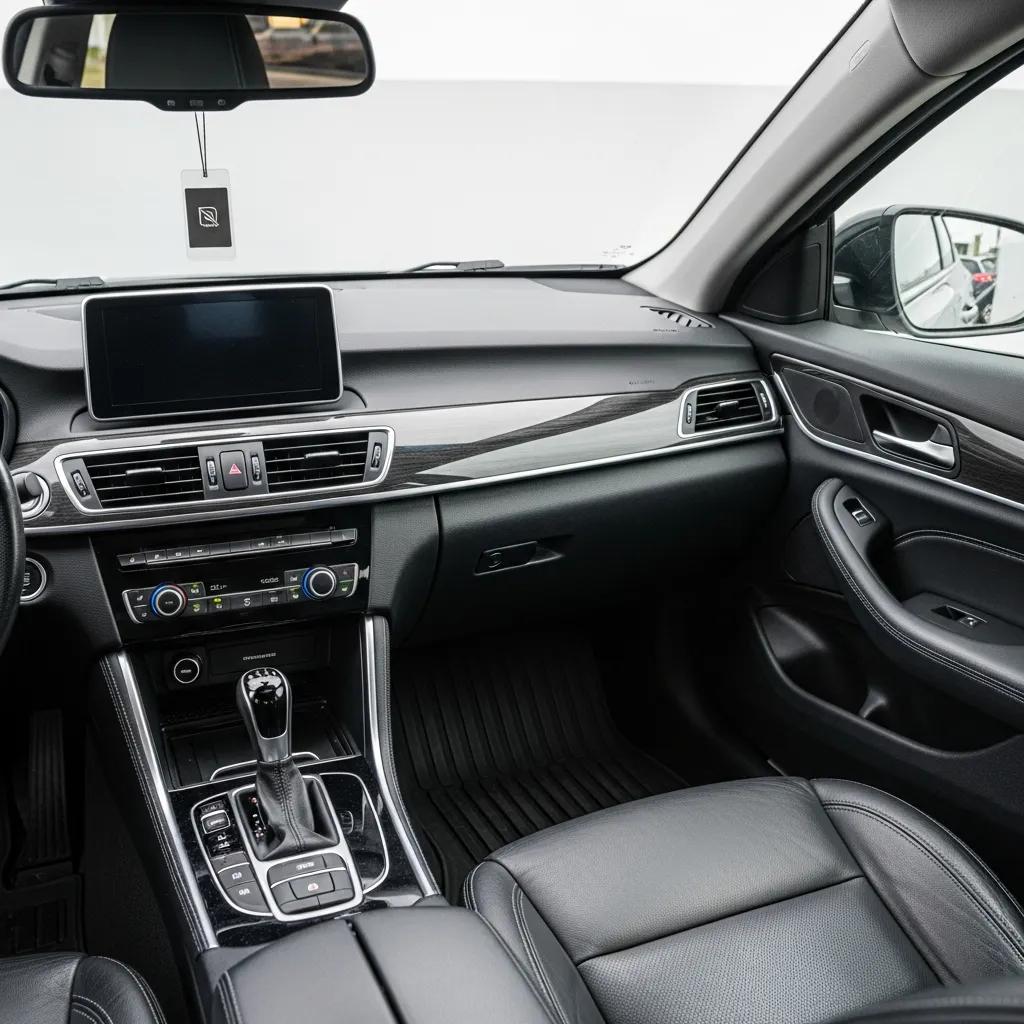
Professional Car Interior Cleaning Tips for a Fresh Look: Complete Car Interior Detailing Guide
Keeping your vehicle’s interior clean does more than improve looks — it protects materials, improves cabin air, and helps preserve value after everyday use or following a collision. This guide covers what professional interior cleaning includes, why OEM-approved methods matter, and when post-accident sanitization is the correct step. You’ll get a clear step-by-step deep-clean workflow, material-specific care for leather, fabric and dashboards, the tools and eco-friendly products pros use, and simple routines to keep your cabin fresh between details. We also outline modern techniques — steam extraction, HEPA vacuuming, enzymatic odor treatments, and ozone/air purification — so you can weigh safe, effective options for your vehicle. By the end, you’ll have practical cleaning protocols, stain-triage tips, product comparisons, and clear guidance on when to call a professional detailer or collision center for OEM-sensitive work.
This guide is for owners who want durable, professional results — from lifting set-in stains to protecting leather and preventing UV damage on dash surfaces. The content moves logically: core deep-clean steps first, then material-specific care with a quick-reference table, followed by local service considerations, recommended product types and technologies with comparisons, and finally daily and seasonal maintenance to extend results. Throughout, we link stain types to the right remediation steps and cleaning technologies to outcomes so you can act confidently and protect interior surfaces and onboard systems.
What Are the Essential Steps to Deep Clean Your Car Interior?
A professional deep clean is a methodical sequence that removes debris, lifts soils from textiles, restores leather, and sanitizes surfaces to leave the cabin looking and feeling fresh. The process stresses preparation, targeted cleaning methods, and finishing steps that protect materials and respect OEM guidelines. Correct sequencing reduces cross-contamination and ensures tough residues get the right tool or chemistry the first time, which preserves long-term material performance. Below is a concise professional workflow with the purpose behind each step so you can reproduce pro-level results or accurately brief a detailer.
Follow these 7 professional steps for a full interior deep clean:
- Clear the cabin: remove personal items, trash, and bag loose debris so dirt isn’t reintroduced during cleaning.
- Vacuum thoroughly using crevice tools and HEPA or high-efficiency vacuums to extract loose soil from seats, carpets, and the trunk.
- Detail vents, cup holders, and tight crevices with soft brushes, compressed air, and micro-detailing tools to free trapped dust.
- Pretreat visible stains on upholstery and carpets with pH-appropriate spotters and allow proper dwell time for penetration.
- Use hot-water extraction or a portable extractor shampoo for fabrics and carpets to lift suspended soils and residue.
- Clean leather with a compatible cleaner, then apply a conditioner matched to the leather type to restore suppleness and protection.
- Finish with wipe-downs: clean glass and trim, sanitize HVAC intakes, and treat lingering odors with deodorization or odor-neutralizing products.
These steps emphasize order and compatibility — prep prevents spreading contaminants, extraction removes deep soils, and protection maintains material integrity. Doing them in sequence reduces trapped residue and leaves surfaces ready for routine upkeep.
How to Effectively Remove Stains from Car Seats and Upholstery
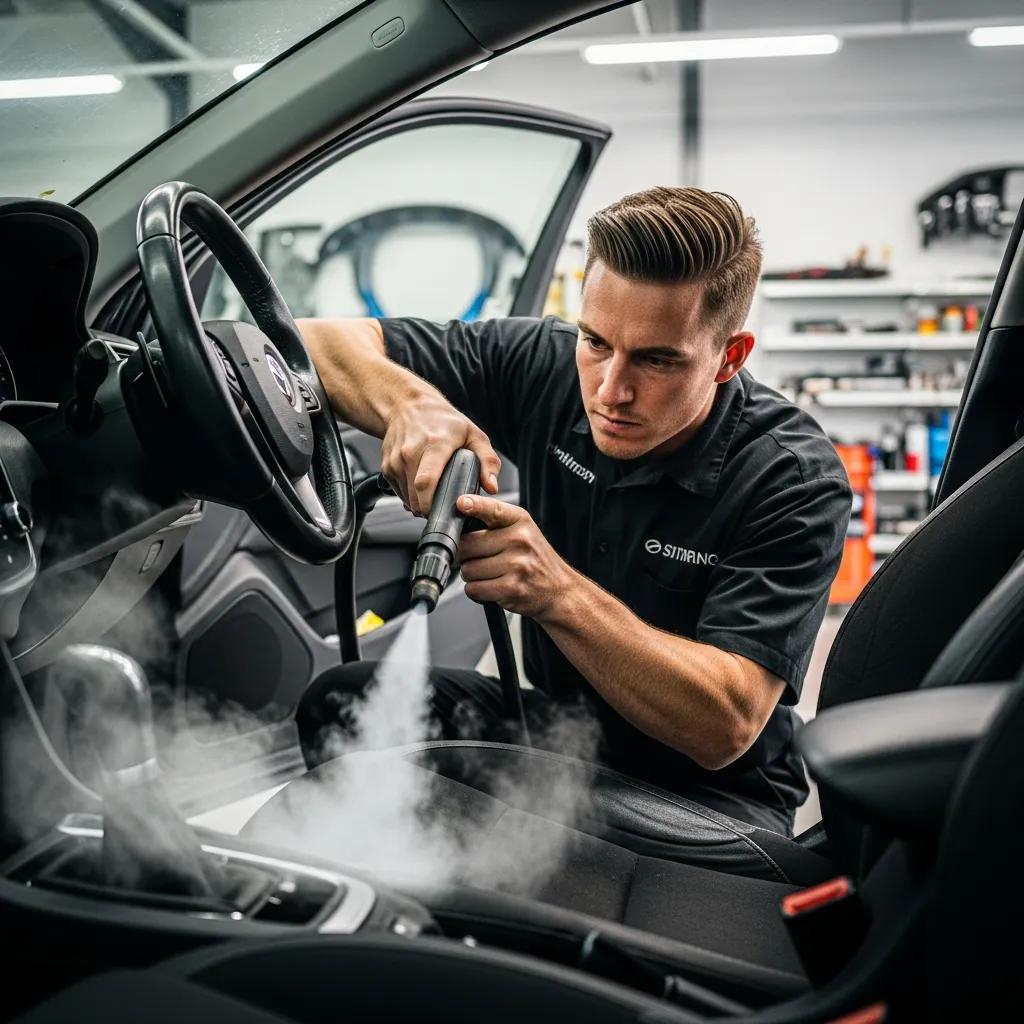
Successful stain removal starts by identifying the stain type — organic (coffee, blood), oil-based (grease, food oils), or dye transfer (jeans, ink) — because each needs a different solvent or enzymatic approach. For organic stains, blot excess liquid, apply an enzyme or pH-balanced cleaner, allow the recommended dwell time, then extract with hot-water extraction to remove proteins and food residues without harming fibers. Oil-based spots respond to surfactant-rich degreasers and gentle agitation with a soft brush, followed by extraction; avoid over-wetting to prevent soiling lines. Dye transfer and ink often require cautious use of targeted solvents, always tested in an inconspicuous area; severely set dye may need professional color repair or reupholstery.
Know when to escalate to pro extraction or repair: if a stain remains after multiple extraction passes, if backing saturation causes odor, or if the fabric shows breakdown, call a specialist. Professionals have controlled heat, industrial extractors, solvent-compatible spotters, and textile restoration techniques that go beyond consumer tools. Recognizing these triage signs helps owners decide when to stop DIY efforts and hand the job to trained technicians to avoid permanent damage.
What Tools and Products Do Professionals Use for Interior Cleaning?
Detailers use an integrated toolkit of high-efficiency vacuums, extraction machines, steam units, and purpose-made chemistries to deliver consistent results while protecting OEM finishes. A HEPA-rated vacuum or commercial wet/dry extractor captures fine particulates and allergens, while portable hot-water extractors pull deep soils from fabric and carpet fibers. Steam cleaners sanitize and loosen soils on non-absorbent surfaces without heavy chemicals, and soft-bristled brushes, microfibers, and foam applicators provide controlled agitation to lift soils without abrasion.
Common product types and safety notes include pH-balanced fabric shampoos for textiles, water-based leather cleaners and dedicated conditioners for hides, and silicone-free interior protectants for trim and dash plastics. Pros always test compatibility in a hidden area, follow OEM guidance for materials, and avoid petroleum-based solvents on trim or dashboards. Matching the right tool to the right product reduces dwell time and limits repeat passes, protecting materials and interior electronics.
How to Care for Different Car Interior Materials: Leather, Fabric, and Dashboard
Material-specific care preserves finish, prevents premature wear, and keeps the OEM appearance intact — each surface (leather, fabric, plastics) needs a targeted approach that balances cleaning strength with preservation. Leather needs gentle, pH-appropriate cleaners and regular conditioning to prevent drying and cracking; fabric benefits from pretreatment and hot-water extraction to remove oils and odors; dashboards and trim respond best to mild cleaners and low-VOC UV protectants to avoid dulling or discoloration. The quick-reference table below maps common problems to professional methods so you can choose the right maintenance routine.
| Material | Common Problems | Recommended Professional Method |
|---|---|---|
| Leather seats | Oil buildup, drying, cracking | Use a gentle leather cleaner with a soft brush, then apply a dedicated conditioner and protective finish |
| Fabric upholstery | Embedded soils, pet hair, odors | Pretreat stains, use hot-water extraction, follow with enzymatic odor treatment and HEPA vacuuming |
| Dashboard & trim | UV fading, grime, sticky residue | Clean with a pH-neutral interior cleaner, wipe with microfiber, and apply OEM-safe UV protectant sparingly |
Tailored methods reduce long-term degradation and maintain appearance while staying in line with OEM care. Using material-specific routines lowers the risk of surface damage and stretches the time between professional interventions.
What Are the Best Practices for Leather Seat Cleaning and Conditioning?
Start by identifying the leather type — aniline, semi-aniline, or protected — since finish and pore openness determine product selection and technique. Use a water-based, pH-appropriate leather cleaner applied with a soft brush or microfiber, working in small sections to lift oils and surface soils without over-saturating the hide. After cleaning, massage in a dedicated leather conditioner to restore oils and flexibility; allow it to penetrate, then buff to a natural sheen. Repeat as recommended based on climate and use.
Avoid household solvents, ammonia, or petroleum-based cleaners that strip protective coatings and speed drying or cracking. Regular, measured conditioning preserves upholstery and supports OEM finish expectations; signs like deep creases, flaking dye, or exposed fibers indicate a need for professional restoration rather than routine conditioning.
How to Clean and Protect Fabric Upholstery and Remove Odors?
Fabric cleaning focuses on suspending soils and extracting them, combined with targeted odor neutralization to remove both visible stains and underlying bio-soils. Begin with vacuuming and pretreating visible stains using pH-balanced fabric spotters, agitating gently, then perform hot-water extraction or portable shampoo extraction to flush soils from fibers. For odors from organic matter or smoke, enzymatic treatments break down odor-causing proteins; follow with thorough extraction and drying with airflow to remove the source rather than masking it.
If odors persist, advanced options — HEPA air filtration during work and controlled ozone or catalytic oxidation treatments — may be appropriate, but these should be applied only by professionals with safety controls. Proper drying and HVAC cleaning prevent re-contamination, and addressing spills quickly reduces the need for intensive remediation later.
Why Choose Professional Car Interior Cleaning Services in Glendale, CA?
Professional interior cleaning brings the equipment, experience, and processes needed to protect safety systems and interior materials while improving occupant health and resale perception. Trained technicians reduce the risk of damaging sensitive components — airbags, seat electronics, proprietary trims — by following OEM-compatible methods and validated material protocols. After collisions, professional sanitization addresses bio-contaminants and residues ordinary cleaning can miss, and proper documentation of interior sanitation can support insurance claims and warranty workflows.
Prime Time Collision Center offers local, OEM-focused service with trust signals that matter for sensitive interiors: I‑CAR Platinum Certified technicians, OEM-quality repairs, insurance claim assistance, free 24/7 towing, and warranties on repairs. Those credentials and integrated services help ensure interior cleaning is coordinated with collision repairs when needed and that materials are handled to manufacturer standards. Choosing a provider that blends detailing skill with collision repair coordination lowers the chance of voiding warranties or introducing incompatible products during repair and reconditioning.
How Does Prime Time Collision Center Ensure OEM-Certified Interior Detailing?
Prime Time Collision Center aligns with OEM care by employing I‑CAR Platinum Certified technicians and following process controls that prioritize material compatibility and factory tolerances. Their workflow includes pre-service inspections for leather and trim, documented material checks, and coordination with collision repairs so interior detailing happens after structural and safety work is confirmed. Technicians use OEM-approved methods for cleaning and protection, and the center assists customers with insurance claims while backing repairs with warranties to reinforce quality assurance.
Customers can expect clear communication about each step: initial condition assessment, recommended remediation (sanitization, extraction, or restoration), and verification checks that preserve OEM fit and finish. For owners who need documented, warranty-conscious detailing after an incident, the center’s combined collision and interior-sanitization capabilities reduce coordination friction and align cosmetic restoration with safety requirements.
What Are the Benefits of Post-Accident Interior Sanitization and Deodorization?
Post-accident sanitization removes bio-contaminants — blood, bodily fluids, and other organic residues — that pose health risks and can cause odors or staining if not properly remediated. Sanitization and deodorization improve occupant health by reducing allergens and microbial loads, and they help restore resale value by eliminating visible stains and lingering odors that deter buyers. From an insurance and repair standpoint, documented sanitization creates a clear record of actions that can support claims and justify necessary cleaning or replacement work.
For example, airbag deployment can disperse particulates and residues that settle into fabrics and ventilation paths; targeted cleaning and HVAC sanitization address these contaminants to ensure both visible cleanliness and functional air quality. Timely, professional sanitization also reduces long-term odor entrenchment and limits the need for extensive remediation later.
Which Cleaning Products and Technologies Are Recommended for a Fresh Car Interior?
Choosing the right product classes and technologies is a balance of effectiveness, material compatibility, and occupant safety. Pros favor pH-balanced chemistries, low-VOC protectants, and mechanical extraction over abrasive or solvent-heavy options. Modern workflows pair enzymatic and biodegradable cleaners for organic soils, water-based leather cleaners and conditioners for hides, steam for sanitizing non-absorbent surfaces, and extractors for deep fabric cleaning. Tools like HEPA vacuums and air purifiers limit particulate spread and improve indoor air quality during and after cleaning.
| Product Category | pH / Solvent Profile | Recommended Surfaces | Pro Use Case |
|---|---|---|---|
| Leather cleaner & conditioner | Neutral to mildly acidic, water-based | Aniline, semi-aniline, protected leather | Remove oils, rehydrate fibers, preserve OEM finish |
| Fabric shampoo / extractor solution | Slightly alkaline, surfactant-based | Carpets, cloth seats | Pretreat and extract embedded soils with hot-water extractors |
| Interior protectant (low-VOC) | Neutral, silicone-free options | Dash, trim, plastics | Provide UV protection and anti-fade benefits with OEM compatibility |
This table clarifies safe pairings and professional scenarios for each category, helping owners avoid common mistakes like using petroleum-based products on dashboards or solvents on sensitive upholstery.
What Eco-Friendly and Non-Toxic Products Do Experts Recommend?

Eco-conscious detailing focuses on plant-derived surfactants, biodegradable enzymes, and low-VOC protectants that clean effectively without leaving harsh residues. pH-balanced cleaners and enzyme-based spotters break down organic soils while remaining gentle on fibers; plant-based leather cleaners avoid petroleum solvents and protect dye integrity. Choosing low-VOC or water-based protectants for dashboards and trim reduces off-gassing and is gentler on electronics and sensors.
Benefits of eco-friendly options include safer cabin air for occupants, better compatibility with sensitive materials, and a lower environmental footprint when wastewater is captured and disposed of correctly. Professionals still recommend compatibility testing and controlled dilution to make sure performance matches traditional chemistries while protecting OEM finishes.
How Do Advanced Cleaning Technologies Enhance Interior Detailing?
Advanced tools supplement manual techniques by improving sanitation, extraction depth, and odor removal while reducing chemical reliance. Steam cleaning offers high-temperature sanitization for non-porous surfaces without heavy chemicals, effective against many microbes and residues. Hot-water extractors and portable carpet extractors push clean water and vacuum extraction into fibers to remove soils and restore airflow through HVAC intakes.
Ozone and targeted air treatments can neutralize persistent odors at a molecular level but require strict professional controls for safety and must be used when no occupants are present and electronics are protected. HEPA vacuums and in-process air filtration reduce airborne particulates during cleaning, improving immediate air quality and lowering the chance of contaminants settling back onto cleaned surfaces.
How to Maintain a Fresh and Clean Car Interior Between Professional Detailing Sessions?
A short set of daily and weekly habits preserves professional detailing results, reduces the need for heavy remediation, and protects interior materials from UV, oils, and grit. Daily routines include removing trash and debris, wiping high-touch surfaces, and treating spills promptly. Weekly maintenance should focus on vacuuming with crevice tools, washing removable mats, and pretreating stains before they set.
Below are practical maintenance schedules and protective measures to extend detailing results:
- Daily: Remove trash, wipe cup holders and high-touch points, and spot-blot fresh spills.
- Weekly: Vacuum seats and carpet, clean interior glass, and dust vents with soft brushes.
- Monthly: Apply a light leather conditioner if needed, check trim protectant levels, and inspect the HVAC filter for visible debris.
What Daily Habits Help Preserve Interior Cleanliness and Prevent Stains?
Simple, repeatable actions prevent most common interior problems and are realistic for busy drivers. Remove food wrappers and trash after trips, keep beverages in sealed containers, and use small trash bins or liners to limit spills on upholstery. Use a handheld lint roller or pet-hair brush after transporting animals, and keep a microfiber cloth and pH-neutral spotter in the car for fast spill response.
Addressing spills within minutes stops capillary action from drawing residues deep into fibers, and routine debris removal reduces dust buildup in vents and under seats. These daily habits significantly cut down on heavy extraction needs and help maintain both appearance and cabin air quality between professional details.
How to Protect Your Dashboard and Console from Sun Damage and Wear?
Sun exposure causes fading, hardening, and cracking on dashboards and console trim; proactive UV protection and gentle cleaning extend material life. Use UV-blocking sunshades when parked, choose shaded parking when possible, and apply OEM-safe, low-VOC protectants sparingly to restore surface oils and add UV resistance. Clean the dash first with a pH-neutral interior cleaner and a soft microfiber to remove grime before applying any protectant so dirt isn’t sealed beneath the treatment.
Avoid petroleum-based solvents and aggressive scrubbing that strip protective coatings and accelerate damage. Regular, gentle maintenance plus protective measures reduces the need for restorative work and helps preserve resale appearance.
If you prefer expert help, schedule a post-accident interior sanitization or an OEM-approved detail when repairs or heavy soiling occur; professional services complement daily care and ensure materials are treated per manufacturer recommendations. Prime Time Collision Center’s blend of collision repair workflows and OEM-focused detailing gives owners a coordinated, warranty-conscious option for interior restoration.
Frequently Asked Questions
What are the signs that my car interior needs professional cleaning?
Look for persistent odors, visible stains that resist DIY cleaning, and a general buildup of dirt and grime. If allergens like dust or pet hair affect cabin air, or upholstery feels sticky or shows discoloration, it’s time for a pro. After an accident, bio-contaminants may also require specialized sanitization to ensure safety and hygiene. Regular checks help catch these issues early.
How often should I have my car’s interior professionally cleaned?
Frequency depends on use and personal preferences. For daily drivers, a thorough professional clean every 6 to 12 months keeps things in good shape. If you regularly transport pets, children, or eat in the car, consider every 3 to 6 months. Also schedule a professional clean after long trips or accidents to address specific concerns.
Can I use household cleaning products on my car’s interior?
We generally don’t recommend household cleaners — many contain harsh chemicals that can damage upholstery, leather, and plastics. Automotive products are formulated for these materials and often have pH-balanced formulas that protect finishes. If you must use a household item, confirm it’s safe for the material and always do a spot test in an inconspicuous area first.
What should I do if I spill something in my car?
Act quickly. Blot liquids with a clean, dry cloth to absorb as much as possible without rubbing, which can spread the stain. For solids, gently scrape off residue. Use a pH-balanced spot cleaner or mild detergent applied to a cloth, not directly to the surface. Rinse with a damp cloth and dry thoroughly to prevent moisture buildup.
Are eco-friendly cleaning products as effective as traditional ones?
Yes — when formulated correctly, eco-friendly products can match traditional cleaners. Many use plant-based surfactants and biodegradable enzymes that break down dirt and stains without harsh chemicals. Choose products labeled for automotive use to ensure compatibility and performance.
How can I maintain my car’s interior between professional cleanings?
Set up a routine of daily and weekly tasks: remove trash daily, wipe high-touch areas, and treat spills immediately. Weekly, vacuum seats and carpets, clean interior glass, and dust vents. Use seat covers and floor mats for extra protection, and apply UV protectants to prevent sun damage.
What are the benefits of using professional detailing services after an accident?
Professional detailers provide thorough sanitization to remove bio-contaminants and odors standard cleaning may miss. They’re trained to handle sensitive materials and follow OEM methods, preserving value and safety features. Detailed documentation of the process can also support insurance claims and warranty needs, giving you peace of mind that the vehicle is restored safely and correctly.
Conclusion
Keeping your car’s interior clean does more than look good — it protects materials, supports safety, and preserves value. Following professional techniques and using the right products keeps the cabin healthy and extends the life of interior surfaces. If you’d like expert help, Prime Time Collision Center offers OEM-certified detailing and interior sanitization tailored to your vehicle. Schedule an appointment today and see the difference a professional clean makes.