Scratch & Scuff Repair and Paint Restoration — Expert Service in Glendale, CA
Small scuffs and deep scratches don’t just hurt your car’s looks — left alone they can lead to rust, failed lease inspections, and lower resale value. At Prime Time Collision we restore appearance and protect the factory finish by repairing clear coat damage, matching and repainting affected layers, and blending adjacent panels to OEM standards. This guide walks you through how our technicians assess scratch severity, pick the right fix — from compounding and spot-clear to full-panel repaints — and why exact color matching and careful paint correction matter for long-term durability. Read on to learn which scratches are repairable, how a repair flows from inspection to final QA, what service packages we offer, and how insurance can help cover costs. We’ll also explain certifications, OEM repair benefits, repair timelines, and typical price ranges so you can choose the right path for your vehicle.
Why Choose Prime Time Collision Center for Your Car Scratch Repair?
Scratch repair is more than buffing — it requires trained technicians, controlled paint environments, and factory-aligned processes to make the repair look and perform like new. A shop that follows OEM procedures lowers the chance of color mismatch, poor adhesion, or issues that could affect safety systems. For Glendale drivers, working with a certified shop that documents its workflow speeds insurance approvals and gets your car back on the road faster. Below we summarize the key reasons customers trust Prime Time Collision.
- Certified Technicians: Our I-CAR Platinum–trained techs follow industry-standard procedures that reduce repair errors and rework.
- OEM-quality Processes: We use factory-aligned methods to protect safety systems and preserve the original finish.
- Insurance Coordination: We work with major insurers to streamline approvals and claims so you don’t have to chase paperwork.
- Free Estimates & Easy Booking: We provide free estimates so you can decide whether to claim or pay out of pocket without surprise costs.
Together these advantages deliver repairs that satisfy both appearance and safety expectations while simplifying the administrative side for vehicle owners.
How Do I-CAR Platinum Certified Technicians Ensure Quality Repairs?
I-CAR Platinum means ongoing, advanced training across structure, mechanicals, and paint work. Our technicians are trained to evaluate damage accurately, select the right materials, follow OEM repair procedures, and document each step for insurers and manufacturers. That training reduces risks like improper surface prep, weak paint adhesion, or incorrect blending that lead to visible mismatches or premature failure. For every job we verify factory paint codes, use approved application methods, and control curing and final color-correction polishing to restore a factory-quality finish. This disciplined approach improves durability and gives buyers and owners confidence in the repair.
What Are the Benefits of OEM Certified Auto Body Repair?
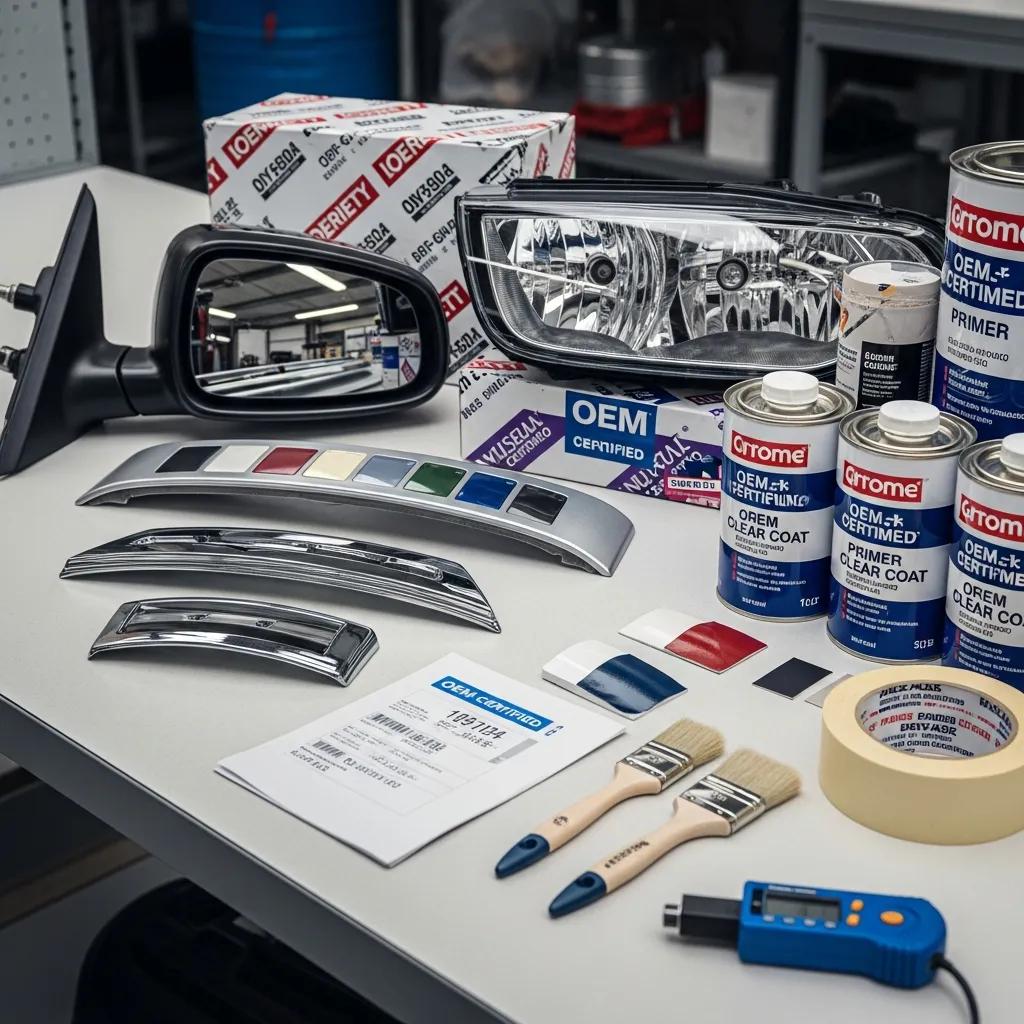
OEM-certified repairs use manufacturer-approved parts, paint formulas, and documented procedures to bring the vehicle back to factory condition. That preserves safety calibrations, supports warranty requirements when applicable, and reduces the risk of repairs that affect fitment or structural integrity. For lease returns and resale, OEM-aligned documentation shows the work was done correctly and can prevent disputes. Using genuine materials and following manufacturer steps also makes insurance approvals smoother because our estimates line up with factory repair manuals. In short, following OEM standards protects the vehicle’s safety, appearance, and long-term value.
What Types of Car Scratches and Scuffs Can Be Professionally Repaired?
Repair needs depend on which paint layers are damaged — clear coat, base coat, primer, or exposed metal — and that determines whether we can polish, do a spot touch-up, or perform a full-panel repaint. Many clear coat scratches respond to compounding and reapplication of clear; base-coat damage requires color-matched paint and blending; deep gouges exposing primer or metal often need filler, primer, and full-panel refinishing. Knowing these differences helps you decide whether a quick, low-cost fix is enough or if more extensive work is the right call. Below we break down the common layer-level categories and the risks tied to bumper scuffs and chips.
- Clear Coat Scratches: Surface-only damage often fixed with polishing or a spot clear coat application.
- Base Coat / Paint Scratches: Penetrate the color layer and require color-matched repainting and blending.
- Deep / Gouge Scratches: Reach primer or metal and may need filler, primer, and a full-panel repaint to restore integrity.
These categories guide repair choices and cost expectations. The next section outlines the specific methods used for each layer.
How Are Clear Coat, Paint, and Deep Scratches Different?
Clear coat scratches affect only the transparent protective layer and usually respond well to compounding, polishing, and targeted clear-coat touch-up to restore gloss and protection. Paint-level scratches cut through the clear and base coat, exposing pigment; they require precise color matching, careful base-coat application, and feather-blending into adjacent panels to avoid visible lines. Deep gouges that reach primer or bare metal need rust prevention, filler shaping, primer, and controlled base/clear repainting to return the panel to factory dimensions and finish. Time and complexity grow with depth because deeper repairs need more sanding, masking, blending, and curing — which is why a professional assessment is the safest choice.
What Damage Do Bumper Scuffs and Paint Chips Cause?
Bumper scuffs and paint chips may look cosmetic at first, but they can expose substrates that accelerate wear or corrosion. Plastic bumpers often need refinishing or local repaint after proper prep, while metal chips can rust over time. Cosmetic flaws also lower perceived condition and can trigger deductions at lease return or during resale negotiations, so prompt repair protects value. Many bumper scuffs are fixable without replacing the panel using plastic repair techniques, adhesion promotion, primer, and color-matched repainting to restore shape and sheen. Early attention prevents deeper issues and keeps the finish aligned with OEM expectations.
How Does the Professional Car Scratch and Scuff Removal Process Work?
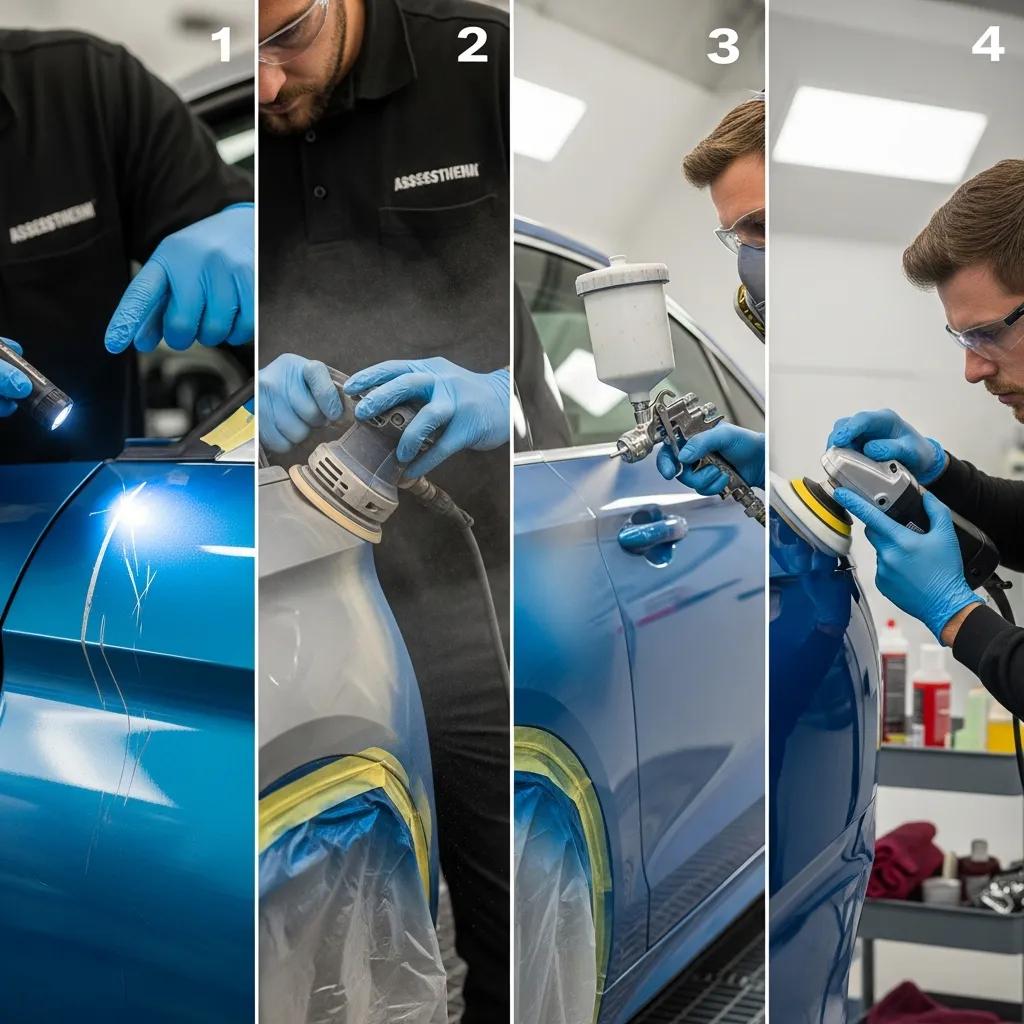
Our scratch and scuff removal follows a clear, repeatable sequence: document and assess the damage, prepare and restore the substrate, apply matched paint and clear coat, then finish with a quality check and protection. This process reduces the chance of missed damage, ensures accurate color matching, and delivers results that blend with the factory panels. Below is a compact step reference showing what we do and how long each phase typically takes.
- Assessment & Imaging: Inspect the damage and create digital records for an accurate estimate and insurer review.
- Surface Preparation: Clean, sand, and apply filler or primer as needed to restore contours and adhesion.
- Painting & Blending: Apply the base coat, blend into adjacent areas, then add clear coat and allow proper curing.
- Final QA & Protection: Polish, verify the color match, and add protective treatments if desired.
These steps line up with the table below to give owners a simple reference for tools, outcomes, and expected durations.
| Step | Tool / Method | Typical Outcome / Time |
|---|---|---|
| Assessment & Imaging | Visual inspection, digital photos | Accurate estimate and insurer-ready documentation (15–45 min) |
| Preparation | Cleaning, sanding, filler | Restored panel contours and adhesion-ready surface (1–3 hrs) |
| Painting & Blending | Spectrophotometer, spray booth, OEM paint | Invisible color match and cured finish (2–8+ hrs depending on panel) |
| Final QA & Protection | Polishing, inspection, optional ceramic/clear protection | Restored gloss and verified finish (1–2 hrs) |
This workflow helps you anticipate each phase. Next we explain what we document during the initial assessment and why imaging matters for claims and planning.
What Is Involved in Initial Damage Assessment and Digital Imaging?
Our initial assessment pairs a close visual inspection with targeted digital photos to document visible and potential hidden damage, which lets us create accurate estimates and speeds insurer review. We check paint depth, proximity to seams or sensors, and whether underlying structural or mechanical components might be affected. Digital images and notes create an auditable record for insurers and support supplements if hidden damage appears during disassembly. The estimate we provide lists labor, parts, paint, and blending time so you can compare paying out of pocket versus filing a claim.
How Are Paint Correction and Color Matching Performed for Invisible Repairs?
Invisible repairs depend on precise color tools and a controlled painting environment. We check factory paint codes, refine tint with a spectrophotometer, and apply base and clear in a spray booth that controls temperature and humidity for consistent curing. Blending adjacent panels or doing partial-panel repaints prevents visible transitions. We follow OEM layering — primer, base, then clear — for proper adhesion and finish depth. After curing, multi-stage polishing corrects minor texture and gloss differences, creating a seamless appearance that resists UV and environmental wear.
What Services Are Offered for Comprehensive Scratch and Scuff Removal?
We group common repair approaches into packages that match damage severity and owner priorities — from fast clear-coat correction to full-panel restoration for deep scratches. Typical packages include minor scuff repair, deep scratch restoration, bumper repair, and lease-return prep (with special care for luxury vehicles). These packages help you choose by turnaround, cost, and whether you plan to involve insurance. Below is a quick summary of our service categories and when to pick each.
- Minor Scuff Repair: Fast cosmetic fixes for surface scratches and scuffs that restore gloss and appearance quickly.
- Deep Scratch Restoration: Full repair including filler, primer, color-matched repaint, and blending for long-lasting results.
- Bumper Scuff and Chip Repair: Plastic repair, adhesion promotion, and repaint to restore shape, fit, and color.
- Lease Return & Luxury Vehicle Service: Targeted cosmetic restoration designed to minimize inspection deductions and preserve value.
Below is a compact service table outlining what each package includes, typical turnaround, and ideal use case.
| Service Package | What’s Included | Approx. Turnaround |
|---|---|---|
| Minor Scuff Repair | Compounding, spot clear coat, polish | Same-day to 1 day |
| Deep Scratch Restoration | Filler, primer, base/clear, blending, polish | 2–5 days |
| Bumper Scuff Repair | Plastic prep, adhesion, repaint, finish | 1–3 days |
| Lease Return Prep | Targeted repairs, documentation, polish | 1–4 days |
Use this table to match your needs to the right package. The next sections explain how minor and deep repairs differ in technique and timing.
How Are Minor Scuffs and Clear Coat Repairs Handled?
Minor scuffs start with cleaning and inspection, then we compound and polish to remove light abrasions and, where needed, apply a spot clear coat to restore gloss. We isolate the area, use gentle abrasives to level defects, then feather and cure the clear coat before final polishing so the repair blends into the surrounding finish. These repairs limit paint removal and usually avoid insurer involvement since costs are often below deductibles — but we always offer a free estimate so you can decide the best route. Fast turnaround and lower cost make these an efficient way to maintain appearance and prevent further damage.
What Does Deep Scratch Repair and Paint Restoration Include?
Deep scratch repair is multi-stage: remove damaged paint back to sound substrate, apply body filler to restore contour, sand and prime, then apply a color-matched base coat with careful blending and finish with clear coat and polishing. Sometimes panel disassembly is needed to access edges. We allow controlled drying and curing between coats for proper adhesion and durability. Because of the extra labor and materials, deep repairs take longer and cost more than surface fixes — which is why these jobs are commonly documented for insurance claims. The end goal is an OEM-quality finish that resists peeling and discoloration over time.
How Can Insurance Claims Support Your Car Scratch Repair Costs?
Insurance coverage depends on how the damage happened. Collision and comprehensive cover many scratch scenarios — collision for accidents, comprehensive for vandalism or falling objects — while everyday wear or owner-caused cosmetic damage may not be covered. Compare your deductible to the repair cost to decide whether to file a claim; if repair costs exceed the deductible or multiple vehicles were damaged, a claim often makes sense. A detailed estimate and digital photos speed insurer review and reduce back-and-forth by providing clear, auditable evidence of damage and needed repairs. The checklist below shows the steps to take when considering a claim.
- Document Damage: Take clear photos and notes for the insurer.
- Get a Written Estimate: Obtain an itemized estimate with images from the repair shop.
- Compare Deductible vs. Cost: Decide whether to pay out of pocket or file a claim.
- Submit Evidence: Provide your insurer with photos, the estimate, and any relevant reports.
Following these steps makes filing more efficient and protects your position if the repair scope changes. Below we explain how Prime Time Collision helps with the process.
Does Car Insurance Cover Scratch and Scuff Repairs?
It can. Collision coverage typically applies to accidents with other vehicles or objects; comprehensive covers non-collision incidents like vandalism or falling debris. Your deductible and policy details determine whether a small cosmetic fix should be filed as a claim — sometimes it’s better to pay out of pocket to avoid potential rate impacts. Insurers usually want documentation and may request additional photos or inspection, so having clear digital records and a professional written estimate increases the chance of a smooth approval.
How Does Prime Time Collision Assist with Insurance Claim Processing?
We work with all major insurance companies to speed approvals and simplify repair authorization. Our team provides detailed, itemized estimates with digital imaging and documented repair plans, coordinates communications with your insurer, explains deductible implications, and manages supplements if additional damage appears during disassembly. That lets you focus on getting the car back while we handle the paperwork, pairing certified technicians with seamless insurer coordination for a more predictable repair experience.
What Are the Typical Costs and Benefits of Professional Car Scratch Repair?
Costs vary with severity: minor scuffs are the least expensive, medium repairs require blending and spot painting at moderate cost, and deep or full-panel repaints are the priciest because of labor and materials. Investing in professional repair prevents corrosion, preserves resale value, and maintains manufacturer finish and safety alignment. The table below gives typical price ranges, repair times, insurance likelihood, and warranty expectations to help you weigh options.
| Repair Type | Typical Cost Range | Time to Repair | Insurance Likelihood |
|---|---|---|---|
| Minor Scuff Repair | $50–$150 | Same-day to 1 day | Low |
| Medium Paint Repair | $150–$500 | 1–3 days | Medium |
| Deep / Full Panel Repaint | $1,000+ | 2–5+ days | High (depending on cause) |
This table clarifies cost trade-offs. The next sections explain the main cost drivers and why professional paint correction protects value.
How Much Does Deep Car Scratch Fix Cost Compared to Minor Repairs?
Deep repairs cost significantly more because they include bodywork, filler, primer, and controlled repainting with blending into adjacent panels. Labor hours, paint volume, and special color formulas for luxury vehicles can push full-panel work above $1,000. Minor scuff repairs concentrate on polishing and spot clear coats and typically run $50–$150 with same‑day turnaround. Medium repairs that need localized base coat and blending usually fall in the $150–$500 range. Cost drivers include panel access, replacement parts, color complexity, and insurer or OEM requirements.
Why Is Professional Paint Correction Important for Vehicle Value?
Professional paint correction evens out gloss, removes surface defects like swirl marks, and ensures color and texture continuity across panels — all of which influence buyer perception and appraisals. Proper corrective work prevents small defects from turning into rust or structural issues and provides documented proof of professional repair that buyers and underwriters trust. Keeping an OEM-like finish with certified repair records often preserves resale value and minimizes lease inspection deductions. In short, quality paint correction protects both appearance and financial value over the life of the vehicle.
Frequently Asked Questions
1. How can I prevent scratches and scuffs on my car?
Preventing scratches is about habits and protection. Wash regularly to remove grit that can scratch paint. Use a quality wax or sealant for a sacrificial layer. Park away from tight spots and consider a car cover when possible. For higher protection, install paint protection film or a ceramic coating — both reduce damage from road debris and daily wear.
2. How long does the car scratch repair process typically take?
Timing depends on severity. Minor scuffs can often be done same day. Medium repairs usually take 1–3 days. Deep repairs with bodywork and repainting can take 2–5 days or longer depending on curing and access. We’ll give a specific timeline after inspection.
3. What should I do if my car has a deep scratch?
Address deep scratches quickly to avoid rust. Clean the area, but avoid DIY fixes that can make the problem worse. Schedule an inspection with a certified technician who can recommend the right repair — often filler, primer, and color-matched repainting are required to restore appearance and protect the metal.
4. Are there any warranties on scratch repair services?
Many professional shops, including ours, offer warranties covering workmanship and materials. Warranty terms vary, so ask for specifics before the repair. Keep your repair and warranty documentation for resale or lease records.
5. Can I file an insurance claim for minor scratches?
You can, but it’s not always the best choice. If repair costs are below your deductible, paying out of pocket often avoids rate changes. If multiple vehicles were affected or the incident is covered by your policy, a claim makes sense. Get an estimate first and then decide.
6. What factors influence the cost of car scratch repairs?
Cost depends on damage depth, repair methods, materials, and vehicle make. Minor scuffs need less labor and materials; deep scratches require filler, primer, and blending. Luxury paint formulas or hard-to-access panels add cost. Always request a detailed estimate so you know what’s included.
7. How can I choose the right repair shop for my car?
Look for certified technicians (I-CAR Platinum is a strong signal), OEM-aligned processes, clear estimates, good reviews, and transparent warranties. Ask about insurer experience and whether they document repairs for lease or resale. A reputable shop communicates clearly and stands behind its work.
Conclusion
Professional scratch and scuff repair preserves your car’s look and long-term value. Choosing a certified shop that follows OEM standards ensures repairs are safe, durable, and visually seamless. Don’t let small scratches become bigger problems — contact Prime Time Collision for a free estimate and let our team restore your finish the right way.