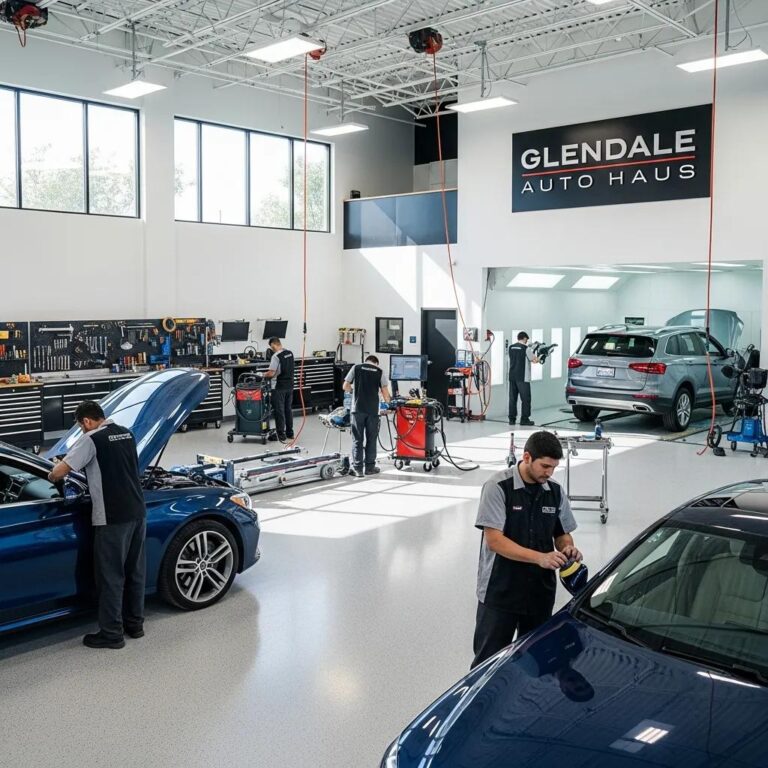

Progressive Auto Insurance Claims: A Step‑by‑Step Guide to Filing and Getting Factory‑Quality Repairs
This guide gives clear, practical steps for staying safe after a crash, documenting the scene, and getting your vehicle repaired to factory standards while you work through a Progressive claim. We’ll walk through what to do right after a collision, how Progressive evaluates damage, how estimates and supplements work, and how to push for OEM‑quality repairs if that’s your preference. Many drivers worry about slow repairs, low estimates, or lost value after an accident — this article lays out the actions that protect safety, preserve evidence, and help you advocate for the right repair. You’ll also learn how to pick a body shop, why OEM parts matter for safety and resale, and what to expect from shop workflows like ADAS calibration and warranty handoffs. If you want local, hands‑on help, Prime Time Collision Center in Glendale offers free estimates, works with all major insurers, and uses I‑CAR Platinum technicians to pursue factory‑quality repairs — call (818) 396-4997 to talk with our team. The sections below cover first steps, damage assessment, shop selection, OEM considerations, Prime Time’s repair workflow and warranty, and common claim questions to keep your Progressive claim moving efficiently.
What Are the Initial Steps After a Car Accident with Progressive?
Right after an accident, put safety first and gather clear documentation so your Progressive claim and the repair process move smoothly. Make sure everyone is safe and call 911 if needed. If it’s safe to do so, move vehicles out of traffic and use hazards. Take photos and notes — those details become the backbone of a complete repair estimate. File your Progressive claim as soon as you can via app, website, or phone; early reporting speeds up adjuster assignment and rental decisions. Following these steps helps avoid delays and gives a repair shop the info it needs to produce a thorough estimate, which can shorten your total repair time.
- Ensure Safety First: Check for injuries, call 911 if necessary, and move to a safe spot.
- Document the Scene: Photograph vehicle positions, visible damage, license plates, VIN, and road conditions.
- Exchange Information: Get names, phone numbers, insurance details, and witness contacts.
- Record Vehicle Details: Note mileage, fuel level, and any interior or exterior damage you can see.
- File the Claim Promptly: Report the accident using Progressive’s app, online portal, or by phone.
- Contact a Repair Shop for Towing/Estimate: Arrange towing if needed and book a free estimate so repairs can begin.
These actions form the foundation of a smooth Progressive claim. Acting quickly gives adjusters and shops the information they need to create accurate estimates and reduces the chance of later supplements or extended downtime.
How to Gather Essential Information for Your Progressive Claim

Good evidence at the scene makes your Progressive claim more accurate and speeds the estimate process. Focus on clear photos of all damaged panels, overall vehicle position, and close‑ups of identifying marks like the VIN and license plates. Collect contact and insurance details for everyone involved and save any witness statements or dashcam footage. Shoot multiple angles: wide shots for context, medium shots for overall damage, and close‑ups for specific broken parts or airbag deployment — those close‑ups often match individual repair line items. Thorough documentation helps a repair shop convert what they see into parts codes and labor entries, which reduces the chance of long supplement cycles when hidden damage appears during teardown.
- Photos: front, rear, both sides, close‑ups of damaged panels, interior damage, VIN, and license plates.
- Contacts: names, phone numbers, and insurance companies for all drivers and witnesses.
- Notes: time, location, weather, and any police report or citation numbers.
- Video: save dashcam or phone footage and preserve it for the adjuster.
Clear photos and detailed notes are the most valuable evidence you can bring to a Progressive claim. They help adjusters and repair shops produce accurate estimates and speed resolution when hidden damage shows up during teardown.
How to Report Your Claim to Progressive: Online, App, or Phone Options
Progressive offers several ways to file a claim — each has pros and cons. The app and website let you upload photos and enter incident details quickly, which can speed desk adjuster reviews and sometimes produce an initial estimate from images. Filing by phone connects you with a live representative who can authorize rentals, towing, and answer complex questions — useful after a serious crash. Whichever method you choose, have photos, the police report number, VIN, and other driver details on hand to reduce back‑and‑forth. After you file, schedule a free inspection with a local shop so they can document damage and coordinate with the adjuster.
- App/online: Fast, supports photo uploads, good for straightforward claims and desk estimates.
- Phone: Live help for complicated claims, rental approval, and immediate questions.
- Shop referral: Contacting a trusted repair shop after filing helps arrange towing, a teardown, and a full estimate for Progressive.
Choosing the right channel depends on the crash complexity; uploading clear photos early often reduces repeated documentation and improves communication between Progressive and your chosen repair facility.
How Does Progressive Assess Damage and Provide Repair Estimates?
Progressive’s assessment starts when an adjuster converts documented damage into estimate line items for labor, parts, paint, and calibration. Desk or photo estimates capture obvious panel damage and visible mechanical issues, but they can miss hidden structural or subsurface damage that shows up during disassembly. Adjusters assign parts codes and labor operations for an initial estimate; independent shops commonly prepare supplements when teardown uncovers additional damage or OEM part needs. Knowing the typical estimate components helps you anticipate where supplements might appear and how a shop documents them for Progressive.
| Repair Item | Estimate Attribute | Typical Progressive Estimate vs Independent Supplement |
|---|---|---|
| Labor | Hours for panel repair or replacement | Progressive may estimate direct repair hours; independent supplements often add teardown and reassembly time found after disassembly |
| Parts | Part type and sourcing (OEM vs aftermarket) | Initial Progressive estimates may list aftermarket equivalents; supplements show OEM part numbers and cost differences |
| Paint & Materials | Prep, blending, and clearcoat | Initial estimates cover visible panels; supplements add blending into adjacent panels or extra coats found during refinishing |
| ADAS Calibration | Sensor calibration and alignment | Progressive may not fully itemize ADAS needs until identified; shops add calibration labor and equipment charges as supplements |
This table highlights common areas where supplemental documentation is needed to reconcile a Progressive estimate with a complete, safe repair. When a shop provides teardown photos tied to OEM part numbers, Progressive typically reviews that evidence before approving supplements.
What Is the Role of the Progressive Claims Adjuster in Damage Assessment?
An adjuster reviews your evidence, verifies coverage, and creates an initial estimate by matching visible damage to repair operations and parts. Adjusters may work from photos (desk adjusters) or inspect the vehicle in person; desk estimates are efficient but can miss hidden structural issues only found during teardown. The adjuster’s documentation becomes the baseline for any supplements. If you or your repair shop think the initial estimate is incomplete, ask for an in‑person reinspection or submit supplemental evidence showing hidden damage and necessary OEM parts. Clear communication between the adjuster and a qualified shop reduces disputes and shortens the claim timeline.
Because adjusters often focus on visible items, a teardown by a certified shop is the next step when additional damage is suspected. That teardown creates the evidence Progressive needs to approve supplements and ensures repairs follow manufacturer procedures.
How to Understand and Supplement Progressive’s Repair Estimates
To supplement a Progressive estimate, show the additional required work with a documented teardown, parts lists, and technician notes that justify extra labor or OEM parts. The typical supplement process looks like this: the shop disassembles affected areas, documents findings with photos and part numbers, submits a supplemental estimate to Progressive with supporting evidence, and coordinates with the adjuster for approval. Shops often include OEM part numbers, test results (for mechanical or ADAS issues), and calibration requirements to strengthen the supplement. Prime Time Collision or another independent shop can compile a supplement packet that maps hidden damage to specific repair operations, which helps Progressive process supplements faster.
- Teardown & Documentation: Disassemble to reveal hidden structural or mechanical damage and photograph everything.
- Parts & Labor Identification: List OEM part numbers and exact labor for discovered damage.
- Submit Supplemental Estimate: Send the supplement packet to Progressive and request reinspection if needed.
- Follow‑up & Negotiation: Stay in touch with the adjuster to answer questions and get timely approval.
A well‑organized supplement shortens approval time and ensures safety‑critical work is completed, not just the visible fixes. Clear, itemized evidence that links teardown findings to repair steps is the most persuasive foundation for approval.
Can You Choose Your Own Body Shop for Progressive Claims?
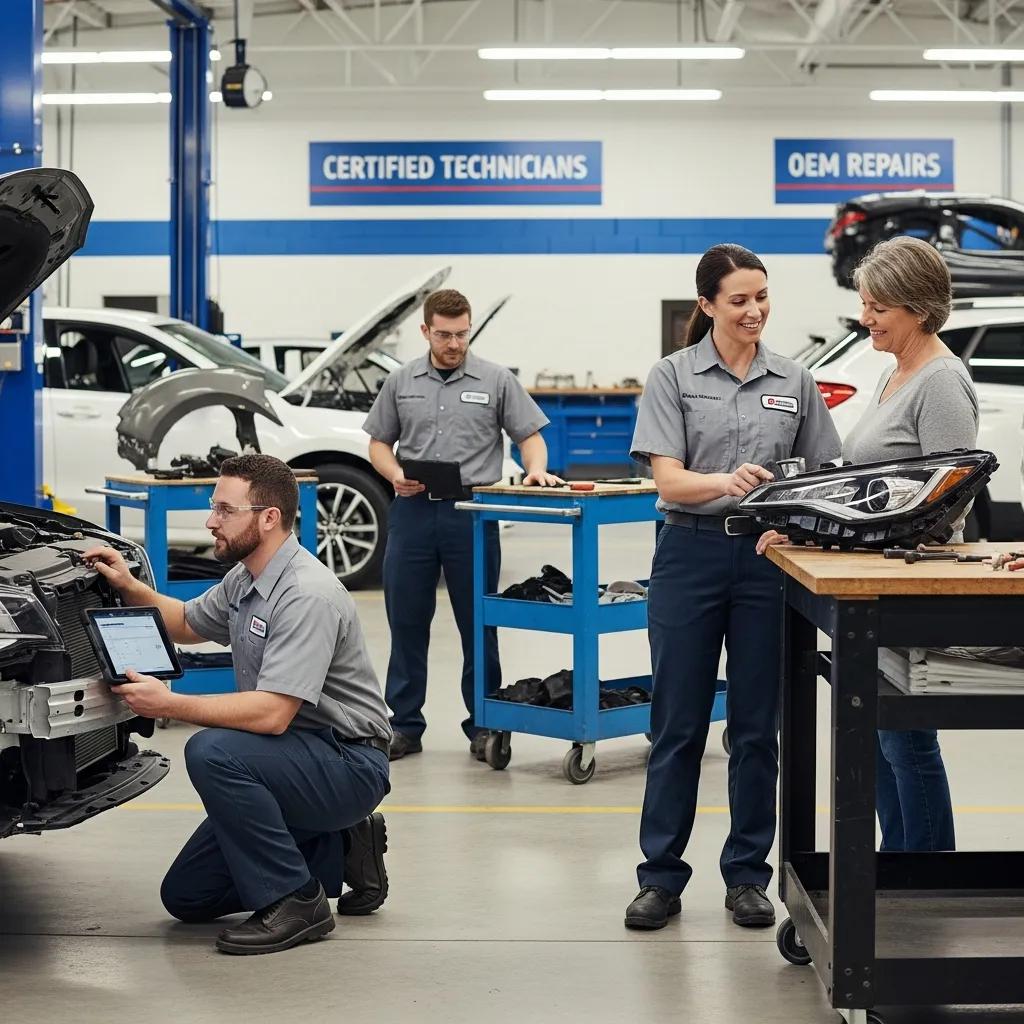
Yes — as the policyholder you can usually pick your repair shop for a Progressive claim. Progressive may suggest preferred shops, but you’re not required to use them. Choosing an independent shop gives you more control over repair methods, parts selection, and the level of supplemental documentation submitted to Progressive. When picking a shop, confirm they collaborate with insurers, document teardown findings thoroughly, and understand ADAS calibration — those qualities help align shop evidence with the adjuster’s review. A local, certified shop also makes communication and accountability easier throughout the claim.
- Policyholder choice: You can choose your repair facility instead of being forced into a network shop.
- Network pros: Streamlined insurer communication and standardized pricing workflows.
- Independent pros: Focus on OEM parts, detailed teardown evidence, and stronger advocacy for full repairs and supplements.
Picking the right shop is a balance between insurer convenience and your preference for factory‑quality repairs. Independent shops that work closely with adjusters can offer transparent advocacy without sacrificing timeliness.
What Are the Benefits of Using an Independent Body Shop Like Prime Time Collision?
Independent shops that prioritize OEM repairs offer safety, fit, and long‑term value while advocating for the right fix during Progressive claims. Prime Time Collision Center focuses on factory‑quality repairs, employs I‑CAR Platinum technicians, and provides free estimates plus towing coordination to make claims smoother. Independent shops detail teardown findings and OEM part needs, which helps justify supplements and keeps repairs aligned with manufacturer procedures for structure, paint, and ADAS calibration. Clear, personal communication and claim advocacy from an independent shop lower the chance of miscommunication with adjusters and make it easier to restore the vehicle correctly.
Using a local shop that insists on OEM parts and certified processes reduces fitment issues, ensures proper ADAS recalibration, and protects resale value. Prime Time’s mix of certified techs, free estimates, and insurer experience helps them work effectively with Progressive while keeping customers’ priorities front and center.
How Does Prime Time Collision Work with Progressive Insurance?
Prime Time Collision coordinates with Progressive at every major claim stage: initial estimate and check‑in, teardown and supplemental documentation, parts sourcing and repairs, ADAS calibration and quality checks, and the warranty handoff at delivery. The shop prepares a thorough estimate, shares findings with the adjuster, and documents any supplements with OEM part numbers and teardown photos. Prime Time’s I‑CAR Platinum technicians perform repairs to manufacturer standards and complete required calibrations before delivery. They also back workmanship with a warranty to give customers peace of mind. To get started, call (818) 396-4997 to schedule a free estimate and arrange towing or rental help if needed — the shop will assist with much of the adjuster coordination on your behalf.
Prime Time’s process emphasizes clear documentation and direct adjuster communication so Progressive has the evidence needed to approve supplements and authorize OEM parts when appropriate. That coordination reduces delays and improves the chances of a complete, factory‑quality repair.
What Is the Value of OEM Certified Repairs in Progressive Claims?
OEM‑certified repairs preserve crashworthiness, correct fit, and manufacturer warranty relationships — all important when Progressive evaluates parts and labor. OEM parts match the vehicle’s original fit, materials, and corrosion protection, lowering the risk of fitment problems or compromised safety. For vehicles with ADAS, manufacturer procedures and OEM components often require specific calibration steps; documenting those steps strengthens a supplement or OEM request with Progressive. Choosing OEM‑certified repairs protects long‑term value and safety while giving insurers the clear documentation they expect during claim review.
| Component Type | Attribute | Impact on Safety/Value |
|---|---|---|
| OEM Parts | Fit and structural compatibility | Helps preserve manufacturer crash performance and correct fit |
| Aftermarket Parts | Cost and availability | Lower up‑front cost but potential for mismatched fit, finish, or corrosion protection |
| OEM Paint Match | Color fidelity and coating standards | Ensures consistent appearance and factory corrosion resistance |
| ADAS Components | Sensor and mounting compatibility | OEM components align with manufacturer calibration protocols for safety systems |
Why Are OEM Parts Important for Vehicle Safety and Value?
OEM parts are built to the vehicle’s original specifications, so repairs keep crash behavior, structural strength, and corrosion protection as intended. When structural components are replaced, OEM parts maintain load paths and attachment geometry that matter for crashworthiness. On ADAS‑equipped vehicles, OEM sensors and mounts help ensure accurate calibration and proper system performance — the wrong parts or improper calibration can leave systems misaligned and less safe. From a resale angle, documented OEM repairs reassure buyers and appraisers, helping limit diminished‑value losses over time.
In short, OEM parts aren’t just about looks — they matter for how systems perform after a repair. That’s why many repair pros and policyholders push for OEM when the evidence supports it.
How Does Progressive Handle OEM Parts Coverage and What Are Your Options?
Progressive may list aftermarket parts in an initial estimate, but you can request OEM parts or dispute an estimate if OEM is needed for safety or manufacturer procedures. To pursue OEM coverage, have a qualified repair shop provide OEM part numbers, manufacturer procedures, and any calibration requirements tied to the parts. Teardown photos, part cross‑references, and technician notes strengthen the request and give the adjuster concrete evidence to review. If Progressive denies OEM coverage at first, you can request a reinspection, submit a supplemental estimate, or escalate within the claim while keeping thorough shop documentation.
- Request OEM at Filing: Tell the adjuster you prefer OEM parts and note that on your claim.
- Provide Shop Documentation: Ask your repair shop to supply OEM part numbers and teardown evidence to support the request.
- Submit Supplemental Evidence: If the initial estimate excludes OEM parts, have the shop submit a supplement explaining why they’re necessary.
- Escalate if Needed: Use Progressive’s reinspection or escalation channels with complete shop documentation to pursue approval.
Precise, technician‑backed documentation is the most effective way to secure OEM coverage from Progressive. Independent shops that follow manufacturer procedures make that process clearer and more defensible.
What Is Prime Time Collision‘s Repair Process and Warranty for Progressive Claims?
Prime Time Collision follows a step‑by‑step repair workflow designed to deliver factory‑quality results while coordinating claims with Progressive and other insurers. The process starts with check‑in and a free estimate, followed by a documented teardown to find hidden damage and build a complete estimate. After parts sourcing — using OEM when required — certified technicians perform repairs, paint, and reassembly, then complete ADAS calibration and a multi‑point quality inspection. Prime Time covers workmanship under warranty and keeps open communication with the adjuster to handle supplements and approvals, which helps avoid surprises during your Progressive claim. Call (818) 396-4997 to set up a free estimate and discuss towing or rental arrangements as part of your claim plan.
| Process Phase | Checkpoint | Warranty/Quality Note |
|---|---|---|
| Inspection & Estimate | Free initial estimate and documented teardown | Creates evidence for Progressive supplements and OEM requests |
| Parts Sourcing | OEM parts ordered when required | Ensures correct fit and manufacturer compatibility |
| Repair & Paint | I‑CAR certified technicians perform repairs and refinishing | Workmanship backed by shop warranty |
| ADAS Calibration & QA | Sensor calibration and final inspections | Verifies safety systems are restored before delivery |
| Delivery & Warranty Handoff | Customer walk‑through and warranty paperwork | Lifetime workmanship warranty as stated by shop policy |
What Are the Step-by-Step Repair Procedures at Prime Time Collision?
When your vehicle arrives, Prime Time Collision follows a clear sequence: check‑in and a free estimate; disassembly and teardown to uncover hidden damage; parts identification and ordering with OEM numbers when needed; certified technicians complete structural repairs, painting, and reassembly; ADAS calibration and system testing; then final quality assurance and a customer delivery inspection. Each step is documented with photos and technician notes that can be shared with Progressive to support supplements or OEM requests. Timing varies with parts availability and calibration needs, but this structured approach reduces rework and increases the chance of first‑pass approval by the insurer.
Detailed documentation at every stage gives Progressive the clarity to approve supplemental work and ensures repairs follow manufacturer procedures. The shop’s use of I‑CAR Platinum technicians and consistent QA lowers the chance of defects and supports warranty reliability.
How Does Prime Time’s Lifetime Warranty and Certified Technicians Ensure Quality?
Prime Time’s lifetime workmanship warranty gives ongoing assurance that repairs meet quality standards and that the shop stands behind its work if issues appear after delivery. Having I‑CAR Platinum certified technicians shows advanced training in collision repair and manufacturer procedures, which reduces rework and increases consistency on complex jobs. If you need warranty service, contact the shop by phone to schedule an inspection and any follow‑up repairs; the shop’s documentation and certifications make warranty work straightforward. This combination of certified technicians and a strong warranty helps preserve vehicle safety, fit, and finish after a Progressive claim.
Warranty coverage and certified workmanship also give insurers confidence during claims because documented procedures and trained technicians remove ambiguity about repair methods and part choices. Customers get clear accountability and a trusted path for post‑repair support.
What Are the Most Common Questions About Progressive Auto Insurance Claims?
Drivers most often ask about claim timelines, dealing with low estimates, OEM coverage, rental rules, and total‑loss decisions. Clear answers set expectations and help plan repairs. Timelines depend on adjuster response, parts availability, and whether supplements or ADAS calibration are needed — some claims close in days, while complex repairs can take weeks. If an estimate seems too low, get a detailed independent shop estimate, document hidden damage, and request a reinspection or submit a supplemental packet to Progressive. Knowing your right to pick a repair shop and how to request OEM parts helps you make better choices through the claim process.
- Claim length varies based on investigation, parts delivery, and calibration needs.
- If Progressive’s estimate is low, document the difference with a qualified shop and request a supplemental review.
- Policyholders generally have the right to choose their repair facility rather than being forced to a network shop.
These practical points mirror the earlier sections on teardown, supplements, OEM parts, and shop selection. Clear documentation and early communication with both Progressive and your chosen repair shop are the most reliable ways to shorten the claim timeline and get a complete repair.
How Long Does a Progressive Auto Insurance Claim Typically Take?
Progressive claim timelines range from quick desk estimates for minor damage to several weeks for complex repairs that need parts, teardown, and ADAS calibration. An initial adjuster response often happens within 24–72 hours, but the full repair cycle depends on parts lead times, supplemental approvals, and shop capacity. ADAS recalibration or structural work adds time because those steps require specialized equipment and verification before delivery. Stay in close contact with your repair shop about scheduling and parts — shops that coordinate with adjusters and provide timely supplemental evidence can cut downtime.
While many factors affect timing, filing promptly, documenting well, and choosing a shop experienced with insurer communication all help speed resolution.
What Should You Do If Progressive’s Estimate Is Too Low?
If you think Progressive’s estimate misses necessary repairs, take these steps: have a qualified shop perform a teardown and prepare a detailed supplemental estimate; document hidden damage with photos and OEM part numbers; request an in‑person reinspection if needed; and submit the supplement with supporting evidence to Progressive. Keep records of all communications with the adjuster and shop, and escalate inside Progressive if resolution stalls. Prime Time Collision and similar independent shops can help prepare accurate supplemental documentation and talk directly with adjusters to secure approvals and ensure repairs follow manufacturer procedures.
- Get a detailed shop estimate that includes teardown findings.
- Document hidden damage with photos, technician notes, and OEM part numbers.
- Submit the supplement to Progressive and request a reinspection if required.
- Follow up regularly and use shop advocacy to resolve disagreements.
Quick action and thorough documentation are the best ways to win fair supplement approvals and complete safe, factory‑quality repairs after a Progressive claim.
Frequently Asked Questions
What should I do if my vehicle is deemed a total loss by Progressive?
If Progressive declares your vehicle a total loss, they’ll calculate its actual cash value (ACV) based on make, model, year, condition, and market trends. You’ll get a settlement offer you can accept or negotiate. Collect supporting documents — repair estimates and comparable vehicle sales — if you believe the offer is low. Review your policy’s total‑loss provisions so you understand what’s included and how to proceed.
Can I file a claim for damages that occurred after the accident?
Filing for damages that happen after the crash can be tricky. Generally, Progressive covers damage tied directly to the accident as shown in your claim. If new damage appears later, you may need to file a separate claim, which can complicate matters. Document new issues thoroughly and contact your adjuster — they’ll advise whether the new damage fits the existing claim or requires a new one.
How can I expedite the claims process with Progressive?
To speed up a Progressive claim, file as soon as possible and provide complete documentation: photos, police reports, and witness info. Choose a repair shop familiar with Progressive that can deliver detailed estimates quickly. Keep in regular contact with your adjuster and follow up on any outstanding items. Staying organized and proactive cuts delays.
What happens if I disagree with the repair estimate provided by Progressive?
If you disagree with Progressive’s estimate, get a second opinion from a qualified repair shop. Obtain a detailed estimate showing necessary repairs and any hidden damage found during teardown. Present that information to your adjuster and request a reinspection or supplemental review. Clear documentation and steady communication usually resolve most differences.
Are there any specific requirements for using OEM parts in my repairs?
Progressive may include aftermarket parts in an initial estimate, but you can request OEM parts if they’re needed for safety or to meet manufacturer procedures. Support your request with shop documentation listing OEM part numbers and any calibration steps. If the request is denied, submit a supplemental estimate or ask for a reinspection. Consistent communication between your shop and the adjuster is key.
What should I know about rental car coverage during my claim?
Rental coverage during your Progressive claim depends on your policy and the accident circumstances. If your car is in the shop, you may be eligible for rental reimbursement up to your policy limits. Tell your adjuster about rental needs early. Coverage limits and duration vary, so check your policy to understand your options and daily limits.
How can I ensure my repairs are done to factory standards?
To ensure factory‑standard repairs, choose a shop that specializes in OEM repairs and has a strong track record. Verify technicians are I‑CAR certified and experienced with your vehicle. Ask for a detailed estimate, state your preference for OEM parts, and confirm the shop follows manufacturer repair and calibration procedures. Documentation and certifications give you confidence that repairs meet factory standards.
Conclusion
Navigating a Progressive auto insurance claim doesn’t have to be stressful. By documenting the scene, filing quickly, and choosing the right repair shop, you can protect your vehicle’s safety and value and push for OEM‑quality repairs when they’re needed. Working with a trusted independent shop like Prime Time Collision can streamline the process and improve communication with Progressive. Call Prime Time Collision today at (818) 396-4997 to schedule a free estimate and get expert help through every step of your claim.