

Need a Rental While Your Car’s Being Repaired? A Practical Guide to Temporary Transportation
Being without your main vehicle after a collision is disruptive, stressful, and can be costly. Rental car assistance gives you a temporary vehicle while your car receives OEM-quality repairs. This guide explains what rental assistance is, who usually pays, and the steps insurers, rental companies, and repair shops take to get you back on the road. You’ll learn how common coverages (rental reimbursement, loss-of-use, third-party liability, and credit-card benefits) work, how fault and subrogation affect payment, and which documents insurers and rental agencies typically need. We’ll also cover how a collision shop coordinates rentals, compare loaner cars and rental cars, and show typical daily and total reimbursement examples so you can plan ahead. Finally, see common customer questions and learn how Prime Time Collision Center supports rental logistics—leveraging insurer relationships, towing, and factory-quality repairs to reduce friction and speed your return to normal transportation.
Who Pays for a Rental Car After an Accident? Understanding Rental Car Insurance Coverage
Who pays for a rental depends on fault, your policy, and any third-party liability. If your policy includes rental reimbursement, your insurer will usually cover a rental while your car is being repaired. If another driver is at fault and their insurer accepts liability, that insurer may authorize and pay for a rental instead. Loss-of-use is when the at-fault party’s insurer compensates you for the vehicle’s unavailability and often requires proof of repair time and comparable rental rates. Your credit card may also offer short-term rental benefits when you use the card to book the vehicle. Knowing which coverage applies helps you choose the fastest path to transportation and avoid surprises during the claim process.
Insurers and rental companies typically ask for a few straightforward documents: claim number, insurer contact, repair estimate, and proof of loss. The next section breaks down the main coverage types and shows when each one usually applies.
What Types of Rental Car Coverage Are Available in Auto Insurance Policies?
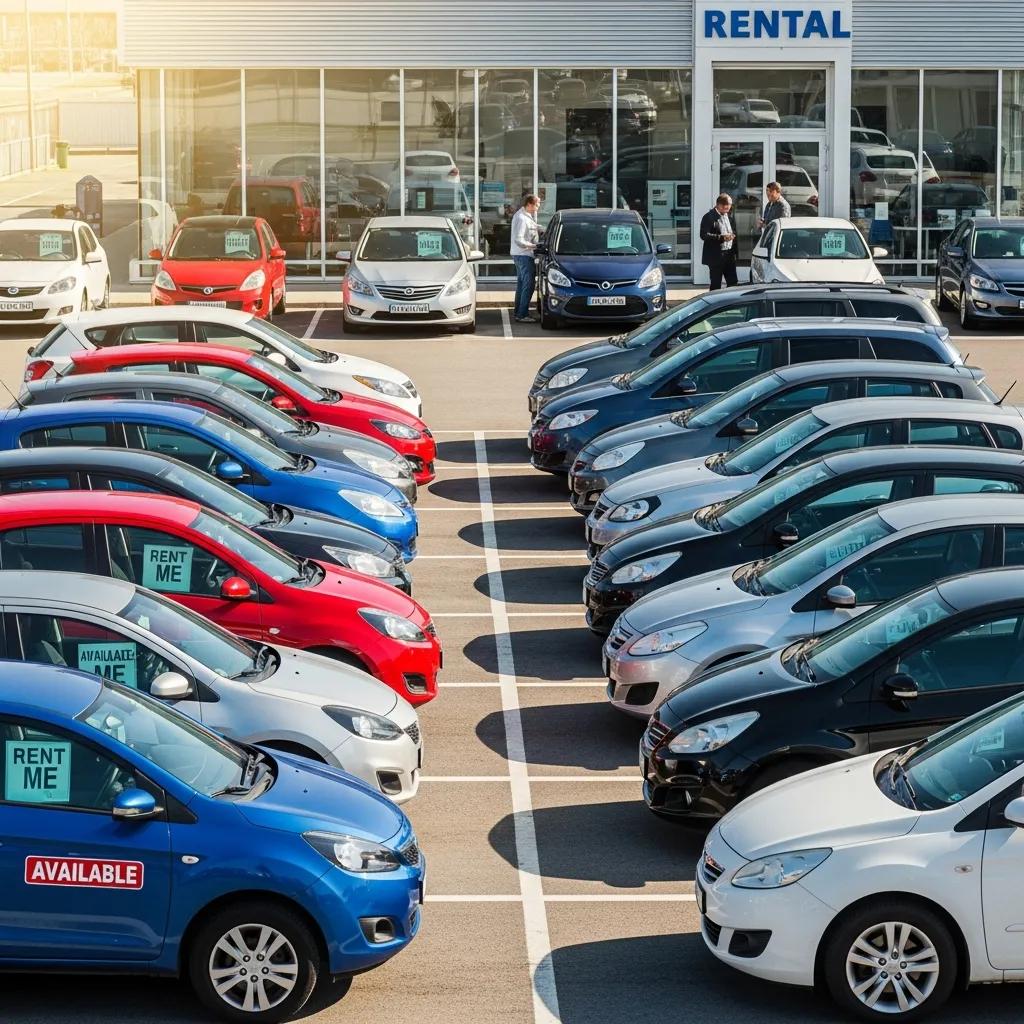
Rental reimbursement coverage pays a daily amount toward a rental while your insured vehicle is being repaired after a covered loss. It’s usually sold with comprehensive or collision policies and includes specific daily and total caps—for example, a set daily limit and a maximum aggregate payout for the claim. Loss-of-use or third-party reimbursement happens when the at-fault driver’s insurer pays for your temporary transportation; that payment can be handled as direct reimbursement or billed to the rental agency. Credit card rental benefits may cover short rentals when the card is used for the booking, though terms and limits vary and some cards require you to decline the rental agency’s collision coverage. Identifying which option applies speeds approvals and clarifies any potential out-of-pocket costs while your car is in the shop.
How Does Fault Affect Rental Car Reimbursement Eligibility?
Fault affects who has immediate responsibility and how quickly you receive reimbursement. If another driver is clearly at fault and their insurer accepts liability, that insurer will often authorize a rental while repairs proceed. If fault is disputed or the other driver is uninsured, your rental reimbursement coverage may be the fastest way to get a car. Subrogation lets your insurer pursue repayment from the at-fault insurer later, but that can delay the final financial outcome. To protect yourself and speed approval, document the scene, get a police report when appropriate, note the other party’s insurer and claim number, and ask your repair shop for an itemized estimate and repair timeline to submit with your rental request. These steps reduce friction and improve the chance of a quick approval.
Common immediate actions after an accident to support rental approval:
- Collect the other party’s insurance and contact details.
- Photograph damage and the accident scene for claims evidence.
- Request a written repair estimate and a projected completion date from the shop.
How Does Prime Time Collision Center Coordinate Your Rental Car During Collision Repairs?
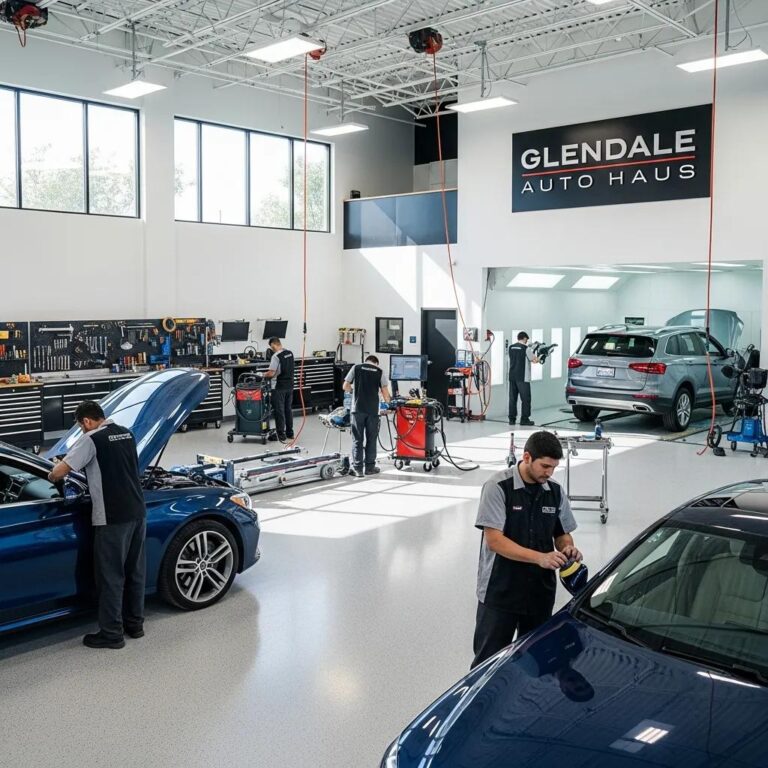
Shops that act as claims liaisons remove a lot of the hassle. Prime Time Collision Center helps by preparing OEM-quality repair estimates, supplying clear photos, and communicating directly with insurers to request rental approvals when appropriate. We translate technical repair timelines into insurer-ready documentation and confirm the rental agency has the correct claim number and authorization. By handling these administrative tasks, we reduce the back-and-forth that can stall rental pickup and keep you informed about when and how a rental will be arranged.
Below is a practical mapping of typical customer steps, what Prime Time does, and the expected outcomes so you can see where delays are removed and where you may need to participate.
| Customer Step | Prime Time Action | Expected Outcome |
|---|---|---|
| Have vehicle towed or brought in for estimate | Provide free 24/7 towing coordination and complete an OEM-quality estimate | Fast intake and an accurate repair scope for insurer review |
| Provide insurance info and claim number | Submit estimates, photos, and repair timeline to the insurer; follow up for rental approval | Quicker insurer authorization and rental-agency confirmation |
| Coordinate rental pickup/drop-off | Liaise with the rental agency or advise on local pickup logistics | Convenient temporary vehicle access aligned with repair dates |
What Is the Step-by-Step Rental Car Process with Prime Time Collision Center?
When you bring a damaged vehicle to Prime Time, we start with intake: document the damage, create an OEM-quality estimate, and notify your insurer. We then send photos, parts needs, and a projected repair timeline to the insurer so they can evaluate rental reimbursement or third-party payment. Once the insurer authorizes a rental, we coordinate with local rental agencies or provide pickup instructions that match the approved dates and daily limits. During repairs, we give status updates and updated timelines to help avoid unsupported rental charges. When repairs finish, we confirm completion for both the insurer and rental company so the temporary vehicle can be returned without billing surprises.
How Does Prime Time Assist with Insurance Claims and Rental Approvals?
Prime Time serves as your claims liaison by assembling and submitting the materials insurers need: a detailed estimate, vehicle photos, parts lists, and labor-time projections that reflect factory repair standards. Our communications explain why specific parts or procedures are required, which reduces insurer questions that can delay rental approval. For you, that means fewer calls to the insurer and a clearer timeline for rental authorization and duration. We follow up on outstanding approvals and provide copies of the estimate and claim references to streamline rental pickup and avoid mismatches between insurer authorization and rental charges.
Documents Prime Time typically provides to insurers:
- OEM-quality repair estimate with line-item parts and labor.
- Photographs showing damage and parts condition.
- Expected repair timeline and parts-order status.
What Is the Difference Between Loaner Cars and Rental Cars for Auto Repairs?
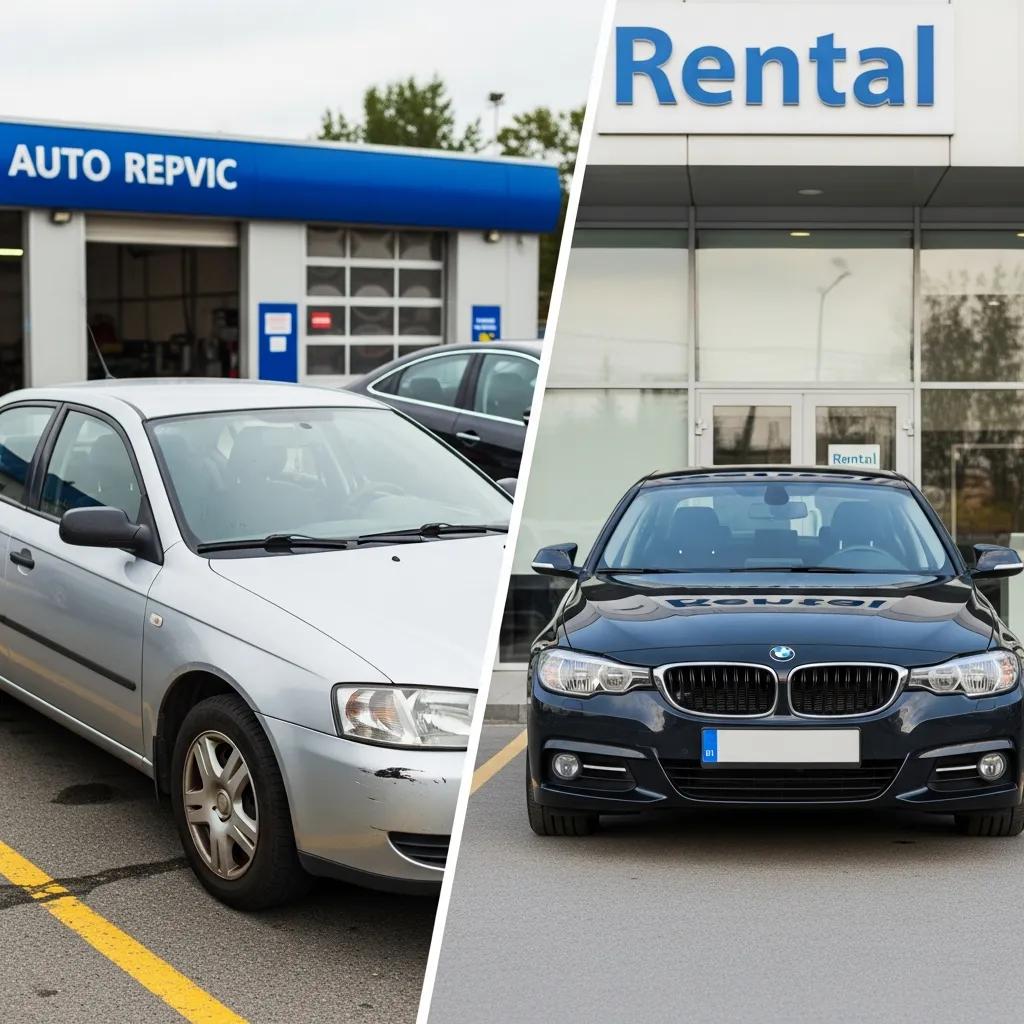
Loaner (courtesy) vehicles and rental cars both keep you moving, but they differ in ownership, availability, insurance handling, and cost exposure. Loaners are owned or leased by the repair shop or dealership and are offered at the shop’s discretion—often with eligibility rules and limited vehicle choices. Rental cars come from third-party rental agencies and are governed by the rental company’s policies, rates, and insurance rules; they usually offer more vehicle options but can have higher daily rates. Insurance handling varies: loaners may be covered under the shop’s commercial policy or your personal policy, while rental cars are typically billed to the insurer through rental reimbursement or third-party authorization. Knowing the difference helps you balance convenience, cost, and coverage.
The following table contrasts common attributes between loaner and rental vehicles so you know what to expect during repairs.
| Vehicle Option | Typical Owner | Cost to Customer | Insurance Handling |
|---|---|---|---|
| Loaner Car | Repair shop or dealership | Often free or low cost if available; subject to eligibility | May be covered under the shop’s policy or the customer’s; check liability rules |
| Rental Car | Third-party rental agency | Daily rental rates billed to insurer or customer; prices vary | Covered via rental reimbursement or third-party authorization |
| Courtesy Vehicle | Manufacturer / dealer fleet | Limited availability; may be reserved for certain customers | Coverage varies; dealership policies apply |
When Are Loaner Cars Available Versus Rental Cars?
Loaner cars are available when a shop or dealer keeps a courtesy fleet and offers vehicles based on repair type, parts availability, or customer relationship. Dealers often reserve loaners for warranty work, regular service customers, or repairs where a short-term swap is practical. If your shop doesn’t have loaners or your repair doesn’t qualify, we’ll help arrange a rental from a local agency. Availability also depends on inventory and demand—if loaners are limited, rental agencies can usually provide a quicker or more specific vehicle class to match your needs and insurer limits.
What Are the Benefits and Limitations of Each Temporary Vehicle Option?
Each option has trade-offs in cost, convenience, vehicle choice, and insurance exposure. Loaners are convenient and may have little or no immediate cost but offer limited model choices and stricter eligibility rules. Rental cars give broader vehicle selection and predictable billing against rental reimbursement limits, but daily rates and add-ons can lead to out-of-pocket charges if coverage limits are exceeded. Choose based on how urgently you need transportation, your policy’s daily and total limits, and how quickly the repair shop can secure authorization. Practical tips: confirm coverage caps with your insurer, get a written repair timeline, and verify whether the loaner or rental is approved before pickup.
Quick decision tips:
- Check your policy’s daily and total rental limits before accepting a vehicle.
- Ask the repair shop to confirm agency authorization in writing.
- Pick a rental class that fits your daily reimbursement limit to avoid extra costs.
How Long Will Insurance Typically Cover a Rental Car During Auto Body Repairs?
How long insurance covers a rental varies by policy, fault determination, and repair timeline. Rental reimbursement policies usually state a daily allowance and a total payout cap; third-party liability may cover a reasonable rental period tied to repair time. Repair duration depends on damage severity, parts availability, and shop scheduling—industry backlogs and technician shortages can extend timelines, which may require asking the insurer for extra rental days or using subrogation later to recover costs. Keeping open communication between the shop and insurer helps manage expectations and avoid surprise denials.
| Coverage Type | Typical Daily Limit (example) | Typical Total Cap (example) |
|---|---|---|
| Rental reimbursement | $25–$50 per day | $750–$1,500 total |
| Third-party liability | Mirrors reasonable rental cost | Dependent on repair duration and insurer approval |
| Credit card benefit | Variable (often short-term) | Card terms dictate maximum per rental |
What Are Common Daily and Total Limits for Rental Reimbursement?
Many rental reimbursement plans use modest daily limits and an overall cap that fits short-to-medium repair timelines—for example, a $30 daily allowance with a $900 cap covers roughly 30 days. These amounts vary by insurer and endorsement; some policies use a per-claim maximum instead of a strict day count. If repairs go beyond the cap, you may face out-of-pocket costs unless the at-fault insurer agrees to additional coverage via subrogation or supplemental approval. Ask your insurer for a written authorization that lists the approved daily rate and total maximum to avoid disputes with the rental agency.
How Do Repair Times and Industry Trends Affect Rental Duration?
Repair timelines are affected by parts lead times, technician availability, and industry backlogs. Recent recovery metrics show parts delays and demand for certified repairs can lengthen typical repair cycles. Shops that follow OEM procedures and use certified technicians may wait longer for specific OEM parts, but that approach preserves safety and resale value. For customers, the best practice is to monitor repair updates and ask the shop for regular status reports. If timelines stretch, the shop and insurer can often negotiate extensions or explore alternate transportation to reduce your expense. Proactive communication keeps rental duration in line with actual repair progress and helps avoid unexpected charges.
Frequently Asked Questions
What should I do if my rental car is damaged while in my possession?
If your rental car is damaged while you have it, notify the rental agency and your insurance company right away. Most rental agreements require prompt reporting of any accidents or damage. Check whether your insurance policy or credit card covers the damage and follow the rental agency’s reporting procedure. Keep photos, notes, and any police reports to help resolve the claim.
Can I choose any rental car, or are there restrictions based on my insurance policy?
Your insurer will usually expect a rental comparable to your damaged vehicle in size and class. Policies may limit the daily rate or the total amount covered. Check your policy or ask your claims adjuster about restrictions so you don’t end up with unexpected charges. Choosing a vehicle that matches your policy’s limits helps avoid out-of-pocket costs.
How can I expedite the rental car approval process after an accident?
To speed approval, have your insurance information, claim number, and a repair estimate ready. Communicate promptly with both your insurer and the repair shop, and ask the shop to act as a liaison—shops often have established insurer contacts that speed things up. Keep a record of communications and provide any requested documents quickly to avoid delays.
What happens if my rental car is needed for longer than my insurance covers?
If you need a rental beyond your policy’s limit, you may be responsible for extra days. Talk to your insurer about extending coverage, especially if delays are due to parts or other unforeseen issues. Document the reasons for the delay to support your request. If the insurer won’t extend coverage, you can discuss payment options with the rental agency.
Are there any additional fees I should be aware of when renting a car?
Yes. Additional fees can include taxes, airport surcharges, fuel charges, extra-driver fees, and optional insurance products. Some agencies charge for extra mileage or equipment. Read the rental agreement carefully and ask about any fees not included in the quoted rate so you avoid surprises at return.
What should I do if my insurance claim is denied for rental reimbursement?
If a claim is denied, read the denial notice to understand why. Common reasons include lack of coverage or missing documentation. You can appeal by providing more information or documentation that supports your claim. Contact your agent or adjuster for clarification, and consider getting help from a consumer advocate or legal counsel if needed.
Can an Auto Body Shop Help Me Get a Rental Car After an Accident?
Yes. Auto body shops often coordinate rental arrangements by preparing the required claims documents, contacting insurers, and advising on local rental options. The shop will submit a detailed estimate, photos, and a projected repair timeline to request rental approval; once authorized, the shop can confirm the rental agency has the right claim number and pickup instructions. Provide your insurance details and any credit-card benefits up front and ask the shop for written confirmation of rental authorization to avoid delays.
What Should I Know About Rental Car Costs and Insurance Coordination?
Rental costs may include daily rates, taxes, mileage fees, and optional insurance add-ons. Insurers usually cover allowable daily costs up to policy limits but may not cover optional rental-agency protections. Verify whether your rental reimbursement covers loss-of-use or third-party payments and check if a credit card benefit can offset collision-damage-waiver charges. To minimize surprises, request a written rental authorization from your insurer that lists approved daily amounts and the total cap, and coordinate the rental booking with your repair shop to match that authorization.
Steps to minimize rental cost surprises:
- Get the insurer-approved daily limit and total cap in writing.
- Decline rental optional coverages only if your policy or card provides equivalent protection.
- Keep all receipts and the rental agreement for subrogation or reimbursement follow-up.
How Can You Benefit from Prime Time Collision Center’s Rental Car Partnerships and Services?
Working with a repair shop that coordinates rentals and claims can save time, reduce stress, and limit out-of-pocket surprises. Prime Time Collision Center works with major insurance companies to improve claims coordination, provides free 24/7 towing to get your vehicle to the shop quickly, and delivers factory-quality repairs that insurers accept as necessary. Our I-CAR Platinum technicians reflect a commitment to certified repairs, and our lifetime warranty gives you confidence that the repair scope is accurate and complete. Together, these services reduce administrative friction and help align repair timelines with insurer expectations, making rental approval and duration easier to manage.
Does Prime Time Partner with Local Rental Agencies for Convenient Vehicle Access?
Yes. Prime Time coordinates with local rental agencies and insurer-approved vendors to arrange convenient pickup and drop-off that match the approved rental window. We help with claims paperwork and communicate authorization details to rental partners, but customers should confirm rental terms at pickup and present the insurer claim number or written authorization. Our liaison role minimizes back-and-forth and often speeds access to a temporary vehicle by making sure the rental agency has the correct billing and claim details before you arrive. Ask us how we’ll notify you once authorization and a rental window are confirmed.
What Makes Prime Time Collision Center the Trusted Choice for Rental Assistance?
Prime Time combines insurer relationships, OEM-quality estimates, and customer-focused services to reduce uncertainty during the rental and repair process. Key trust signals include coordination with major insurance companies, I-CAR Platinum–level technicians, free 24/7 towing, and a lifetime warranty on repairs. These elements help ensure repairs are well documented for insurers and that rental authorizations reflect the actual repair timeline, lowering the risk of denied rental days. If you need a free estimate or help arranging a rental during collision repairs, Prime Time provides claims coordination and logistical support to keep you moving while we restore your vehicle.
Reasons customers benefit from Prime Time’s approach:
- OEM-quality estimates that support insurer approvals.
- Direct claims liaison work to reduce administrative delays.
- Convenience services like 24/7 towing and warranty-backed repairs.
Conclusion
Rental car assistance keeps you moving while your vehicle is repaired and helps reduce stress and unexpected costs. Understanding insurance nuances and how rental coordination works makes the process smoother and lowers out-of-pocket exposure. Choosing a repair shop like Prime Time Collision Center gives you claims support and coordinated rental logistics so you can focus on getting back to your routine. Contact us today to learn how we can help during your repair journey.