

Signs It’s Time to Replace Your Car Tires — Simple Safety Checks and Clear Replacement Guidelines
Your tires are the only part of your vehicle that touch the road. When rubber is worn or damaged, you lose grip, your stopping distance increases, and the risk of a blowout goes up. This guide helps you spot when tires need replacing by focusing on measurable checks, visible damage, age-related wear, and driving cues so you can act before a small issue becomes dangerous. You’ll learn easy at-home checks — like the penny and quarter tests and reading the DOT code — plus the visual signs that demand immediate attention: sidewall cracks, bulges, and unrepaired punctures. We’ll also cover performance clues such as vibration, pulling, and loss of traction, and why a professional post-accident inspection matters. Prime Time Collision Center offers OEM-quality inspections and insurance coordination for collision-related checks — and we note when a free professional look can give you confidence about replacing tires.
How Do I Check My Tire Tread Depth to Ensure Safety?
Tread depth controls how well a tire moves water away, grips the road, and resists hydroplaning. Less tread means less traction and longer stopping distances. Simple coin tests and a tread gauge let you measure depth: many places set the legal minimum at 2/32″, but replacing tires around 4/32″ is safer in wet weather and 6/32″ is better for snow or heavy rain. A handheld tread gauge gives precise readings and is handy for routine checks, while a visual scan for uneven wear (center vs. edges) will reveal inflation or alignment issues a gauge can’t show. Check monthly or before long trips, and if readings are borderline, schedule a professional inspection to review wear patterns and projected life.
Below are quick, practical methods you can use at home to decide when to replace tires without special tools.
What Is the Penny and Quarter Test for Measuring Tread Depth?
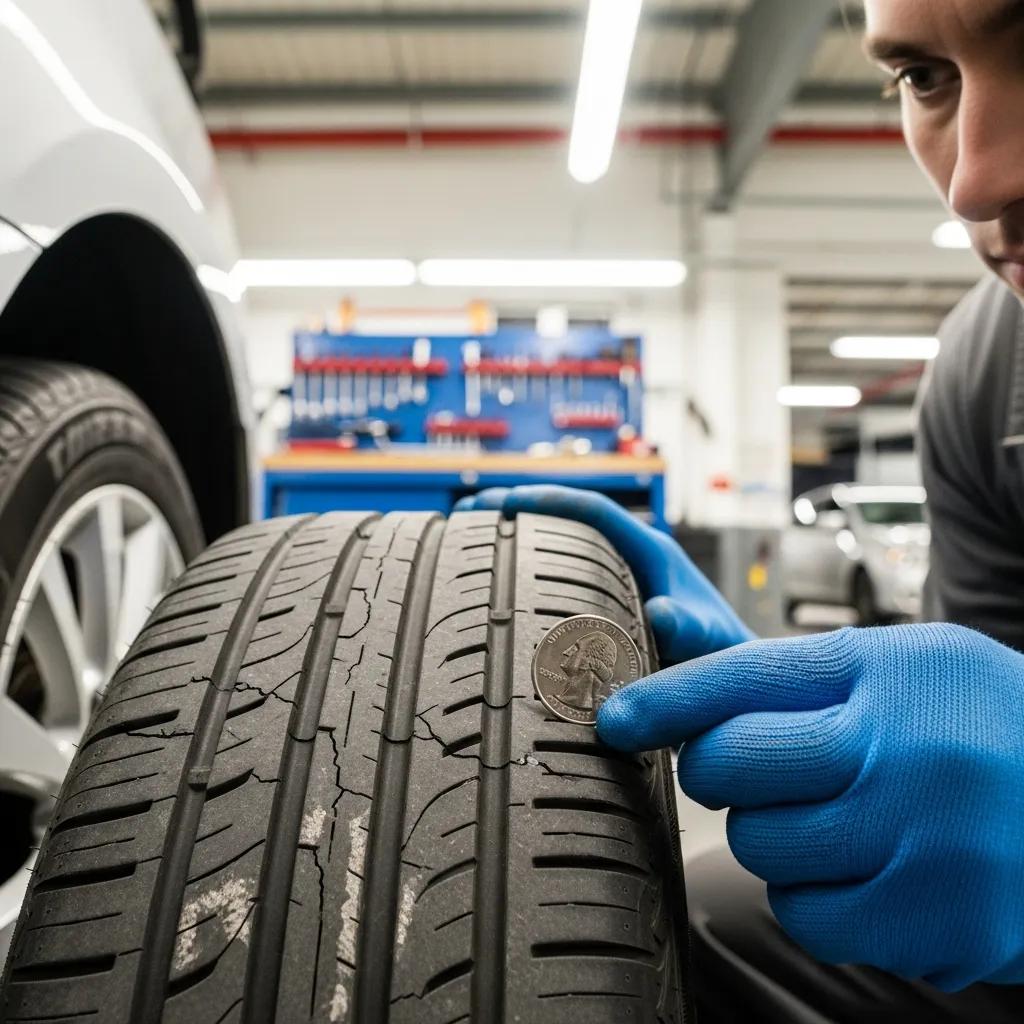
The penny and quarter tests are fast visual checks using common coins to estimate tread depth. For the penny test, insert a penny into the main tread grooves with Lincoln’s head pointing down — if you can see the top of Lincoln’s head, tread is about 2/32″ or less and should be replaced. The quarter test is more conservative: insert a quarter with Washington’s head down — if the top of Washington’s head is visible, tread is roughly 4/32″ or less and replacement is recommended for better wet-weather safety. Coin checks are useful but approximate; use a tread gauge or see a pro when results are close, and always check several grooves around the tire for uneven wear.
- The penny test identifies the legal minimum.
- The quarter test gives a safer threshold for wet roads.
- Use a tread gauge or professional inspection when measurements are borderline.
These simple checks lead into built-in tire indicators that tell you when tread has reached replacement level.
Quick reference for tread depth tests and when to act:
| Test Method | Approximate Threshold | When to Replace |
|---|---|---|
| Penny test (Lincoln) | ~2/32″ | Replace immediately — legal minimum |
| Quarter test (Washington) | ~4/32″ | Replace for improved wet traction |
| Tread depth gauge | Exact measurement | Replace based on driving conditions and mileage |
Regular checks with these methods help reduce hydroplaning risk and improve braking on wet or worn roads.
How Do Tread Wear Indicators Signal Tire Replacement Needs?
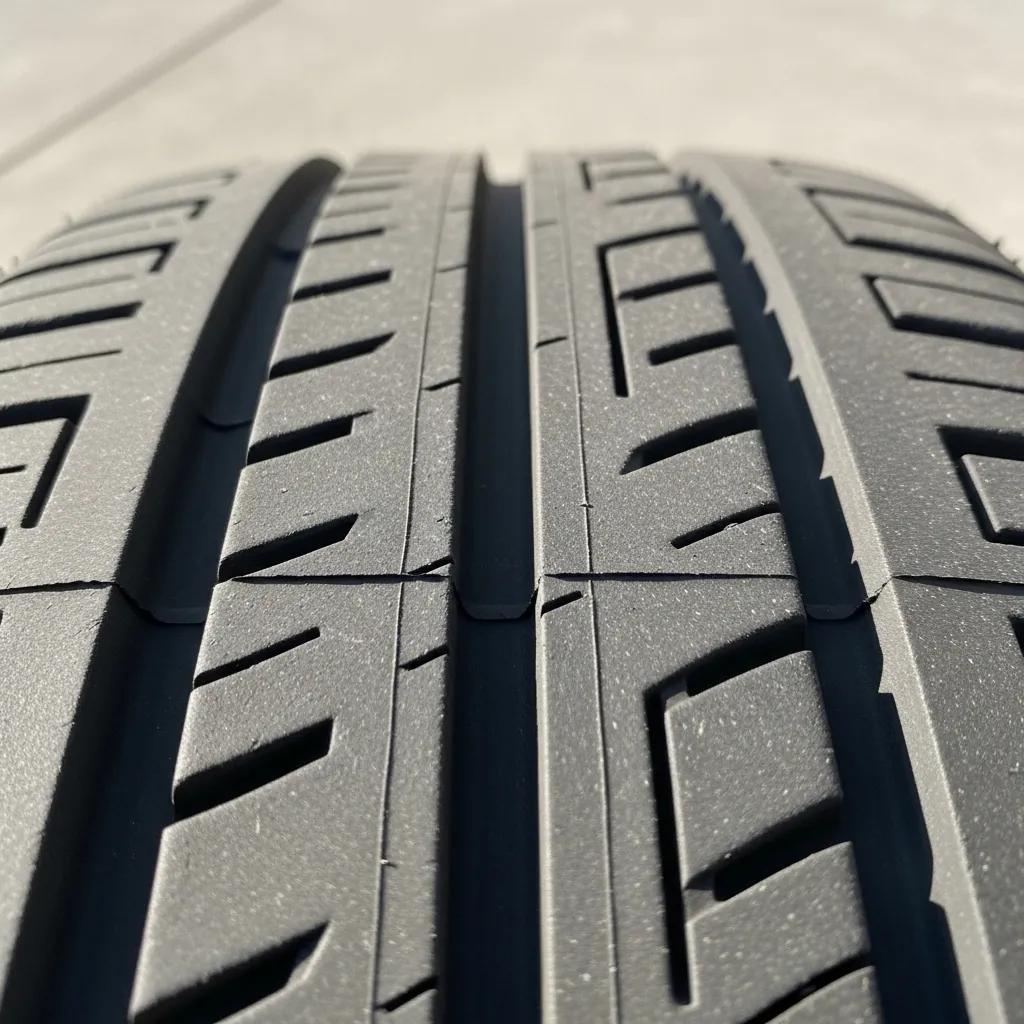
Tread wear indicators, or wear bars, are raised sections molded into the grooves that become flush with the tread as depth nears the legal limit. When a wear bar shows across the tread, the tire is at roughly 2/32″ and needs replacement. Indicators are placed around the tire so you can spot uneven wear. Do a quick visual sweep across several grooves and around the tire: if any indicator is level with the tread surface, the tire’s contact patch is too shallow for safe traction in wet conditions. Wear bars tell you when you’ve reached the legal minimum, but consider replacing earlier for better wet-weather performance and get a professional check if wear is uneven or sudden.
When wear bars appear, inspect the tire for other visible damage that might require immediate replacement.
What Are the Visible Signs of Tire Damage to Watch For?
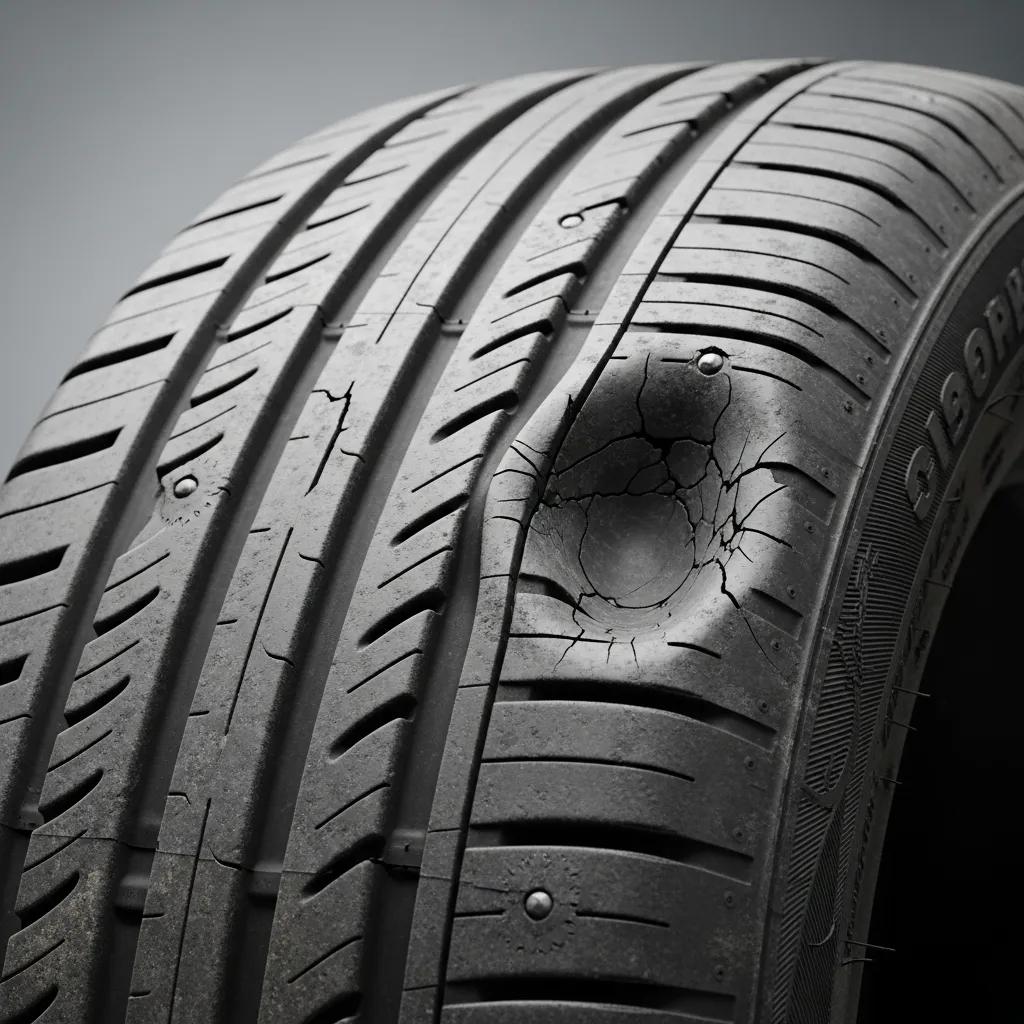
Some tire damage is cosmetic, other damage is structural — and certain signs always deserve attention because they affect safety. Look for sidewall cracks and dry rot (rubber breakdown), bulges or blisters (internal cord separation), punctures near the sidewall or shoulder (usually not repairable), and uneven tread wear (alignment or suspension issues). Check tires monthly or before trips so you can catch developing problems early. If damage looks structural, or you see bulging or exposed cords, replace the tire immediately instead of attempting a temporary fix. Knowing what’s repairable and what isn’t helps you prioritize safety and reduce downtime.
Use the short decision table below to match what you see with the right next step, and consult a technician when in doubt.
| Component Viewed | Damage Type | Recommended Action |
|---|---|---|
| Tread surface | Small puncture in center | Inspect; repair if within repairable area and size |
| Sidewall | Cracks or dry rot | Replace — sidewall damage is structural |
| Sidewall | Bulge or blister | Replace immediately — internal separation |
| Overall tread | Uneven wear | Inspect alignment/suspension; replace if wear is severe |
This table links visible problems to safe next steps and helps you prioritize urgent replacements.
Pair visible-damage checks with simple maintenance actions to keep driving safe.
- Sidewall cracks: Inspect closely and plan replacement if cracking is widespread or deep.
- Bulges or blisters: Stop driving and replace the tire immediately.
- Punctures or nails: Let a technician evaluate repairability; small center-tread punctures may be repairable.
- Uneven wear patterns: Schedule an alignment or suspension check and consider replacing tires if wear is extreme.
These checks connect what you see to immediate safety actions and point toward causes like environmental exposure, underinflation, or collision damage.
How Do Sidewall Cracks and Dry Rot Affect Tire Safety?
Sidewall cracks and dry rot mean the rubber compound is breaking down — often from UV, ozone, chemicals, or age — and they weaken a tire’s structure. Cracks can start as surface crazing and progress to deep fissures that expose cords or allow air loss, increasing the chance of blowout under load or at highway speeds. Even low-mileage tires can dry-rot if stored poorly or driven infrequently, so inspect sidewalls regularly regardless of tread depth. When cracking is visible across multiple sidewall areas, replacement is the safest choice — sidewall repairs aren’t structurally reliable.
Noticing dry rot brings up age-related checks and how to read the DOT code, which we cover next.
Why Are Bulges, Blisters, and Punctures Critical Tire Damage Indicators?
Bulges and blisters usually mean internal cord or ply separation — a reliable sign the tire could fail and must be removed from service and replaced right away. Punctures are judged by size and location: small center-tread punctures can sometimes be repaired with a proper plug-and-patch, while punctures in the sidewall or shoulder, or larger holes, are not repairable and require replacement. A certified technician inspects from the inside by removing the tire from the rim; surface-only fixes can hide internal cord damage. When in doubt — especially with bulging or non-repairable punctures — replace the tire to preserve load integrity.
Knowing repair versus replace rules leads to age-based guidance and how to read manufacture dates for replacement decisions.
When Should I Replace Car Tires Based on Age and Rubber Condition?
Rubber degrades over time even when tread looks OK. Manufacturers and industry groups suggest checking tires annually after five years and strongly considering replacement by ten years from manufacture, with earlier replacement in hot climates or for vehicles stored outdoors. Age affects traction, flexibility, and resistance to impact and heat, so age is a separate criterion from tread depth. Read the DOT code on the sidewall to find the manufacture week and year and use that with tread and visual checks to decide on replacement.
Prime Time Collision Center offers free DOT-code checks as part of our inspections to help you make informed replacement choices.
Quick DOT decoding and why age matters:
| Location on Tire | DOT Code Format | What It Means |
|---|---|---|
| Sidewall stamping | Last four digits e.g., 3219 | Week 32 of 2019 — indicates tire age |
| Older tires | Three-digit codes (pre-2000s) | May require verification; consult a professional |
| Interpretation | First two digits = week; last two = year | Use age plus condition to guide replacement |
Manufacturer advice varies, but the industry consensus is to combine age with condition when planning replacements.
How Can I Decode My Tire’s DOT Code to Determine Its Age?
The DOT code is molded into the sidewall; the last four digits show the manufacture week and year in WWYY format — for example, “3219” means week 32 of 2019. Look for the full DOT sequence on the outer sidewall; if it’s on the inner sidewall, rotate the tire or have a technician check it. Tires without a readable DOT code or those that fall outside the commonly recommended service life (about 6–10 years) should be inspected and likely replaced regardless of tread. If you’re unsure, Prime Time Collision Center provides free DOT-code verification and inspections to help decide whether replacement is needed.
Once you know the manufacture date, follow manufacturer and industry lifespan recommendations for practical replacement timing.
What Are Manufacturer Recommendations for Tire Lifespan and Replacement?
Manufacturers and industry groups typically recommend inspections and replacement within a 6–10 year window from manufacture, depending on storage, usage, and exposure. Heavy use, high-speed driving, extreme temperatures, chemical exposure, and poor storage shorten tire life. Conversely, well-stored, low-mileage tires in moderate climates may last toward the longer end of the range. Always combine age guidance with objective checks — tread depth, wear indicators, visible damage, and performance symptoms — to make a replacement decision suited to your driving conditions. When you’re near recommended age limits, a professional inspection can confirm if the rubber is still safe.
These guidelines connect directly to on-road symptoms that often signal replacement is due, which we cover next.
What Performance Issues Indicate It’s Time for New Tires?
How your car feels and sounds often reveals tire problems before they’re obvious to the eye. Early action can prevent loss of control or accelerated wear. Common performance signs include excessive vibration, unusual noise, pulling to one side, reduced wet traction, and longer braking distances. Each symptom can stem from tires, wheels, or suspension components. Some problems — like a single vibrating wheel — may be fixed with balancing or remounting; others — such as vibration from internal separation — require immediate tire replacement. A systematic check isolates the symptom: verify inflation and balance, check alignment, and if problems persist remove the tire for internal inspection.
Use the checklist below to triage symptoms before heading to a technician.
- Vibration at specific speeds: Check wheel balance and inspect for tread separation.
- Pulling to one side: Look for uneven wear and alignment problems.
- Poor braking or slipping in wet weather: Evaluate tread depth and rubber condition.
- New or louder road noise: Compare tires for irregular wear patterns or defects.
Spotting these cues helps you decide whether maintenance or replacement is the safest next step.
How Do Excessive Vibration and Noise Signal Tire Problems?
Vibration and unusual noise can point to wheel imbalance, uneven wear from misalignment, internal separation, or bent rims. The vibration’s speed range and pattern help identify the cause: low-speed vibration often means balance or mounting problems, while high-speed vibration that grows with speed can indicate internal separation or belt issues that require removal and replacement. Noise changes — humming or thumping — often match tread wear patterns like cupping. If balancing or alignment doesn’t stop vibration, or an inspection finds internal damage, replace the affected tire to avoid a catastrophic failure.
This diagnostic approach leads into how pulling and traction loss connect to wear and alignment — both important for safe handling.
Why Does Vehicle Pulling or Reduced Traction Mean Tire Replacement?
Pulling and reduced traction usually come from uneven tread wear, low tread depth, or asymmetric wear patterns that cut down consistent road contact and lateral grip. Misalignment, worn suspension parts, or skipped rotations often cause uneven wear, which can make the vehicle pull and handle unsafely, especially while braking or in wet conditions. Fixing alignment or suspension may restore handling, but if tread depth is too low or wear is beyond repairable limits, replacing the tires is the only safe option. Prioritizing replacement when traction is compromised prevents ongoing instability and lowers accident risk.
After a collision, diagnosing performance symptoms needs extra care — the next section explains why professional post-accident inspections matter and how qualified shops perform OEM-level checks.
Why Is Post-Accident Tire Inspection Crucial for Your Safety?
After a crash, tires can look fine while hidden damage — bent rims, internal cord separation, or suspension misalignment — undermines safety. A professional post-accident inspection reveals these non-obvious problems.
A complete inspection follows a clear process: exterior visual check, pressure and bead/rim evaluation, internal inspection for cord separation, and suspension and alignment assessment to find impact damage that shortens tire life.
OEM-certified inspections follow manufacturer procedures and standards to decide whether tires or related parts must be replaced to restore factory-level safety. Following those protocols reduces the risk of premature failure and protects the vehicle’s crashworthiness.
Prime Time Collision Center offers OEM-quality assessments by I-CAR certified technicians, handles insurance coordination, provides free estimates, and offers 24/7 towing to make post-collision repairs straightforward and safe.
The inspection workflow and checks for hidden damage are vital for safety and claims — the next subsection lists likely hidden issues and how technicians inspect for them.
What Hidden Tire and Suspension Damage Can Occur After a Collision?
Collisions can create subtle but dangerous problems: bent or cracked rims that deform tires or leak air, internal tire cord separation from impact, and suspension or steering damage that causes rapid uneven wear or handling issues. These hidden faults might not cause immediate air loss or visible bulging but can speed failure over time, showing up later as vibration, pull, or sudden blowout. Detecting them requires removing the wheel to inspect the inner tire surface, checking rim bead seating and rim integrity, and examining suspension components for bent control arms, damaged tie rods, or misaligned parts that change wear patterns and handling.
Early professional detection through a thorough post-collision assessment prevents continued driving on compromised tires and can reduce long-term repair costs.
Understanding these hidden failure modes shows why OEM-certified checks and insurance coordination are valuable — we explain that next.
How Does Prime Time Collision Center Provide OEM Certified Tire Assessments?
Prime Time Collision Center performs OEM-aligned tire and vehicle assessments with I-CAR certified technicians who follow factory repair procedures to determine tire and wheel serviceability after impacts. Our inspection workflow includes exterior checks, pressure and bead assessments, removal for internal inspection when needed, and suspension and alignment evaluations to identify damage that affects tire life and safety. We work with major insurance companies to provide free estimates and simplify claims handling, and we offer 24/7 towing to bring vehicles safely to our shop. To schedule an OEM-certified inspection or request a free estimate after a collision, contact Prime Time Collision Center for a professional, factory-quality review of your tires and related systems.
Frequently Asked Questions
1. How often should I check my tire pressure?
Check tire pressure at least once a month and before long trips. Proper pressure improves safety, fuel economy, and tire life. Under-inflation increases wear and blowout risk; over-inflation can reduce traction and comfort. Use the pressure listed in your owner’s manual or on the sticker in the driver’s door jamb, and a reliable gauge for accurate readings.
2. Can I repair a punctured tire myself?
Some small tread-area punctures can be repaired, but it’s important the repair is done correctly. Punctures larger than 1/4 inch or those in the sidewall should result in replacement. For safety, have a certified technician inspect and repair the tire — DIY fixes can be risky if they miss internal damage.
3. What should I do if my tires are making noise?
Noisy tires can mean uneven wear, incorrect inflation, or internal damage. If you hear humming, thumping, or grinding, inspect the tires for visible wear or damage and check pressures. If the noise continues, have a technician diagnose the issue — it could need balancing, alignment, or tire replacement.
4. How can I extend the life of my tires?
To extend tire life, keep correct pressure, rotate tires regularly (typically every 5,000–7,500 miles), and maintain proper alignment and balance. Avoid aggressive driving, inspect tires often, and use tires suited to your climate. Proper storage when tires aren’t in use also helps. Regular maintenance and mindful driving add meaningful miles to tire life.
5. What are the signs that I need a professional tire inspection?
Seek a professional inspection if you see cracks, bulges, punctures, or notice excessive vibration, pulling, or loss of traction. Unusual noises or changes in handling also warrant a technician’s look. If your tires are approaching recommended age limits or haven’t been checked in a while, schedule an inspection to be safe.
6. Are all tire repairs safe and reliable?
No. Repairs are only safe for certain punctures in the tread area and when done properly. Sidewall or shoulder damage, large holes, or multiple punctures can compromise integrity and usually require replacement. Always use a certified technician so repairs meet safety standards — when in doubt, replace the tire.
7. How does weather affect tire performance and lifespan?
Weather plays a big role. Heat accelerates wear, while cold reduces pressure and traction. Wet roads increase hydroplaning risk if tread is low. Adjust maintenance for the season: check pressures more often in cold weather, and consider winter tires for snow or dedicated summer tires for hot, dry conditions to get the best performance and lifespan.
Conclusion
Keeping an eye on tread depth, visible damage, age, and how your car feels on the road is the best way to stay safe. Spot problems early, and don’t let a minor issue turn into a dangerous failure. If you want a professional opinion, Prime Time Collision Center offers thorough inspections and expert advice — schedule an appointment and let our team help you make the right call for your tires and safety.