Brake Warning Signs: What to Listen for and Feel to Keep Your Vehicle Safe
Your brakes are the single most important safety system in your vehicle. Learning to recognize noises, pedal changes, and other warning signs early can prevent accidents and costly repairs. This guide walks you through the sounds and pedal sensations that point to common brake issues — from worn pads and warped rotors to fluid problems — and explains how those faults affect stopping performance. If you’ve been in a crash, a quick brake check can uncover hidden damage; booking a professional inspection ensures brake components, hydraulics, and ADAS links are safe and working properly. Read on to learn how to identify everyday brake noises, translate pedal feel into likely causes, spot vehicle behaviors that signal trouble, read dashboard warnings and smells, and understand why timely repair — especially after an accident — matters. The checks and next steps here are written clearly so you can decide whether to drive, run basic checks, or get professional help. Catching problems early protects your vehicle’s value and everyone on the road.
What Are the Most Common Brake Noises and What Do They Indicate?
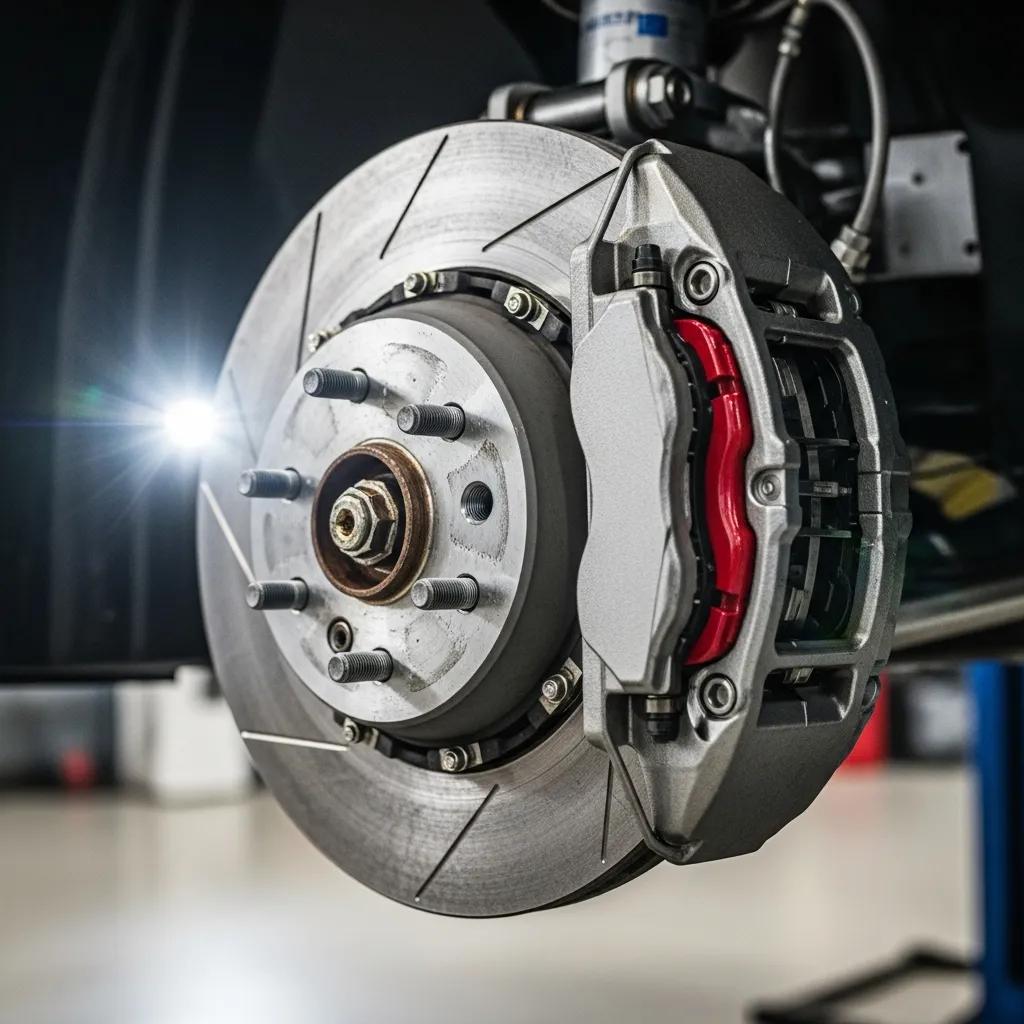
Brake noises are useful clues. Different sounds usually point to specific worn or failing parts and help you decide how urgent a repair is. Pad wear, glazing, rotor scoring, and caliper problems each make distinct noises that change with speed and braking force. Match the sound you hear to the likely cause below to triage the issue and know whether to drive to a shop or stop and tow.
Common brake noises and what they typically mean:
- High-pitched squeal when stopping: Often the wear indicator or glazed pads — check soon to avoid metal contact.
- Loud grinding while braking: Metal-on-metal contact from worn pads — high urgency; stop driving and get service.
- Metal scraping or rubbing: Debris or rotor edge contact — inspect to prevent rotor damage.
- Clicking or clunking during pedal travel: Loose hardware or caliper movement — schedule inspection for safety.
These sound patterns usually point to pads, rotors, or calipers and help you decide how quickly to get the car checked.
The diagnostic table below matches common noises to likely causes and the recommended urgency so you can act with confidence.
| Noise | Likely Cause | Severity & Recommended Action |
|---|---|---|
| High-pitched squeal | Pad wear indicator or glazing | Moderate — arrange service within a few days; short trips are OK but monitor closely |
| Grinding/metal-on-metal | Pads fully worn, rotor scoring | High — limit driving; schedule immediate repair |
| Metallic scraping | Embedded debris or rotor lip | Moderate — inspect soon to prevent rotor damage |
| Rattling/clunking | Loose hardware or caliper bracket | Moderate — inspect before heavy braking |
| Pulsing squeal | Uneven pad deposits or transfer layer | Low–Moderate — resurfacing or pad replacement may be needed |
Use this table to decide whether a noise is an immediate hazard or a condition you can schedule for repair. Pedal feel adds another important diagnostic layer.
Why Do Brakes Squeal When Stopping?
Squealing on light braking is usually a wear indicator or high-frequency vibration from the pad backing plate and rotor. Thin or glazed pads vibrate and make that sharp noise — it can also occur with new semi-metallic pads that haven’t bedded in yet. Sometimes dust, rust, or a small stone causes intermittent squeal even when pads aren’t worn; a quick visual check will help you tell the difference. If the squeal is constant or accompanied by reduced pedal feel, schedule service to check pad thickness and rotor condition. Knowing whether squeal is benign or progressive helps you decide whether to keep driving or get immediate attention.
What Causes Grinding Noise When Braking?
Grinding almost always means metal-on-metal contact — pads worn to the backing plate or a foreign object scraping the rotor. You’ll often notice reduced stopping power, longer stopping distances, and visible rotor scoring. Grinding is high severity: avoid heavy driving and arrange inspection right away. Likely repairs include replacing pads and resurfacing or replacing rotors, plus checking caliper operation to prevent repeat issues. Tackling grinding quickly preserves braking performance and can avoid more expensive rotor replacement.
How Does Brake Pedal Feel Reveal Underlying Brake Issues?
The brake pedal is your direct interface to the hydraulic and mechanical system. Changes like a spongy pedal, vibration, stiffness, or a pedal that sinks to the floor each point to different faults. The master cylinder builds hydraulic pressure that the calipers use — if that pressure changes because of air in the lines, leaks, a failing master cylinder, or warped rotors, you’ll feel it in the pedal. The table below links common pedal sensations to probable causes and next steps so you can decide whether to drive, run checks, or call for help.
| Symptom (Pedal Feel) | Probable Cause | Recommended Action |
|---|---|---|
| Spongy or soft pedal | Air in lines, low or contaminated fluid, external leak | High — check fluid level; avoid driving if severe and seek immediate service |
| Pedal vibration/pulsation | Warped rotors or uneven pad transfer | Moderate — schedule brake service and rotor measurement/resurfacing |
| Hard pedal (stiff) | Vacuum booster issue or seized caliper | Moderate–High — limit driving and inspect the power-assist system |
| Pedal sinks to floor | Internal master cylinder leak or major hydraulic failure | High — do not drive; tow the vehicle and repair the hydraulic system |
Recognizing these pedal changes helps you triage quickly and choose the safest next step.
What Causes a Spongy or Soft Brake Pedal?
A spongy pedal usually means air in the brake lines — air compresses and reduces hydraulic force. Low or contaminated fluid can cause similar symptoms because it allows moisture or vapor to form, and external leaks in lines or hoses will reduce pressure and feel soft. ABS faults or a failing master cylinder can also produce a soft pedal, but trapped air and leaks are the most common causes. Quick checks: look at the fluid reservoir level and inspect around the wheels for damp spots. If the reservoir is low, limit driving and get service to avoid a sudden loss of braking.
Why Does the Brake Pedal Vibrate or Feel Hard?
Pedal vibration or pulsation most often comes from rotor runout (warped rotors) or uneven pad transfer that causes the contact to vary with each rotation. A hard, stiff pedal points to a loss of power assist — a vacuum booster or related component issue — or to seized caliper hardware. ABS activity during a sensor fault can feel like hard feedback too, so note whether the ABS light is on. If vibration happens at specific speeds or braking levels, tell the technician; if the pedal is unexpectedly hard, limit driving and have the system inspected.
What Vehicle Behaviors Signal Brake System Problems?
Beyond noises and pedal feel, how the whole car behaves gives important clues. Pulling to one side, shaking during braking, or longer stopping distances usually mean asymmetric braking, rotor defects, or hydraulic degradation. Brakes work as a system — pads, rotors, calipers, lines, and fluid — and a problem in one area often shows up as a vehicle-level symptom. Knowing which behavior points to which part shortens diagnosis and leads to safer decisions about driving and repair.
The following list highlights common vehicle-level brake behaviors and what they typically mean:
- Vehicle pulls to one side when braking: Often a sticking caliper, uneven pad wear, or a collapsed brake hose causing imbalance.
- Car shakes or vibrates while braking: Usually rotor runout or uneven pad deposits causing pulsation.
- Longer stopping distance: Worn pads, low fluid, or degraded hydraulics reducing braking force.
Why Does the Car Pull to One Side When Braking?
If the car pulls under braking, one wheel is slowing more than the other. Common causes are a sticking caliper, uneven pad wear, or a collapsing flexible hose that impedes return flow. A seized slide pin or contaminated caliper piston can keep a pad dragging and create directional pull. Road alignment or tire pressures can contribute, but if pulling happens only when you brake, inspect the brake hardware first. Check tire pressure and note when the pull occurs, then schedule service to inspect calipers, hoses, and pad wear to restore balanced braking.
How Does Car Shaking When Braking Indicate Rotor or Pad Issues?
Shaking during braking is a classic sign of rotor runout or warpage — the rotor surface isn’t perfectly true, so pad contact varies and you feel vibration. Uneven pad transfer can cause similar pulsing and sometimes resolves with pad replacement and rotor resurfacing if the rotor is within spec. Symptoms often depend on speed and braking intensity, appearing more at highway speeds or during hard stops. Repairs range from precision resurfacing when possible to rotor replacement for severe runout; technicians measure thickness variation to decide the right approach.
What Are Other Critical Warning Signs of Brake Problems?
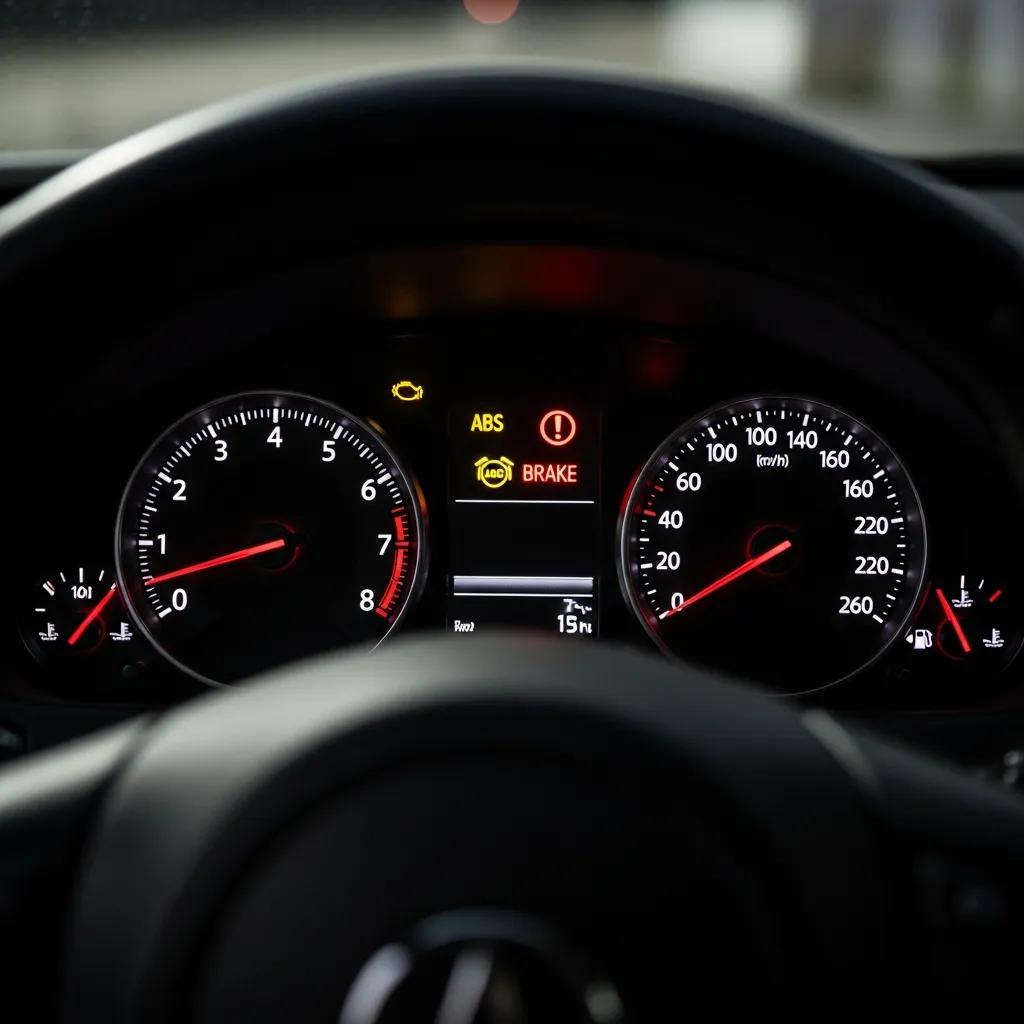
Dashboard warning lights, burning smells, and visible fluid leaks are high-priority signs that need immediate attention — they often indicate failures that reduce stopping power. An illuminated ABS, brake system, or traction control light points to electronic or hydraulic issues that can affect ADAS features. A burning smell usually means overheated pads or calipers and can precede brake fade. Wet spots near the wheels or under the car with amber or dark fluid usually point to a brake fluid leak, which lowers hydraulic pressure. The table below summarizes these warnings with safety impact and next steps so you can triage fast and decide whether towing or immediate repair is required.
| Warning Sign | Symptom | Safety Impact & Next Steps |
|---|---|---|
| ABS warning light | Amber ABS icon illuminated | Medium — ABS may be disabled; normal braking usually still works but have the system checked soon |
| Brake system light | Red brake icon or alert | High — could indicate low fluid or hydraulic failure; stop and inspect before driving |
| Burning smell | Acrid or burnt odor after heavy braking | High — indicates overheating; allow components to cool and inspect pads/calipers |
| Fluid leak | Wet spots near wheels or under the car | Critical — hydraulic pressure reduced; do not drive, tow and repair |
Use this triage table to decide which conditions require immediate vehicle immobilization and which can be scheduled for prompt service.
What Do Brake Warning Lights Mean and When Should You Act?
An ABS light usually signals an anti-lock system issue — a sensor or module fault. ABS may be disabled while normal braking still works, but you should have the system diagnosed soon. A solid red brake light often means low fluid, the parking brake is engaged, or there’s a more serious hydraulic problem — when red appears, check fluid and avoid driving until the issue is resolved. Traction control or stability warnings tied to braking sensors can affect ADAS features and may need sensor replacement or calibration. If any brake light lights up along with pedal softness, unusual noises, or fluid leaks, don’t keep driving — arrange service or towing to avoid potential brake loss.
How Do Burning Smells or Brake Fluid Leaks Indicate Brake Failure?
A burning smell after heavy braking or towing generally means overheated pads or seized calipers. Overheating damages pad material, increases stopping distance, and raises the risk of fade. Brake fluid leaks show as dampness at a wheel, a low reservoir, or a petroleum-like odor; losing fluid lowers hydraulic pressure and can let the pedal travel further or sink. Brake fluid is usually clear to amber and oily — dark or contaminated fluid indicates age or contamination. If you smell burning or find fluid, stop driving when safe and get an inspection — both conditions can escalate to critical failure quickly.
Why Is Timely Brake Repair Important, Especially After an Accident?
Timely brake repair keeps you safe and prevents further component damage. Even minor collisions can shift calipers, bend rotors, or stress lines, creating hidden faults that show up later as noises, pedal issues, or reduced stopping power. Prompt inspection finds and corrects these problems before they worsen. When you’re filing an insurance claim, a repair facility that understands insurer workflows and OEM repair specs helps ensure proper documentation, correct parts, and any needed ADAS recalibration. Prime Time Collision Center focuses on OEM-quality repairs, trained technicians, and insurance coordination to return vehicles to safe operation — especially after collisions where brake integrity is critical. Quick intervention saves money over time and keeps safety systems working as designed.
How Can Post-Accident Brake Inspections Prevent Further Damage?
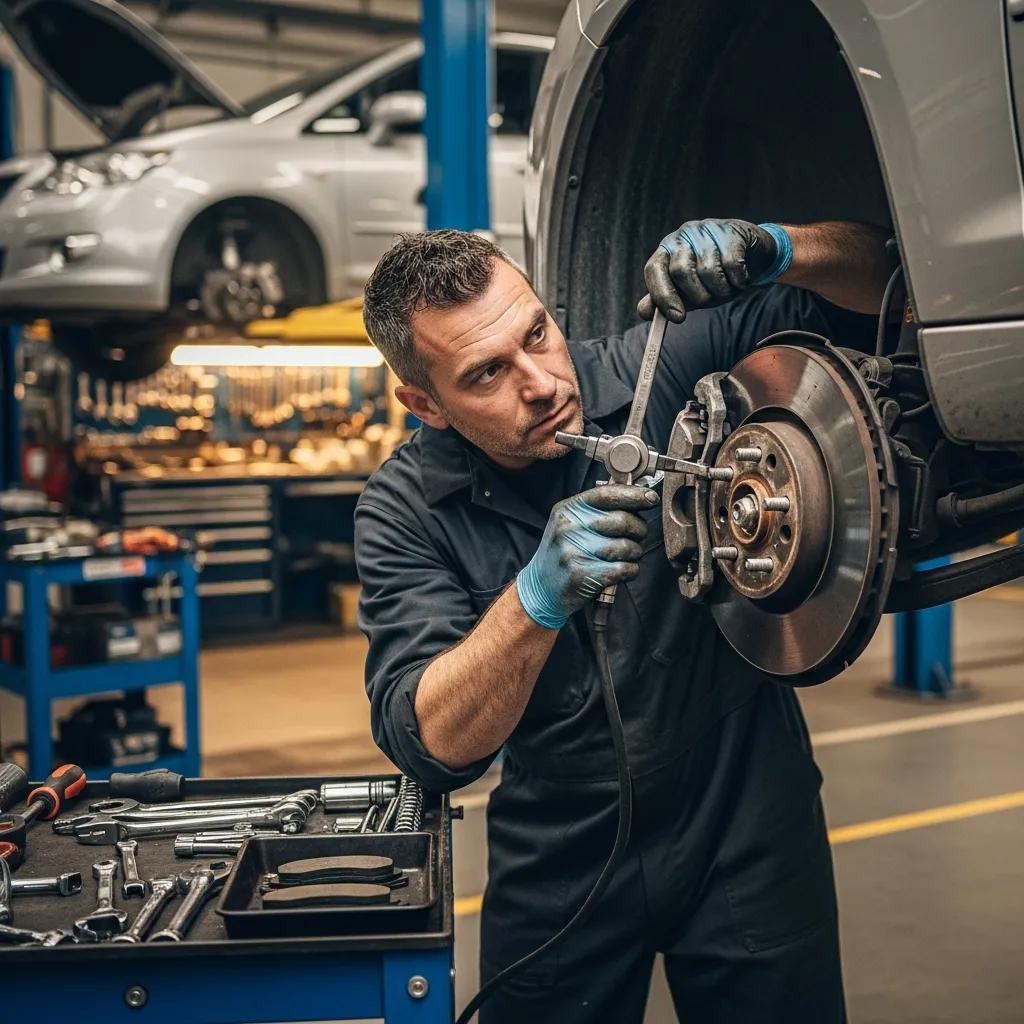
A post-accident brake inspection checks pad thickness, rotor condition, caliper operation, fluid level, and line integrity to find damage that a quick look might miss. Technicians look for subtle rotor scoring, bent brackets, collapsed hoses, and changes in pedal behavior that can deteriorate if left alone. Catching issues early prevents accelerated wear, overheating, and possible failure. Documenting findings also supports insurance claims and ensures replacement parts meet OEM tolerances when ADAS recalibration is needed. A routine post-accident inspection lowers the risk of future failures and gives you a clear plan to restore full braking performance.
What Are the Benefits of OEM Certified Brake Repairs?
OEM parts and OEM-aligned procedures preserve fit, material compatibility, and safety margins that aftermarket parts may not match — that matters most for rotors and calipers where tolerances affect performance. Using OEM-quality components makes ADAS recalibration smoother when sensors or cameras are affected by repairs, protecting adaptive braking and stability systems. For leased or high-value vehicles, OEM repair helps with lease compliance and resale value by maintaining documented repair history. Choosing OEM-quality repairs gives you confidence that parts and procedures follow the manufacturer’s safety guidance.
How Can Prime Time Collision Center Help With Your Brake Problems?
Prime Time Collision Center offers a full-service approach to brake inspection and repair for drivers in Glendale, CA and nearby communities. We combine OEM-quality repairs, insurance coordination, and on-demand assistance to restore braking safety after collisions or routine wear. Our I‑CAR Platinum certified technicians follow manufacturer standards to ensure correct part fit and necessary calibration for safety systems. Free estimates and experience working with major insurers streamline claims, and services like 24/7 towing and paintless dent repair make the repair process easier after a crash. If you suspect brake damage after an accident or notice warning signs while driving, schedule a professional inspection to confirm safety and get OEM-aligned repairs.
Intro to services list: Below are the brake services we offer to cover routine maintenance and post-accident needs.
- Brake inspection and diagnostics: Thorough checks of pads, rotors, calipers, and fluid to pinpoint issues.
- Pad and rotor replacement/resurfacing: Restores braking surface and friction to OEM standards.
- Brake fluid flush and leak repair: Removes contaminated fluid and fixes lines to restore hydraulic integrity.
- ADAS recalibration when needed: Ensures sensors and adaptive systems work correctly after repairs.
What Services Does Prime Time Offer for Brake Repair and Maintenance?
Our service menu covers the most common and urgent brake needs — from diagnostics to collision repairs — with the goal of restoring safe braking quickly and to OEM standards. Technicians perform pad-thickness measurements, rotor runout checks, caliper operation tests, and fluid condition assessments to build an accurate repair plan. For post-accident work, we use OEM-equivalent parts when required, perform ADAS recalibration as needed, and coordinate with insurers to document repairs and estimates. We also offer free estimates and 24/7 towing for vehicles that can’t be driven, helping you get back on the road sooner and safer.
Why Trust Prime Time’s I-CAR Platinum Certified Technicians?
I‑CAR Platinum certification means our technicians have advanced training in collision repair and complex vehicle systems, including brakes. That training supports adherence to manufacturer procedures and helps ensure repairs restore mechanical integrity and connected safety features like ADAS — critical after an accident. Our experience working with all major insurance companies helps produce accurate documentation and smoother claim handling, which reduces delays for customers. If you want repair quality and the assurance of trained technicians, our certification and process give you confidence that brake repairs meet safety-focused standards.
- Service transparency: Clear estimates and documented repair scope so you understand necessary work.
- Insurance coordination: Experienced claims handling reduces delays in authorization and repair.
- Local service coverage: Assistance for drivers in Glendale, Burbank, Pasadena, and nearby Los Angeles areas.
Frequently Asked Questions
What should I do if I hear unusual brake noises while driving?
Stop and assess the noise if you can do so safely. Grinding is urgent — it usually means metal-on-metal contact and needs immediate attention. For squeals or occasional noises, check pad wear and fluid level and schedule an inspection. If you notice changes in pedal feel, vehicle behavior, or see fluid, avoid driving and get the car inspected right away. Ignoring brake noises risks more damage and compromises safety.
How often should I have my brakes inspected?
Have your brakes inspected at least once a year. If you drive in stop‑and‑go traffic, on hills, or carry heavy loads frequently, check them more often. Also get a full inspection after any collision — even a minor one — to find hidden damage. Regular inspections keep your braking system reliable and safe.
Can I perform basic brake checks myself?
Yes. You can visually check pad thickness, look for rotor scoring, check the brake fluid level, and look for leaks around the wheels. Listen for unusual noises and pay attention to pedal feel. For full diagnostics and repairs, though, bring the vehicle to a trained technician who can identify issues you might not see or hear.
What are the signs that my brake fluid needs to be changed?
Signs include a low reservoir level, dark or cloudy fluid, or a spongy brake pedal. Brake fluid absorbs moisture over time, which reduces boiling point and effectiveness. If you notice any of these signs, have the fluid checked and replaced as needed to maintain braking performance.
How can I tell if my brake pads need replacing?
Common signs are a persistent squeal from the wear indicator, a grinding noise, reduced braking performance, or a spongy pedal. If pads are thin or worn, replace them promptly to avoid rotor damage and maintain safe stopping power.
What should I do if my brake warning light comes on?
Check the brake fluid level first — topping it may clear a low-fluid warning. If the light stays on or you notice changes in pedal feel or braking performance, avoid driving and have the system inspected. A brake warning light can signal anything from a low reservoir to a serious hydraulic issue, so don’t ignore it.
Are there any long-term effects of ignoring brake problems?
Yes. Ignoring brake issues can lead to complete brake failure, costly repairs (like rotor replacement), and increased stopping distances that raise the risk of accidents. Regular maintenance and prompt repairs protect your safety and reduce long-term costs.
Conclusion
Knowing the signs of brake trouble — the sounds, pedal feel, vehicle behavior, and dashboard warnings — helps you act before a small issue becomes a serious safety hazard. Quick, informed action preserves stopping performance, prevents further damage, and protects everyone on the road. If you notice warning signs or have had a collision, schedule a comprehensive brake inspection today. Trust Prime Time Collision Center for OEM-quality repairs and experienced technicians who put safety first.