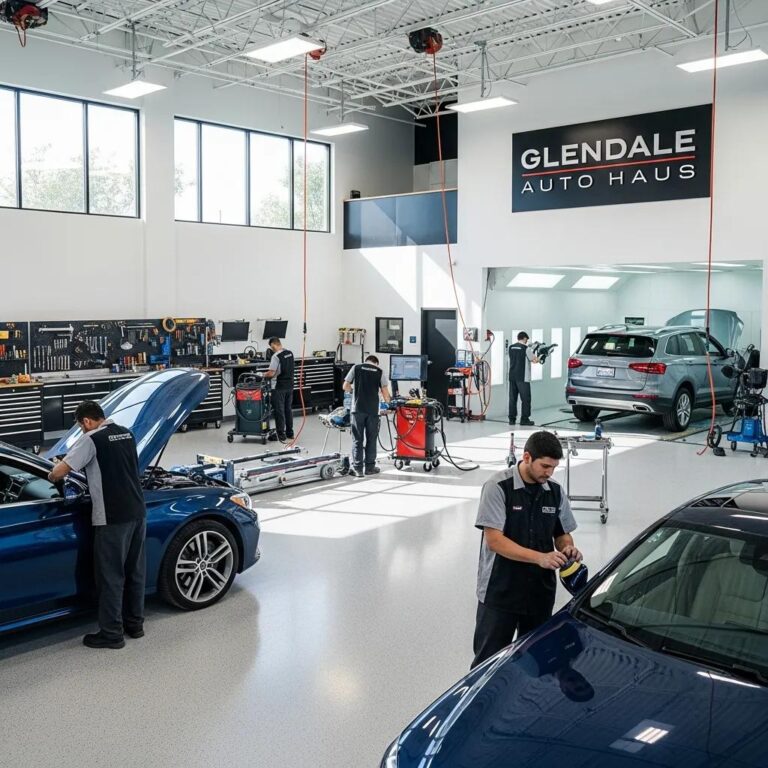

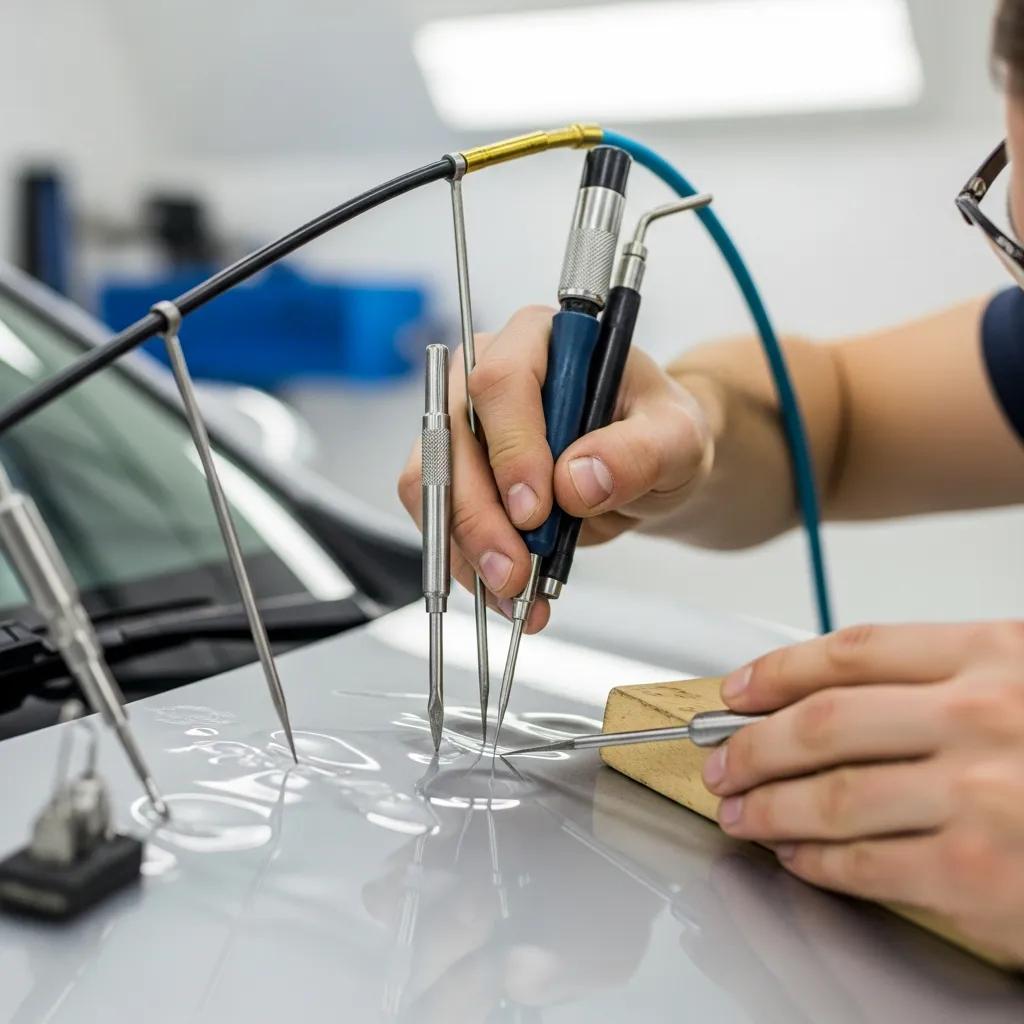
Hail Damage Repair You Can Trust — Paintless Dent Repair (PDR) That Preserves Value
Hail can leave dozens of small dents that hurt how your car looks, lower resale value, and let metal start to corrode. Paintless Dent Repair (PDR) is a non-invasive way to restore panels without repainting, keeping the factory finish intact. This page walks you through how hail dents form, why acting quickly matters, and how PDR restores appearance and value while minimizing time in the shop. You’ll get a step-by-step PDR workflow, clear limits of paintless methods, why OEM-standard repairs protect warranties, and practical tips for handling insurance after a storm. We also cover cost factors, compare repair options, and list local service details for Glendale, Burbank, Pasadena, and Los Angeles. Throughout, we use the most relevant terms—like hail damage repair, paintless dent removal, hail damage cost, and I‑CAR certified hail technicians—so you can make informed choices.
What Is Hail Damage and Why Is Prompt Repair Essential?
Hail damage happens when chunks of ice strike thin metal panels, creating dents and stress points that can crack or weaken paint. Because vehicle sheet metal is thin, even small impacts concentrate force in a tiny area. Fixing hail damage quickly matters: small dents can cause paint micro-cracks, let moisture in, and speed up corrosion. Early repairs protect resale value, stop rust before it spreads, and often let us use less-invasive options like PDR instead of replacing panels. Below are the main problems owners face when hail damage is left alone.
- Visible dents reduce curb appeal and make a car look older right away.
- Tiny paint cracks let moisture reach bare metal and start rusting.
- Unchecked damage becomes more complex and costly to fix over time.
Promptly addressing hail damage increases the odds that paintless repair will work and avoids warranty or lease-return headaches later. Knowing how appearance and value suffer makes it easier to decide when and how to repair.
How Does Hail Damage Affect Vehicle Value and Appearance?
Hail dents change the vehicle’s surface and break the smooth factory finish buyers expect. That lowers perceived condition and market value—especially on luxury cars and vehicles with aluminum panels, where tolerances are tight and even shallow dents can lead to steeper discounts at trade-in. Cosmetic damage can also hide alignment or structural issues when panels shift or trim becomes misaligned, making inspections and honest valuations harder. Take photos and get estimates quickly so buyers and insurers can see before-and-after conditions and you preserve as much value as possible. Good documentation also helps when choosing the right repair path.
What Are the Risks of Delaying Hail Damage Repairs?
Putting off repairs turns small, fixable dents into bigger mechanical and financial headaches. Water that gets under cracked paint causes oxidation beneath the surface, widening the repair scope and cost—what started as many tiny dents may need panel replacement if corrosion sets in. Delayed claims can also run into insurance timelines and evidence issues, so reporting damage soon after a storm is wise. For many drivers in Southern California, scheduling an inspection within weeks of hail gives you the best chance for PDR and lowers out-of-pocket expense.
How Does Paintless Dent Repair Restore Hail-Damaged Vehicles?
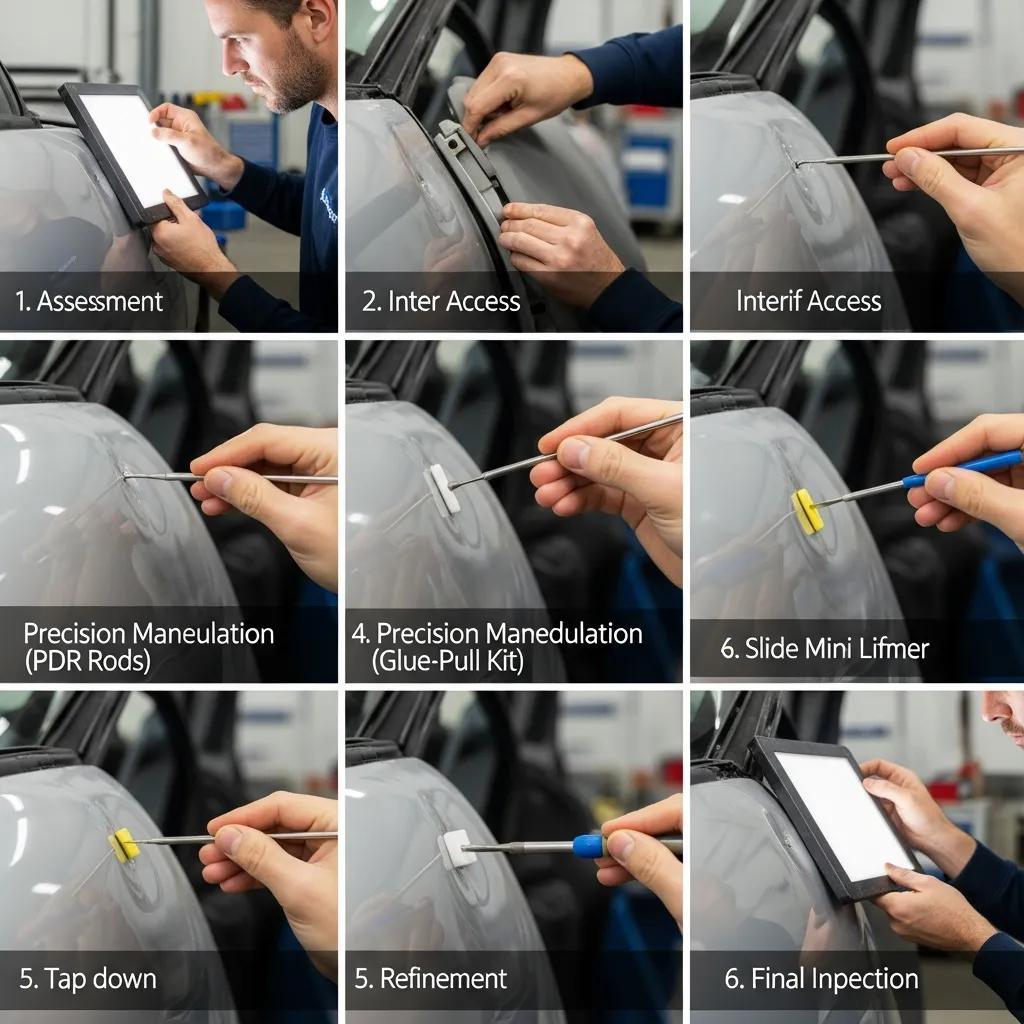
Paintless Dent Repair (PDR) fixes hail-damaged panels by working the metal from behind or using controlled exterior pulls to return the panel to its original shape—without sanding, filling, or repainting. PDR uses the metal’s memory plus precision tools to reverse dents while preserving the factory paint. It works best on shallow dents with no paint loss and where interior access is possible. Deep creases or areas with damaged paint may still need traditional repair. The numbered steps below explain a typical PDR workflow and approximate timeframes.
- Assessment and documentation: inspect panels, photograph damage, and decide if PDR is appropriate; typically 20–40 minutes.
- Interior access and plan: remove trim or lights to reach the panel back and choose the best tool approach; about 15–45 minutes.
- Precision manipulation: use rods, tap-downs, or glue-pullers to massage the metal back to contour; per-panel time ranges from 30 minutes to several hours.
- Fine finishing: correct any high spots and polish to ensure consistent reflection and paint integrity; 10–30 minutes.
- Final inspection and client review: confirm alignment and appearance before release.
This sequence reduces the need for parts and paint work, shortens turnaround, and helps protect resale value. The tools and techniques that make this possible are summarized in the table below so you know what each does and why it matters.
Quick note before the table: those rows list common PDR tools and techniques, what they do, and how they benefit your vehicle.
| Tool / Technique | Purpose | Benefit |
|---|---|---|
| PDR rods and picks | Reach the panel backside to apply precise pressure | Reshapes metal without harming paint |
| Tap-downs (knockdowns) | Lower any raised high spots after pushing | Restores smooth reflections and a uniform surface |
| Glue-pull kits | Pull shallow dents from the exterior when backside access is limited | Non-invasive option that preserves the original paint |
Using interior leverage and exterior pulling together widens the range of dents we can correct without repainting. Knowing these tools helps you evaluate estimates and ask smarter questions about repair methods.
What Is the Step-by-Step Process of Paintless Dent Repair for Hail Damage?
PDR starts with a careful assessment to confirm the paint is intact and panels are accessible. After documenting the damage, technicians access the panel backsides by removing trim, lights, or moldings so tools can be applied precisely. We work from the edges toward the center, gently manipulating the metal back into shape to avoid creating high spots. The process finishes with tap-downs and a quality inspection that checks reflections and measurements against factory tolerances. Total repair time varies with damage density, but when PDR is viable many vehicles are back on the road in days rather than weeks.
What Are the Benefits of PDR Compared to Traditional Repair Methods?
PDR keeps your original factory paint and avoids filler and repaint steps, which reduces the risk of color mismatch and preserves long-term finish integrity. It’s usually faster and less expensive than panel replacement and repainting because it eliminates painting and curing time. By maintaining original panels and finishes, PDR helps retain higher resale and lease-return value—especially on luxury models. That said, deep creases or paint loss will still need traditional repair, so a careful assessment is required. Aluminum panels, for example, demand different techniques and may take more time.
Why Choose a Certified Hail Repair Shop with OEM Standards?
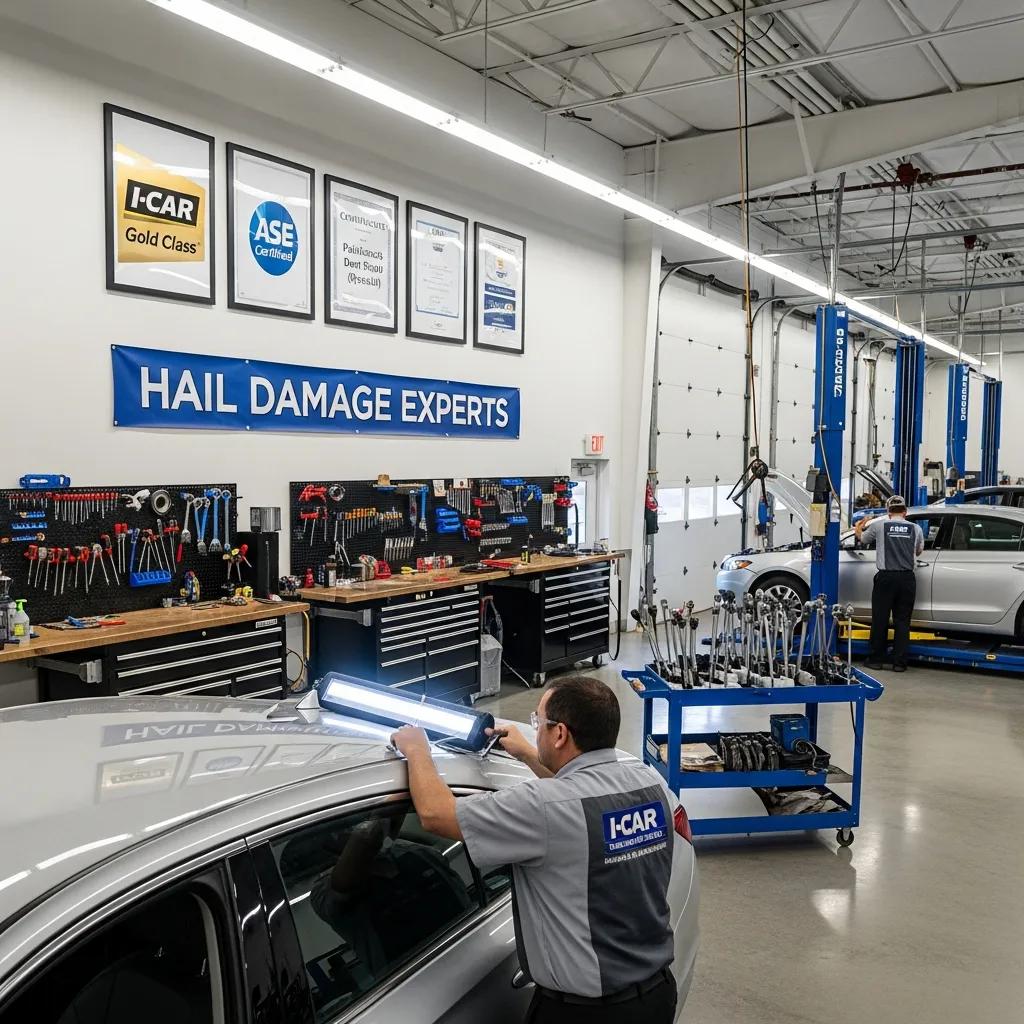
Choosing a shop that follows OEM procedures and employs certified technicians means the repair will meet manufacturer expectations for fit, finish, and safety. Certifications show ongoing training and verified skills, so repairs follow current best practices and reduce risk on complex jobs. At Prime Time Collision Center we highlight our technician qualifications and OEM-focused processes so you can be confident repairs are done right.
Bring your hail damage, door dings, and other small mishaps to Prime Time Collision’s PDR professionals. Our credentialed approach is especially important for aluminum-bodied vehicles and luxury makes, where technique affects longevity and appearance.
| Certification / Standard | What It Ensures | Customer Benefit |
|---|---|---|
| I-CAR Platinum Certification | The highest level of industry training for staff | Technicians use up-to-date methods and deliver safer repairs |
| OEM repair procedures | Follow manufacturer sequences and use approved parts | Preserves factory fit, function, and finish |
| Technician continuing education | Ongoing retraining on new materials and techniques | Consistent quality with fewer reworks |
Certifications matter because they reflect training, repeatable processes, and results that protect your vehicle’s value and your peace of mind. The next section explains I‑CAR Platinum in practical terms.
What Does I-CAR Platinum Certification Mean for Hail Damage Repairs?
I‑CAR Platinum means a repair facility has invested in training across estimating, management, and hands-on technician skills to meet industry benchmarks. For hail repairs, it shows technicians understand modern sheet-metal behavior, aluminum repair nuances, and paint systems that must stay intact during PDR. This credential signals to owners and insurers that repairs follow current safety and repairability practices, which helps with claims and gives greater confidence in factory-quality outcomes—important for leased or luxury vehicles facing inspections at trade-in or resale.
How Do OEM Certified Repairs Preserve Vehicle Warranty and Quality?
OEM-certified repairs follow manufacturer procedures and approved part selection, reducing the risk of voiding warranties or causing later functional issues. Using recommended techniques and components helps maintain crashworthiness, corrosion protection, and cosmetic standards set by the manufacturer. For lease returns and high-value models, OEM-standard repairs reduce disputes over condition and help avoid deductions related to improper repair quality. Following these procedures protects both safety and financial value.
How Can You Navigate Insurance Claims for Hail Damage Repairs?
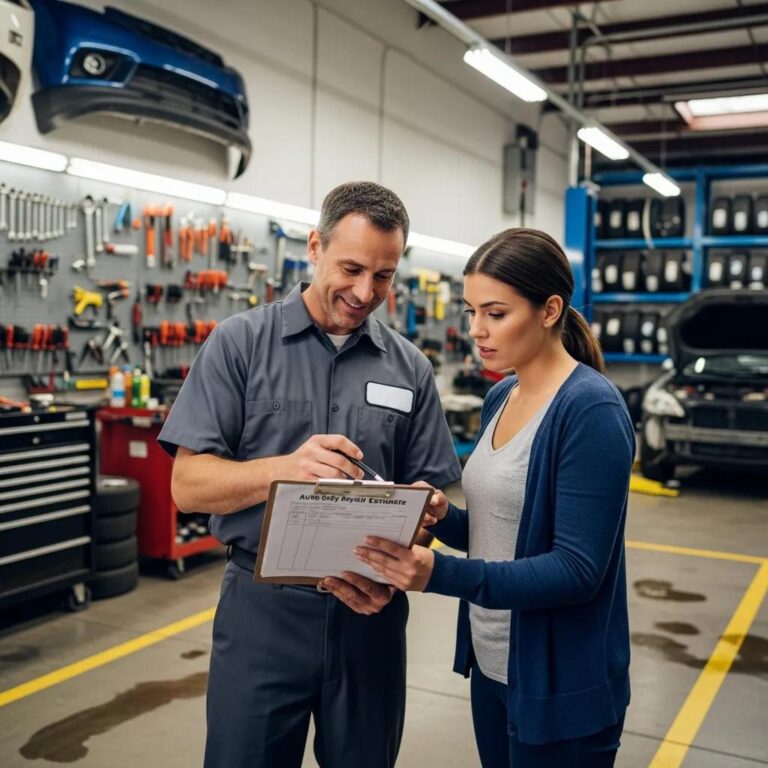
Most comprehensive auto policies cover hail damage, but a successful claim depends on timely documentation, clear estimates, and steady communication between you, your insurer, and the repair shop. The basic workflow is simple: photograph the damage, notify your insurer, get a professional estimate, and keep records of all communications. Working with a shop that prepares a detailed damage report and understands supplements and adjuster communication improves the chance of full coverage for the best repair method. Below is a straightforward claim process many owners follow after hail events.
- Document the damage with date-stamped photos and a written list of affected panels.
- Report the claim to your insurer and share the documentation; schedule an adjuster review if required.
- Get a detailed repair estimate from a qualified shop and work with the insurer on adjustments or supplements.
Those steps form a practical baseline. Professional estimates and clear explanations of repair methods help you advocate for PDR when appropriate. Prime Time Collision Center works with all insurers and offers adjuster coordination and deductible guidance to keep the repair moving smoothly.
Will Auto Insurance Cover Hail Damage and What Is the Claim Process?
Yes—most comprehensive auto insurance policies cover hail damage; how much depends on your policy and deductible. The usual process is documentation (photos and notes), filing a claim, an adjuster inspection or digital submission, and then authorization to repair based on the estimate. Many shops prepare detailed damage reports, communicate with adjusters, and submit supplements when new damage appears during disassembly. Acting quickly preserves claim validity and increases the chance PDR is approved when it’s the best solution.
How Does Prime Time Collision Assist with Insurance Adjusters and Deductibles?
Prime Time Collision Center helps by producing professional estimates, coordinating with adjusters, and preparing supplement documentation so insurers see the full repair scope. Our estimates explain why PDR is appropriate and note any required disassembly so adjusters understand access needs and complexity. Because we work with every insurance company, we reduce the administrative burden on you and clarify deductible options to accelerate repairs. This support often shortens cycle time and helps return vehicles to pre-loss condition with less hassle.
What Are the Typical Costs and Factors Influencing Auto Hail Damage Repair?
Hail repair costs depend on how many dents there are, how deep they are, the panel material, and whether the paint is intact. Those factors determine whether PDR is possible and how long repairs will take. Material matters: aluminum panels and luxury finishes typically require more time and specialized technique than standard steel. Other cost drivers include labor for dense damage, trim removal or part replacement, and how your insurer handles deductibles and PDR approval. The table below compares repair approaches in simple cost and time terms to help you evaluate options.
| Repair Method | Typical Cost Range | Time to Complete |
|---|---|---|
| Paintless Dent Repair (PDR) | Lower to moderate depending on dent count and access | Shorter turnaround; often days |
| Traditional body/paint repair | Moderate to higher when repainting and filler are required | Longer turnaround; several days to weeks |
| Panel replacement | Highest cost, especially with OEM parts and aluminum panels | Longest time due to part ordering and fitting |
This table shows PDR is usually the most cost-effective solution when it applies; traditional repairs or replacements are needed when paint or structure is compromised. Below are the main cost drivers to keep in mind.
- How severe and how dense the dents are—this affects labor hours and tools.
- The panel material and how easy it is to access the damaged area.
- Paint condition (intact vs. chipped) — damaged paint usually means repainting is required.
Knowing these factors helps you anticipate repair scope and discuss realistic estimates with providers and insurers.
How Is the Cost of Paintless Dent Repair for Hail Damage Determined?
PDR pricing usually reflects a per-dent or per-panel assessment with adjustments for dent size, depth, and accessibility. Technicians evaluate each panel and create a scoped estimate based on complexity rather than a single flat fee in many cases. Aluminum panels or tight access spots increase labor time because they need special tools and careful manipulation to avoid creasing. The total also rises when multiple panels are affected across doors, roof, and hood. An itemized estimate and clear documentation help both owners and insurers understand why some panels take longer and cost more.
Are There Ways to Reduce Repair Costs Through Insurance or Assistance?
You can reduce out-of-pocket cost by filing a comprehensive claim when your policy covers hail, using a repair shop that assists with claims and supplements, and documenting damage thoroughly to justify PDR over more expensive methods. Shops that coordinate directly with adjusters and prepare strong damage reports often secure fuller approvals and avoid costly back-and-forths. Some insurers offer direct billing or streamlined approvals when estimates are clear and follow recognized standards. Working with an experienced provider improves the chance that coverage will match the most efficient repair option.
Where Can You Get Expert Hail Damage Repair Services Near You?
Having certified PDR specialists nearby speeds inspections and repairs after a storm. In Southern California, local service reduces towing and logistics so you can get back on the road sooner. Prime Time Collision Center delivers OEM-focused repairs and factory-quality results through trained technicians and PDR expertise across Glendale, Burbank, Pasadena, and Los Angeles. We emphasize accurate assessments, documented estimates, and clear insurer communication to keep repairs efficient and protect your vehicle’s value. Here are a few local service benefits.
- Closer locations mean faster inspections and simpler logistics for you.
- Local technicians understand area claim patterns and adjuster practices, which improves efficiency.
- Nearby centers give quicker pickup and flexible scheduling during storm surges.
What Areas Does Prime Time Collision Center Serve for Hail Damage Repair?
Prime Time Collision Center serves Glendale, Burbank, Pasadena, and Los Angeles, CA. We offer local scheduling, fast in-person estimates, and familiarity with regional adjuster processes. That lets our team respond quickly after storms and manage larger hail events with organized documentation and workflow. Local customers benefit from shorter transit for drop-off and pickup, which reduces downtime for daily drivers and business fleets. Knowing a trusted shop is nearby makes timely repair decisions easier and increases the chance PDR will be an option.
How Do Customer Testimonials Reflect Our Certified Hail Repair Expertise?
Customers frequently praise fast turnaround, excellent finish quality, and helpful support during the claims process—results that come from certified technicians and a careful repair approach. Prime Time Collision Center has strong reviews on public platforms, and customers often note factory-quality results after PDR. Common themes in feedback include clear communication during claims, effective adjuster coordination, and satisfaction with restored paint and reflections. Those reputation signals, paired with I‑CAR Platinum Certification and PDR focus, reassure owners choosing a repair facility after hail.
- Quick Turnaround: Customers value fast, well-documented repairs that limit time without a vehicle.
- Quality Finish: Owners report restored reflections and intact paint after PDR.
- Claims Support: Many say adjuster coordination reduced stress and sped approvals.
Those themes underline that certified, OEM-minded PDR providers teach and deliver to protect vehicle value and give owners peace of mind.
Frequently Asked Questions
What types of vehicles are best suited for Paintless Dent Repair?
Paintless Dent Repair (PDR) works best on vehicles with shallow dents and intact paint—think most sedans, SUVs, and trucks. Luxury cars and aluminum-bodied vehicles also benefit from PDR because preserving the factory finish matters for resale. Deep creases, significant paint damage, or structural problems usually require traditional repair. Always have a certified technician inspect the damage to determine the best approach for your vehicle.
How long does the Paintless Dent Repair process typically take?
Repair time varies with the amount and concentration of damage. Minor hail repairs can sometimes be completed in a few hours to a day. Vehicles with many dents or more intricate work may take several days. After an assessment, technicians will give a realistic timeframe so you can plan. Faster turnaround is one of PDR’s main advantages over conventional repair.
Can Paintless Dent Repair be performed on all types of dents?
PDR is effective for many dents but not all. It’s best for shallow dents with no paint loss and where the metal can be accessed or pulled. Deep creases, paint chips, or damage near edges or seams often need traditional body and paint work. A qualified technician will evaluate the damage and advise the best repair path.
What should I do if my insurance claim for hail damage is denied?
If a claim is denied, first review the denial to understand why. Common reasons include missing documentation or coverage limits. You can appeal by collecting more evidence—detailed photos, repair estimates, and any correspondence—and resubmitting the claim. Your repair shop can often help by providing professional documentation and communicating with the insurer to support your case.
How can I ensure that my vehicle is repaired to OEM standards?
To make sure repairs meet OEM standards, pick a certified repair shop that follows manufacturer procedures and employs trained technicians. Look for credentials like I‑CAR Platinum and ask if they use OEM parts and approved techniques. A reputable shop will explain their process and answer questions so you understand how they protect fit, function, and finish.
What are the environmental benefits of Paintless Dent Repair?
PDR is greener than traditional repair because it avoids repainting, fillers, and solvents—so it reduces air pollutants and material waste. It also minimizes the need for replacement parts, which lowers resource use. By keeping the original finish intact, PDR helps extend a vehicle’s life and reduces the environmental cost of additional materials.
Conclusion
Specialized hail repair with Paintless Dent Repair restores your vehicle’s look while protecting its value. Choosing certified technicians who follow OEM standards ensures repairs are done with care and precision. Don’t let small dents become bigger problems—schedule an assessment soon to protect your investment. Contact Prime Time Collision Center today to book your inspection and see how expert PDR can help.