

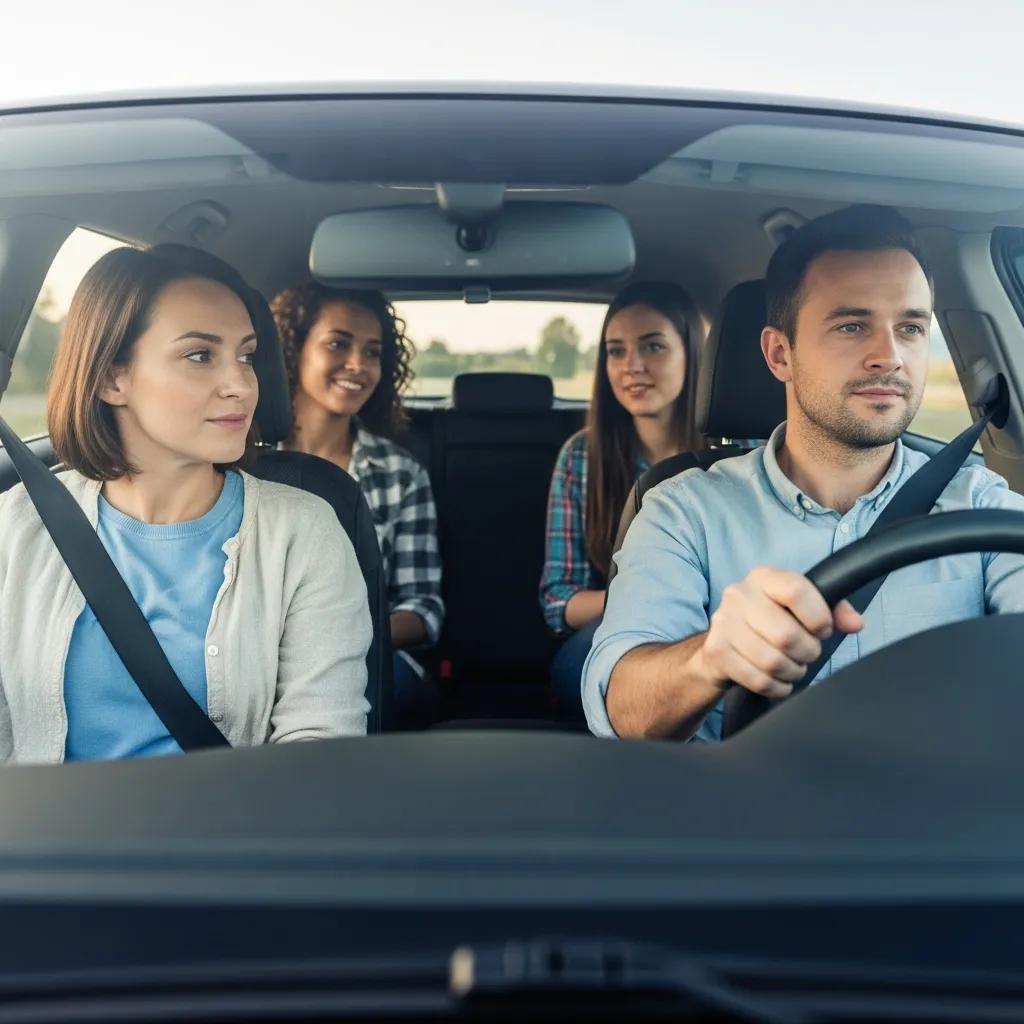
Practical Ways to Avoid Distracted Driving — Easy, Effective Habits for Safer Roads
Distracted driving happens whenever your eyes, hands, or mind aren’t on the task of driving. Current research ties distracted drivers to thousands of fatal and injurious crashes every year. This guide breaks down practical, easy-to-apply strategies for avoiding distraction: the three main distraction types, proven prevention tactics, applicable California hands‑free rules, key statistics, and a clear post‑accident checklist. You’ll learn how visual, manual, and cognitive distractions reduce safety, which phone and habit‑based tools actually help, what to do right after a collision, and why OEM‑level repairs matter when restoring your vehicle. We blend behavior science, available tech, and legal context so you can build safer routines — plus quick lists and tables to make decisions easier.
What Are the Main Types of Distracted Driving and Their Risks?
Distracted driving falls into three main buckets: visual (taking your eyes off the road), manual (taking your hands off the wheel), and cognitive (your mind is somewhere else). Each one reduces your ability to spot hazards, control the vehicle, and react in time. Knowing these categories helps you target behaviors and choose tools that prevent the exact kind of distraction you’re most likely to encounter. Understanding the risk profile for each type is the first step toward safer driving habits.
Examples and risks for visual, manual, and cognitive distractions:
- Visual distraction: looking away to read directions or messages — raises the chance of missing lane changes, stopped traffic, or a sudden hazard.
- Manual distraction: taking your hands off the wheel to eat or fiddle with controls — reduces steering precision and slows corrective moves.
- Cognitive distraction: daydreaming or deep conversation — delays recognizing dangers and slows decision‑making.
These categories often overlap. Texting while driving, for example, is visual, manual, and cognitive — and that combination multiplies crash risk. Spotting overlaps helps you pick prevention tactics that block more than one distraction channel at once.
How Do Visual, Manual, and Cognitive Distractions Affect Driver Focus?
Visual distraction steals critical scanning time — at highway speeds, a one‑second glance away can cover dozens of yards. Manual distraction reduces fine motor control needed for steering and braking. Cognitive distraction slows hazard recognition even when eyes and hands look normal. When all three happen at once (glancing at a phone, reaching to tap it, and replaying a text in your head), the combined effect is far greater than any single distraction. Realizing how quickly seconds turn into distance helps motivate practical steps to keep eyes, hands, and mind on driving.
What Are Common Causes of Distracted Driving Beyond Cell Phone Use?
Phones get most of the attention, but many routine activities pull focus through visual, manual, or cognitive channels. Eating or drinking, grooming, handling children or pets, programming complex infotainment or navigation systems, and reacting to roadside sights all reduce attention. The relative risk depends on timing and context — like highway speeds or dense urban traffic — but each source has a predictable mechanism you can address.
Frequent non‑phone distractions include:
- Eating or drinking, which often combines manual and visual distraction.
- Passenger interactions, which increase cognitive load and can create sudden movements.
- Adjusting climate, music, or navigation, which usually requires both eyes and hands.
Spotting these everyday sources makes it easier to set simple pre‑trip rules and in‑car norms that keep focus where it belongs.
Which Proven Distracted Driving Prevention Tips Improve Road Safety?
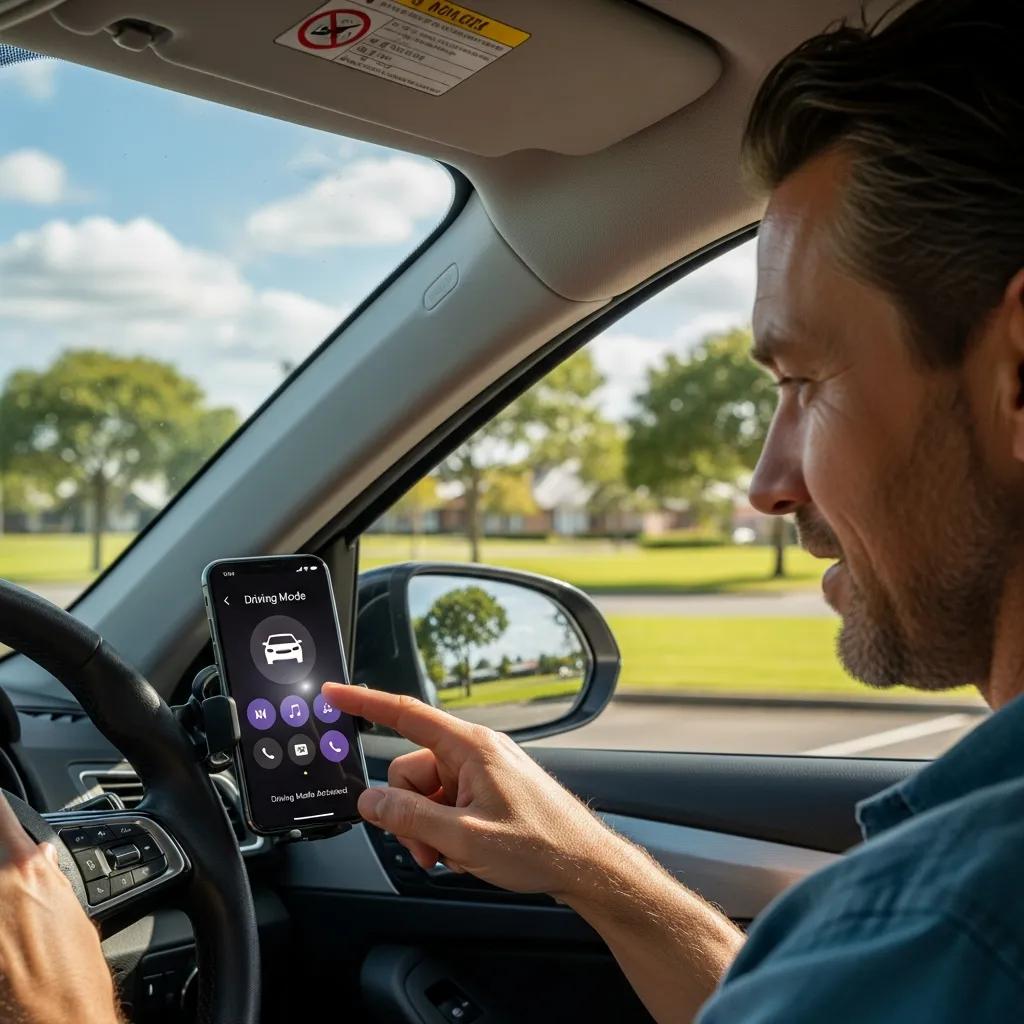
Prevention is about removing temptation and building habits that keep attention on the road. Practical tactics include enabling driving modes, putting devices out of reach, doing pre‑trip setup (navigation, climate, playlists), agreeing on in‑car rules (no eating, passenger handles directions), and using vehicle features like voice control or adaptive cruise where they help. Each tactic targets one or more distraction types — for example, stashing your phone removes visual and manual temptation, while a driving mode cuts cognitive interruptions by silencing notifications. Layering tech and behavior creates backup so one failed barrier won’t turn into a crash.
Top prevention tips you can set up today:
- Turn on a driving mode or Do Not Disturb: blocks alerts and lowers cognitive and visual temptation.
- Store your phone out of reach: physical separation prevents reaching or glancing at the device.
- Pre‑set navigation and media: finish directions and playlists before you move.
- Set in‑car rules: no eating or complex tasks while driving; assign a passenger to manage navigation.
- Use hands‑free carefully: voice commands reduce hand use but can still add mental load — keep exchanges short.
These tactics work best when you turn them into routine. Consistency transforms one‑time fixes into lasting habits and lowers crash risk across everyday driving situations.
Before we look at legal requirements, it helps to compare phone features and tools so you can pick the right mix for your vehicle and habits.
Phone‑feature comparison overview: the table below compares common phone features, apps, and physical options — showing which distraction channels they address and how easy they are to adopt.
| Tool or Feature | What It Does | Addresses (Visual/Manual/Cognitive) |
|---|---|---|
| Do Not Disturb / Driving Mode | Silences notifications and can auto‑reply to texts | Visual, Cognitive |
| “Focus” or Third‑party Apps | Limits app access and blocks distracting alerts while driving | Visual, Manual, Cognitive |
| Physical storage (glove box) | Removes physical access to the device while driving | Visual, Manual |
| Voice control | Allows hands‑free commands for calls, navigation, and audio | Manual (partial), Cognitive |
| Passenger‑based management | Passenger controls navigation and media for the driver | Manual, Visual |
This comparison highlights trade‑offs: putting the phone away is the most reliable way to remove temptation, while voice control keeps hands free but still requires attention. A layered approach — driving mode + storage + pre‑trip setup — gives the best practical protection.
What Are California’s Hands-Free Driving Laws and Penalties?
California law restricts handheld phone use while driving and generally requires hands‑free options for calls and messaging. The core rule: don’t hold your phone while operating a vehicle. Properly mounted devices and true hands‑free systems are usually allowed within limits. Translating the statute into everyday practice means set up navigation and audio before you go, don’t read or type while the vehicle is moving, and rely on mounts or passengers instead of holding a device. The law aims to reduce distraction‑related crashes and encourage safer driving habits across the state.
How the law typically affects drivers (overview):
- Fines for handheld violations, usually charged per offense.
- Possible points or indirect insurance effects in some cases, which can raise premiums.
- Targeted enforcement in high‑risk zones like school areas, where officers watch for phone use.
Following hands‑free rules lowers legal exposure and can help limit insurance and liability fallout after a crash. The next section explains which hands‑free behaviors are allowed and how to reduce any remaining cognitive load while using voice systems.
How Do California Laws Regulate Phone Use Behind the Wheel?
California bans handheld use for most drivers, allowing only properly mounted devices and genuinely hands‑free operation for calls and navigation. Practically, that means set your directions and audio before you start moving, don’t hold your phone to read or type while driving, and use a mount so touching the device isn’t needed. If passengers handle messages or navigation, liability can still arise if distraction contributes to a crash — so planning ahead and relying on hands‑free or passenger help is the safest choice.
What Are the Consequences of Violating Hands-Free Driving Regulations?
Beyond fines, violations carry indirect costs that matter after a crash: higher insurance premiums, potential citation as negligence in investigations, and compounding legal consequences for repeat offenses. Some jobs that require a clean driving record can be affected as well. From a safety standpoint, the immediate result of using handheld devices is slower hazard detection and response — which increases the chance of injury and property loss. Those multi‑layered consequences show why prevention is both a legal and safety priority.
How Do Distracted Driving Statistics Highlight the Dangers on California Roads?
National and state statistics make the scale clear: distracted driving contributes to thousands of fatalities and hundreds of thousands of injuries each year. California’s dense traffic and large population increase exposure, creating more opportunities for distraction‑related crashes in urban areas. Interpreting these figures helps target interventions — focusing on young drivers, high‑speed roads, and technology‑driven distractions delivers the greatest safety return. The table below summarizes representative national and California data for quick comparison.
Data table overview: the table presents authoritative national and state figures on distracted‑driving fatalities and injuries to aid quick interpretation.
| Source / Metric | Description | Representative Value |
|---|---|---|
| NHTSA | Reported distracted‑driving fatalities (most recent national year) | ~3,400 fatalities (2021) |
| NHTSA | Estimated injured in distraction‑related crashes | ~400,000 injured (2021) |
| California CHP / DMV | State‑level distracted‑driving crash counts and trends | Elevated urban crash rates (recent trend increases noted) |
This summary underscores that distracted driving is a persistent national issue with strong local impacts; California drivers face particular exposure because of traffic density and complex urban driving. Understanding which groups are most affected helps shape more effective prevention.
What Are the Latest National and California Distracted Driving Fatality and Injury Data?
Nationally, distraction contributes to several thousand deaths each year and many more injuries; NHTSA reporting highlights the issue as a leading, preventable crash factor. California data from state agencies show urban areas and younger drivers are over‑represented in distraction incidents, reflecting high device use and complex driving environments. These figures support investment in policy, education, and in‑vehicle tech to reduce exposure and protect vulnerable road users.
How Does Distracted Driving Impact Youth and High-Risk Driver Groups?
Young and novice drivers face higher risk because they combine limited experience with frequent device use and peer influence, increasing cognitive and visual distraction. Other high‑risk groups include shift workers facing fatigue, drivers in congested urban centers, and those using unfamiliar vehicles with complex infotainment. Focused prevention — training, parental rules, graduated responsibilities for new drivers, and technology controls — reduces exposure. Targeting interventions where risk is concentrated tends to be more effective than blanket measures.
What Should You Do After an Accident Caused by Distracted Driving?
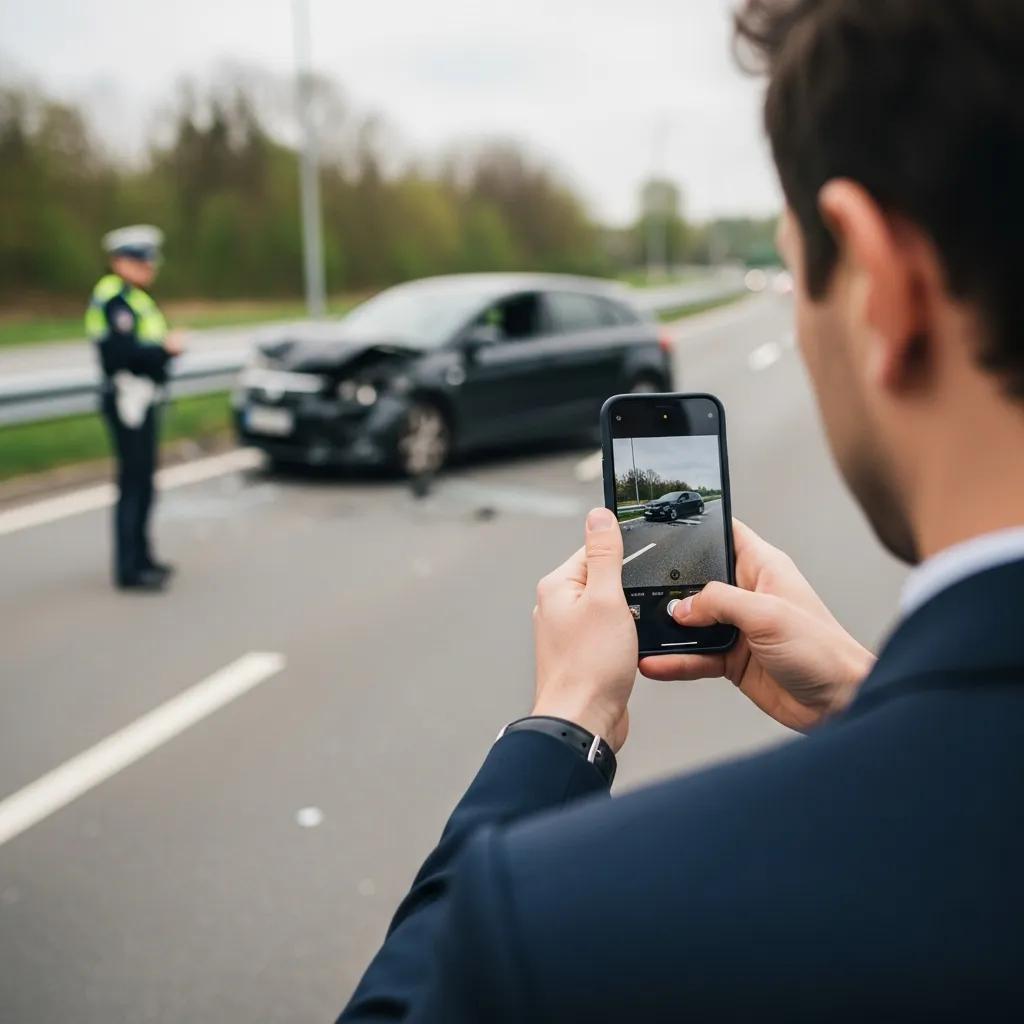
Staying calm and following a clear checklist improves safety and legal outcomes after a distraction‑related collision: check for injuries, secure the scene, document evidence, notify law enforcement if required, exchange information, contact your insurer, and preserve vehicle evidence. Quick action protects health, helps establish responsibility, and smooths the insurance and repair process. Photos of damage, road conditions, and device placement often clarify events for investigators. The checklist below lists prioritized steps to take at the scene and soon after.
Immediate post‑accident checklist (step‑by‑step):
- Ensure safety and call for medical help if anyone is injured: health comes first — stabilize and get care.
- Move vehicles to a safe spot if possible and turn on hazards: reduce the risk of secondary collisions.
- Document the scene with photos and notes; collect witness info: photos and witness details support accurate reconstruction.
- Notify law enforcement and file a police report when required: an official report helps with claims and legal clarity.
- Notify your insurance company and report the claim promptly: early reporting speeds claims handling and preserves options.
- Arrange a tow and keep all repair estimates and receipts: records matter for insurance and repair quality decisions.
After documenting and reporting, consider repair options that restore systems critical to safety — structural components and ADAS often require certified workmanship to preserve protection levels.
How documentation affects repair decisions: clear photos and an official police report give insurers the factual basis they need to authorize OEM‑level repairs when safety systems or structural parts are involved.
What Is the Post-Accident Checklist for Drivers Involved in Distracted Driving Collisions?
Follow the checklist methodically: start with medical checks, then document the scene and collect evidence, then notify police and your insurer, and finally arrange repairs. Photograph vehicle positions, point of impact, skid marks, traffic signals, and any visible devices to help investigators determine whether distraction played a role. Get witness names and statements when possible — third‑party accounts often clear up uncertainties. Filing a police report and telling your insurer right away preserves legal and financial options and helps ensure repairs restore vehicle safety systems.
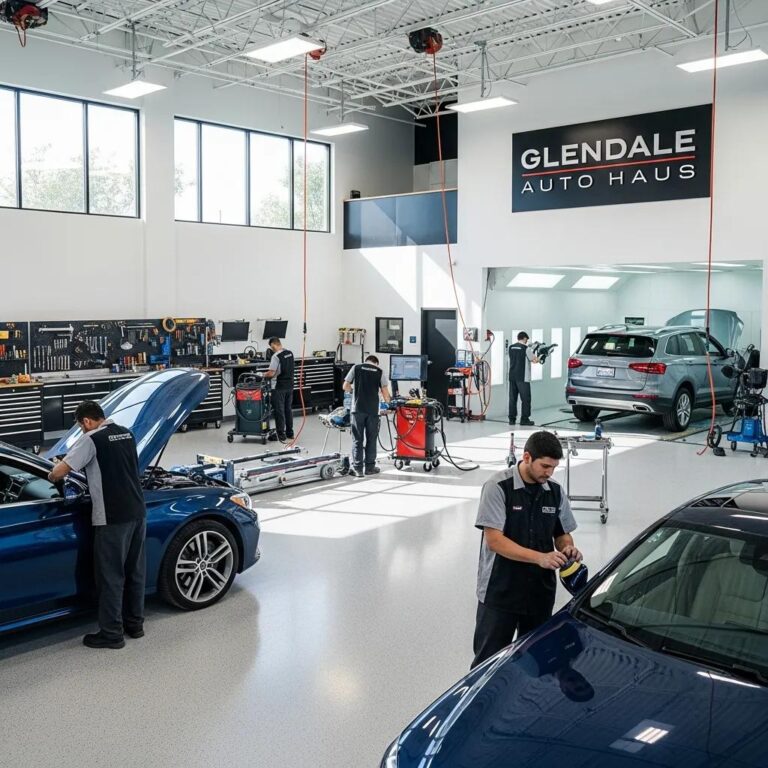
If you need immediate towing or estimates, local certified collision shops often help coordinate with insurers. Drivers in Glendale and nearby Los Angeles communities can rely on local auto body shops with factory‑quality repair experience to manage towing, estimates, and insurance communication as part of post‑accident recovery — reducing administrative burden while prioritizing safe, certified repairs.
Why Are OEM Certified Repairs Essential for Vehicle Safety After a Distracted Driving Accident?
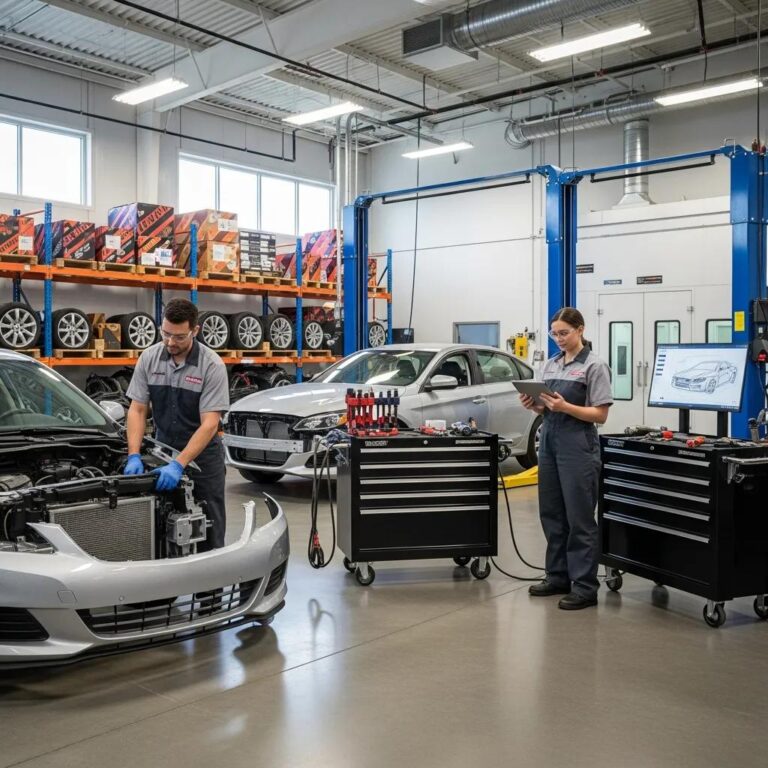
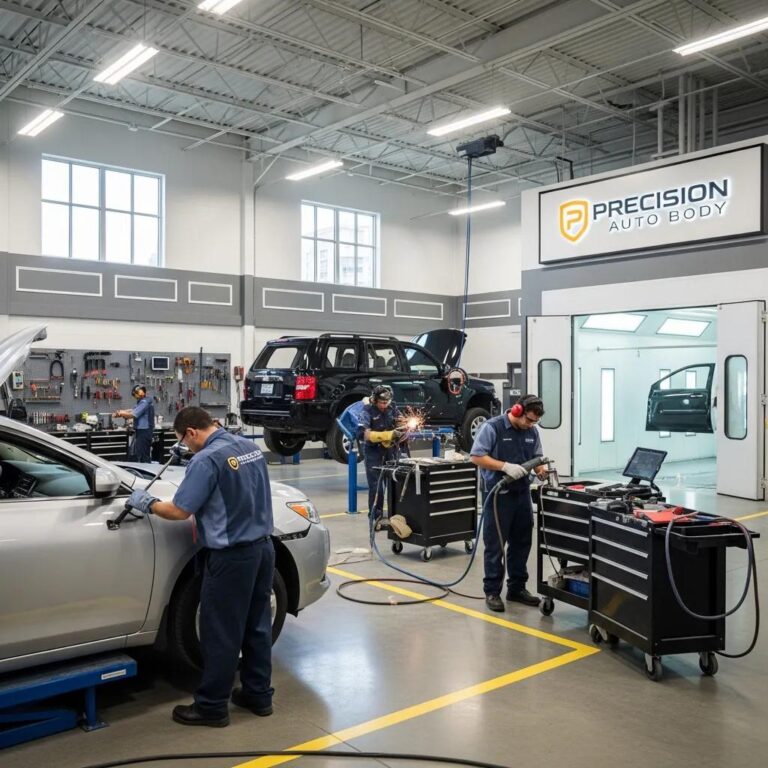
OEM‑certified repairs make sure structural work, frame alignment, and ADAS are restored to manufacturer specs — which matters for occupant protection and long‑term performance. Certified technicians follow factory procedures, use OEM parts, and perform ADAS recalibrations so sensors, cameras, and radars work as designed. Skipping OEM processes or uncertified shops can leave safety systems misaligned, increasing future risk. The EAV‑style table below links repair steps to who performs them and the expected safety outcome in plain language.
Repair EAV table overview: the table connects specific repair actions to responsible parties and the safety outcome so non‑technical readers understand why certified repairs matter.
| Repair Action | Responsible Entity | Safety Outcome |
|---|---|---|
| Structural/frame alignment | OEM‑certified collision technicians | Restores crash energy management and occupant protection |
| ADAS sensor calibration | Trained technicians with calibration tools | Reinstates lane‑keeping, automatic braking, and adaptive functions |
| OEM parts replacement | Factory parts fitted by certified shop | Maintains original crashworthiness and component compatibility |
This mapping shows how each repair step ties directly to restored safety — proper structure prevents unexpected deformation, ADAS recalibration returns driver‑aid reliability, and OEM parts preserve designed performance.
Prime Time Collision Center, a Glendale auto body and collision repair provider, offers factory‑quality repairs performed by I‑CAR Platinum‑certified technicians, plus seamless insurance claim handling, free 24/7 towing coordination, and complimentary estimates to support safe, certified restoration after a crash. Choosing a shop experienced in OEM procedures and ADAS recalibration reduces the chance of unresolved safety issues and helps align repair work with insurer expectations.
Preventing distracted driving reduces the need for these repairs — and if a collision happens, choosing certified repairs helps restore both safety and driver confidence.
If you need immediate assistance after a collision: get medical care if needed, document the scene, notify authorities and your insurer, and contact a local OEM‑capable collision repair facility for towing, estimates, and certified repairs so your vehicle’s safety systems are fully restored.
Frequently Asked Questions
What are some effective strategies for minimizing distractions while driving?
Start with a few simple changes: enable your phone’s driving mode to silence alerts, put the phone out of reach, and set navigation and playlists before you go. Establish in‑car rules (no eating or complex tasks while driving) and let a passenger manage directions. These steps create a focused driving environment and greatly reduce the chance of distraction‑related incidents.
How can parents help their teen drivers avoid distractions?
Parents should set clear rules and model good habits. Talk about the dangers, limit phone use with apps or built‑in controls, and set passenger limits for new drivers. Use graduated responsibilities — more freedom as skill and judgement improve — and review driving sessions together to reinforce safe choices.
What role does vehicle technology play in preventing distracted driving?
Vehicle tech can help: ADAS features assist with lane‑keeping, adaptive cruise, and collision warnings, while infotainment voice controls reduce hands‑on interactions. But tech isn’t a cure‑all — voice commands still add cognitive load, so use these features to supplement behavioral rules, not replace them.
What should drivers know about the legal implications of distracted driving?
Distracted driving can lead to fines, higher insurance premiums, and potential liability if you cause an accident. In California, handheld phone use is restricted and violations can carry monetary penalties. Understanding these consequences underscores why complying with hands‑free laws and using prevention tactics is important for safety and legal protection.
How can drivers stay informed about the latest distracted driving statistics?
Check reputable sources like the National Highway Traffic Safety Administration (NHTSA) and state DMV or CHP reports for up‑to‑date data. Local news, traffic safety organizations, and community programs also publish studies and summaries that help drivers understand trends and risks.
What are the benefits of OEM‑certified repairs after a distracted driving accident?
OEM‑certified repairs ensure your vehicle’s structure, safety systems, and ADAS are restored to factory standards. Certified technicians use OEM parts and follow manufacturer procedures, including necessary sensor recalibrations. That preserves crashworthiness, keeps safety features working correctly, and provides peace of mind about your vehicle’s long‑term performance.
Conclusion
Simple, consistent steps go a long way toward preventing distracted driving. Learn the three distraction types, adopt layered prevention tactics, follow California hands‑free rules, and if a crash happens choose OEM‑capable repairs to restore safety. Take action today — small habits can prevent big consequences and keep you and your community safer on the road.