
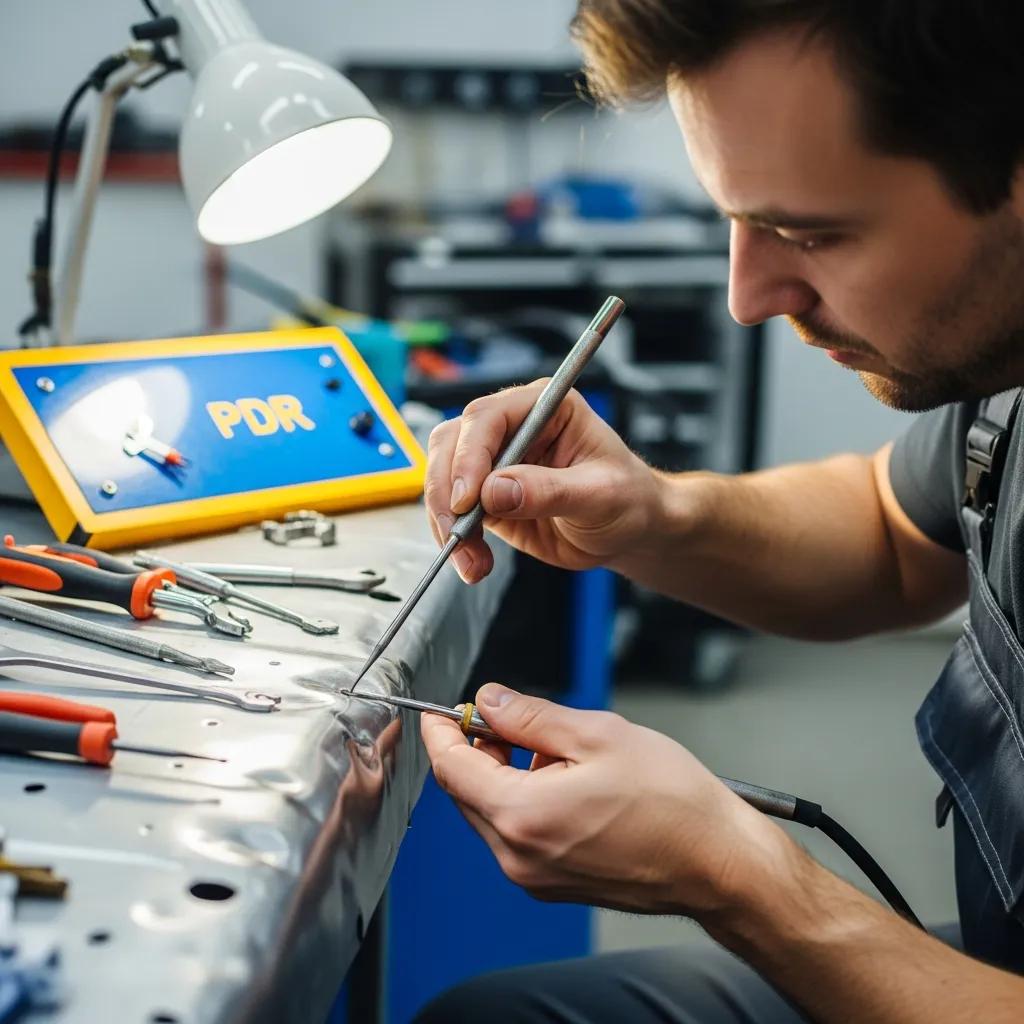
Studio City, CA — Paintless Dent Repair (PDR) | Expert Dent Removal with OEM-Quality Results
Paintless Dent Repair (PDR) is a skilled, non-invasive process that reshapes metal panels by carefully manipulating dents back to factory form — no repainting required. That means your original finish and vehicle value stay intact. This guide explains how PDR works, which dents are good candidates, and why keeping OEM paint matters for resale or lease-return inspections. You’ll find practical eligibility tips for door dings, hail damage and body-line issues, plus a clear step‑by‑step overview of estimates, repairs and insurance coordination. We also highlight the shop services that make the process easy — free estimates, lifetime warranty coverage and towing support. If you drive in Studio City and want dependable dent repair done to manufacturer standards, this guide walks you through the benefits, repair types, workflow and how to schedule a free estimate so you know what to expect.
How Paintless Dent Repair Helps Studio City Drivers
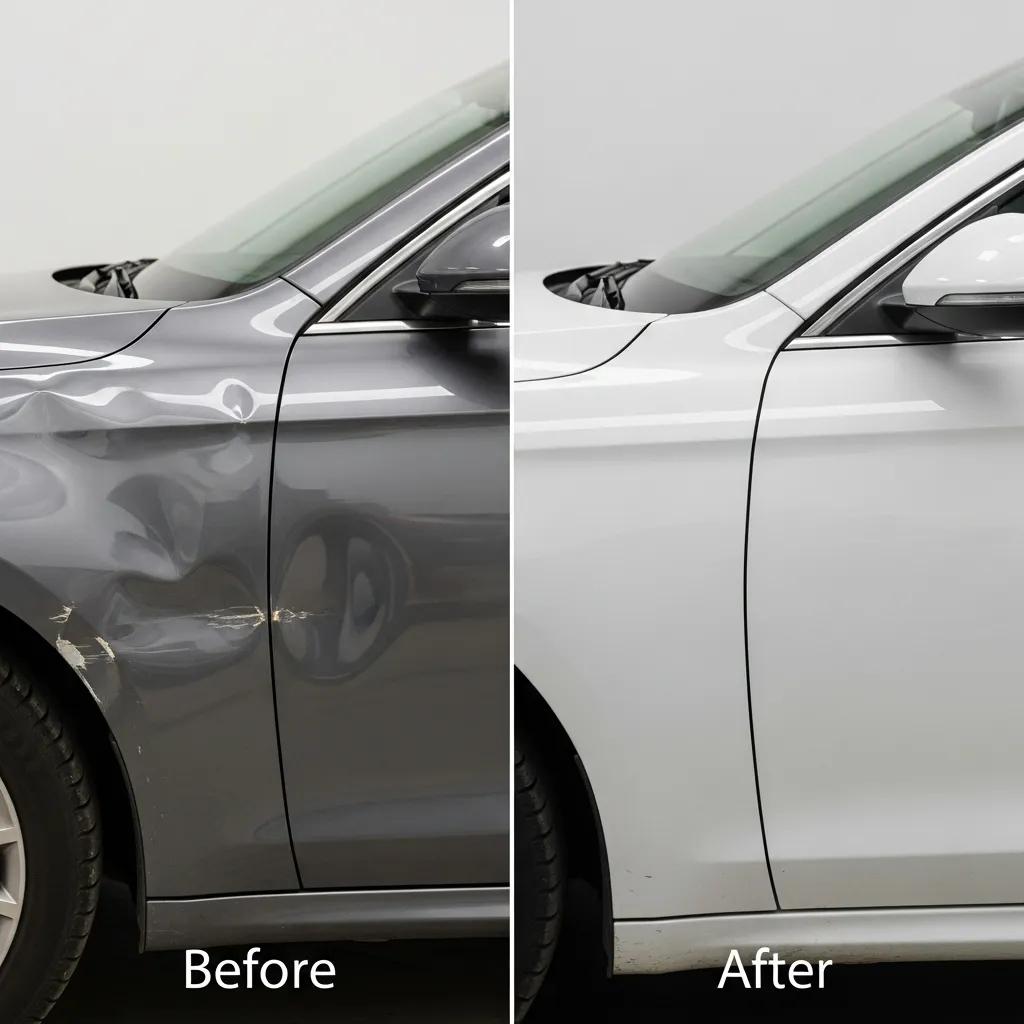
PDR fixes dents from behind the panel, preserving the original paint while cutting repair time and cost. Because it avoids sanding, filler and repainting, PDR reduces material waste and simplifies insurance claims. For Studio City vehicle owners, that typically means faster service, lower out‑of‑pocket costs for minor damage and better resale outcomes than traditional bodywork. Below are the core benefits in an easy-to-scan format so you can decide quickly whether PDR is right for your vehicle.
PDR delivers practical advantages for local drivers:
- Preserves factory paint: Keeps the OEM finish intact so repairs are less obvious.
- Faster turnaround: Many common dents are repaired in hours or the same day.
- Cost-effective: Less material and paint work reduces overall repair expense.
- Maintains value: Minimizes visible repair signs, helping resale and lease returns.
These points explain why PDR is a preferred option for parking-lot dings and hail damage. The table below highlights how PDR compares to conventional body and paint repair so you can weigh the trade-offs.
PDR vs. conventional repair — quick comparison:
| Characteristic | Paintless Dent Repair (PDR) | Conventional Repair (Body & Paint) |
|---|---|---|
| Paint integrity | Preserves original OEM paint | Requires sanding, filler and repainting |
| Typical timeframe | Hours to 1–2 days | Several days to weeks |
| Cost drivers | Technician skill and access tools | Materials, paint and body filler |
| Resale impact | Minimal visible alteration | Higher chance repairs are detectable |
That comparison shows how PDR minimizes paint disturbance and downtime, while conventional methods remain necessary for damage PDR can’t safely correct.
How PDR Protects Your Finish and Your Vehicle’s Value
PDR preserves paint because technicians work from behind the panel, using specialty rods and controlled pressure to return the metal to its original shape without breaking the paint film. Keeping the factory clearcoat and color intact avoids mismatches and reduces the likelihood a repair will be noticed by buyers or lease inspectors — which helps protect resale value. When rear access is limited, technicians may use glue‑pull methods and inspection lights to move metal precisely while protecting the surface. We also document repairs with photos and notes so insurers and future buyers can see what was done.
Preserving the original finish reduces the need for corrective work later and smooths the path for insurance and lease‑return evaluations — a key reason PDR is often faster and more economical.
Why PDR Is Usually Faster and More Cost-Effective
PDR eliminates material‑heavy steps like sanding, priming and repainting, so the main inputs are technician time and specialized tools. Many door‑ding repairs are completed in a single visit, cutting rental or transportation costs for the owner. Shorter repair windows also simplify insurance paperwork, with fewer line items and faster documentation. For example, a parking‑lot ding that might take days to paint‑match with conventional repair can often be handled the same day with PDR, saving time and reducing claim friction.
These efficiency gains make PDR the first choice for eligible dents. Next we explain which dent types are good candidates.
Which Dents Are Good Candidates for PDR in Studio City?
PDR works best when the paint surface is intact and the metal can be accessed or moved without cutting or replacing panels. Typical candidates include door dings, shallow creases, many hail dents and select body‑line dents. Eligibility depends on dent size, location (edge versus center of a panel) and whether the paint has cracked. Use the short lists and table below to self‑assess before scheduling an estimate.
Common dent types we routinely repair with PDR:
- Door dings: Small impact dents from parking-lot incidents — usually repairable.
- Hail dents: Multiple small dents that can often be restored when paint is intact.
- Minor creases: Shallow creases on flat panels that experienced techs can often smooth.
These categories help you spot likely PDR candidates. The table below gives a quick eligibility guide so you know what to expect.
Dent type eligibility and notes:
| Dent Type | Typical Cause / Location | PDR Likelihood / Notes |
|---|---|---|
| Door ding | Parking‑lot sides and doors | High if paint is intact and rear access exists |
| Hail dent | Roof, hood, trunk | Moderate–high for shallow dents; large projects take longer |
| Minor crease | Door edges or panel centers | Moderate; success depends on crease depth |
| Body-line dent | Along character lines | Variable; requires expert assessment for tensioned metal |
This guide highlights which dents fit PDR and which need closer evaluation, leading into the specific repair approaches for common cases.
How We Fix Door Dings and Small Creases
We start by checking paint condition and rear access, map each dent and decide whether rod work or a glue‑pull technique is best. For accessible dents with intact paint, technicians use hand tools and reflection boards to gently work the metal back into place, checking surface tension and symmetry as they go. Most single door dings are completed in a few hours, followed by a final polish and inspection. We document before/after photos to help with insurance claims and lease or resale records.
This focused method sets expectations for the more involved workflows used on hail damage and body‑line repairs, which we describe next.
Our Approach to Hail Damage and Body‑Line Repairs
Hail work begins with a triage: mapping dents to estimate scope, then choosing incremental PDR for shallow dents or a blended plan when panels are severely deformed. We use grid assessments and photos to prioritize high‑visibility panels and to advise insurers on PDR versus panel replacement. Body‑line dents are trickier because creases and tensioned metal resist flattening; experienced techs apply specialized techniques and light tapping to preserve the character line. Time and cost increase with dent count and complexity, but a clear estimate at intake defines the recommended path.
Knowing these differences makes it easier to pick a trusted PDR provider in the Studio City area.
Why Prime Time Collision Center for Studio City PDR?
Prime Time Collision Center pairs OEM‑level repair standards with I‑CAR Platinum training and hands‑on insurance support to deliver PDR with factory‑quality results. We focus on accurate assessments, transparent estimates and coordinated insurer communication to remove friction for vehicle owners. Our service perks — free estimates, lifetime warranty and towing assistance — back up the technical work. That attention to documentation and training is especially valuable for luxury and lease‑return vehicles that require strict repair records and finish fidelity.
Those trust signals reflect our technician skills and customer support, explained in the sections that follow.
What Our I‑CAR Platinum Technicians Bring to PDR
I‑CAR Platinum is a top industry credential. Our technicians use that training to plan access, pick the right PDR tools and understand how different metals and finishes react. That expertise lowers the chance of overcorrection and improves first‑pass success, which means better surface results and dependable warranty coverage for you.
That skillset also streamlines insurance coordination — explained next.
How We Help With Insurance Claims
We work with major insurers and prepare detailed estimates, photos and repair notes to speed approvals and cut down on back‑and‑forth. Free estimates and organized damage mapping help insurers evaluate PDR quickly, and our team acts as a liaison to explain repair methods and warranty terms when needed. This coordinated approach often shortens claim timelines and reduces the need for multiple inspections, making the process easier for vehicle owners and preventing surprises at pickup.
Combining certified technicians with insurer‑ready documentation gives customers both technical quality and practical administrative support throughout the repair.
How Our PDR Process Works for Studio City Customers
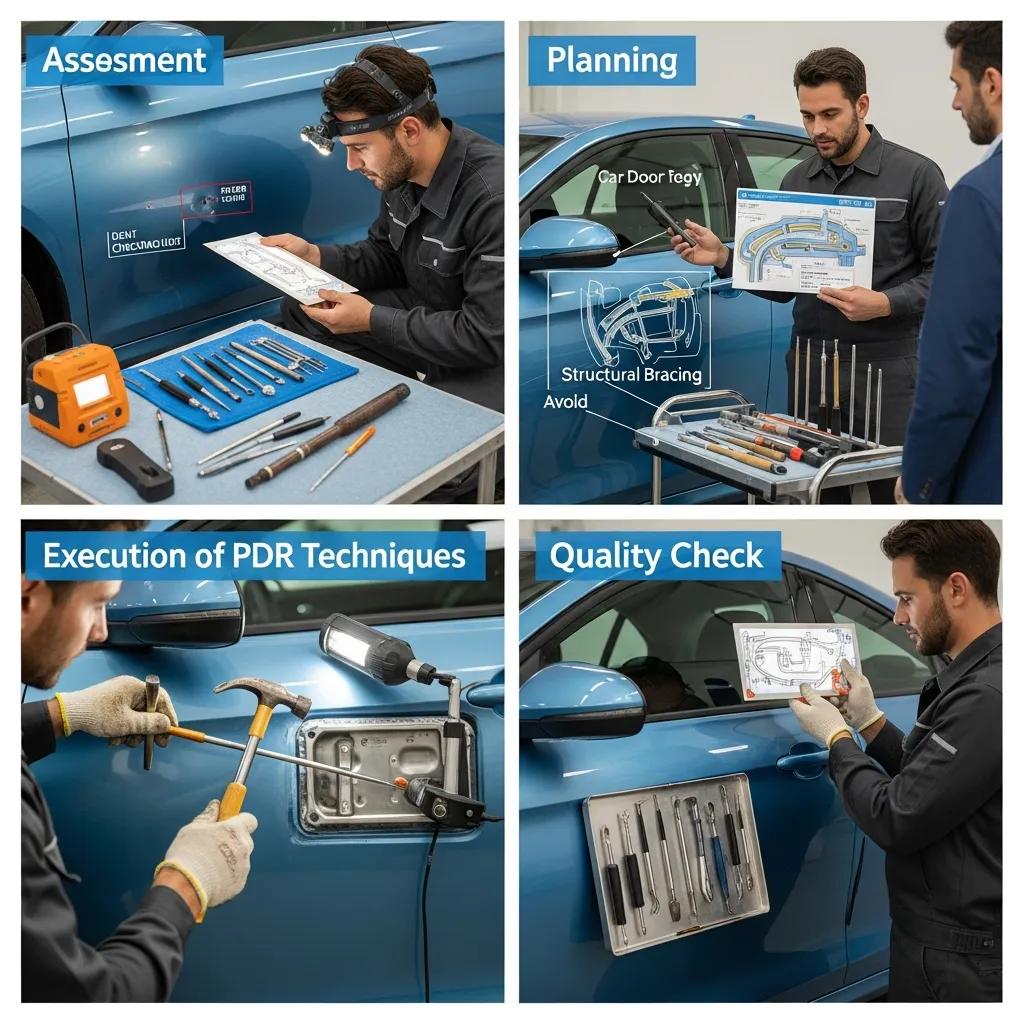
Our PDR workflow starts with a focused estimate and moves through precise metal manipulation, final quality checks and documented warranty handoff — all designed to work with insurance claims when needed. We screen eligibility, choose the least invasive technique and perform controlled corrections with rods, glue‑tabs and inspection lighting to restore panel geometry. Studio City drivers benefit from shorter downtime and clear timeline communication. The list below summarizes the core steps so you know what to expect.
Core PDR process steps:
- Free estimate & damage mapping: We document dents and confirm PDR eligibility.
- Repair planning: Choose access method and tools for each panel.
- PDR execution: Carefully manipulate metal until lines and surface are restored.
- Quality check & finish: Inspect with lights and perform a final polish.
- Documentation & handoff: Deliver repair notes and warranty information for your records.
The table below breaks the process into clear steps with customer benefits and typical timeframes.
Process step breakdown:
| Process Step | What Happens | Customer Benefit / Timeframe |
|---|---|---|
| Estimate & assessment | Map dents, take photos, check eligibility | Clear plan and claim‑ready documentation; hours to 1 day |
| Repair planning | Select tools and access strategy | Optimizes quality and reduces surprises |
| PDR execution | Rod and glue‑pull techniques applied | Fast repair that preserves paint; hours to 1–2 days |
| Quality assurance | Inspection with lights and surface checks | Ensures an OEM‑like finish before handoff |
This sequence clarifies the journey from estimate to final QA so customers know what happens at each stage.
What to Expect at the Free Estimate and Damage Assessment
At a free estimate we inspect each affected panel, photograph damage and map dents to evaluate PDR eligibility and timeline. The assessment checks paint condition, measures dent depth and access points, and flags panels where PDR is unlikely to succeed — in those cases we document conventional repair recommendations. The estimate gives a transparent plan and, when needed, an insurer‑ready damage report to speed approvals. Clear communication at this stage sets realistic expectations for turnaround and any supplemental work.
A thorough estimate reduces surprises and makes the repair coordination that follows smoother.
How Precision Dent Removal Is Performed and Verified
Precision dent removal uses specialized rods, glue tabs and reflective lights to move metal in small, controlled steps until the panel regains its original contour and surface tension. Technicians check progress against reflection boards and verify body‑line alignment to preserve OEM geometry, using careful pressure changes to avoid overworking the metal. Final QA includes before/after photos, a visual inspection under directed lighting and documented warranty terms. These checks ensure repairs meet factory‑quality expectations and support resale or lease inspections.
Robust quality control maintains consistent results and ties into the specialized services we offer next.
Specialized PDR Services for Studio City Vehicles
We offer specialized PDR services for luxury vehicles, lease‑return prep and fleet work — each with added documentation and handling to meet OEM or administrative requirements. For high‑value cars we follow OEM‑compatible processes and keep detailed repair records to protect warranty and resale value. For lease returns we focus on cosmetic standards and before/after documentation to reduce excess‑charge disputes. Fleet customers get coordinated scheduling and consistent quality control to minimize downtime across multiple units.
Common specialized services include:
- Luxury vehicle handling: OEM‑level processes and thorough documentation for high‑end finishes.
- Lease-return prep: Cosmetic repairs and records aligned with lessor expectations.
- Fleet and volume work: Scheduled, consistent PDR standards for multiple vehicles.
These options show how PDR adapts to different ownership needs. The sections below explain mobile options and tailored procedures for luxury and fleet customers.
Do We Offer Mobile Dent Repair in Studio City?
Mobile PDR adds convenience by allowing eligible repairs at your location, but availability depends on job complexity and access. If mobile work isn’t appropriate — for example, when special lifts or controlled lighting are needed — we’ll recommend an in‑shop appointment and can coordinate towing. Prime Time Collision Center offers support services to reduce inconvenience, including towing assistance and fast in‑shop turnarounds. Confirm mobile availability when you book so we can match the workflow to the dent complexity and quality standards you expect.
Understanding mobile options helps you choose the right plan for luxury, lease‑return and fleet vehicles.
How We Handle Luxury, Lease‑Return and Fleet Vehicles
Luxury and lease‑return vehicles need repair fidelity and documentation that meet OEM and lessor standards. Our technicians apply OEM‑compatible PDR techniques and keep detailed records — before/after photos and repair notes — to support resale value and limit excess‑charge disputes. Fleet work focuses on predictable scheduling, uniform quality and efficient throughput to keep vehicles in service. These tailored workflows ensure each vehicle class receives the repair care and administrative support appropriate to its value and use.
With specialized handling in place, it’s easy to take the next step and schedule a free estimate.
How Studio City Drivers Get a Free PDR Estimate
Scheduling a free estimate is the first step toward quick dent removal. To streamline the appointment, prepare clear photos of the damage and basic vehicle details. We provide free estimates and can assist with insurance coordination, lifetime warranty documentation and towing when needed. Contact us by phone or online to request an estimate — include photos and preferred times so we can triage eligibility before your visit. The checklist below helps you get the most from your appointment.
Estimate preparation tips:
- Photograph the damage: Clear shots of each affected panel speed the preliminary review.
- Prioritize visibility: Note which panels matter most for lease or resale concerns.
- Bring documentation: If filing a claim, have your insurance info and vehicle records ready.
Following these steps makes the free estimate smoother and helps accelerate repair authorization when insurance is involved.
How to Schedule Your PDR Service
To book a free estimate, call us or submit an online inquiry with basic damage photos and vehicle details so we can pre‑triage eligibility. Calling is usually the fastest way to schedule; online submissions are useful for attaching photos and preferred times. Whichever method you choose, our team will confirm whether mobile service or in‑shop towing is recommended and answer insurance and warranty questions so there are no surprises at arrival.
Clear scheduling keeps expectations aligned and helps technicians bring the right tools for the job.
What to Expect When You Visit Prime Time Collision Center
At drop‑off you’ll get a short intake: we’ll review photos, perform a hands‑on inspection, map dents and explain recommended options — including whether PDR is appropriate and the expected timeline. We maintain quality checks throughout the repair, document the process for insurance or lease records and provide warranty information at handoff. Plan for a brief orientation at drop‑off and guidance on pickup logistics and what to inspect before accepting the vehicle. Our transparent process helps ensure the result meets your expectations and that paperwork supports future needs.
With that clarity, Studio City drivers can confidently schedule a free estimate and move forward with repairs that prioritize OEM quality and practical support.
Frequently Asked Questions
What is the typical turnaround time for Paintless Dent Repair?
Turnaround depends on damage extent. Minor dents like door dings are often finished in a few hours; larger jobs, such as hail repair, can take a day or two. Many PDR jobs qualify for same‑day service, which is one of the technique’s main advantages.
Is Paintless Dent Repair suitable for all types of vehicles?
PDR works on most sedans, SUVs and trucks as long as the paint is intact and the metal can be accessed. Some high‑end vehicles need specialized handling to meet OEM standards, so consult a certified technician to confirm suitability for your specific car.
How does weather affect the Paintless Dent Repair process?
Weather can affect metal malleability: cold makes metal stiffer, while warmer conditions can help. That’s why technicians prefer a controlled environment for consistent results. Mobile work may be limited by extreme temperatures or lighting conditions.
Can Paintless Dent Repair be performed on vehicles with previous bodywork?
Sometimes. If prior work involved repainting or fillers, PDR may not be effective because the paint film or substrate has been altered. A detailed assessment will determine whether PDR is viable on a vehicle with past body repairs.
What should I do if my insurance covers Paintless Dent Repair?
Contact your insurer to confirm coverage, then schedule a free estimate with a PDR specialist. We provide documentation and detailed reports for insurers and can assist you through the claims process to make approvals smoother.
Are there any limitations to Paintless Dent Repair?
PDR is ideal for minor dents with intact paint and where metal access is possible. It’s not suitable for deep creases, large panel damage or areas where paint has cracked — those cases usually require traditional body and paint work. A professional assessment will clarify the best approach.
How can I maintain my vehicle after a Paintless Dent Repair?
After PDR, avoid extreme temperature swings for a few days and continue regular washing and waxing to protect the finish. Be mindful of parking to reduce future dents, and consider covers if the vehicle is parked outdoors frequently.
Conclusion
Paintless Dent Repair gives Studio City drivers a fast, affordable way to restore their vehicle’s appearance while preserving the factory finish and resale value. With experienced technicians, clear communication and warranty protection, you’ll get reliable results with minimal downtime. Schedule a free estimate today and let us help you get your car back to its best.