

How Bundling Your Car Insurance Can Save You Money and Speed Up Claims
Bundling means putting two or more personal insurance policies — most often auto and homeowners or renters — with the same company. Insurers reward that consolidation with multi-policy discounts and simpler paperwork. When your coverages are split across multiple companies, you’ll often run into duplicated forms and slower coordination after an accident. Bundling solves both problems by giving you one point of contact and a single claims history. In this guide you’ll find clear explanations of what bundling is, the bundle combinations that usually save the most, how multi-policy discounts get calculated, and how a bundled policy can speed repair authorizations. We also review common bundle perks like rental reimbursement and OEM-parts endorsements, plus practical checklists to help you weigh deductible interactions, repair-shop coordination, and real savings using current 2024 context and examples.
What Is Car Insurance Bundling and Why Does It Matter?
Car insurance bundling is when you buy two or more insurance products from the same carrier to get a multi-policy discount and reduce administrative hassle. Carriers give these discounts because consolidated business costs them less to manage, which usually lowers what you pay each year and leaves you with a single claims contact. Bundling is especially valuable if you want immediate savings and fewer headaches after an accident — a single insurer file cuts down on repeated forms and often speeds adjuster decisions. Knowing how bundling works helps you decide whether the savings and simpler claims handling outweigh any loss of flexibility from shopping separate carriers.
Bundling offers three clear benefits after an accident:
- Lower Combined Premiums: Putting multiple lines with one carrier typically lowers your total premium.
- Single Claims Record: One insurer keeps a centralized claims history, which simplifies investigations and follow-up.
- Faster Repair Coordination: Consolidated communication often leads to quicker repair authorizations and less delay.
Next we’ll show how pairing certain policies — like your auto and home — turns those percentage discounts into real annual savings.
How Does Combining Car and Home Insurance Save You Money?

When you place auto and homeowners insurance with one carrier, you usually get a multi-policy discount applied to one or both premiums, which produces noticeable annual savings. Typical discounts fall roughly between 10% and 25%, and what that means in dollars depends on your location and coverage levels. For example, a household paying $2,500 a year for auto and $1,800 for homeowners insurance could see a 15%–20% reduction on one or both lines, which translates to about $630–$860 in yearly savings under normal circumstances.
| Bundle Type | Typical Discount Range | Typical Annual Savings (approx.) |
|---|---|---|
| Auto + Home | 10%–25% | $400–$1,200 |
| Auto + Renters | 10%–20% | $150–$500 |
| Multi-Car | 10%–20% | $200–800 |
This table shows auto+home bundles usually give the biggest dollar savings for homeowners, while renters and multi-car bundles still offer useful reductions. Below we cover which bundle combos typically deliver the most benefit.
What Types of Insurance Can Be Bundled for Maximum Benefits?
Which bundle helps you most depends on whether you own or rent, how many drivers you have, and the vehicles you insure. Auto + homeowners is generally the biggest saver for homeowners because it combines two major lines. Renters who pair auto with renters insurance still see discounts, and multi-car policies help households with several vehicles lower per-car costs. If you drive a luxury or leased vehicle, check OEM parts coverage and lease-return protections before bundling — those details can affect repair choices and final costs.
Common bundle combinations include:
- Auto + Homeowners — best for homeowners with significant combined premiums.
- Auto + Renters — a good option for renters wanting savings and less paperwork.
- Multi-Car Policies — helpful for multi-driver households to reduce per-vehicle rates.
- Auto + Specialty Endorsements — for high-value vehicles that need added coverage.
Choosing the right combo means weighing premium reductions against coverage flexibility and necessary endorsements. Next we’ll explain how insurers calculate multi-policy discounts in practice.
How Do Multi-Policy Auto Insurance Discounts Work?
Multi-policy discounts reduce base premiums by a set percentage when you bundle lines with one insurer. The details vary by company and state rules: discounts are applied after underwriting sets base rates, and carriers may limit stacking with other savings (like safe-driver or good-student discounts). The bottom line is a lower annual premium — but always confirm whether the discount applies to all bundled lines or just certain policies.
Here’s a simple comparison of bundle types and their typical effect on annual premiums.
| Bundle Type | Attribute | Value |
|---|---|---|
| Auto + Home | Savings Range | 10%–25% off combined premiums |
| Auto + Renters | Savings Range | 10%–20% off auto or renters line |
| Multi-Car | Savings Range | 10%–20% per vehicle depending on risk |
Auto+home bundles often deliver the largest percentage and dollar savings. Multi-car discounts grow with the number and risk profile of vehicles insured. Those averages are useful, but your actual savings will depend on carrier rules and state rate environments — always request a personalized quote.
What Are the Average Savings from Bundling Auto and Home Policies?
Recent industry data shows bundling remains an effective way to offset rising insurance costs, with average discounts for auto+home typically between 10% and 25%. Dollar savings depend on state, driving record, and coverage choices; households with combined premiums around $3,000–$4,000 can expect to save several hundred to over a thousand dollars a year. Claims history and regional rate changes affect results, so get personalized quotes to confirm your real-world savings.
Example: If your combined premiums are $3,200 annually and you get a 20% bundle discount, you’d save about $640 a year — money you could put toward higher liability limits or a lower deductible. That’s why comparing bundled quotes during your annual review is worthwhile.
How Does Bundling Affect Your Insurance Premiums and Deductibles?
Bundling usually lowers premiums; it doesn’t automatically change deductible amounts. Each policy keeps its own deductible unless your carrier offers a specific combined-deductible endorsement. In cases where one event affects both home and car — like a garage fire — having a single carrier can make coordination easier and might let one adjuster handle both claims, but each deductible still applies separately. Don’t assume deductible consolidation — get written confirmation if that’s important to you.
When comparing quotes, ask how bundle discounts interact with other savings and which lines the discount applies to. That will determine your net savings and potential out-of-pocket costs during a claim. Clear conversations with your agent make sure you understand both premium reductions and deductible obligations.
How Can Bundling Simplify Your Post-Accident Claims Process?

Bundling simplifies claims by keeping everything in one insurer file and often assigning a single adjuster who can see all your lines at once. That cuts down duplicate paperwork and lowers the chance of inconsistent statements between carriers. A unified claim record also speeds coordination when one incident affects multiple assets, and many carriers offer streamlined intake tools and consolidated assessments for bundled customers. Those efficiencies shorten investigation timelines and can lead to faster repair authorizations.
The typical bundled-claim workflow removes several administrative steps after an accident:
- One Call to Report: You report the incident to one carrier, which creates a consolidated claim file.
- Single Adjuster Assignment: One adjuster reviews all affected policies, reducing repeated interviews.
- Unified Documentation: Estimates, photos, and reports are stored in a single account.
- Coordinated Repair Authorization: The insurer and repair shop move faster when coverage and responsibility are clear.
| Claims Step | Primary Handler | Bundled Policy Benefit |
|---|---|---|
| Report Incident | Policyholder | Single intake reduces duplicate forms |
| Damage Assessment | Insurer Adjuster | One adjuster reviews all assets together |
| Shop Selection | Policyholder/Insurer | Clear authorization path to your chosen shop |
| Repair Authorization | Insurer & Shop | Faster approvals reduce days out of service |
What Role Does a Certified Collision Repair Center Play in Insurance Claims?
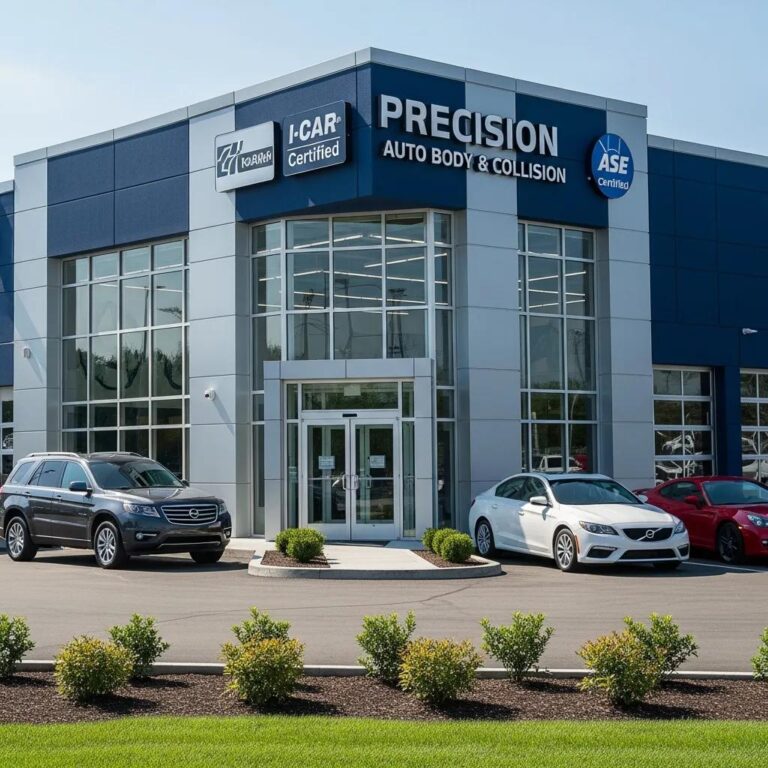
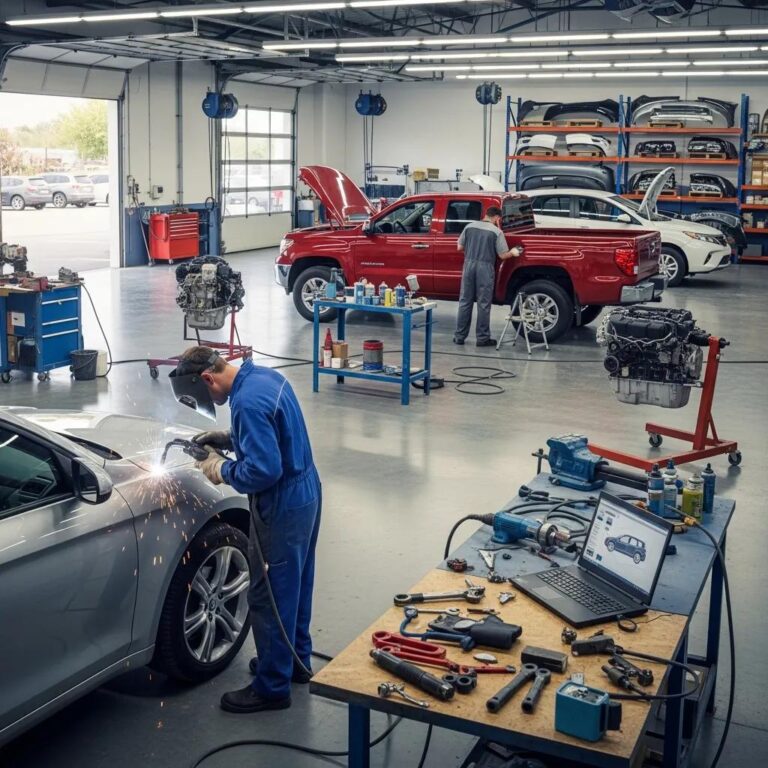
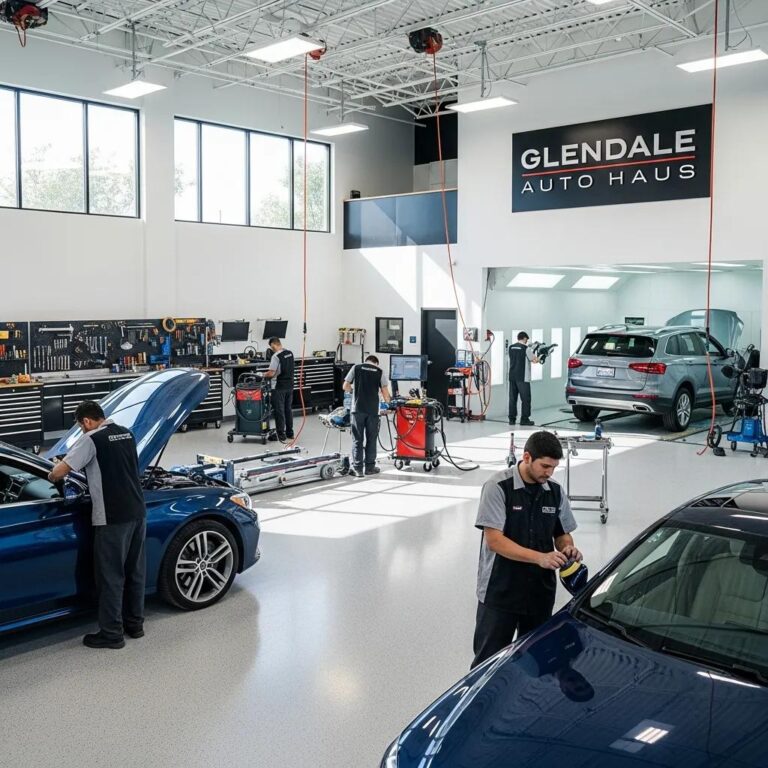
A certified collision repair center creates accurate, insurer-ready estimates, documents OEM repair requirements, and communicates directly with carriers to get repairs authorized — a big advantage for customers with bundled coverage who want fast, correct outcomes. Certified shops list OEM parts and repair procedures clearly, which helps adjusters assess scope and approve factory-spec repairs when policies allow. Experienced technicians and documented repair plans cut down back-and-forth questions and help insurers process bundled claims faster.
Prime Time Collision Center shows how that works locally: we’re a Glendale auto body and collision shop focused on OEM-quality repairs, honest estimates, and working smoothly with insurers. Our I-CAR Platinum Certified technicians prepare precise estimates, work with all major insurance companies, offer Free Estimates, and can arrange 24/7 Towing right after an accident. That shop-to-insurer communication shortens authorization times and helps ensure repairs meet factory standards — precisely the benefit a bundled policy can unlock.
How Does Bundled Insurance Streamline Communication with Insurance Companies?
Bundling keeps all your policy details in one insurer record, which cuts duplicate paperwork and lets repair shops and adjusters reference a single file during negotiations and authorizations. With one account and consolidated notes, shops upload estimates, photos, and repair scopes to the same platform, giving adjusters full context across lines. That reduces inconsistent determinations and lowers administrative overhead so shops can focus on quality repairs.
Case example: If a storm damages both your garage and a vehicle inside it, a bundled claim usually means one adjuster handles both exposures, coordinates inspections, and authorizes repairs faster than separate carriers would. That coordination often shortens overall downtime and delivers clearer outcomes for you.
What Are the Enhanced Coverage Benefits of Bundled Insurance Policies?
Bundled policies often come with extra perks or endorsements — either as part of higher combined limits or as loyalty rewards for multi-policy customers. Common benefits include rental reimbursement, accident forgiveness, and OEM parts endorsements. Those extras can change repair decisions: an OEM-parts endorsement, for instance, strengthens the case for factory parts, which can affect safety and resale value. Bundling can also bring higher combined liability limits or packaged endorsements that offer broader protection than separate minimal policies.
Think about how endorsements and combined limits will change repair choices and out-of-pocket costs. The table below compares common features and how they typically behave under bundled versus separate policies.
| Coverage Feature | Bundled Policy Behavior | Impact on Repairs |
|---|---|---|
| OEM Parts Endorsement | More likely to be offered or prioritized | Supports factory-spec repairs and safety |
| Rental Reimbursement | Often included or discounted | Reduces downtime while your car is in the shop |
| Combined Liability Limits | May be packaged for higher limits | Provides broader financial protection |
| Accident Forgiveness | Frequently available as loyalty perk | Helps prevent rate increases after a first at-fault loss |
These differences show that bundling can materially affect both financial and repair-quality outcomes after a collision, and highlight why confirming OEM coverage matters when you pick a repair shop.
How Does Bundling Provide Broader Protection Beyond Auto Insurance?
Bundling helps when a single event damages multiple assets: coordinated coverage can offset costs across lines and reduce your out-of-pocket exposure. For example, a house fire that also damages a car stored in the garage will involve both homeowners and auto policies; a bundled relationship makes it easier for one insurer to coordinate payments and investigations. That consolidated approach cuts duplicate work and can speed your financial recovery.
Talk with your agent or claims advisor to understand endorsements like increased personal property limits or additional loss-of-use provisions that may apply when multiple assets are affected. Confirming these details before a loss ensures you maximize available protections when complex claims arise.
Why Choose OEM Certified Repairs with Your Bundled Policy?
OEM-certified repairs use factory parts and procedures that preserve safety systems, structural integrity, and resale value. If you have a bundled policy, check whether your insurer supports OEM-parts endorsements before repairs begin. OEM parts keep engineered fit and crash performance intact — critical for safety and for leased vehicles at return time. Choosing a certified shop that documents OEM repair steps and shares that information with the insurer improves the chance adjusters will approve factory-spec repairs when the policy allows.
Prime Time Collision Center is I-CAR Platinum Certified and focused on OEM-quality repairs and insurance claims. When insurers receive detailed, OEM-focused estimates and certified technician documentation from a shop like ours, adjusters are better positioned to approve factory-spec repairs that protect safety and vehicle value.
What Are Common Questions About Multi-Policy Auto Insurance Discounts?
Drivers often ask whether bundling is the right move, what the downsides are, and how to evaluate trade-offs. The short FAQ below answers the most common questions with practical guidance you can use during your annual policy review. Clear, direct answers help you treat bundling as one tactic alongside shopping single-line discounts and checking endorsements.
Is It Better to Bundle or Keep Separate Insurance Policies?
It depends on what you value. If you want lower prices and simpler administration, bundling usually makes sense. If you need the absolute lowest rate on a single line or highly specialized coverage, separate carriers might be better. Ask your insurer whether the discount applies to both lines, how it stacks with other discounts, and whether required endorsements (like OEM parts coverage) remain intact under the bundled quote.
Use this quick checklist to decide:
- Do you want convenience and one claims contact? Bundling helps.
- Do you need specialized coverage or the lowest possible rate on one line? Consider shopping separately.
- Does the bundled quote include required endorsements like OEM parts? Confirm before you commit.
What Are Potential Disadvantages of Bundling Insurance?
Bundling can reduce competitive pressure on pricing for a single line, which may limit how aggressively you can shop rates. It can also make switching one line to another carrier more complicated, and some insurers offer smaller savings on certain lines than you might expect. To manage those risks, review rates annually, verify endorsements, and compare bundled quotes against top single-line offers to ensure you’re still getting the best net value.
Key mitigation tips:
- Review rates at least once a year and request competitive single-line quotes.
- Confirm endorsements and deductible interactions before you switch.
- Ask how long loyalty perks or discounts continue after you change carriers.
If you want one-on-one help after an accident — from accurate estimates to insurer liaison services — local support matters. Prime Time Collision Center is a Glendale auto body and collision shop focused on OEM-quality repairs, insurance claims, and customer trust. Our I-CAR Platinum Certified technicians provide Free Estimates, can arrange 24/7 Towing, and work with all major insurance companies to guide you through the claims process.
If you need immediate help after an accident, Prime Time Collision Center is at 6010 San Fernando Rd, Glendale, CA 91202. Call (818) 396-4997 to schedule an estimate or arrange towing. Our local team and certifications can help align bundled policy details and OEM repair preferences quickly with insurer authorizations.
- Check Policy Details First: Confirm which discounts and endorsements are shown on written quotes.
- Compare Net Cost, Not Just Percentage: Convert percentages into dollars to understand real savings.
- Ask About OEM Endorsements: Verify whether factory parts are covered or require a separate endorsement.
Frequently Asked Questions
1. Can I bundle insurance policies with different providers?
No — bundling generally requires all policies to be with the same carrier. The main benefit of bundling is having multiple lines under one insurer to get multi-policy discounts and simpler claims handling. If your policies are currently split between providers, you’ll need to compare the convenience and savings of moving everything to one company.
2. What should I consider before bundling my insurance policies?
Before bundling, review your coverage needs, the policies you already hold, and the potential savings. Check whether the bundled quote includes necessary endorsements like OEM parts coverage and compare it to separate policy rates. Also think about how comfortable you are having all your insurance with one provider — that can limit flexibility when shopping rates later.
3. Are there any risks associated with bundling insurance policies?
Yes — bundling can reduce price competition on individual lines and make managing or switching a single policy harder later. To avoid surprises, conduct regular reviews of your bundled policies to ensure they still deliver value and meet your coverage needs.
4. How can I maximize my savings when bundling insurance?
Compare bundled quotes from multiple insurers, look for additional discounts (safe driver, multi-car, good student), and make sure the bundled quote includes all needed endorsements. Review policies each year and adjust coverage to keep the best combination of protection and savings.
5. What happens if I need to file a claim with bundled insurance?
Filing a bundled claim is usually simpler: you contact one insurer who handles all affected lines. That can speed processing and cut paperwork since everything is in one file. Still, understand how each policy’s deductible applies when multiple lines are involved.
6. Can I still get discounts if I bundle with a high-risk driver in my household?
Yes — you can still qualify for discounts when bundling, but a high-risk driver will raise overall premiums. Talk with your insurer about tailored discounts or programs that may reduce the impact of a higher-risk driver on your bundled rates.
7. How often should I review my bundled insurance policies?
Review your bundled policies at least once a year or whenever life changes — moving, buying a new car, or household adjustments. Annual reviews ensure you’re getting competitive rates and the right coverage, and they help you decide whether bundling still makes sense.
Conclusion
Bundling your car insurance can deliver real benefits: lower premiums, simpler claims handling, and extra coverage options. Consolidating policies with one provider can save you money and reduce the stress of post-accident recovery. Review your current policies, get bundled quotes, and confirm endorsements that matter to you. For local help with estimates, OEM repair documentation, and insurer coordination, contact a trusted shop — or call Prime Time Collision Center to discuss your options.