

Why Regular Tire Rotation Matters: Extend Tire Life and Drive Safer
Tire rotation is the simple, scheduled practice of moving each tire to a different wheel position on your vehicle. It’s one of the easiest preventive services you can do — and it pays off with longer tire life, steadier handling, and improved safety. By evening out tread wear caused by steering, load differences, and drive-axle forces, rotation keeps tread depth consistent across all four tires and lowers the chance you’ll need premature replacements. Below we explain how rotation works, when to rotate based on your vehicle and driving habits, and the measurable benefits — from better fuel economy to preserved warranty coverage. You’ll also learn the signs that mean your car needs rotation, what local costs typically look like, and how routine rotation fits into post-repair safety checks. Practical checklists and clear scheduling tips make it easy to turn this advice into action, and we’ll point out professional service options in Glendale, CA when you’re ready.
What Is Tire Rotation and Why Is It Essential for Your Vehicle?
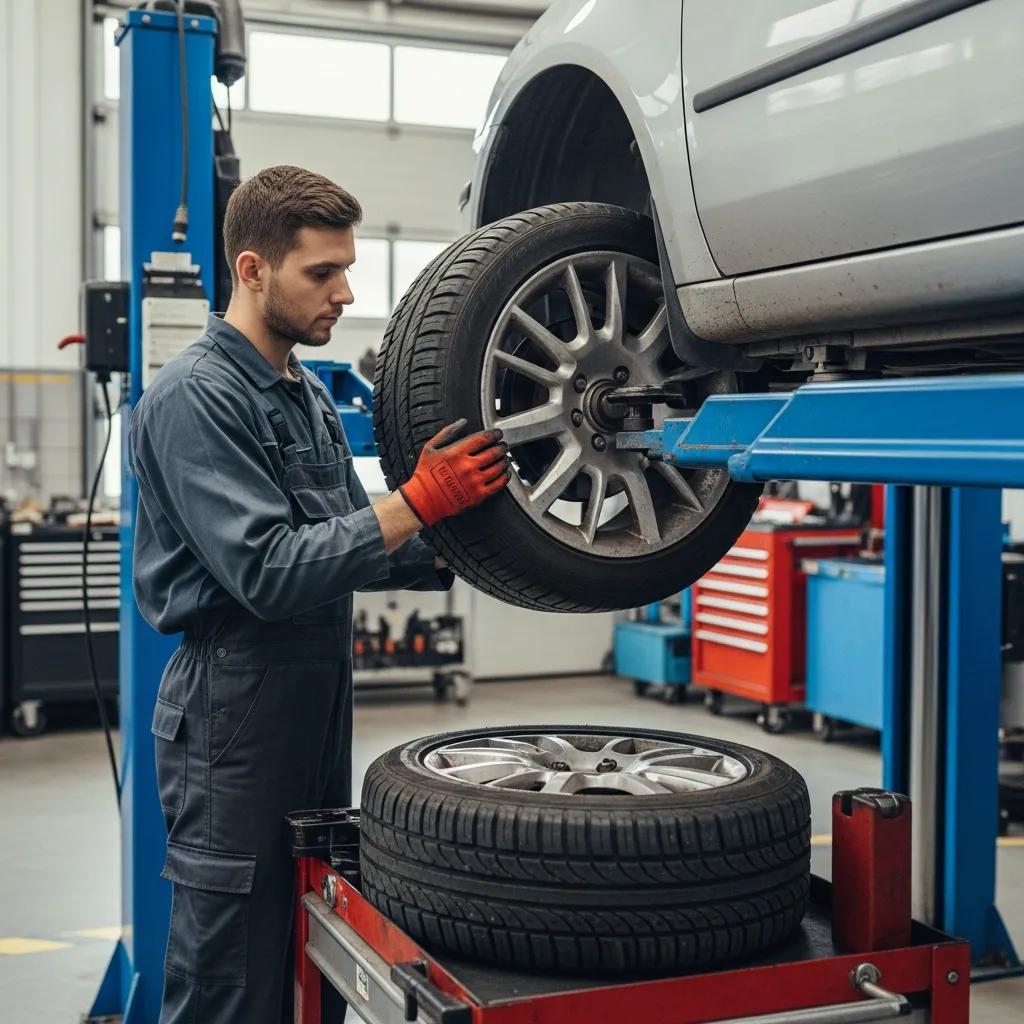
Tire rotation is the deliberate repositioning of each wheel and tire assembly around the vehicle to even out tread wear, distribute loads across axles, and preserve consistent traction and steering feel. Technically, it means moving tires between front and rear axles — or crossing sides when appropriate — so the tires that take on more steering and drive forces don’t always wear the fastest. The result is a more uniform tread profile across the set, which translates to longer usable mileage, better braking performance, and more predictable handling as tires age. Regular rotation also helps you stay within many tire-warranty requirements and gives technicians a chance to spot uneven wear or suspension issues early. Put simply: rotation is a small step that prevents big problems.
How Does Tire Rotation Work to Promote Even Tread Wear?
Rotation balances the different forces each wheel sees by moving tires into positions with different responsibilities. For example, on a front-wheel-drive car the front tires handle steering and most propulsion, so they wear faster. Moving a front tire to a rear position (and vice versa) shares the workload and evens tread depth over time. That redistribution reduces the chance one tire hits its wear limit long before the others and helps smooth out rolling resistance, which can improve fuel economy and ride comfort. A rotation service typically includes a close inspection, which also uncovers asymmetrical wear that may point to alignment, suspension, or inflation issues. Seeing rotation this way makes it clear why it’s both corrective and diagnostic maintenance.
What Are the Common Tire Rotation Patterns for Different Drivetrains?
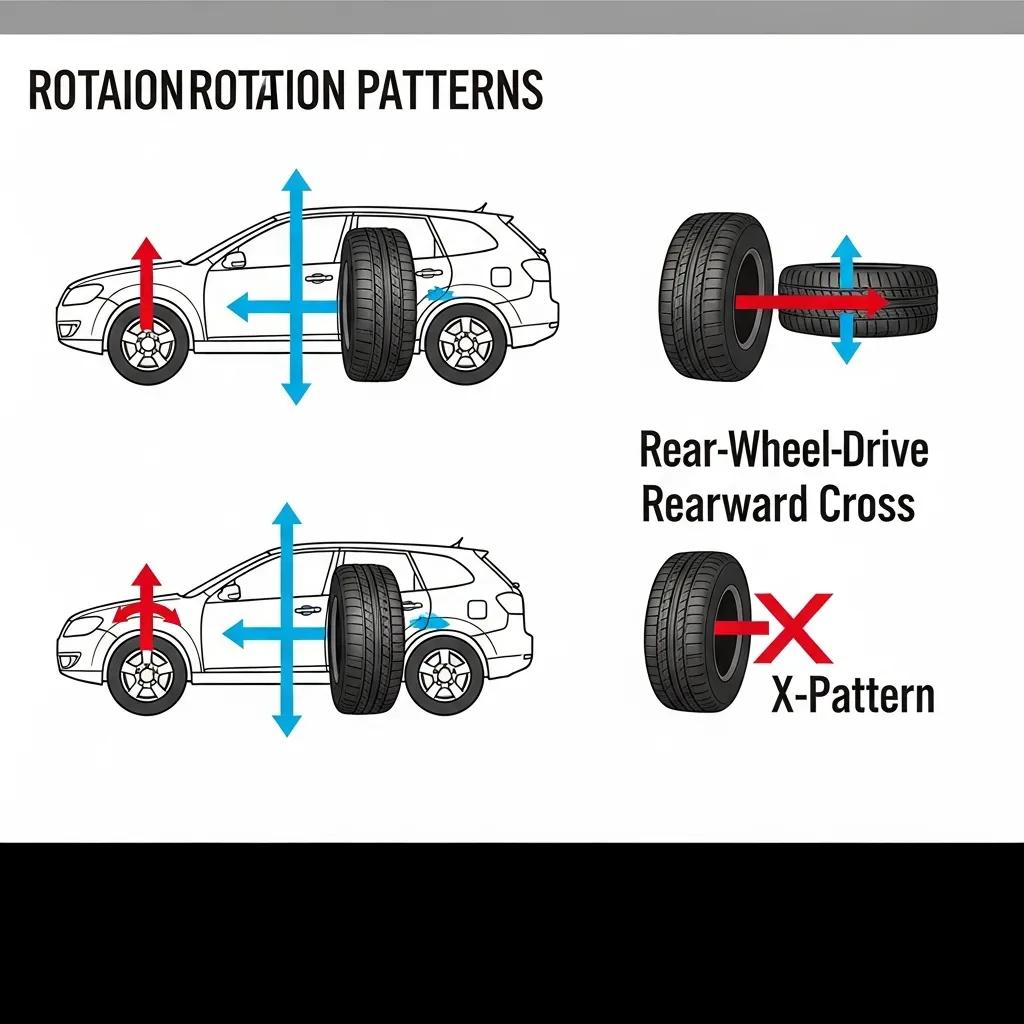
Rotation patterns are chosen to match drivetrain and tire type so you get the most benefit without compromising directional tread or staggered setups. Typical patterns include the forward cross (front-to-rear with side swap) for front-wheel-drive cars, the rearward cross for rear-wheel-drive vehicles, the X-pattern for all-wheel-drive and non-directional tires, and side-to-side swaps for directional tires or staggered wheel fits. Each pattern moves tires into positions with different steering and load duties — for example, the forward cross shifts front tires to opposite rear positions to reduce front-axle wear. Directional tires, run-flats, or staggered-width setups may need side-to-side only rotations or special handling to avoid performance loss. Picking the right pattern preserves even wear while following manufacturer and drivetrain limits.
How Often Should You Rotate Your Tires for Optimal Performance?
Most manufacturers and shops recommend rotating tires every 5,000–7,500 miles (about every six months for many drivers) — a schedule that often lines up with oil changes and other routine services. That makes it easier to remember and less likely you’ll skip it. Your exact interval depends on driving conditions: towing, heavy loads, aggressive driving, and city stop-and-go traffic can all shorten the window; steady highway miles can let you stretch it toward the upper end. Staying within recommended ranges helps protect warranty coverage and keeps tread depth balanced across the set. Adding rotations into a regular service plan keeps your tires healthier and your maintenance simpler.
What Factors Influence the Recommended Tire Rotation Frequency?
How often you should rotate tires depends on several factors: tire compound and construction, vehicle load and towing habits, typical road surfaces, driving style, and any warranty requirements. Softer, high-performance tires wear faster and need more frequent rotation; harder touring tires can go longer between services. Short trips, stop-and-go driving, and carrying heavy cargo accelerate localized wear and call for earlier rotations, whereas mostly highway driving is easier on tread. Many tire warranties require documented rotations at set intervals to remain valid, so check your owner’s manual or the tire paperwork for specifics. Tailoring the schedule to your real-world use is smarter than relying on a single rule of thumb.
| Vehicle Type | Recommended Miles | Rationale |
|---|---|---|
| Compact commuter (FWD) | 5,000–6,000 | Front-axle wear from steering and drive; align rotation with oil changes |
| Midsize sedan (FWD/RWD) | 6,000–7,500 | Balanced wear for typical mixed driving conditions |
| SUV/Light truck (towing/heavy loads) | 4,000–6,000 | Increased load and towing stress accelerate tread wear |
| Performance car (soft compound tires) | 3,000–5,000 | Softer compounds wear quickly under aggressive driving |
This table summarizes typical intervals by vehicle type and explains why each recommendation varies based on load, drivetrain, and tire construction. Adjusting schedules to match real driving and tire condition helps preserve tread life and performance.
How Does Driving Habit and Vehicle Type Affect Rotation Intervals?
Your driving style and vehicle type change the forces on your tires and therefore the frequency of rotation. Aggressive cornering, frequent hard braking, heavy cargo, and towing concentrate wear on certain tires faster than calm highway driving. A city commuter in stop-and-go traffic will likely need rotations nearer 5,000 miles, while a highway-only driver can often wait longer. Performance drivers should plan shorter intervals because lateral forces and heat speed wear on soft compounds. Owners of luxury or staggered-wheel cars should follow manufacturer guidance, since some wheel/tire combinations limit swap options — a professional inspection during rotation helps tailor the interval to your vehicle.
What Are the Key Benefits of Regular Tire Rotation?
Regular rotation delivers clear, measurable benefits that cut ownership costs and boost safety and comfort. It evens tread wear across all tires, reduces vibration and uneven road noise, preserves predictable traction for braking and cornering, and helps maintain fuel efficiency by avoiding imbalanced rolling resistance. Rotation also supports warranty compliance and creates routine inspection opportunities to catch alignment or suspension issues early. Together, these results lower the chance of premature replacement, improve safety margins, and keep your ride smoother and more efficient.
The table below links benefits to the mechanisms that produce them and the outcomes you can expect.
| Benefit | Mechanism | Expected Outcome |
|---|---|---|
| Extend Tire Lifespan | Redistributes wear across positions | More usable miles before replacement |
| Improve Safety | Maintains even tread for traction | Shorter braking distances and better wet grip |
| Better Fuel Efficiency | Reduces uneven rolling resistance | Slight MPG improvements over tire life |
| Preserve Warranty | Meets manufacturer maintenance requirements | Avoids warranty invalidation due to neglect |
| Enhanced Ride Comfort | Prevents vibration from uneven wear | Smoother driving experience and less noise |
Understanding how each benefit links to a concrete outcome helps you prioritize rotation as a high-value preventive step.
If you prefer professional service, Prime Time Collision in Glendale, CA follows OEM repair standards and certified technician practices that extend beyond collision work to routine maintenance like tire inspection and rotation. Making rotation part of a post-repair safety check or a regular service visit ensures technicians review wear patterns and address anything that could affect safety. Choosing a provider that documents inspections and follows OEM specs helps protect warranties and keeps vehicle performance consistent. Scheduling rotations with trained technicians makes maintenance easier and gives you confidence that your tires were evaluated by professionals.
How Does Tire Rotation Extend Tire Lifespan and Prevent Premature Replacement?
Rotation delays replacement by spreading wear so no single tire hits the wear limit long before the others. That reduces concentrated stress that causes rapid tread thinning or irregular wear patterns like cupping or shoulder wear. An evenly worn set is more likely to reach minimum tread depth at the same time, letting you plan replacements instead of responding to emergencies. In real-world terms, regular rotation can add thousands of usable miles to your tire set compared with no rotation, turning a modest service cost into clear savings.
In What Ways Does Tire Rotation Improve Vehicle Safety and Handling?
Even tread depth preserves predictable traction for braking, cornering, and wet conditions because each tire maintains a similar contact patch. That reduces the risk of one tire losing grip earlier than the others, which can cause handling shifts or longer stopping distances. Rotation also lessens vibration and steering pull from asymmetric wear, improving control and comfort. Routine inspections done during rotation often uncover suspension or alignment faults — fixing those issues further improves safety. Altogether, rotation is both a performance and safety step that supports safer day-to-day driving.
What Are the Signs That Indicate Your Car Needs Tire Rotation?
You can spot the need for rotation with simple observations during routine use or quick visual checks. Common signs include uneven tread patterns, noticeable vibrations at speed, and a vehicle that pulls to one side under braking or steady throttle. Look for feathering, inner-edge wear, or one tire that’s clearly shallower than the others — these are cues that rotation or inspection is due. Vibrations through the steering wheel or seat often point to imbalance or irregular wear that rotation and balancing can fix; persistent pulling usually signals alignment or asymmetric wear that may need further work. Acting on these signs early prevents accelerated deterioration and keeps handling steady.
Use this short checklist to check tires at home and decide what to do next.
- Visual Tread Check: Look at all four tires for uneven patterns, cupping, or one tire that’s noticeably more worn.
- Simple Measurement: Compare depth across tires with a tread gauge or a penny and note differences.
- Road-Test Symptoms: Drive at a moderate speed to check for vibration or steering pull and note when it happens.
How Can Uneven Tire Wear and Vibrations Signal the Need for Rotation?
Uneven wear patterns — scalloping, heavy inner-edge wear, or one tire with visibly less tread — show that forces on that tire differ from the rest. Those patterns often come from missed rotations or underlying suspension problems. Vibrations through the steering wheel at certain speeds can indicate imbalance or irregular wear; rotating tires and adding a balance check usually clears mild to moderate vibration. Catching these signs early through routine rotation prevents escalation into costly suspension repairs or early tire replacement. When rotation is done with a full inspection and balance check, technicians can tell whether vibration is wear-related or mechanical, then recommend the right fix.
What Does Pulling to One Side Reveal About Tire Condition?
Pulling to one side can result from uneven tire wear or a wheel alignment issue; knowing which determines whether rotation will help or if alignment and suspension work are needed. If the pull appears with asymmetric tread wear and improves after rotation and balancing, uneven wear was likely the cause. If the pull persists after rotation, alignment or steering components are the usual suspects. A practical approach is to rotate and test-drive; if the pull shifts or lessens, wear distribution was contributing, but if it remains, schedule a professional alignment. That way you avoid temporary fixes that don’t address the root cause.
How Much Does Tire Rotation Cost and What Should You Expect?
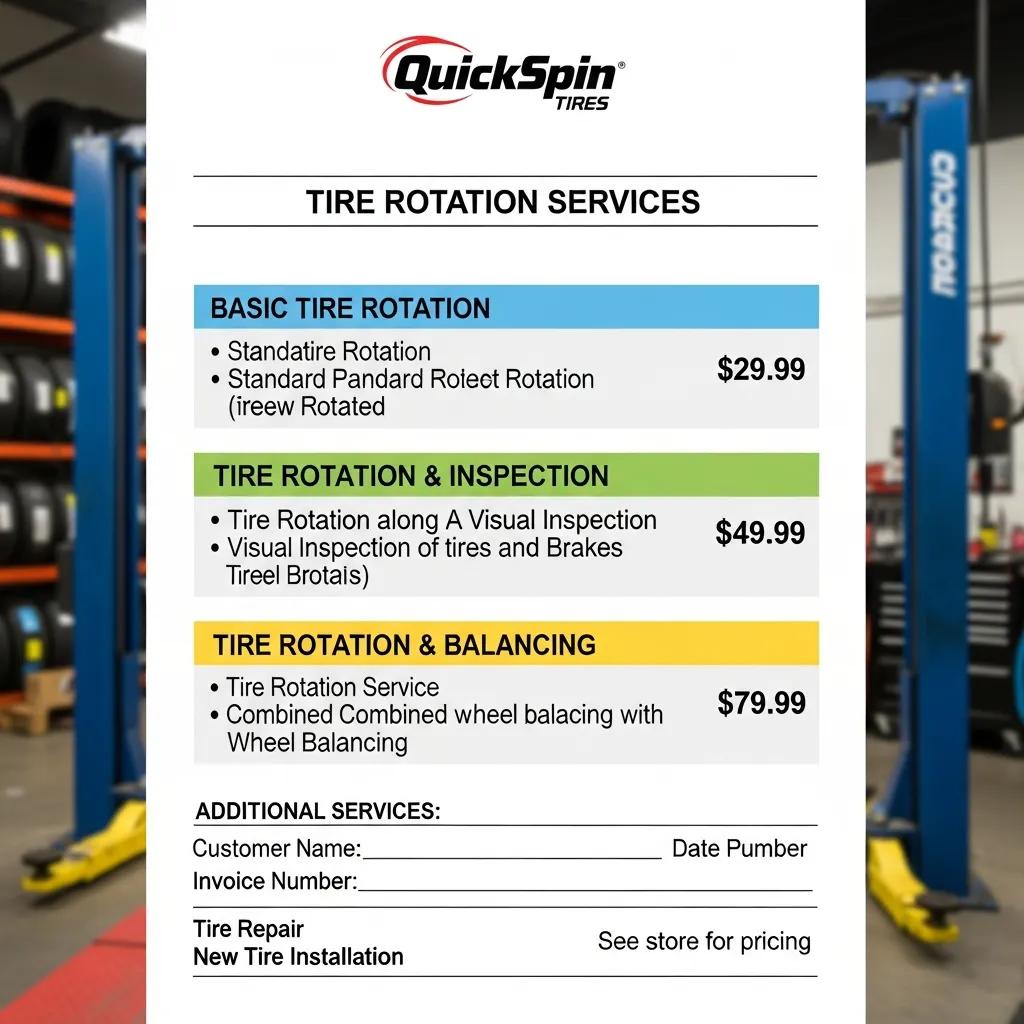
Rotation pricing varies by location, vehicle type, and whether you add balancing or a multi-point inspection. Standalone rotations are typically affordable given the preventive value, but costs rise when shops include balancing, detailed inspections, or extra steps like TPMS reprogramming. Tire size, wheel access on luxury vehicles, and the need to balance premium tires also affect price. Considering the long-term savings from delayed replacements and improved fuel economy, rotation is generally a cost-effective maintenance item.
| Service Component | Typical Price Range | Notes |
|---|---|---|
| Tire Rotation (basic) | $20–$50 | Includes repositioning and lug nut torque check |
| Rotation + Inspection | $30–$70 | Adds visual inspection for wear, inflation, and damage |
| Rotation + Balancing | $60–$120 | Balancing restores smoothness; recommended if vibration present |
What Is the Typical Price Range for Tire Rotation Services?
Basic rotations that reposition tires and verify lug-nut torque typically sit at the lower end of local price ranges. If you combine rotation with balancing and inspection, expect higher fees. Luxury, performance, or oversized wheels can increase labor and equipment needs, pushing costs up. Some shops bundle rotation with other routine services, like oil changes, for convenience and savings. Always confirm what’s included — pressure checks, documented inspection, or warranty paperwork — so you’re comparing apples to apples when you get quotes.
- Common inclusions: visual tread inspection, tire pressure check, lug-nut torque verification, and advice on alignment or replacement needs.
- When costs rise: balancing, specialty wheels, or electronic sensor reinitialization.
- Value note: rotation with inspection often prevents bigger bills later by catching issues early.
Choosing a shop that documents inspections and follows OEM specs gives extra confidence in safety and warranty compliance — which is why many owners prefer certified providers for rotation and related maintenance.
Are There Cost Benefits to Regular Tire Rotation Compared to Premature Tire Replacement?
Yes. Regular rotation evens wear so you replace the entire set less often, delivering a clear cost advantage over repeatedly replacing individual tires early. For example, spending $50 on rotation twice a year ($100) can delay a full set replacement by thousands of miles — lowering the per-mile cost of tire ownership. Rotations that include inspections also reveal alignment or suspension issues early, preventing accelerated wear that leads to premature replacement. Keeping documented rotation records can preserve warranty coverage and avoid out-of-pocket costs that warranties might otherwise deny. Small, regular investments in rotation add up to meaningful long-term savings.
If you’re ready to schedule a rotation or inspection, Prime Time Collision in Glendale, CA offers OEM-minded technicians and documented inspections that support warranty and insurance needs. Their I-CAR Platinum-aligned practices and quality checks help ensure rotations follow manufacturer guidance and that any repair recommendations are clearly recorded. Making rotation part of your annual maintenance with a trusted provider centralizes service and supports long-term safety and value.
Why Choose Prime Time Collision Center for Your Tire Rotation Needs?
Prime Time Collision in Glendale, CA is a local auto body and collision repair shop that emphasizes OEM-quality repairs, smooth insurance handling, and building trust through documented work and skilled technicians. With I-CAR Platinum-trained staff, the shop follows manufacturer procedures, uses calibrated tools, and keeps thorough inspection records for every maintenance task. If you want tire rotations done to OEM specs and included in a post-repair safety check, a shop that blends collision expertise with routine maintenance provides added assurance. That continuity helps protect warranties and keeps vehicle performance consistent.
How Do I-CAR Platinum Certified Technicians Ensure Quality Tire Maintenance?
I-CAR Platinum certification reflects advanced technician training in industry-recommended practices. For tire maintenance that means technicians follow OEM torque specs, perform documented inspections, and use calibrated equipment. They’re trained to spot wear patterns tied to alignment or suspension problems and to record findings useful for warranty or insurance claims. Typical quality steps include a pre-rotation inspection, measured tread-depth checks, and a post-service report with recommended next steps. Expect clear explanations of findings and transparent repair reasoning when a certified technician handles your rotation.
How Does Tire Rotation at Prime Time Collision Center Support OEM Certified Repairs and Vehicle Safety?
When rotations are handled with OEM standards in mind, they become part of a wider safety and warranty-preserving strategy: documented inspections, alignment checks when needed, and calibrated reinstallation practices. After collision repair, including a tire rotation and inspection in the return-to-service process helps confirm handling and traction meet expected levels. Documentation from the rotation supports insurance and maintenance records, which is useful if warranty or post-repair questions arise. Drivers who want traceable, manufacturer-aligned maintenance will find value in keeping rotations on file as part of their vehicle’s service history.
Frequently Asked Questions
1. What are the signs that indicate my tires need rotation?
Look for uneven tread wear, noticeable vibrations while driving, or the vehicle pulling to one side. Uneven patterns — like feathering or one tire that’s clearly shallower — mean rotation or inspection is due. Addressing those signs quickly helps prevent further damage and keeps your car safer on the road.
2. Can I rotate my tires myself, or should I go to a professional?
You can rotate tires yourself if you have the right tools and experience, but a professional visit is often a better choice. Technicians can spot underlying problems (alignment, worn suspension parts) during the service and ensure tires are balanced and torqued to spec. If you’re uncertain about the process or lack the tools, have a certified technician handle it.
3. How does tire rotation affect fuel efficiency?
Even tread wear helps reduce rolling resistance, which can slightly improve fuel economy over the life of the tires. When tires wear unevenly, the engine works harder to overcome extra drag. Regular rotation keeps tread balanced and helps your car run more efficiently.
4. Are there specific tools I need for tire rotation?
If you plan a DIY rotation, you’ll need a jack, jack stands, a lug wrench, and a torque wrench for proper tightening. A tread depth gauge is helpful for assessing wear. If you don’t have the tools or experience, it’s safer and often more effective to let a professional perform the service.
5. How does tire rotation relate to vehicle warranty compliance?
Many tire warranties require regular rotation as part of their terms. Skipping recommended rotations can accelerate wear and may void warranty coverage. Keeping documented records of professional rotations helps prove you followed the manufacturer’s maintenance schedule if you need to make a claim.
6. What should I expect during a professional tire rotation service?
Technicians will inspect tires for uneven wear, check pressures, and assess suspension components. They’ll reposition the tires according to the correct pattern for your vehicle, torque lug nuts to spec, and often provide a brief report on findings and recommended follow-ups. The thorough approach helps maintain safety and performance.
7. How can I integrate tire rotation into my regular maintenance schedule?
Align rotations with other routine services — oil changes are a common match — typically every 5,000 to 7,500 miles. Set calendar reminders and consult your owner’s manual for vehicle-specific guidance. Sticking to a plan keeps tire maintenance consistent and easy to manage.
Conclusion
Regular tire rotation is a small, practical step that delivers real benefits: longer tire life, better safety, and a smoother, more efficient drive. Keeping tread wear even preserves fuel economy and helps maintain warranty eligibility. Make rotations a regular part of your maintenance routine — and if you want it done to OEM standards, contact Prime Time Collision in Glendale, CA to schedule a professional tire rotation and inspection.