

Seatbelts Save Lives: Proper Use and Certified Repairs That Keep You Safe
A high-speed collision can throw an unrestrained person forward with tremendous force in a matter of seconds, causing injuries that change lives. Seatbelt safety is about more than just clicking in — it’s consistent use, a correct fit, and thorough post-crash repairs so the restraint system can do its job. This guide explains how seatbelts and their components reduce harm, presents authoritative statistics on fatality reduction, and explains why OEM-certified repairs and trained technicians are critical after a crash. You’ll get clear explanations of restraint mechanics, the data behind the numbers, what certified repair preserves, a practical insurance-claim checklist, child-passenger tips, and how ADAS and airbag systems depend on intact seatbelts. Our focus is practical — helping drivers, caregivers, and decision-makers restore and verify seatbelt safety after an incident.
How do seatbelts protect people in a crash?
Seatbelts control movement, spread crash forces across stronger parts of the body, and prevent secondary impacts or ejection. The basic physics is inertia: when a vehicle stops suddenly, the belt restrains forward momentum and spreads the energy across the pelvis and shoulder so vital areas see lower peak forces. Components — webbing, the retractor, anchor points, pretensioners, and load limiters — all work in milliseconds to manage deceleration and reduce injury from intrusion. Knowing how these parts work shows why correct installation and a post-crash inspection are essential for reliable protection.
Put simply, seatbelts do three practical things: they spread force across the pelvis and chest to limit localized trauma; keep occupants inside the vehicle’s survivable space to avoid hitting hard surfaces; and work with airbags and pretensioners so restraint timing is right. Those functions flow directly into a closer look at the hardware that makes them happen.
What mechanical parts make seatbelts effective?

Seatbelt performance combines physics with precision engineering that activates in fractions of a second. Inertia pushes occupants forward while the retractor and webbing stop motion; pretensioners take up slack almost instantly; and load limiters allow controlled webbing payout to reduce chest compression. When these parts function as intended, crash energy is absorbed by the vehicle and restraint system instead of being concentrated on the person. Crash tests consistently show lower peak forces on the torso and head when the entire system operates correctly, which means fewer severe injuries.
Because these parts rely on tight tolerances and calibrated activation thresholds, any visible damage, frayed webbing, or prior pretensioner deployment calls for a detailed inspection. That inspection checks anchor integrity, retractor operation, and sensor diagnostics to confirm pretensioner readiness — all steps that affect how a system will perform in a future crash.
What types of seatbelt systems improve protection?
Most modern cars use three-point belts as the standard protection, but systems vary. You’ll see lap belts in some seats, two-point systems in certain older or specialty positions, integrated seatbelt-airbag modules, and advanced designs that pair pretensioners with load limiters to control energy transfer. Some seating positions — like rear-center — may have unique anchor designs or load paths. Manufacturers increasingly add sensors and control logic so pretensioners and airbags coordinate timing and force based on crash severity.
Those differences explain why sticking to manufacturer repair procedures after a crash matters: the wrong parts or altered anchor geometry can change system response. Next we’ll look at the data showing how much seatbelts reduce injuries and deaths, and why those figures matter when making repair and policy decisions.
What do the numbers say about seatbelts and injury reduction?
Statistics make clear how effective seatbelts are and where usage gaps remain. Data from safety authorities show belted occupants have far lower rates of fatal and severe injury across vehicle types and crash scenarios. Reading those numbers helps prioritize enforcement, education, and thorough post-crash repairs so design performance is preserved.
The figures below summarize representative findings from recent authoritative analyses and highlight seatbelt benefits for front-seat occupants and drivers of light trucks. The table pulls together key metrics for quick reference.
| Metric | Description | Representative Value |
|---|---|---|
| Fatality reduction (front-seat occupants) | Percent decrease in fatalities when wearing seatbelts compared to unbelted occupants | ~45-60% reduction |
| Lives saved annually | Estimated number of lives saved by seatbelt use in the vehicle fleet | Over 10,000 annually (U.S. data) |
| Ejection risk | Increased likelihood of fatality when ejected from the vehicle | Ejection increases fatality risk by 4 to 8 times |
These numbers show seatbelts are among the most effective passive safety features — preventing ejection and distributing load are key to that benefit. From here, we’ll look at official reduction estimates and which groups remain most at risk.
How much do seatbelts reduce fatal injuries according to NHTSA?
National studies attribute large fatality reductions to seatbelt use. On average, consistent seatbelt use cuts the risk of fatal injury by roughly 45% for passenger vehicle occupants, and in some crash types that reduction reaches about 60%. Put together, these effects account for more than 10,000 lives saved each year in the U.S. alone. These are conservative, real-world estimates across vehicle types and crash severities.
Keep in mind that these percentages come from broad datasets; individual outcomes still depend on crash forces, how well the belt fits, and whether airbags and pretensioners function correctly. That’s why accurate repairs and verification after a crash are so important.
Who is most at risk when seatbelts aren’t used?
Certain groups consistently show lower belt use and higher fatality rates: young adults (particularly males), nighttime drivers, and occupants in rural areas are overrepresented in unbelted fatalities. Risky behaviors — impairment, distraction, or incorrect belt fit (for example, the shoulder belt behind the back or a lap belt riding up) — raise the chances of serious injury.
Reducing these risks requires targeted outreach, consistent enforcement, and reliable post-crash repairs so people who do buckle up are actually protected. With that context, we’ll explain why OEM-aligned collision repair matters to restore seatbelt safety.
Why is OEM-certified collision repair critical after an accident?
Fixing seatbelt safety after a crash means following manufacturer procedures, using the correct parts, and relying on trained technicians so the restraint system will behave as designed in future events. OEM repair instructions include torque values, structural alignment steps, sensor recalibration, and part traceability — all meant to preserve original safety intent. Deviating from those procedures can change activation timing or load paths and reduce protection. Vehicle safety systems work as integrated ensembles, so altering one component can change how the whole system behaves.
The table below highlights practical differences between OEM-certified repairs and non-OEM or uncertified approaches.
| Repair Aspect | Characteristic | OEM Repair (Yes) | Non-OEM/Uncertified Repair (No) |
|---|---|---|---|
| Parts used | Authentic replacement components | Genuine OEM parts and part numbers | Aftermarket or mismatched components |
| Procedures followed | Manufacturer repair manuals and torque specs | Manufacturer-aligned workflow | Ad-hoc or generalized procedures |
| Technician training | Recognized training and documentation | I-CAR or manufacturer training often required | Variable or no documented training |
| Warranty & resale | Repair documentation and warranty support | Documented warranty and better resale transparency | Limited warranty, resale questions |
Keeping repair work aligned with the manufacturer preserves how the restraint system was engineered to perform, and proper documentation protects future owners and insurers. Below we outline the technical steps a certified repair includes.
How do OEM-certified repairs restore seatbelt function?
Certified repair starts with a full diagnostic inspection: anchor checks, sensor tests, pretensioner status, and webbing condition. Deployed modules are replaced with genuine parts and installed to factory specifications. Technicians use factory torque values, calibrated tools, and exact mounting points so load paths and geometry match the original design. After repair, technicians run system scans, SRS readiness checks, and document parts and procedures for warranty and insurance. This sequence — diagnosis, genuine replacement, calibrated installation, and validation — is what returns the vehicle to its intended safety performance.
Detailed repair documentation also supports insurance claims and future vehicle value, which is why many safety-minded shops follow OEM procedures and traceable parts. That emphasis on trained personnel connects directly to advanced technician certifications.
What does I-CAR Platinum certification bring to safety repairs?
I-CAR Platinum certification signals ongoing training and verified skill in modern collision repair, including complex restraint systems and ADAS calibration. Platinum technicians know how to read manufacturer procedures, take precise measurements, and perform sensor calibrations so airbags and pretensioners interact correctly. The practical result: lower risk that a repaired vehicle will act unpredictably in a later crash because validated methods were used and records kept. That expertise gives owners and insurers confidence that safety-critical systems were handled by qualified professionals.
Because skilled technicians are only one part of the process, many collision centers also help drivers through claims and recovery — services we describe next.
How can drivers navigate insurance claims for seatbelt and safety repairs?
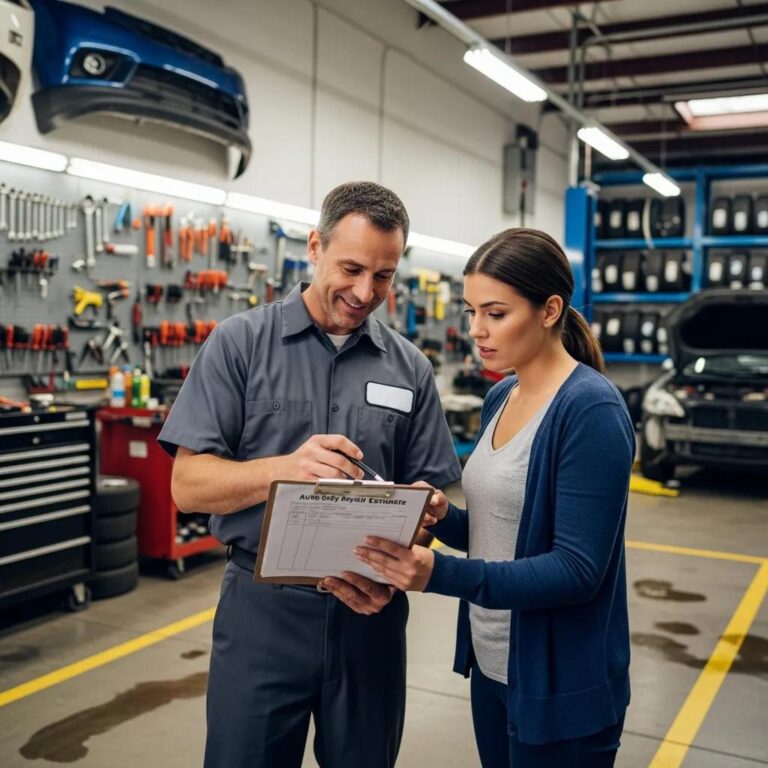
Handling insurance claims for safety-critical repairs means organized documentation, timely estimates, and clear communication with the adjuster to justify OEM parts and calibrated procedures. Drivers should gather scene evidence, get professional estimates that itemize safety-system needs, and request written confirmation that manufacturer procedures will be followed. Being proactive reduces disputes and helps ensure insurers authorize safety repairs instead of cosmetic shortcuts. The checklist below covers practical first steps when filing a claim.
- Gather immediate evidence: photograph vehicle damage, seatbelt condition, and any injuries if it’s safe to do so.
- Obtain the police report and medical records that document injury patterns tied to restraint loading.
- Request a detailed repair estimate from a shop that lists OEM procedures, parts, and required calibrations.
- Submit your evidence and estimate to your insurer and request approval for OEM parts and certified technician labor when needed.
Following these steps creates a clear record for the claim and reduces common insurer pushback. Next is a closer look at the documents insurers typically need.
What documentation do insurers usually require for seatbelt repairs?
Insurers generally want a combination of scene evidence, official reports, and technical estimates before approving seatbelt and SRS repairs. Essential items include the police or incident report, clear photos of damage and restraint components, medical notes if injuries occurred, and a written repair estimate that lists parts (including pretensioners/modules) and ADAS or sensor calibration. Including manufacturer repair references in the estimate strengthens the case for OEM parts and certified labor. Compiling everything in one organized submission helps adjusters evaluate safety needs rather than defaulting to minimal cosmetic fixes.
Having this evidence ready also speeds post-approval steps, such as towing, ordering parts, and scheduling calibrations — services many repair centers provide to simplify the process.
How does Prime Time Collision Center help with insurance and safety repairs?
Prime Time Collision Center guides drivers through the insurance and repair process with free estimates, direct communication with adjusters, and 24/7 towing when immediate recovery is required. We prioritize factory-quality repairs using OEM procedures and I-CAR Platinum-certified technicians to restore seatbelt systems and other safety features to manufacturer standards. By working with all major insurers and documenting repairs with clear parts traceability and validation, we help secure approvals for safety-critical replacements and calibrations. Our practical services — free estimates, adjuster liaison, around-the-clock towing, documented OEM repairs, and a lifetime warranty on workmanship — reduce friction in claims and give owners confidence that restored systems will perform as intended.
That support is especially important after significant impacts when multiple safety systems must be coordinated and validated, which leads into child passenger safety considerations.
What are the best practices for child passenger safety and seatbelt use?
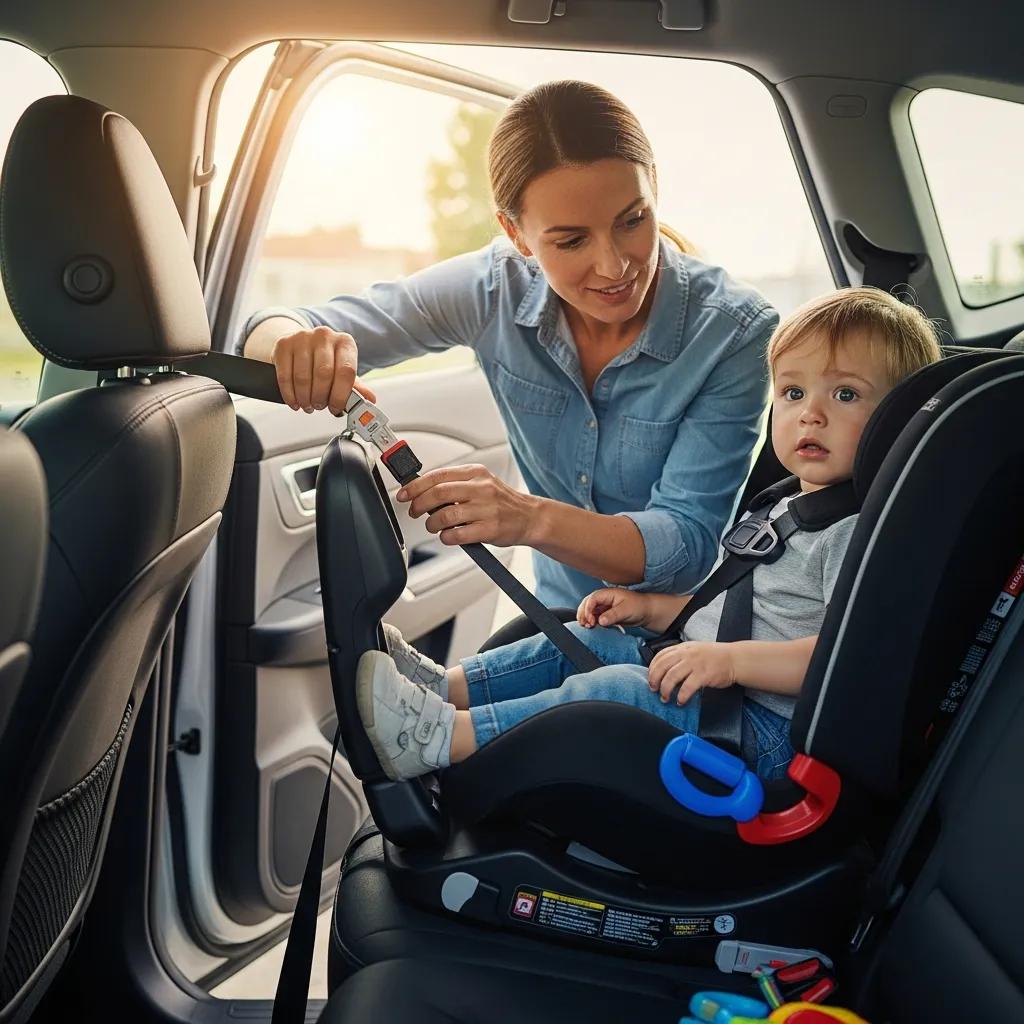
Protecting child passengers means choosing the right restraint for the child’s age, weight, and height, installing it correctly, and moving up at the right milestones. Rear-facing seats protect an infant’s neck and spine by distributing forces across the back, so keep infants and toddlers rear-facing as long as the car seat allows. As kids grow, move to forward-facing harness seats and later to boosters so the adult belt sits across the pelvis and shoulder. Always inspect car seats after a crash — even minor collisions can damage connectors or webbing.
The table below offers a simple age/size guide and the most important installation checks for caregivers.
| Child Age/Size | Recommended Restraint Type | Key Installation Checks |
|---|---|---|
| Infants (rear-facing limits) | Rear-facing car seat | Correct recline angle; harness snug at or below shoulders |
| Toddlers/Preschool | Forward-facing seat with harness | Tether anchored; harness chest clip at armpit level |
| School-age/Booster | High-back or backless booster | Seatbelt routing across shoulder and lap; no belt behind back |
| Older children | Seatbelt only when fit is correct | Knee bend at seat edge; shoulder belt across mid-chest |
- Confirm harness tightness: you shouldn’t be able to pinch excess webbing at the shoulder.
- Place the chest clip at armpit level to reduce the risk of sliding under the belt (submarining).
- Check anchor points and tethers for secure attachment and visible corrosion or damage.
Those routine checks reduce the chance that a small installation error becomes a major injury factor and lead into why restraints protect children biomechanically.
Which car seats and boosters are best for different ages?
Choose a car seat that fits the child’s current height and weight, not just age. Keep infants and small toddlers rear-facing until they reach the seat’s rear-facing limit — that position offers the best protection for head, neck, and spine. Forward-facing harness seats with top tethers reduce head excursion for older toddlers, and boosters position the adult belt across the pelvis and chest. If you’re unsure about installation or if a seat has been in a crash, get a professional inspection — even minor impacts can affect anchors or webbing.
These fit and placement rules tie back to the mechanical protection explained earlier and underline why checking a seat after impact is essential before reuse.
How do properly fitted restraints protect children?
Children are biomechanically different from adults — proportionally larger heads, developing spines, and lower body mass change how forces affect them — so restraints must control motion and spread load. A snug harness spreads forces over the shoulders and pelvis, limiting forward head movement and neck loads. A booster ensures the adult belt contacts bony structures instead of soft abdomen or neck. Correct installation also lets the vehicle’s energy-management zones and child restraint anchor points work together in a crash. Because small changes in belt geometry can matter more for children, always verify seat condition and fit after any collision.
How do advanced safety features work with seatbelts?
ADAS, airbags, pretensioners, and load limiters form a coordinated safety system where timing and calibration determine how well everything works together. Pretensioners remove slack at crash onset, load limiters modulate chest force, and airbags provide rapid cushioning — all controlled by sensors and electronic units that must be correctly calibrated to function as intended. If sensor alignment or camera geometry changes after a collision, the system may misjudge severity or occupant position and give a suboptimal response. That’s why collision repair should include ADAS recalibration and SRS diagnostics to restore interoperable function among these systems.
Because these systems act as a semi-autonomous ensemble, repair workflows must cover sensor recalibration, control module checks, and pretensioner verification so timing and force balance remain consistent with the manufacturer’s design.
What do pretensioners and load limiters do in a crash?
Pretensioners and load limiters work together to manage motion and force exposure: pretensioners rapidly remove slack to limit forward travel, while load limiters allow controlled webbing payout to prevent excessive chest compression. Pretensioners usually fire in milliseconds using pyrotechnic or mechanical means when sensors detect rapid deceleration, getting the shoulder belt against the torso quickly. Load limiters then reduce peak force on the chest, lowering the risk of rib fractures and internal injury while the restraint system absorbs energy. Because these parts can deploy or be damaged in severe impacts, certified replacement and post-repair validation are essential to keep their protective roles intact.
Servicing or replacing these components without following manufacturer procedures can alter activation timing or energy absorption, which is why OEM guidance and documented technician competency matter after any deployment.
How do OEM repairs keep ADAS and airbags working correctly?
Keeping ADAS and airbag systems functional requires calibrated sensors, correct mounting geometry, and validated software states so control systems get accurate inputs and actuate restraints properly. OEM repair steps include camera and radar alignment, module communication checks, and SRS system scans that verify readiness. Using manufacturer tools and procedures ensures airbags deploy at the intended thresholds and pretensioners synchronize with occupant-position data from ADAS. Post-repair validation confirms the integrated safety network — seatbelts, airbags, and ADAS — will act together in a future event.
Given the technical complexity of these coordinated systems, insist on documented OEM-aligned repair and calibration so every safety feature operates as intended.
Frequently Asked Questions
What should I do if my seatbelt is damaged after an accident?
If your seatbelt shows any damage after a crash, have a certified technician inspect it right away. Fraying, cuts, or any sign of deployment can reduce effectiveness. A pro will evaluate whether the webbing, retractor, pretensioner, or anchors need replacement so the system meets safety standards for future use.
How can I ensure my child’s car seat is installed correctly?
Follow the car seat manufacturer’s instructions and your vehicle owner’s manual. The seat should move less than an inch side to side or front to back when properly secured. Harnesses should be snug and the chest clip at armpit level. If you want extra certainty, ask a certified technician or a car-seat inspection station to check the installation.
What are the signs that my seatbelt system needs inspection?
Look for visible webbing damage, belts that won’t retract or latch properly, or if an SRS warning light appears on the dash. If a pretensioner has fired during a crash, it must be replaced. Any of these signs mean you should have the system professionally evaluated.
How do I choose the right car seat for my child?
Choose a seat based on your child’s current weight and height limits, not just age. Keep them rear-facing as long as the seat allows; move to forward-facing harness seats when they outgrow rear-facing limits, then to a booster when the harness no longer fits. Always consult the car seat and vehicle manuals for specific guidance.
What is the role of advanced safety features alongside seatbelts?
Airbags, pretensioners, and ADAS work with seatbelts to reduce injury. Seatbelts restrain occupants while airbags cushion impact and ADAS can prepare systems for a crash. For these systems to work together, sensors and modules must be calibrated and intact — another reason certified repairs matter after a collision.
How can I find a certified collision repair center?
Look for shops that are OEM-certified and employ I-CAR Platinum technicians. Read reviews, ask your insurer for recommendations, and confirm the shop follows manufacturer procedures and provides documented repairs and warranty support. A reputable center will show you repair documentation and explain how they restore safety systems.
Conclusion
Seatbelts are a simple, proven way to reduce injury and save lives — but they only work when used correctly and repaired properly after a crash. Following OEM repair procedures, using genuine parts, and trusting certified technicians keeps restraint systems operating as designed. Protect yourself and your passengers: choose certified repairs and insist on documented work. If you need help or an estimate, Prime Time Collision Center is ready to assist — we’ll get you back on the road with safety restored.