

Why Regular Car Servicing Matters: Safety, Performance, Schedules, and How to Make Your Vehicle Last
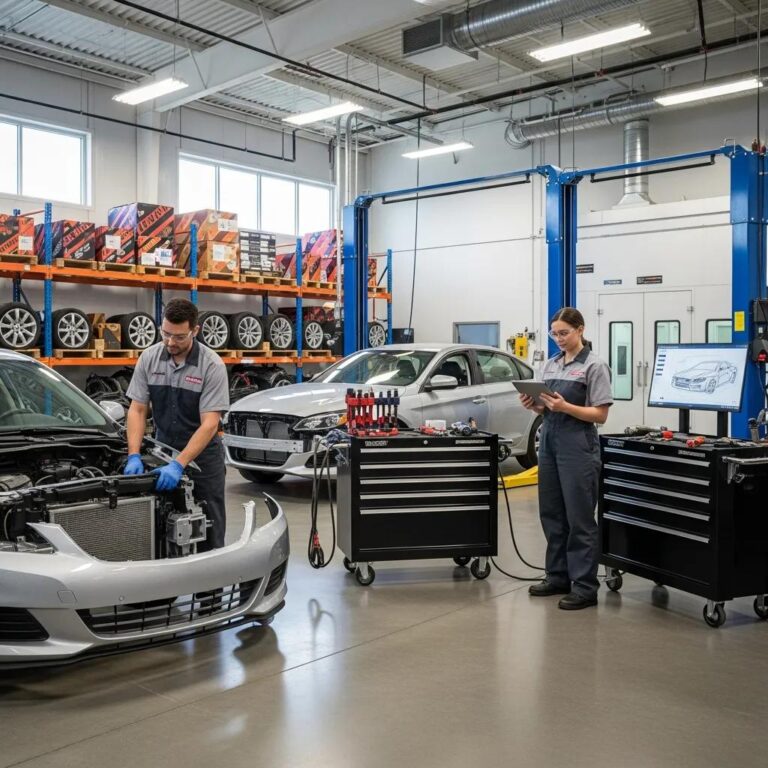
Regular car servicing is the routine of inspecting, repairing, and replacing worn parts to keep a vehicle safe, reliable, and performing as it should. Routine checks spot wear early, top up or replace fluids, and recalibrate systems so small issues don’t turn into roadside breakdowns or safety risks. For drivers — whether commuting daily or recovering from a collision — consistent maintenance improves fuel economy, keeps brakes and steering dependable, and creates a clean service history that helps resale value. This guide breaks down why servicing matters, the main benefits, practical checklists, OEM schedule advice, and simple steps you can take to extend your car’s life. You’ll find clear intervals for oil changes, tire rotations, brake checks, and when to bring the car to a pro, plus local tips for Glendale and nearby communities so you can plan around traffic and climate. Read on to protect your vehicle, avoid expensive repairs, and keep your car safe on the road.
Prime Time Collision Center helps Glendale drivers with maintenance repairs and OEM-quality work after accidents or for regular upkeep. Our shop relies on I‑CAR Platinum technicians and factory‑quality, OEM‑certified repairs to restore vehicles to their intended condition, and we work with all major insurance companies to simplify claims. We also provide 24/7 towing when needed and back our work with a lifetime warranty. If you want professional handling for post‑accident care or OEM‑level maintenance, use our Contact Us options to book an appointment or CALL NOW for immediate assistance.
Why Is Regular Car Maintenance Essential for Vehicle Safety and Performance?
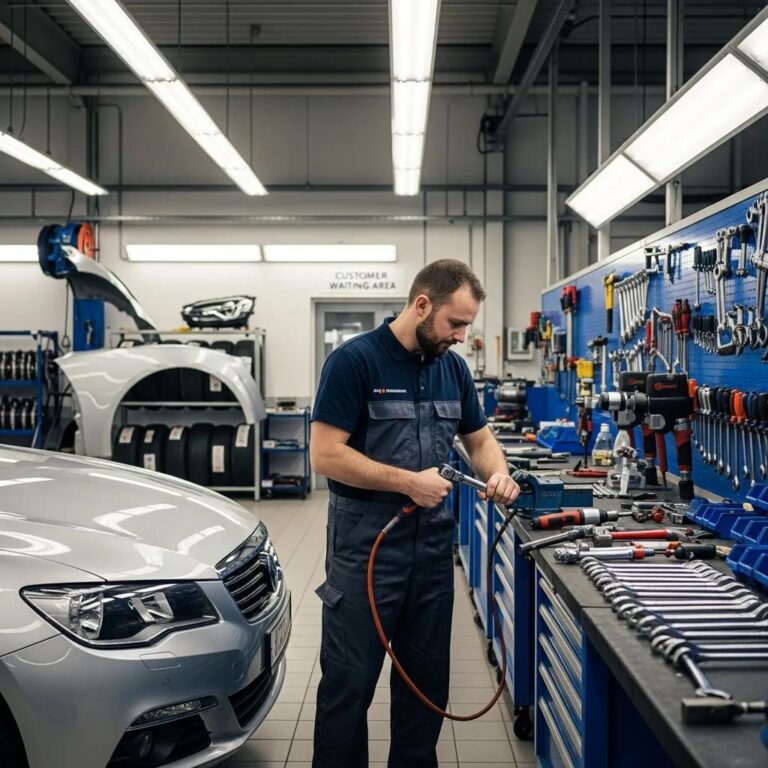
Regular maintenance keeps safety‑critical systems — like brakes, tires, steering, suspension, and the engine — working the way they were designed. By servicing these systems, you lower the chance of mechanical failures that can cause loss of control, sudden breakdowns, or accidents. Preventative care also preserves engine efficiency and responsiveness, so acceleration feels steady and fuel use stays predictable. For example, replacing worn brake pads before they damage rotors keeps stopping distances consistent and avoids larger repair bills. Knowing how these checks protect your car makes it easier to prioritize routine service or hand the work to a trusted shop.
How Does Preventative Auto Care Enhance Vehicle Safety?
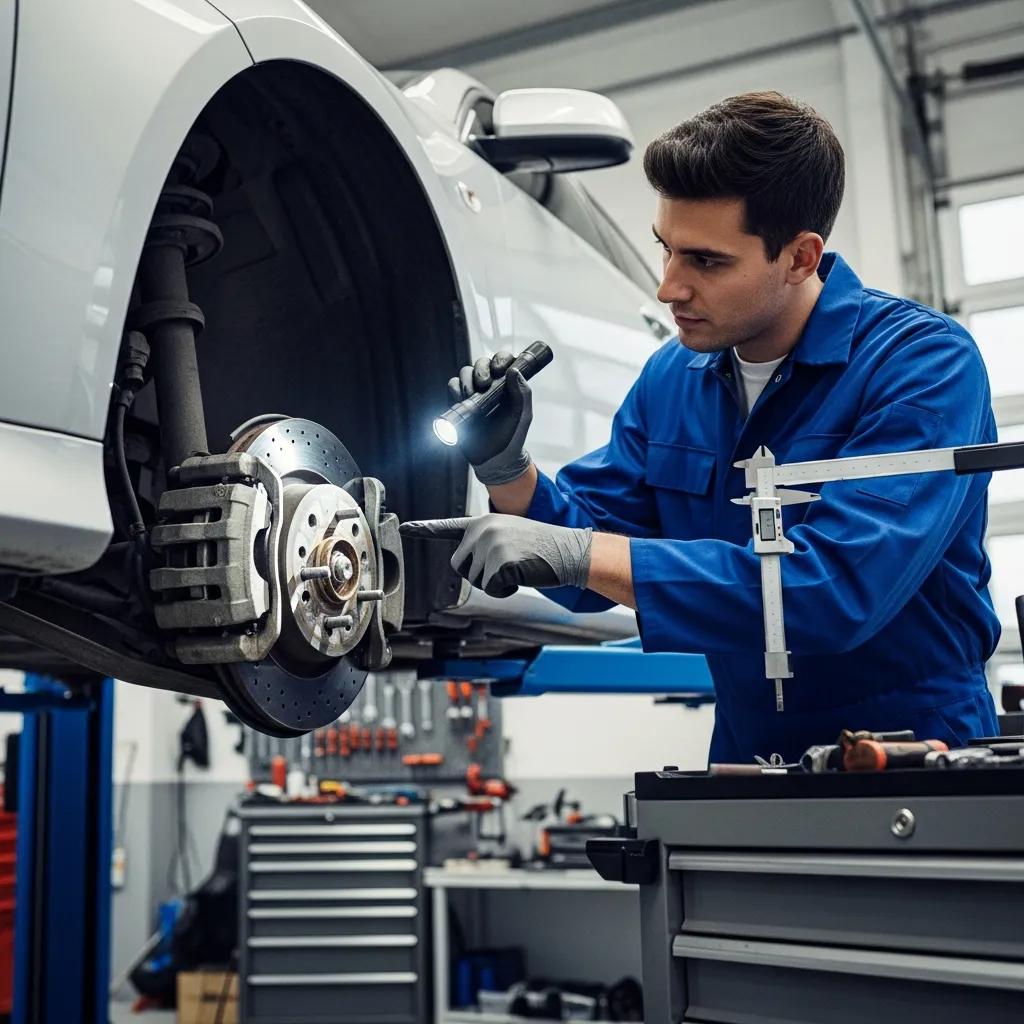
Preventative care improves safety by spotting deterioration in critical systems before it leads to failure. Focused checks — brake pad thickness, tire tread and pressure, steering play, and fluid levels — keep your stopping power and traction where they need to be. Replacing brake pads or fluid per recommendations prevents pedal fade under stress, while proper tire care maintains grip in wet or slick conditions. Routine inspections of steering and suspension stop worn components from causing unpredictable handling. Certified technicians document these checks and fix only what’s needed, which not only improves immediate safety but also builds a service record that supports long‑term reliability.
What Are the Key Maintenance Tasks That Improve Car Performance?
The maintenance tasks that most directly affect performance focus on airflow, lubrication, and drivetrain alignment. Regular oil and filter changes protect engine lubrication, reduce friction, and help preserve horsepower and compression. Replacing the engine air filter and servicing spark plugs improves combustion, which reduces rough idling and sharpens throttle response. Tire rotations and wheel alignments even out wear, improving handling and lowering rolling resistance so your car uses less fuel. When these jobs happen on a reliable schedule, the vehicle stays responsive and less likely to suffer performance‑related breakdowns.
What Are the Top Benefits of Regular Car Servicing?
Routine servicing delivers clear benefits across safety, running costs, and long‑term value. Proper maintenance lowers accident risk by keeping brakes and steering in good shape, improves fuel economy through correct tire pressure and clean filters, and extends the vehicle’s usable life by preventing small problems from cascading into major repairs. Over time these benefits add up: consistent servicing reduces lifetime repair costs and enhances resale value because a documented history shows the car was cared for. The table below summarizes what to expect when maintenance is a priority.
| Benefit Category | What Is Maintained | Practical Value |
|---|---|---|
| Safety | Brakes, tires, suspension, steering | Lower accident risk and dependable stopping performance |
| Fuel efficiency | Tire pressure, engine air filter, oil condition | Better mpg and reduced fuel costs over time |
| Cost savings & longevity | Early repairs, fluid changes, filter replacements | Fewer major repairs and stronger resale value |
Those benefits show why a disciplined maintenance plan is an investment in safety, fuel savings, and asset value. Next are the practical actions to include in your routine.
Regular car servicing provides distinct advantages:
- Improved Safety: Timely inspections and repairs keep braking and handling reliable.
- Lower Operating Costs: Better fuel economy and fewer emergencies lower total ownership expenses.
- Extended Vehicle Life: Preventing component failure keeps the car on the road longer.
Together, these outcomes make routine inspections and scheduled services well worth the time.
How Does Routine Maintenance Maximize Fuel Efficiency and Reduce Costs?
Routine maintenance helps fuel economy by making sure systems that affect combustion and rolling resistance are working efficiently. Proper tire inflation and alignment cut drag, while clean air filters and fresh oil support better combustion and temperature control. In typical cases, attentive maintenance can yield conservative mpg gains of 3–10% depending on the car’s starting condition. Regular service also prevents efficiency losses from fouled injectors or worn spark plugs. For complex issues — or after an accident — professional diagnostics can uncover hidden causes like sensor faults or alignment problems that DIY checks might miss.
In What Ways Does Maintenance Extend Vehicle Lifespan and Preserve Resale Value?
Maintenance lengthens vehicle life by preventing small problems from damaging nearby systems. A small cooling leak left unattended can cause overheating and expensive engine damage; similarly, untreated oil leaks can lead to lubrication failures. Keeping up with OEM‑recommended parts and services, and documenting each repair, reassures future buyers and can improve trade‑in or sale value. A consistent service history signals responsible ownership and helps preserve the car’s market value.
How Can Vehicle Owners Follow an Effective Car Maintenance Checklist?

A useful maintenance checklist focuses on key components, sets clear intervals, and distinguishes between DIY checks and items that need shop equipment or expertise. Your checklist should include oil and filter changes, tire rotations, brake inspections, fluid checks, battery tests, and air filter replacements — plus post‑trip or post‑accident inspections when relevant. Learn warning signs like unusual noises, pedal changes, leaks, or dashboard alerts and act quickly to stop cascading failures. For jobs that require calibration or specialized tools — alignment, rotor resurfacing, ADAS recalibration after a collision, or transmission service — schedule work with a qualified shop to preserve OEM specs and get accurate diagnostics.
Essential maintenance items to include in a compact checklist are:
- Oil & Filter: Change on the recommended schedule to protect the engine.
- Tires: Rotate and check tread depth and pressure regularly.
- Brakes: Inspect pads, rotors, and fluid for wear and contamination.
- Fluids & Filters: Check coolant, transmission and brake fluids, plus cabin and engine filters.
- Battery & Electrical: Test charge and inspect terminals for corrosion.
These tasks are a practical starting point; when a job needs shop tools or post‑collision calibration, rely on certified technicians for the correct service.
Below is a quick‑reference table for typical component intervals and why each action matters.
| Component | Typical Interval | Why it Matters / Action |
|---|---|---|
| Engine oil & filter | 5,000–10,000 miles or per OEM | Preserves lubrication, prevents wear and overheating |
| Tire rotation | 5,000–7,500 miles | Promotes even wear and maintains handling |
| Brake inspection | Annually or by wear | Ensures stopping power and checks fluid condition |
| Air filter | 12,000–30,000 miles | Supports combustion efficiency and engine performance |
| Battery testing | Annually or before extremes | Prevents unexpected no‑starts and electrical issues |
Use these intervals as a baseline and follow the owner’s manual for OEM‑specific guidance. If you’ve been in a collision, schedule a post‑accident inspection promptly to confirm system integrity.
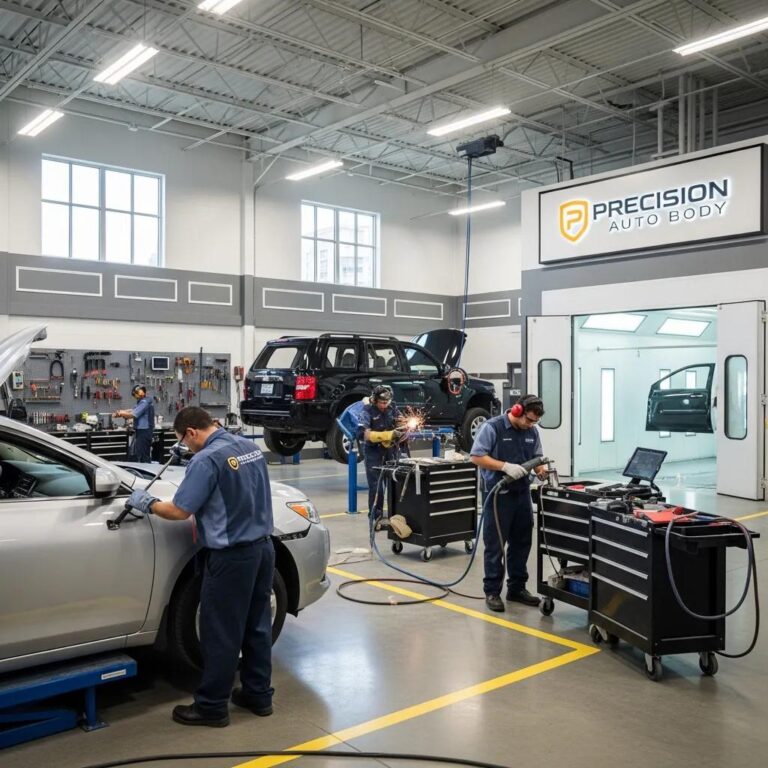
When professional service is needed, Prime Time Collision Center handles maintenance repairs using OEM‑quality methods and coordinates with insurers. Our I‑CAR Platinum technicians perform brake checks, alignments, and ADAS recalibrations after collisions to factory standards. To schedule maintenance repairs, use our Contact Us options or CALL NOW for immediate help.
Which Essential Maintenance Tasks Should Be Included in a Comprehensive Checklist?
A full checklist pairs routine services with inspection cues so you can maintain a steady care rhythm. Include oil and filter changes, tire rotations, brake pad and rotor checks, fluid flushes, air and cabin filter replacements, battery tests, belt and hose inspections, and alignment checks. Each item has a simple action: change oil at the OEM interval, rotate tires to even wear, and inspect brakes when pedal feel changes or at least every 12 months. Watch for dashboard warnings, uneven tire wear, or new noises — those are triggers to inspect and, if needed, bring the car to a shop.
How Often Should Key Components Like Oil, Tires, and Brakes Be Serviced?
Intervals depend on the vehicle and driving habits, but the ranges below give a practical baseline while stressing OEM guidance and adjustments for severe conditions. Oil changes commonly fall between 5,000 and 10,000 miles depending on oil type and driving severity; tire rotations are typically every 5,000–7,500 miles; and brake inspections should occur at least once a year or whenever wear indicators show. Severe service — heavy towing, frequent short trips, steep hills, or stop‑and‑go city driving — requires shortening these intervals and getting professional checks more often. Always follow the owner manual and tailor intervals to your driving and climate.
How Do Manufacturer Vehicle Service Schedules Guide Regular Maintenance?
Manufacturer service schedules set the baseline tasks and intervals recommended to keep the vehicle performing as designed and to protect warranty coverage. OEM schedules use both mileage and time triggers because some parts age even if miles are low. Follow OEM guidance for core services and only shorten intervals when driving conditions are classified as “severe” — heavy city driving, towing, or dusty environments — which demand more frequent attention. Sticking to OEM schedules helps maintain factory tolerances and supports warranty claims when services are properly documented.
What Are OEM Recommended Service Intervals and Their Importance?
OEM service intervals tell you when to perform specific services — oil and filter changes, transmission checks, timing‑belt replacement, and more — by miles or months to protect engineered tolerances. Following these intervals helps preserve emissions controls, engine health, and component longevity, and it supports warranty coverage when applicable. Keep the owner manual as your reference and make sure the facility records each service to create a verifiable maintenance history for insurance or resale.
| Service Type | Typical OEM Interval | Severe Conditions Adjustment |
|---|---|---|
| Oil & filter | 5,000–10,000 miles or per months | Shorten interval by 25–50% for heavy stop‑and‑go or towing |
| Brake inspection | Annual or by miles | Inspect more often in hilly or high‑traffic areas |
| Transmission service | 30,000–60,000 miles | Check fluid and performance sooner under heavy loads |
Following OEM intervals preserves the manufacturer’s intent for longevity and performance while allowing sensible adjustments for local driving realities.
How Do Driving Conditions Affect Your Vehicle’s Service Schedule?
Driving conditions change wear rates and should guide how you adjust service intervals. Stop‑and‑go city traffic, short trips, towing, and extreme temperatures are often labeled “severe” by manufacturers. Short runs that don’t let the engine fully heat up speed oil contamination and can require more frequent oil changes. Heavy traffic wears brakes and stresses transmissions, while hot climates increase cooling demands and tire pressure swings. Local drivers should inspect key systems more often and prioritize cooling, brakes, and battery checks to match real driving conditions.
What Preventative Auto Care Tips Help Extend Your Car’s Lifespan?
Preventative care combines regular inspections, quality replacement parts, and timely professional repairs to stop small problems from becoming major failures. Simple visual checks, scheduled fluid changes, and attention to warning signs catch issues early. Using quality parts and certified technicians ensures repairs restore factory performance instead of offering a quick, short‑term fix. Keep records of service to help future diagnostics and resale — a clear history adds value. The tips below are practical steps drivers can start using immediately.
Practical preventative behaviors include:
- Inspect regularly: Do quick monthly checks of tires, lights, and fluid levels.
- Address minor issues promptly: Fix leaks or odd noises before they grow into bigger problems.
- Use certified service for complex repairs: Trust trained technicians for ADAS calibration and drivetrain work.
Those habits reduce the chance of cascading failures, lower repair bills, and keep your car available when you need it.
How Do Regular Inspections and Prompt Repairs Prevent Major Issues?
Regular inspections catch small defects — worn belts, minor leaks, or loose mounts — before they damage other systems. Fixing a small coolant leak early, for example, avoids overheating that can warp heads and require costly engine repairs; changing a frayed belt prevents sudden breakdowns that leave you stranded. Aim for seasonal checks and a post‑accident assessment to verify alignment and system health. Documenting work and getting professional diagnoses helps prioritize repairs and avoids repeated labor costs, which supports long‑term reliability.
Why Is Using Quality Parts and Certified Technicians Crucial for Longevity?
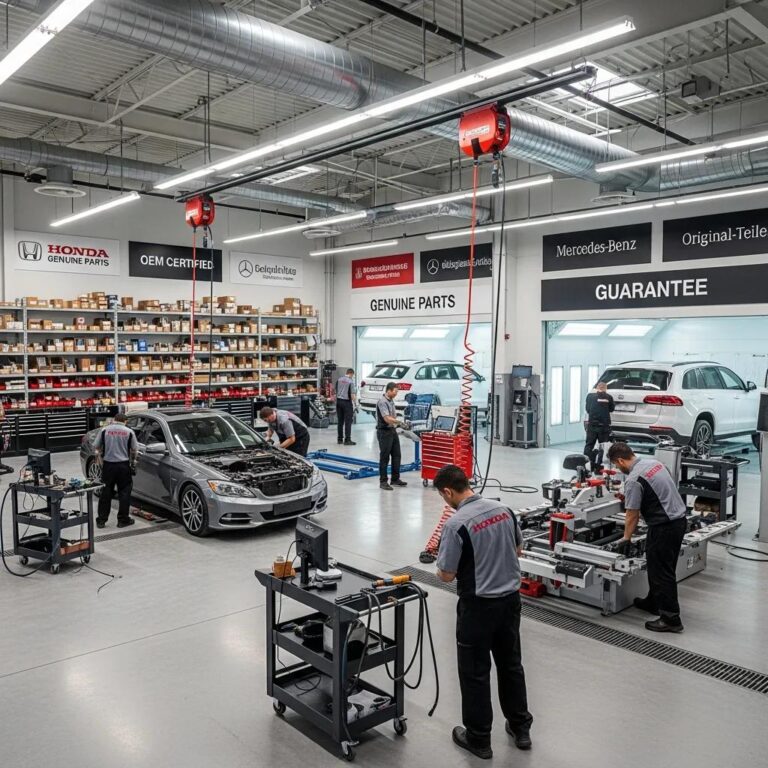
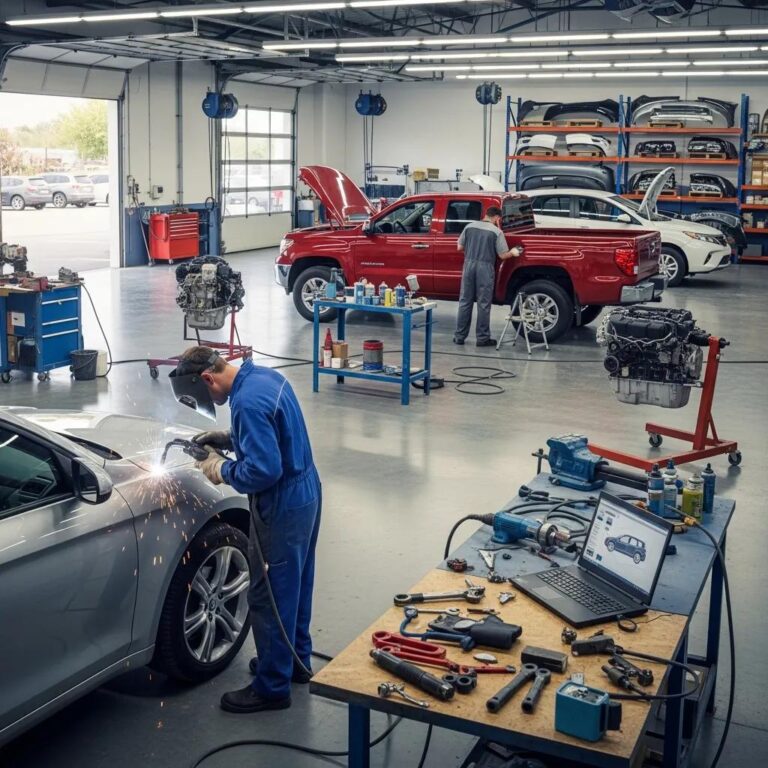
Quality parts and certified technicians matter because correct fit and repair methods preserve factory tolerances and safety. OEM or factory‑quality parts maintain specifications for critical components like rotors or suspension parts, reducing premature wear and ensuring safe operation. Certified techs — like I‑CAR Platinum professionals — use manufacturer procedures and calibration tools for ADAS and other sensitive systems after collisions, protecting vehicle integrity and simplifying insurance approval. Warranties on parts and workmanship also provide protection if problems appear after repairs.
Prime Time Collision Center focuses on factory‑quality, OEM‑certified repairs and I‑CAR Platinum technicians to make sure vehicles are restored correctly. We work with all major insurers to speed approvals and back our repairs with a lifetime warranty, highlighting the value of certified service for drivers who want long‑term vehicle health.
How Does Local Driving in Glendale and Surrounding Areas Impact Car Maintenance Needs?
Driving around Glendale and nearby Los Angeles communities shapes which maintenance tasks to prioritize. Heat, heavy traffic, and occasional wildfire smoke or coastal air can increase stress on certain systems. Stop‑and‑go traffic accelerates brake and transmission wear, while higher ambient temperatures put more load on cooling systems and create tire‑pressure variability. Dust, ash, or salt exposure means air filters and corrosion checks should happen more often. Planning maintenance around these local factors helps you avoid surprises and keeps the car running reliably.
What Seasonal Maintenance Should Glendale Drivers Prioritize?
Seasonal checks for Glendale drivers focus on cooling and HVAC in summer and battery and heating checks in cooler months, plus filter and corrosion work after wildfire or dusty conditions. In summer, inspect coolant condition, hoses, belts, and A/C performance to avoid overheating and keep the cabin comfortable. In cooler periods, test battery health and heater operation to prevent start‑up failures. After smoke or dust events, replace engine and cabin filters and check for corrosion under the car.
How Does Traffic and Climate Influence Preventative Auto Care Strategies?
Traffic patterns and climate shift the focus to systems under the most stress: brakes, transmission, cooling, and battery. Stop‑and‑go driving wears brakes faster and causes extra thermal cycles in transmissions, so get brake and transmission checks more often. Short trips and idling can hurt oil life and battery state, so monitor oil and battery health more frequently. Hot weather increases tire pressure swings and speeds coolant degradation, so check tire pressures and coolant condition regularly. If you notice performance changes, consult a professional promptly.
Prime Time Collision Center serves Glendale, Burbank, Pasadena, and greater Los Angeles with maintenance repairs tailored to these local needs. We offer I‑CAR Platinum technicians, factory‑quality OEM repairs, and coordination with major insurance companies. If you need professional maintenance after heavy local driving or a post‑accident inspection, use our Contact Us options or CALL NOW to schedule — our lifetime warranty and 24/7 towing give extra peace of mind.
Prime Time Collision Center supports Glendale‑area drivers with OEM‑quality maintenance repairs, I‑CAR Platinum Certified Technicians, coordination with all major insurance companies, 24/7 towing, and a lifetime warranty on repairs. To schedule maintenance repairs or book an appointment, use our Contact Us options or CALL NOW for immediate assistance and expert guidance.
Frequently Asked Questions
1. What should I do if I notice unusual noises or warning lights in my car?
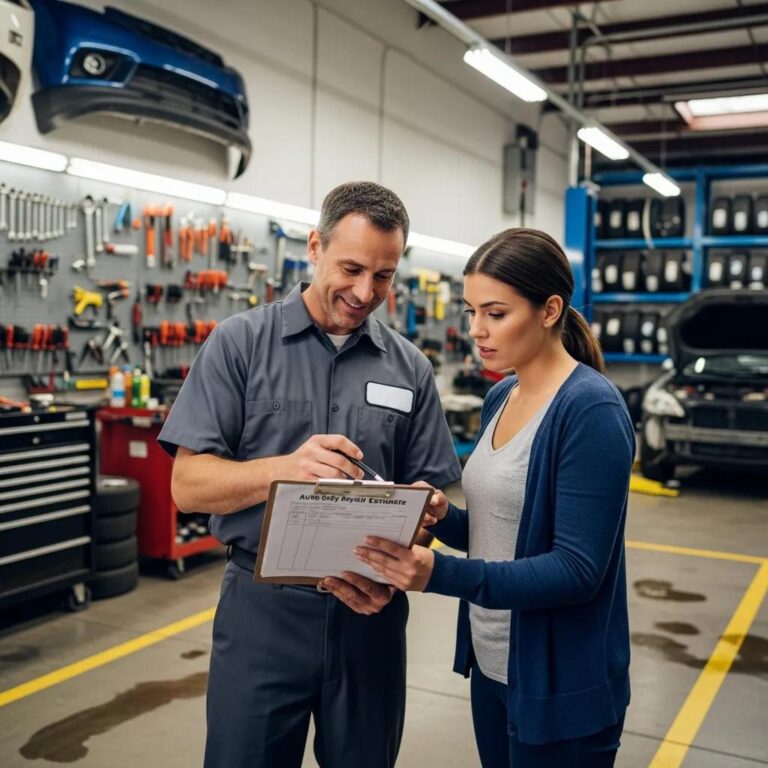
Address unusual noises or warning lights right away — they’re often early signs of problems. Check your owner’s manual to identify warning light meanings and try to note where a noise is coming from and when it happens. Then schedule an inspection with a certified technician to diagnose the issue and prevent a small problem from turning into a costly repair or safety hazard.
2. How can I tell if my car needs a brake inspection?
Look for squeaks or grinding when braking, a soft or spongy pedal, vibrations during braking, or the vehicle pulling to one side. Any of these signs mean you should get a brake inspection. Regular brake checks — at least annually or whenever you notice symptoms — help prevent more serious damage and keep you safe on the road.
3. Are there specific maintenance tasks for older vehicles?
Yes. Older cars generally need more frequent attention: oil changes and brake inspections should be kept up, fluid levels checked regularly, and belts and hoses inspected for cracking or fraying. Consider more frequent tire rotations and alignments to avoid uneven wear. Keeping detailed service records helps spot recurring issues and supports proactive care that extends the vehicle’s life.
4. How can I improve my vehicle’s fuel efficiency through maintenance?
To improve fuel efficiency, keep tires properly inflated, change oil and air filters on schedule, and ensure spark plugs and the ignition system are in good condition. Regular tune‑ups and fixing mechanical issues promptly will also help your car run more efficiently and save fuel over time.
5. What are the benefits of using OEM parts for repairs?
OEM parts are made for your specific vehicle and help maintain original performance and safety. They reduce the risk of compatibility problems and premature wear, support warranty coverage, and reassure buyers when you sell the car. Using OEM or factory‑quality parts helps protect your investment and keeps systems working as intended.
6. How does weather affect my car’s maintenance needs?
Weather plays a big role: hot climates demand more cooling system and tire pressure checks; cold weather can reduce battery performance and change tire pressure; rainy or snowy conditions increase the need for brake and tire attention. Adjust your maintenance schedule for seasonal conditions to avoid preventable issues.
7. What should I include in a seasonal maintenance checklist?
A seasonal checklist should match the season’s demands. In spring, check A/C and wipers. Summer calls for coolant and tire pressure checks. In fall, inspect the battery and heating system. Winter should focus on antifreeze levels and tire tread for traction. Updating your checklist each season keeps your car ready year‑round.
Conclusion
Regular car servicing protects safety, improves performance, and helps your vehicle last longer. Following a consistent maintenance schedule reduces accident risk, improves fuel efficiency, and preserves resale value. Adopt routine inspections and choose certified professionals for complex jobs to keep your car in top condition. For dependable maintenance and collision repairs done to OEM standards, schedule an appointment with Prime Time Collision Center today.