Extend Your Car’s Life & Value: Practical Maintenance and Post-Accident Care
Taking care of your vehicle’s mechanical health and repair history is the most reliable way to keep it running longer and protect resale value. This guide focuses on straightforward, high-impact actions you can start doing today: routine maintenance, smarter driving habits, priorities after a collision, insurance-claim tips, advice for luxury or leased cars, and how certified inspections reduce diminished value. You’ll find short how-to lists, clear checklists, and easy-to-scan tables to help you plan service quickly. The recommendations follow industry best practices and current standards so you can prioritize long-term durability and value — whether you drive a daily commuter or a specialty vehicle. For factory-capable repairs and help with insurance claims after an accident, Prime Time Collision is an I-CAR Platinum Certified collision repair shop serving Glendale, Burbank, Pasadena, and Los Angeles. We work with all major insurers and offer free 24/7 towing and estimates to simplify post-accident care.
What are the most effective preventative maintenance steps for longer vehicle life?
Preventative maintenance means scheduled checks and parts replacement that stop small issues from becoming major failures. Regular care for oil, coolant, brakes, tires and the electrical system keeps components working as designed and helps maintain performance and fuel economy. Below are the five highest-impact maintenance actions most likely to extend vehicle life and protect resale value. After that is a practical maintenance schedule you can use when booking service.
Top five preventative maintenance steps to prioritize:
- Keep up with oil and filter changes on the interval your manufacturer recommends to protect engine lubrication and limit wear.
- Rotate tires and monitor air pressure to encourage even tread wear and preserve fuel efficiency and handling.
- Inspect and service brakes on a regular basis to keep stopping power consistent and avoid rotor or caliper damage.
- Test battery health and the charging system to prevent unexpected failures and electrical problems.
- Flush and replace coolant and transmission fluid per manufacturer guidance to protect seals and internal parts.
Tracking these five services in a service log supports resale conversations and can lower diminished value after repairs or trade-in. The following sections give a bit more detail on oil and tire care and include a maintenance schedule to reference when planning visits.
Maintenance schedule (key services, intervals, and value):
| Service/Item | Recommended Interval | Benefit/Value |
|---|---|---|
| Engine oil & filter | Every 3,000–10,000 miles depending on oil type and manufacturer guidelines | Prevents engine wear and helps maintain compression and fuel economy |
| Coolant system flush | Every 2–5 years or per manufacturer | Reduces overheating risk and prevents corrosion in cooling passages |
| Brake inspection & pads | Inspect every 10,000 miles, replace pads 25,000–70,000 miles as needed | Keeps stopping performance safe and avoids costly rotor or caliper damage |
| Tire rotation & alignment | Rotate every 5,000–8,000 miles; alignment as needed | Ensures even tread wear, better handling, and stronger resale condition |
| Battery test & replacement | Test annually; replace every 3–5 years | Prevents no-start events and protects electrical components |
Use this schedule to plan services that have the biggest impact on longevity. Keeping documentation for each item also builds buyer confidence at resale.
How do regular oil changes and fluid checks extend vehicle life?
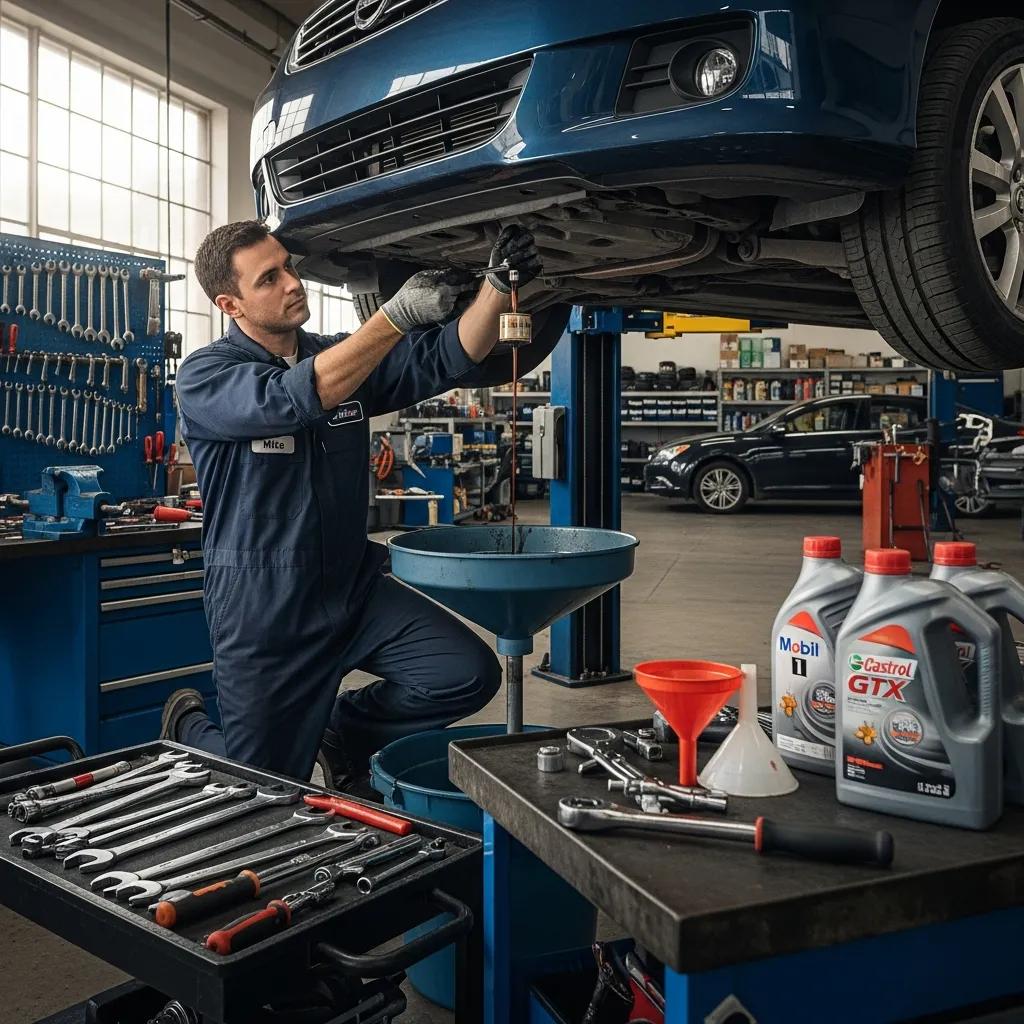
Engine oil lubricates moving parts, moves heat away, and holds contaminants in suspension — regular oil and filter changes prevent abrasive wear and sludge that shorten engine life. Transmission fluid, coolant, brake fluid and power steering fluid protect their respective systems from corrosion, overheating and seal degradation. Periodic checks and flushes keep tolerances where they should be and help avoid expensive component failures. Warning signs of neglected fluids include dark or burnt-smelling oil, overheating, spongy brakes or slipping gears. Follow manufacturer intervals and document each fluid service to reduce the chance of diminished value during resale or after repairs.
Why is tire care and rotation crucial for maintaining value?
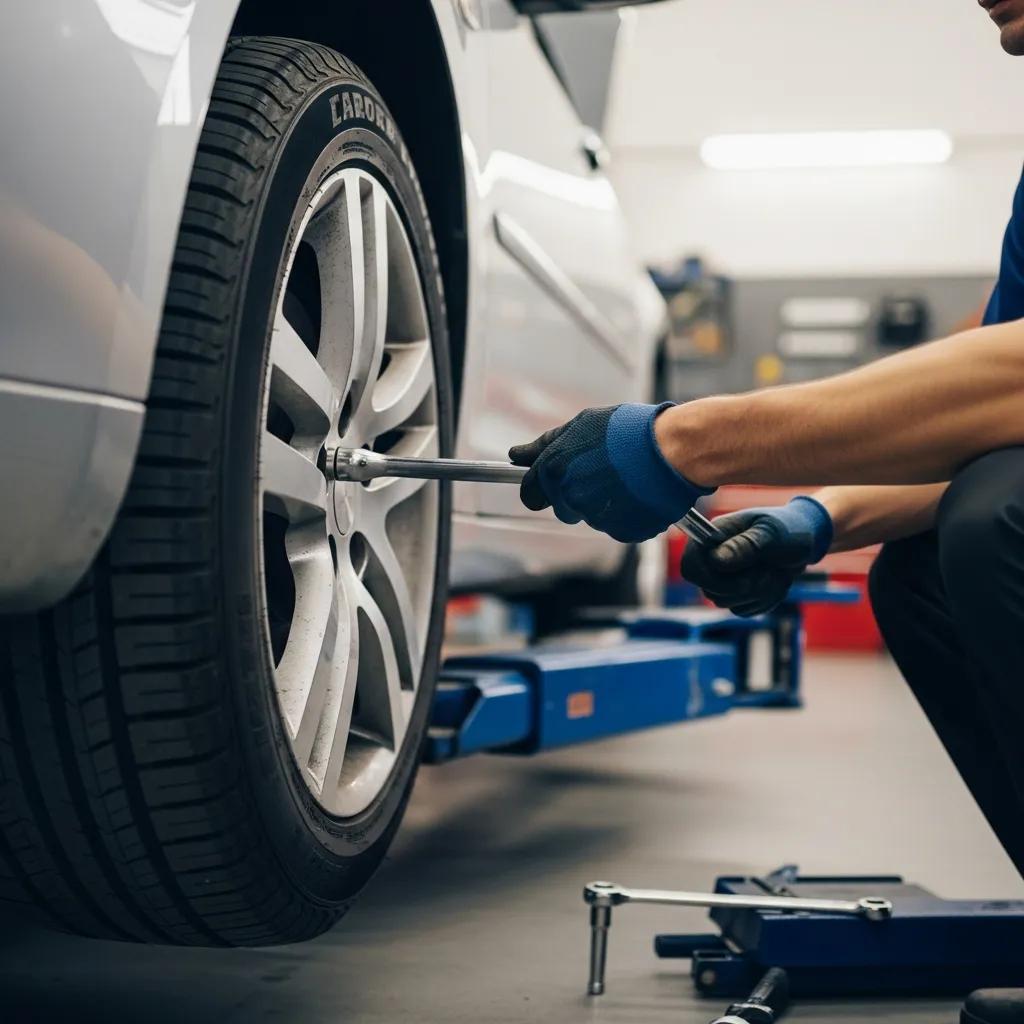
Tire care means proper inflation, routine rotation and alignment checks. These steps prevent uneven wear that harms handling and forces earlier replacement, and they protect fuel economy. Uneven wear can also signal alignment or suspension problems — issues that raise ownership costs and reduce perceived vehicle condition at resale. Regular rotation evens tread life across all positions and helps ensure any spare shows similar wear. When selling or returning a leased vehicle, consistent tread depth and a documented rotation history support higher appraisals and buyer trust.
How can driving habits affect your car’s lifespan and resale value?
Your driving style shapes how quickly parts wear out. Aggressive acceleration, hard braking and lots of idling increase wear on the drivetrain, brakes and cooling system — adding maintenance costs and lowering long-term value. Smoother acceleration, anticipating traffic and reducing short trips lessen thermal and mechanical stress and improve fuel economy. Below is a targeted list of driving habits that protect vehicle components, followed by short examples showing how small changes can produce real savings.
Driving behaviors that preserve vehicle integrity include:
- Accelerate gently and cruise steadily to reduce strain on the transmission and drivetrain.
- Anticipate stops and brake smoothly to extend pad and rotor life.
- Avoid many short trips that prevent full engine warm-up and encourage moisture buildup.
- Limit heavy loads and towing unless the vehicle is rated and properly serviced.
- Prefer steady highway speeds over constant stop-and-go city driving when possible.
These adjustments reduce component stress and can delay costly repairs, preserving both safety and the car’s presentation at resale. The next sections explain the mechanics behind those benefits.
What driving behaviors help preserve vehicle integrity?
Steering clear of harsh starts and stops lowers shock loads through the drivetrain, reducing fatigue on mounts, CV joints and brake hardware and cutting part-replacement frequency. In very cold weather, allow a short warm-up so oil circulates fully; modern engines need only brief idling but benefit from gentle driving until normal temperature. Remove unnecessary roof racks or cargo and stay within towing limits to avoid extra suspension and brake wear. Consistent habits like these result in fewer repairs and a cleaner service history buyers value.
How does smooth driving reduce wear and tear?
Smooth driving limits abrupt torque transfers that speed wear on the transmission, differential and axles, and it reduces heat buildup in brakes and the engine. A steady pace lowers fuel-wasting accelerations and helps maintain stable oil temperatures, which supports longer oil-change intervals and preserves seals. Over time, smoother driving means fewer replacements — brakes, tires and driveline parts — lowering ownership costs and keeping the vehicle in better shape for resale. Simple actions like using cruise control on highways, avoiding rapid lane changes and applying gradual throttle inputs add up.
What role do OEM-certified repairs play in protecting car value after an accident?
OEM-certified repairs follow manufacturer procedures, use factory-specified parts, and include required diagnostics and calibrations. That approach restores crashworthiness and system performance, which directly affects long-term safety and resale value. Choosing OEM-capable repairs lowers the risk of structural or electronic mismatches that cause premature failures and can reduce diminished-value impacts at resale. The table below compares common repair aspects between OEM-certified and generic approaches and shows the effect on safety and value.
| Repair Aspect | OEM Certified Approach | Impact on Safety & Resale Value |
|---|---|---|
| Parts | Use OEM parts specified by manufacturer | Preserves fit, finish and mechanical tolerances; improves resale perception |
| Structural alignment | Frame and unibody alignment to manufacturer specs | Restores crashworthiness and correct handling behavior |
| Diagnostics & calibrations | Perform manufacturer-recommended scans and sensor calibrations | Ensures ADAS and safety systems work properly |
| Documentation | Detailed repair records tied to OEM processes | Builds buyer confidence and lowers diminished value risk |
OEM-certified repairs aim to fully restore the vehicle to factory standards rather than offering quick cosmetic fixes. That difference shows up in safety performance and resale outcomes. The following sections explain the technical reasons OEM procedures matter and how a certified shop carries them out.
Why are OEM-certified repairs essential for safety and longevity?
Modern cars rely on sensors, connected safety systems and tight structural tolerances. OEM-certified repairs make sure those elements are returned to manufacturer specifications and re-calibrated so crashworthiness and system function are preserved. Diagnostic scans and ADAS calibrations must follow factory sequences to avoid drift that could affect safety or cause warranty issues later. Using OEM parts keeps original fit and fatigue characteristics, aiding long-term reliability and future inspections. Properly documented OEM repairs also help limit diminished value because they show the vehicle was restored to manufacturer intent.
How does Prime Time Collision ensure factory-quality repairs?
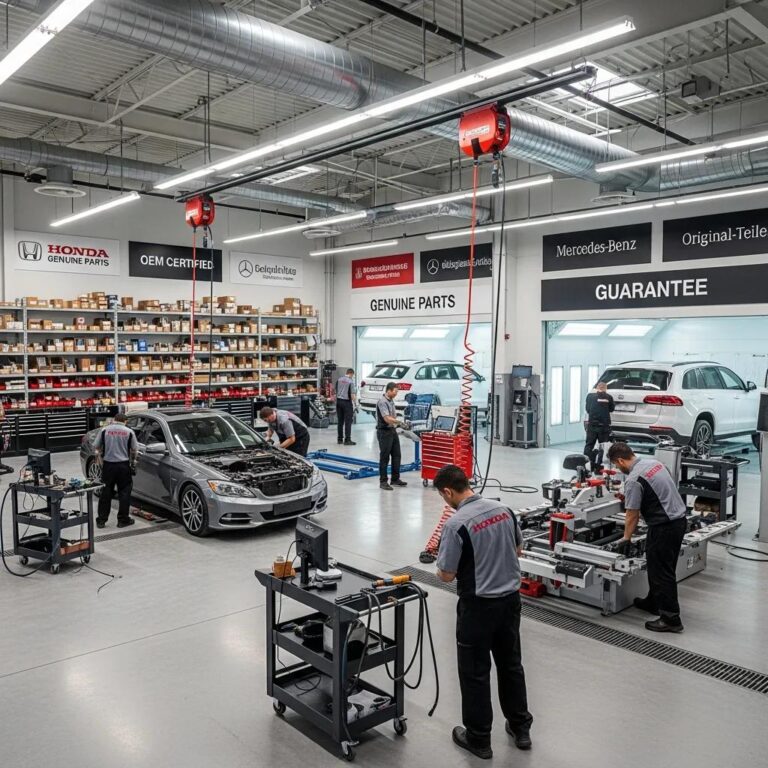
Prime Time Collision follows OEM repair processes, staffs trained technicians, and uses diagnostic and calibration steps aligned with manufacturer requirements. Our I-CAR Platinum recognition reflects ongoing technician training and industry-standard practices. Customers receive documented repairs, paintless dent options when appropriate, and help coordinating with insurers — all of which create a reliable repair history that protects resale value. If you need factory-capable service after an accident, contact Prime Time Collision for an estimate and repair plan that follows manufacturer guidance.
How can you navigate insurance claims to protect post-accident value?
Managing insurance claims the right way helps preserve value by ensuring repairs are recorded, OEM processes are used when needed, and all damage is accounted for. A step-by-step approach reduces the chance of incomplete repairs that hurt resale value. Start with safety at the scene, take clear photos, exchange information, then file your claim and ask for a detailed, line-item estimate. The checklist below guides you through the process during a stressful time.
Steps to handle an insurance claim effectively:
- Make sure everyone is safe and get medical help if needed. Document the scene with photos and witness details.
- File a claim promptly and submit photos and police reports when available.
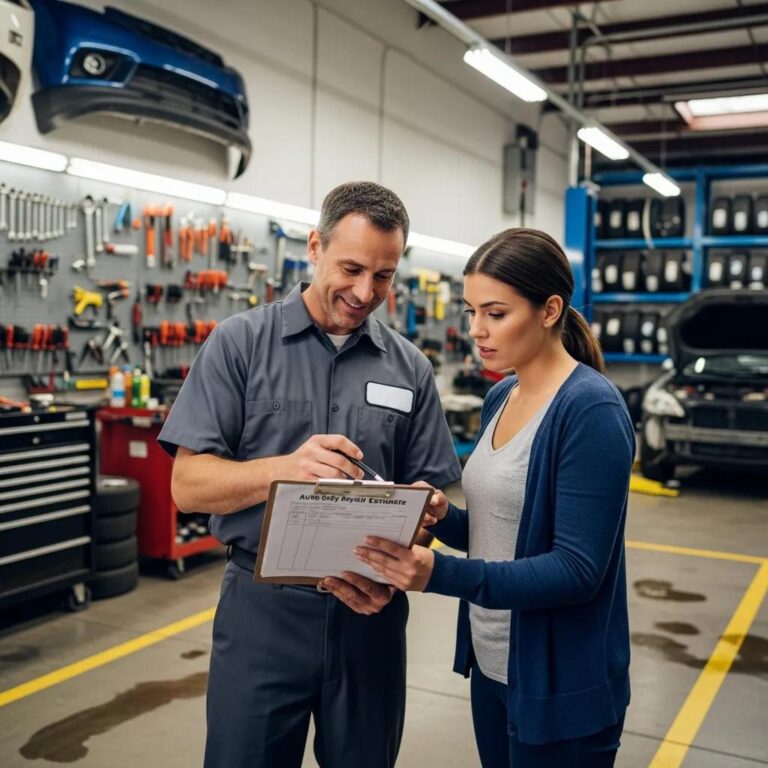
- Get a written estimate with line-item descriptions of parts and labor.
- Choose a repair provider capable of OEM procedures and request documentation of parts, scans and calibrations.
- Keep all records — estimates, receipts and before/after photos — for appraisers or future buyers.
Following these steps helps create a complete repair history and lowers the risk of diminished value later. The next sections go into immediate actions at the scene and how documentation affects resale value.
What are the steps to handle insurance claims effectively?
Right after confirming safety, photograph all damage from multiple angles and capture scene context like skid marks or road conditions. Exchange contact and insurance details with other parties. When filing, provide clear photos and descriptions, get the claim number, and request a written estimate that lists parts, labor and required calibrations — insist on line items for scans or ADAS work if relevant. Pick a shop that will document OEM parts and procedures; shops that work with all major insurers can simplify coordination. Keep a claim folder with estimates, repair orders, receipts and correspondence to show appraisers or buyers.
How does proper documentation impact resale value?
Complete records of OEM repairs, diagnostics and calibrations reduce uncertainty for buyers and appraisers. Before/after photos, itemized invoices showing OEM parts, and calibration reports for ADAS components increase buyer confidence and limit negotiable price reductions for suspected hidden damage. Store documents digitally and physically, and share them when selling. Well-documented repairs can also help at lease return by proving work was done to industry standards.
What specialized maintenance helps preserve value for luxury and leased vehicles?
Luxury and leased vehicles often need stricter adherence to manufacturer intervals, specific fluids and certified technicians to protect high-end finishes and avoid lease-end penalties. Following the service schedule and using OEM parts minimizes performance drift and appearance depreciation. Leaseholders should get a pre-return inspection and fix typical chargeable items before turn-in. The table below shows tailored recommendations by vehicle type and the value benefit.
| Vehicle Type | Recommended Service | Lease/Value Benefit |
|---|---|---|
| Luxury sedan | Manufacturer-specified service, OEM fluids, advanced diagnostics | Preserves performance, protects premium electronics and keeps buyer confidence |
| Performance car | Frequent brake inspections, specialized tires, suspension checks | Maintains handling and resale desirability |
| Leased vehicle | Pre-return inspection, minor dent/paint repairs, documented mechanical service | Reduces lease-end charges and smooths the return process |
These steps reduce surprises at lease return and help luxury owners keep the premium condition buyers expect. The following sections give luxury-specific maintenance tips and a lease-return checklist.
How should luxury cars be maintained differently?
Luxury vehicles include advanced electronics, adaptive suspensions and manufacturer-specific intervals that often require OEM parts and trained technicians to preserve calibrated performance and warranties. Use recommended fluids and follow software and calibration updates to avoid drift in ride and handling. Professional detailing protects paint, leather and trim, and climate-controlled storage reduces environmental wear. Keep receipts and technician notes for each specialized service to strengthen provenance for discerning buyers.
What are key lease return guidelines to avoid fees?
Before lease end, schedule a pre-return inspection to catch chargeable items like dents, paint chips, excessive tire wear or mechanical issues. Addressing these items early usually costs less than last-minute fixes. Common chargeable items are large dents, broken trim, mismatched paint, interior stains and unresolved mechanical faults — get itemized estimates and keep documentation for any work done. Allow time for parts and paint curing, and keep before/after photos and receipts to present at return. Proactive lease maintenance lowers the risk of surprise fees.
How do regular inspections and professional repairs support long-term vehicle value?
Routine inspections spot small problems — worn belts, developing leaks, suspension play — before they grow into major failures. Certified repairs restore systems to specification and reduce ownership costs while building resale trust. Regular inspections create a documented chain of custody for vehicle condition that buyers and appraisers value. Below is a short checklist of routine inspections to schedule and a note on how inspection costs compare to avoided major repairs.
- Brakes: pad thickness, rotor condition, brake fluid level and quality.
- Battery and charging system: load testing and terminal condition.
- Belts & hoses: visible cracks, tension and coolant hose integrity.
- Suspension & steering: bushings, tie rods and alignment checks.
- Fluids & filters: oil, transmission fluid, coolant and cabin/air filters.
Inspections usually cost a small fraction of the repair bills they prevent, and a continuous inspection record signals responsible ownership that lowers perceived buyer risk. Certified technicians provide standardized diagnoses and documentation, which helps justify asking prices and reduce diminished value concerns after accidents.
Why are routine brake and battery checks important?
Brakes are vital for safety and heavily influence perceived vehicle condition — regular checks reveal pad wear, rotor damage and contaminated fluid before failures occur. Battery health affects starting and electronic stability — load testing prevents no-start events and protects sensitive electronics from voltage issues. Replacing worn brake parts and aging batteries early prevents secondary damage and shows buyers that safety was prioritized. Documented brake and battery maintenance improves safety and supports higher resale confidence.
How do certified technicians enhance repair quality and trust?
Certified technicians hold recognized credentials and follow standardized repair procedures, perform required calibrations and keep documentation proving compliance with manufacturer practices. Certifications reflect ongoing training and reduce variability and latent defects. When repairs are completed and recorded by certified pros, inspections and appraisals find fewer surprises, lowering the chance of steep depreciation from hidden damage. Choosing certified repairs and keeping records is a practical way to protect safety and long-term value.
For OEM-certified repairs, written estimates, or help with insurance coordination and towing after an accident, contact Prime Time Collision to discuss factory-quality repair options and inspections. Our I-CAR Platinum recognition, collision repair services, paintless dent repair offerings and free 24/7 towing and estimates are designed to help protect your vehicle’s safety and resale potential.
Frequently Asked Questions
What are the benefits of regular vehicle inspections?
Regular inspections catch small issues before they become big, costly problems. They reveal worn belts, leaks and suspension faults so you can fix them early. Keeping inspection records also documents your vehicle’s condition for potential buyers, supporting higher resale value. In short: inspections improve safety and protect value.
How can I improve my car’s fuel efficiency?
Simple steps improve fuel economy: follow scheduled maintenance like oil and air-filter changes, keep tires properly inflated and aligned, and drive smoothly with gradual acceleration and steady speeds. Avoid long idling and remove unnecessary weight from the car. These habits add up at the pump.
What should I do if my car has been in an accident?
First, make sure everyone is safe and document the scene with photos and witness info. File your claim promptly and keep police reports. Choose a repair shop that provides OEM-capable repairs to maintain quality and value, and save all repair records and communications — they’re important for resale and diminished-value reviews.
How often should I check my car’s fluids?
Check fluids at least monthly or before long trips. Monitor engine oil, coolant, brake fluid, transmission fluid and power steering fluid. Regular checks help spot leaks or contamination early. Follow manufacturer change intervals to avoid major mechanical issues.
What are the signs that my car needs maintenance?
Key signs include unusual noises (grinding or squealing), dashboard warning lights (especially the check engine light), changes in handling like pulling or vibration, and visible fluid leaks. Regular checks and listening for unusual sounds help catch problems early.
How can I maintain the value of my luxury vehicle?
For luxury cars, stick to the manufacturer’s service schedule, use OEM parts, and rely on trained technicians. Regular detailing and climate-controlled storage protect finishes. Keep detailed service records and address cosmetic issues early — provenance matters to discerning buyers.
What should I consider when choosing a repair shop?
Look for industry credentials like I-CAR Platinum, experience with OEM repairs, and clear documentation practices. Read customer reviews and ask about warranties. A shop that works with major insurers and provides detailed invoices and calibration reports will help protect your vehicle’s value.
Conclusion
Consistent, practical maintenance and careful post-accident handling extend your car’s lifespan and preserve resale value. Prioritize routine inspections, fluid checks and OEM-capable repairs, and keep thorough records. If you need expert, factory-capable repairs or help with insurance and towing, Prime Time Collision is ready to assist. Take small steps today to protect your vehicle’s performance and future value.