
How to Choose a Trustworthy Auto Body Shop: Questions to Ask Before Repairs
Finding a reliable auto body shop matters — it keeps your car safe and saves you stress. With so many shops to choose from, it’s easy to feel overwhelmed. This guide walks you through the most important questions to ask so you can pick a shop that will restore your vehicle properly. We cover the signs of a reputable shop, why OEM and certified repairs matter, what a clear written estimate should include, how to handle insurance, and which warranties protect your investment.
What Are the Key Signs of a Reliable Auto Body Shop?
A trustworthy shop shows up in a few clear ways: positive customer feedback, industry certifications, and a proven track record. Those things together tell you the shop cares about quality and stands behind its work.
How Do Customer Reviews and Testimonials Build Trust?

Customer reviews give you an honest snapshot of what to expect. Look at multiple sources — Google, Yelp, and social channels — and watch for consistent themes: on-time pickups, clear communication, fair pricing, and repairs that hold up. A steady flow of positive reviews usually points to a shop that treats customers and cars the right way.
Research shows that trust and clear communication are among the strongest drivers of customer loyalty at repair shops.
Building Trust and Loyalty in Auto Repair Shops
This study evaluates how relationship marketing — including trust, commitment, communication, and conflict handling — affects customer loyalty at an auto repair shop, and which factors have the biggest impact.
The Influence Of Relationship Marketing On Customer Loyalty At Auto Repair Shop, ND Lashwaty, 2024
Why Are Certifications Like I-CAR Platinum and ASE Important?
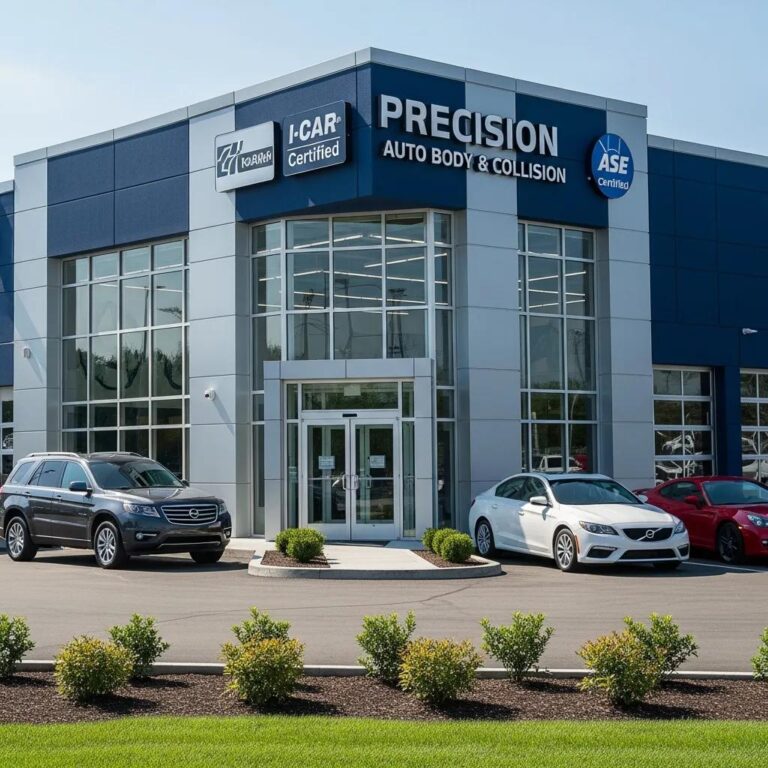
Certifications such as I-CAR Platinum and ASE tell you the technicians keep up with current repair methods and safety standards. Certified shops train their staff, follow industry best practices, and are more likely to repair your vehicle to factory-level expectations — which matters for safety and resale value.
Standards for these certifications lay out clear evaluation policies and training requirements for collision technicians.
ASE Certification Standards for Auto Body Technicians
This reference explains the evaluation policies, procedures, and standards used to certify collision repair and refinish technician training programs, including required task lists, tools, and on-site evaluations.
TITLE ASE Program Certification Standards for Collision Repair & Refinish Technician Training Programs. INSTITUTION National Automotive Technicians Education …, 1993
Which Questions Should You Ask Your Collision Repair Shop?
Asking the right questions helps you compare shops fairly. When you call or visit, focus on experience, what’s included in the written estimate, and how they handle insurance. Those answers will tell you a lot about their process and reliability.
What Details Should a Written Estimate Include?
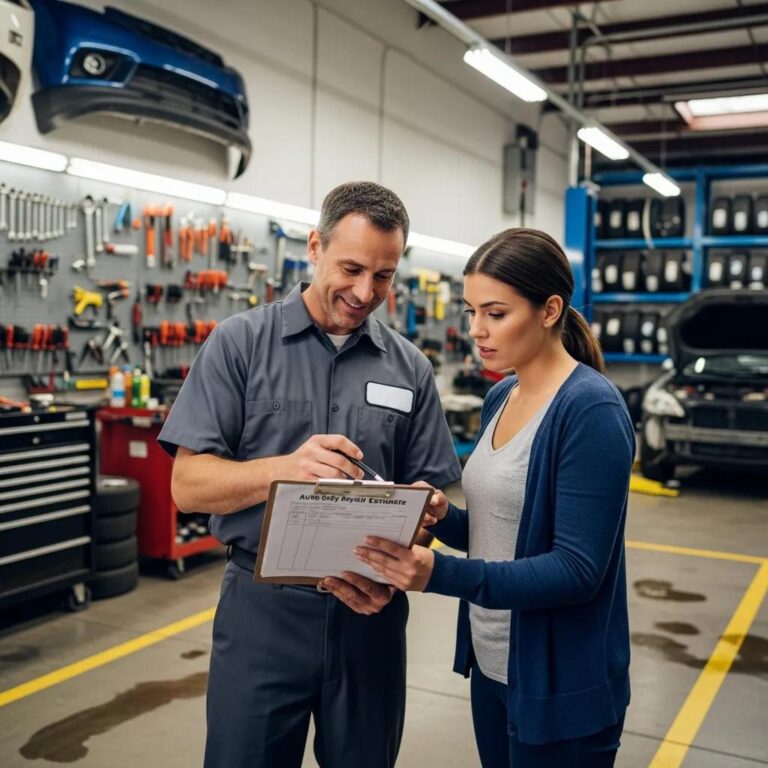
A clear written estimate should cover three essentials:
- Breakdown of Costs: A line-item list of parts and labor so you can see where the money goes.
- Timeframe for Repairs: A realistic window for completion so you can plan.
- Parts Used: Whether they’ll use OEM or aftermarket parts and how that choice affects safety and warranty.
A transparent estimate reduces surprises and keeps everyone on the same page.
How Can You Verify the Shop’s Experience with Your Vehicle Make and Model?
Make sure the shop has hands-on experience with cars like yours by:
- Requesting Examples: Ask to see past repairs on similar makes and models.
- Checking for Manufacturer Certifications: Look for badges that show the shop is approved by vehicle manufacturers.
- Inquiring About Specialized Training: Confirm technicians have brand-specific training when applicable.
Those details help you judge whether the shop understands your vehicle’s particular needs.
What Are the Benefits of Choosing an OEM Certified Body Shop?
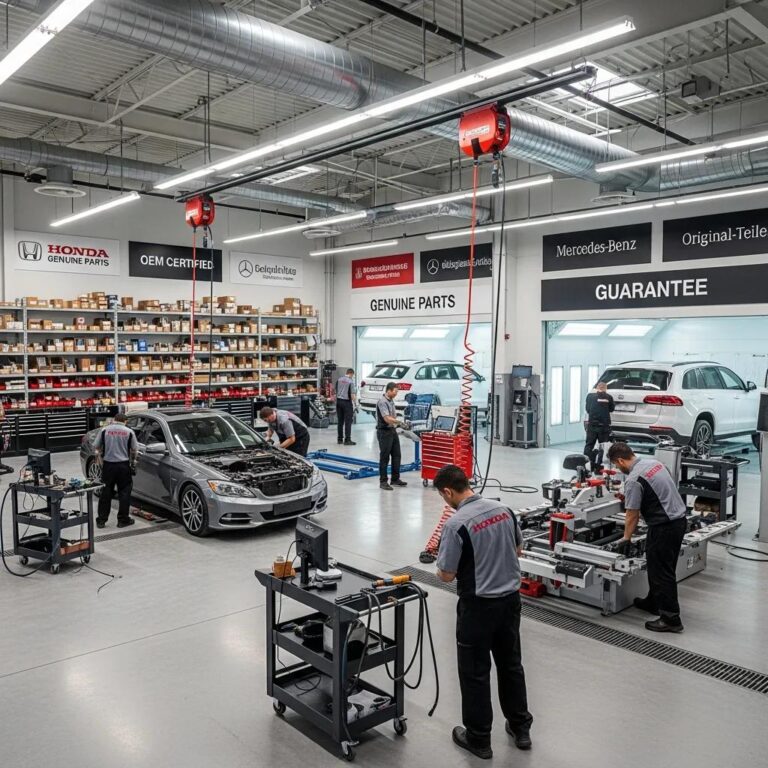
OEM-certified shops follow manufacturer procedures and use approved parts, which helps preserve safety systems, fit, and finish. That can make a big difference after a repair.
How Do OEM Parts Ensure Vehicle Safety and Performance?
OEM (Original Equipment Manufacturer) parts are made to the same specifications as the parts originally installed on your car. Using OEM parts helps maintain crash performance, fit, and function. Aftermarket parts can vary in quality and may not match OEM tolerances, which could affect safety or long-term reliability.
The debate between OEM and aftermarket parts often centers on design ownership and quality consistency.
OEM vs. Aftermarket Parts in Auto Repair
OEM manufacturers argue that vehicle body designs are their intellectual property and that aftermarket alternatives may not match original specifications.
Consumer Choice in Auto Repair: The Politics and Economics of Automobile Insurance Repair Practices, LS Powell
Why Is Factory-Standard Repair Quality Crucial for Your Car?
Repairs done to factory standards help protect your car’s safety systems and preserve resale value. When shops follow manufacturer procedures, you reduce the risk of future problems and keep your vehicle closer to its original condition.
How Does the Auto Body Shop Handle Insurance Claims Efficiently?

A shop experienced with insurance can simplify the claim process and keep repairs moving. They can explain coverage, work with your adjuster, and help avoid delays.
What Should You Know About Filing a Claim and Deductibles?
When filing a claim, keep these points in mind:
- Filing Steps: Know what paperwork your insurer needs and any deadlines to meet.
- Understanding Deductibles: Be clear on how much you’ll pay out of pocket and when insurance covers the rest.
- Timing Considerations: File promptly — some policies have time limits for claims.
Understanding these items helps you avoid surprises during the repair process.
Does the Shop Offer Direct Billing and Insurance Assistance?
Many reputable shops offer direct billing to insurers and hands-on help with claims. That can mean less hassle for you and fewer upfront expenses. Ask if they handle the paperwork and communicate with your insurer on your behalf.
- Benefits of Direct Billing: The shop bills the insurer directly, which often reduces what you pay at drop-off.
- How Assistance Works: Staff can explain coverage details and guide you through the claim steps.
- Customer Experiences: Look for reviews that mention smooth insurance interactions as a good sign.
Choose a shop that offers this support if you want a simpler, faster repair experience.
What Warranties and Guarantees Should You Expect from a Trustworthy Body Shop?
A solid warranty shows the shop stands behind its work. Know what’s covered and any limits so you have real protection after the job is done.
What Does a Comprehensive Lifetime Warranty Cover?
Lifetime warranties typically include:
- Coverage Details: Parts and labor for covered repairs done at the shop.
- Limitations: Any exclusions, time limits, or conditions you should know about.
- Importance for Customers: A broad warranty signals confidence in workmanship and gives you peace of mind.
Read the fine print so you know exactly what the warranty guarantees.
How Do Warranty Protections Affect Your Vehicle’s Resale Value?
Transferable or comprehensive warranties can make your car more appealing to buyers. A vehicle with documented repairs and active warranty coverage often commands a higher price and reassures prospective buyers.
How Does Communication and Customer Service Impact Your Repair Experience?
Good communication makes the whole repair process easier. Shops that keep you informed and answer questions clearly reduce stress and build trust.
Why Are Regular Updates and Transparency Essential?
Clear updates do three things: they reduce worry, prevent misunderstandings about costs, and show the shop respects your time. Expect regular status updates, honest estimates, and straightforward answers when you ask for details.
- Regular Communication Benefits: Frequent updates keep you informed and confident in the process.
- Transparency in Processes: Open explanations of work and costs help you make better decisions.
- Customer Trust Factors: Shops that communicate well are easier to work with and more likely to earn repeat business.
Good communication is as important as the quality of the repair itself.
What Additional Services Like Loaner Cars and Towing Should You Expect?
Services that make your life easier are a real bonus. Common conveniences include:
- Loaner Car Benefits: Temporary vehicles to keep you moving while repairs happen.
- Towing Services: Pickup and transport straight to the shop when your car isn’t drivable.
- Convenience Factors: Shuttle service, pickup/drop-off, and flexible scheduling can make a big difference on busy days.
These extras can turn a stressful repair into a straightforward experience.
Picking the right auto body shop comes down to research and the right questions. Check reviews, confirm certifications, and review a clear written estimate before you commit. Prioritize shops that communicate well and offer solid warranties — those details usually mean a smoother repair and better long-term results. With the right approach, you can confidently choose a shop that protects your car and your wallet.
Frequently Asked Questions
What should I look for in customer service at an auto body shop?
Look for responsiveness, clear answers, and a helpful attitude. A good shop answers questions without pressure, gives timely updates, and treats you respectfully from drop-off to pickup. Friendly, professional service usually reflects a focus on customer satisfaction.
How can I ensure the auto body shop uses quality parts?
Ask where they source parts and whether they use OEM parts when required. Request documentation on parts and any related warranties. Reputable shops are transparent about their parts policy and will explain why they choose OEM or aftermarket parts for a specific repair.
What are the typical turnaround times for auto body repairs?
Turnaround varies with damage severity, part availability, and shop workload. Minor jobs can take a few days; major repairs might take several weeks. Ask the shop for a realistic timeline and updates if anything changes.
Are there any hidden fees I should be aware of?
Hidden fees can pop up if estimates are vague. Make sure your written estimate lists parts, labor, and potential extras. Ask about charges for unforeseen damage, towing, or paint match work. A trustworthy shop will notify you before doing extra work.
What should I do if I’m not satisfied with the repairs?
Start by talking to the shop and documenting the issues. Most reputable shops will address concerns and correct problems. If that doesn’t resolve things, contact your insurer or a consumer protection agency for next steps.
How can I find out if an auto body shop has a good reputation?
Check online reviews, ask for local recommendations, and look for industry certifications. Consistent positive feedback and manufacturer or industry endorsements are reliable signals of quality and professionalism.
Conclusion
Choosing a trustworthy auto body shop protects your safety, your car’s value, and your peace of mind. Ask the right questions, review certifications and estimates, and favor shops that communicate clearly and stand behind their work. Start with these steps and you’ll be on track to find a shop that treats your vehicle the way you would.