

Understanding and Monitoring Your Tire Pressure: A Practical Guide to Vehicle Safety and Post‑Collision Care
Tire pressure is a simple measurement with big safety consequences — and after a collision it becomes even more important because damage can be hidden or develop over time. This guide breaks down why correct inflation, routine pressure checks, and TPMS basics matter for handling, braking, fuel economy and tire life. You’ll learn where to find the recommended PSI, step‑by‑step instructions for checking pressure, what TPMS problems look like after an impact, and when a certified inspection is the right call. Safety guidance and recent studies favor frequent monitoring and cold‑inflation checks; following these steps helps you spot issues early and avoid bigger repairs. If you want professional help after an incident, Prime Time Collision Center — a local collision repair center focused on OEM‑quality repairs and clear communication — can inspect your vehicle, run TPMS diagnostics and verify tire safety. The sections that follow explain why pressure matters after a crash, how TPMS systems operate, maintenance steps, the dangers of under‑ and overinflation, TPMS troubleshooting, and when to bring your vehicle to a shop.
Why Proper Tire Pressure Matters After a Collision
Keeping tires at the right pressure protects safety systems and stops hidden problems from getting worse after an impact. A crash can bend rims, pinch or crack valve stems, or knock TPMS sensors loose — all of which change how tires hold air and can lead to slow leaks. Checking pressure right away helps you spot handling issues and reduces the risk of blowouts, uneven braking or rapid tread wear that undermine post‑repair performance. Knowing these risks helps you decide whether a quick gauge check is enough or if you should schedule a professional inspection.
Accidents can hide structural tire damage that only becomes obvious through small pressure losses, changed handling or unusual vibration. Finding those signs early prevents secondary damage to wheels, suspension or nearby safety systems. A short inspection that checks pressure, rim condition and TPMS status will usually indicate whether a technician should look deeper. Here are the immediate risks to watch for after an impact.
- Safety compromise: Low pressure worsens handling and braking and raises blowout and crash risk.
- TPMS damage: Sensors or valve stems may be cracked, dislodged or miscalibrated, masking true pressure.
- Structural degradation: Bent rims or poor bead seating can cause slow leaks or sudden loss of seal.
How Accidents Can Affect Tire Integrity and TPMS Function
Impacts commonly cause sidewall cuts, bead seating problems and rim deformation — each changes how a tire holds air and passes loads to the vehicle. For example, a bent rim may create a localized leak or a persistent imbalance that speeds tread wear and worsens steering feel. TPMS issues after a collision include sensor dislodgement, broken valve stems or shock‑damaged electronics; these faults can appear as a steady dashboard light, a flashing malfunction signal, or no alert at all if the system can’t communicate. Early signs — visible cuts, sidewall bubbles or sudden pressure drops — mean you should avoid long drives where heat buildup can make the problem worse and increase blowout risk.
A systematic post‑collision check pairs a visual inspection of tire and rim with a pressure reading and a TPMS check to confirm integrity. Knowing these common failure modes also helps you describe symptoms clearly when you ask for a professional diagnostic and guides the next steps for troubleshooting or repair.
What Are the Risks of Driving with Incorrect Tire Pressure After an Accident?
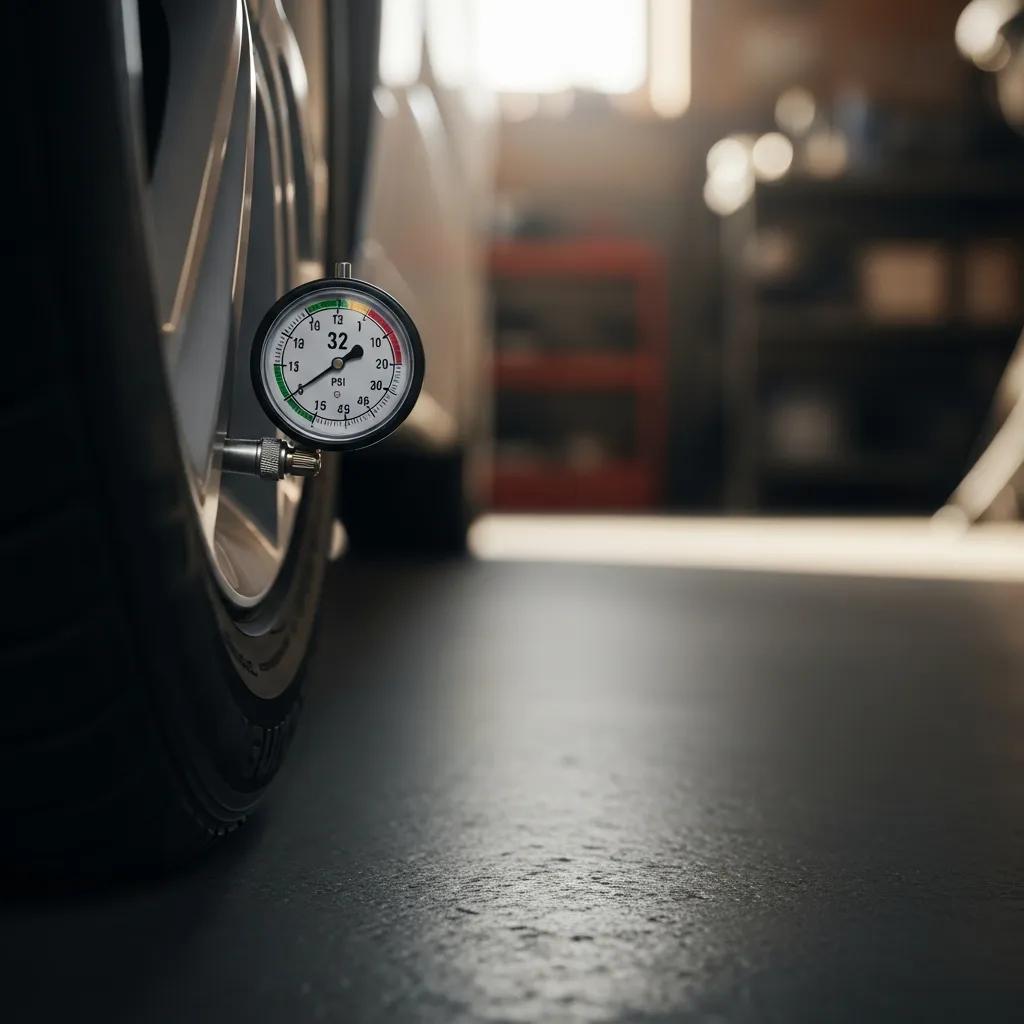
Driving on incorrectly inflated tires after a collision multiplies safety and cost consequences — what seems convenient short‑term can become dangerous long‑term. Underinflation increases rolling resistance and heat buildup, raising the likelihood of tread separation or a blowout while reducing fuel economy and shortening tire life. Overinflation shrinks the contact patch, reduces traction, makes the ride harsher and concentrates center tread wear; after an impact, that can make the car handle unpredictably. Watch for poor steering return, a pull to one side, vibration or a persistent TPMS warning — any of these should prompt immediate inspection.
When misinflation combines with rim or bead damage, the result can be sudden air loss at highway speeds — a particularly hazardous situation. Knowing these risks helps you choose between a careful cold‑pressure check and a short verification drive or booking a certified inspection that includes TPMS diagnostics and rim straightening if needed.
What Is a Tire Pressure Monitoring System (TPMS) and How It Works
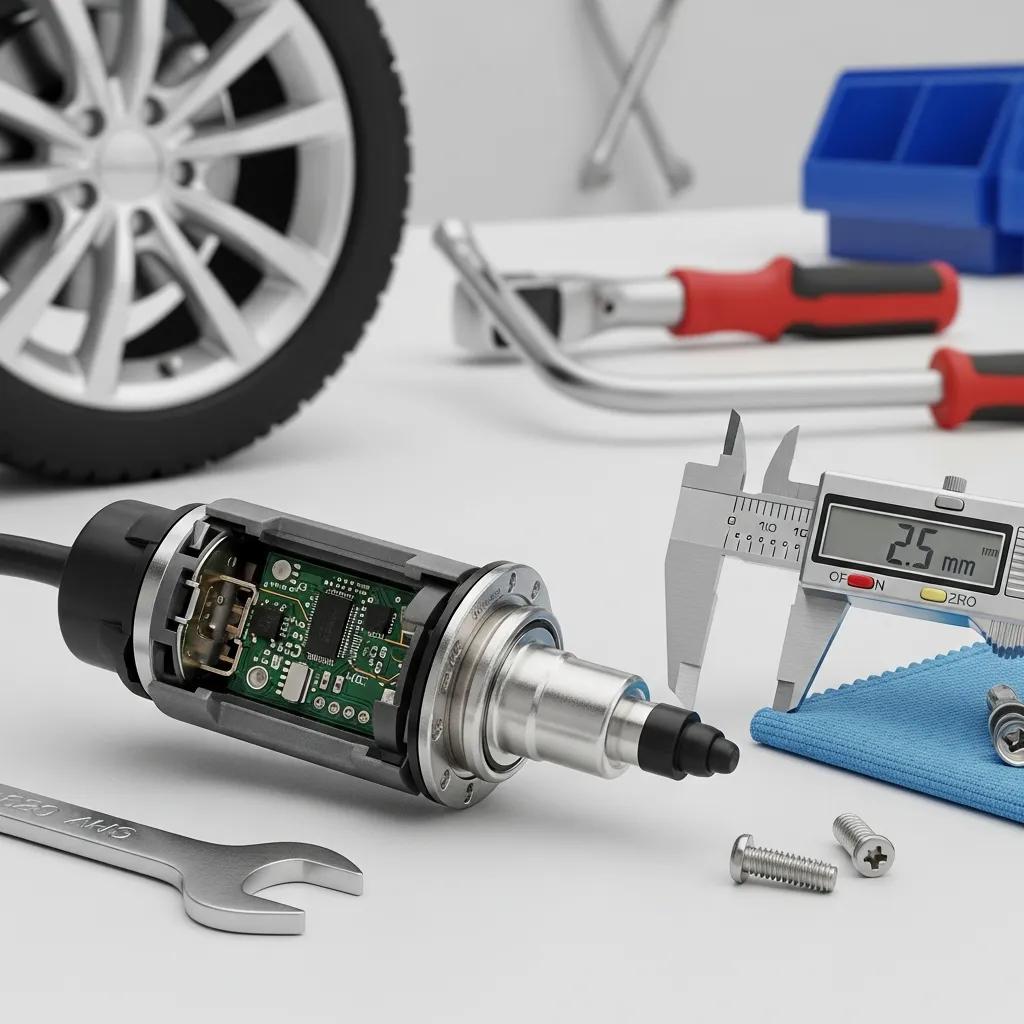
TPMS is a safety system that watches tire inflation and alerts you when pressure moves outside manufacturer limits. It does this either with direct sensors mounted at each wheel or indirectly through ABS wheel‑speed data. The main parts are wheel‑mounted sensors (for direct systems), the vehicle receiver/ECU, and the dash indicator that shows steady or flashing alerts. Because TPMS behavior can change after a collision, knowing the difference between system types and their common failure modes helps you interpret warnings and decide whether a reset is enough or a professional scan is needed.
Below is a quick comparison of direct and indirect TPMS to clarify accuracy, typical failure causes and what diagnostics usually involve.
Direct vs Indirect TPMS comparison:
| System Type | How It Works | Typical Strength | Typical Failure Modes |
|---|---|---|---|
| Direct TPMS | Wheel‑mounted pressure sensors transmit RF to the vehicle receiver | Accurate, per‑wheel readings | Sensor impact damage, battery loss, valve stem failure |
| Indirect TPMS | Uses ABS/ESP wheel‑speed sensors and software to infer pressure | No wheel sensors required; lower cost | Miscalibration after tire/wheel changes, algorithm errors |
| Hybrid/Advanced | Combines sensor data with vehicle telemetry for better diagnosis | Balances accuracy and integration | Communication faults, sensor displacement |
Differences Between Direct and Indirect TPMS
Direct TPMS uses dedicated sensors on each wheel to measure pressure and temperature and wirelessly sends readings to the receiver. It gives precise per‑tire information and makes identifying the affected wheel straightforward, but sensors can fail from impact, valve stem damage or dead batteries. Indirect TPMS infers pressure changes by comparing wheel rotation speeds through the ABS system — no batteries required, but it’s less precise and can be confused by tread wear, mismatched wheel sizes or post‑collision recalibration needs. Which diagnostic path to take depends on the system type: direct systems often need sensor replacement, while indirect systems usually require a re‑learn or ABS calibration.
Knowing these trade‑offs helps you interpret dash alerts and choose between a simple reset and a professional TPMS diagnostic.
How TPMS Sensors Detect and Alert Low Pressure
Direct TPMS sensors measure pressure and temperature inside the tire and send periodic radio messages to the vehicle’s receiver; when readings fall below manufacturer thresholds the TPMS light comes on. Indirect systems track wheel rotation—an underinflated tire has a smaller rolling radius and spins faster, which triggers a warning. On the dash, a steady light usually means low pressure in one or more tires, while a flashing light signals a system malfunction that prevents reliable monitoring. Understanding the difference lets you judge urgency: a steady warning calls for an immediate pressure check; a flashing light suggests a diagnostic scan or sensor replacement.
If sensor data looks suspect after an impact, a professional TPMS scan will show which sensor or subsystem failed and whether a reset, re‑learn or component replacement is needed.
How to Check and Maintain Correct Tire Pressure
Checking and maintaining correct pressure is a repeatable habit: find the vehicle’s recommended PSI, use a reliable gauge when tires are cold, and adjust all tires — including the spare — to the specified pressure. The recommended PSI is on the driver‑side door placard or in the owner’s manual and reflects the vehicle’s load and suspension; the tire sidewall only lists the tire’s maximum pressure, not the recommended operating pressure. Use a digital or calibrated analog gauge for accuracy; check monthly and before long trips, keep a log of readings and watch for slow changes that indicate leaks. Consistent checks prevent under‑ or overinflation and protect tire life and fuel economy.
Below is a short tools guide to help you choose the right gauge and approach for reliable readings and maintenance.
Tool guidance for checking pressure:
| Tool | Characteristic | Best Use |
|---|---|---|
| Digital Gauge | High precision, easy numeric readout | Monthly checks and owner maintenance |
| Pencil/Stick Gauge | Compact, mechanical | Quick spot checks when a digital gauge isn’t available |
| Tire Pressure Monitoring Tool (TPMS scanner) | Reads sensor IDs and battery condition | Post‑repair diagnostics and sensor troubleshooting |
Finding the Recommended PSI
Your vehicle’s recommended PSI is on the placard in the driver‑side door jamb or in the owner’s manual; those numbers account for vehicle weight, suspension and typical load. The tire sidewall lists the tire’s maximum pressure and should not be used as the operating PSI. For cold inflation checks, measure first thing in the morning or after the vehicle has sat for several hours — driving heats tires and raises pressure, which can give a false high reading. Keep a small sticker or note in the glove box with your cold PSI to make consistent checks easy and avoid common mistakes.
Using the door placard instead of the sidewall reduces confusion and helps you set pressures that support safe handling and even wear.
Best Practices for Using Tire Pressure Gauges
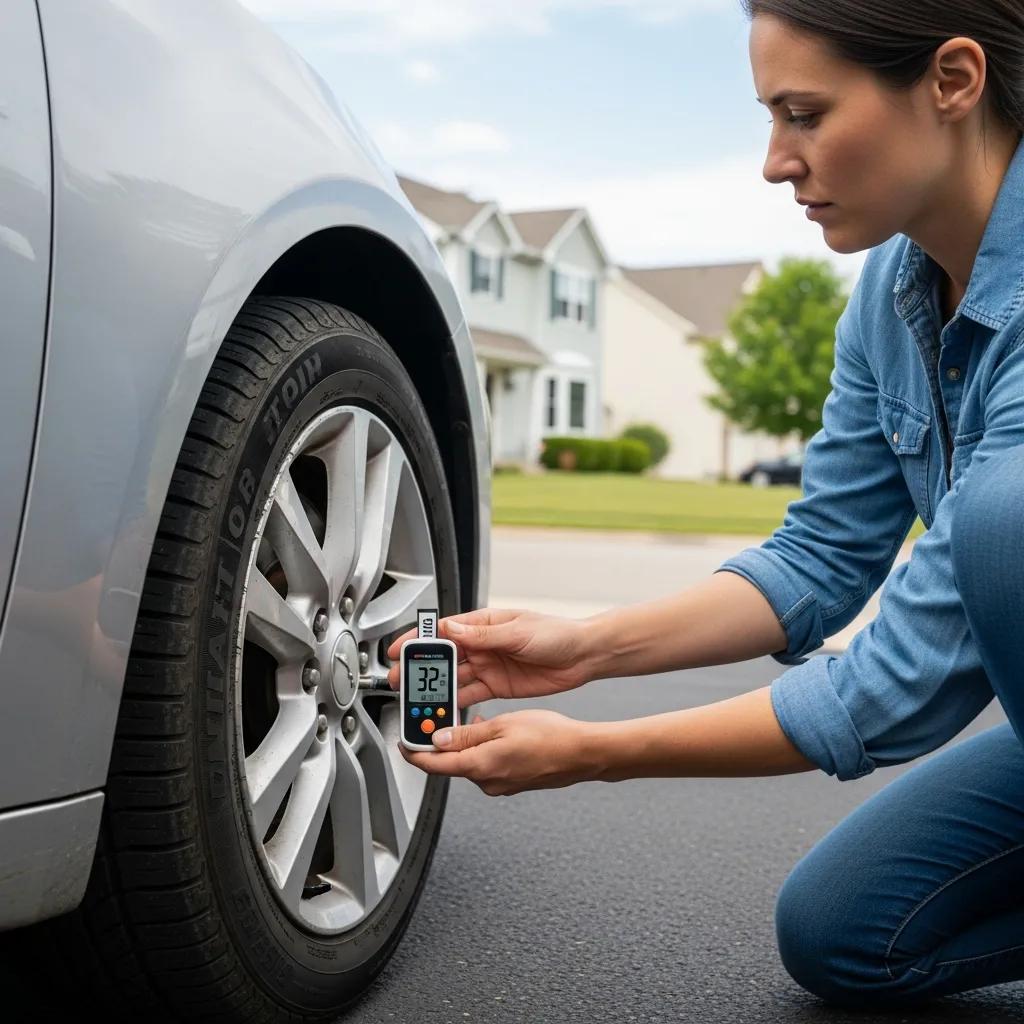
Accurate readings come from a reliable gauge and a consistent method: remove the valve cap, press the gauge firmly to the valve stem to avoid hissing, read and record the value, then add or release air in small steps until you reach the recommended PSI. Digital gauges give clear numbers and reduce parallax errors; replace or recalibrate gauges that give inconsistent readings and always measure when tires are cold for consistency. Check monthly and before long trips, and keep a simple log to spot slow leaks or seasonal pressure shifts. A routine you follow every month helps you catch trends early and decide when TPMS issues after a collision need professional attention.
These habits keep checks quick and reliable, preserve safety and fuel efficiency, and reduce premature tire wear.
Dangers of Low and High Tire Pressure
Both low and high pressure create serious but different problems for safety, ride quality and operating cost, and each produces telltale wear patterns. Underinflation increases tire flex and heat, accelerating tread breakdown and raising blowout risk; it also increases rolling resistance and lowers fuel economy. Overinflation shrinks the contact patch, concentrates center tread wear, reduces traction and makes the ride harsher — and after an impact it raises the chance of punctures or bead separation. Recognizing these effects helps you decide whether to adjust pressure, rotate tires or replace them to restore safe handling.
Below is a concise comparison of the safety and operational effects of underinflation versus overinflation for quick inspection cues.
Underinflation vs Overinflation comparison:
| Condition | Safety Risks | Fuel & Wear Impact |
|---|---|---|
| Underinflation | Heat buildup, higher blowout risk, poorer cornering | Higher rolling resistance, accelerated edge wear |
| Overinflation | Reduced traction, harsher ride, greater impact damage risk | Lower rolling resistance but center tread wear, shorter lifespan |
| Correct Inflation | Balanced traction and predictable handling | Optimal fuel economy and even wear |
How Underinflation Affects Safety, Fuel and Tire Life
Underinflation increases the tire’s working surface in ways the tire wasn’t designed for, raising internal temperatures and stressing sidewalls and belts. That shortens tire life and raises the chance of tread or belt separation. Mechanically, underinflated tires increase rolling resistance, which lowers fuel efficiency and raises operating costs over time. Safety suffers too — steering precision and braking response degrade, increasing stopping distances and reducing cornering grip. Monitoring underinflation trends and fixing root causes, such as valve stem damage from a collision, restores safe operation and avoids avoidable replacements.
Addressing underinflation promptly after a crash prevents heat‑driven escalation and protects suspension and other components from added stress.
Consequences of Overinflated Tires on Performance
Overinflation concentrates load on the center tread, shrinking the effective contact patch and reducing traction — especially on wet or uneven roads — which lengthens braking distances and lowers stability. The ride becomes firmer because more road shock is transmitted through the wheel to the suspension, which can stress components and make driving uncomfortable. Overinflation causes center wear that shortens usable tread life and, combined with rim defects from an impact, increases vulnerability to punctures or bead separation. Sticking to the manufacturer’s recommended PSI keeps the contact area balanced for traction and even wear.
Understanding these trade‑offs helps you balance handling, comfort and tire longevity when setting and checking pressures.
Troubleshooting and Resetting Your TPMS Light
Start TPMS troubleshooting by reading the light: a steady TPMS light usually means one or more tires are below the threshold and need a pressure check; a flashing light typically signals a system malfunction that prevents reliable monitoring. Basic owner steps include correcting pressure on all tires, driving to allow the system to re‑check and performing any vehicle‑specific TPMS reset in the owner’s manual. If the light keeps flashing or a steady light remains after proper inflation and a drive cycle, the issue may be a failed sensor, a dead sensor battery, or a displaced sensor — situations that need a diagnostic scan. Knowing when a simple reset is enough versus when professional TPMS tools are required saves time and keeps you safe.
This distinction helps you decide whether to continue with owner troubleshooting or book a diagnostic appointment with a certified shop.
What a Flashing or Steady TPMS Light Means
A steady TPMS light usually indicates low pressure in at least one tire — check and correct pressures promptly. A flashing light generally points to a system malfunction, such as a communication error, damaged sensor, or battery failure; the system can’t reliably report pressure in that state. The urgency differs: a steady light needs immediate pressure correction and verification, while a flashing light requires a diagnostic scan to identify the failing component before you rely on TPMS warnings again. If a steady light returns after inflation or a flashing light persists, professional TPMS diagnostics are recommended.
Knowing these meanings helps you prioritize actions and choose between DIY steps and professional evaluation.
How to Reset TPMS After Repairs or Tire Changes
Common reset steps include inflating all tires to the recommended cold PSI, driving at moderate speed for a sustained period so the system can re‑learn, and following any vehicle‑specific relearn procedure in the owner’s manual (for example, pressing a TPMS reset button or completing a particular drive cycle). For direct systems, professional tools can perform sensor re‑learn, read sensor IDs and check battery health; indirect systems often need an ECU recalibration. When sensors are replaced after damage, a technician will register the new sensor IDs to the vehicle to restore full functionality. If a reset does not clear the warning or the system won’t re‑learn, the next step is a diagnostic scan to determine sensor replacement or receiver repair.
Professional re‑learn procedures and diagnostic scans make sure the TPMS reports reliably — particularly important after collision repairs.
When to Seek Professional Tire Pressure Inspection and Service
Get a professional inspection when signs point beyond a simple pressure fix: persistent TPMS warnings, visible tire or rim damage, unusual vibration, pulling, or any handling problems after an accident. A certified inspection includes a visual tire and rim check, TPMS diagnostic readout and alignment verification when needed; these steps reveal hidden issues like hairline rim bends, internal tire separation or sensor faults that a quick gauge reading might miss. When damage relates to a collision, insurance coordination is often necessary; a trusted repair center can document damage, work with your insurer and keep repairs aligned with OEM standards. Knowing these decision points helps you avoid temporary fixes that leave long‑term safety issues unresolved.
Use this quick checklist to decide when to book a professional inspection.
- Visible damage: Bulges, cuts, rim deformation or missing valve caps.
- Persistent TPMS alert: Flashing light or steady light after correct inflation and a drive cycle.
- Handling symptoms: Pulling, vibration or reduced braking/steering feel.
How Prime Time Collision Center Protects Tire Safety After a Collision
At Prime Time Collision Center we follow OEM‑focused inspection steps to confirm tire and wheel safety after impact. Our process blends a visual inspection with TPMS diagnostics and alignment checks when needed. We check sidewalls, bead seating, rim straightness, valve stem condition and TPMS sensor communication, document results for insurance and recommend repairs or replacements based on factory standards. As an I‑CAR Platinum certified facility, we emphasize factory‑quality repairs and clear communication, coordinating with insurers to streamline claims and approvals. This approach helps drivers get their vehicles back to safe, roadworthy condition and ensures TPMS and inflation issues are resolved completely.
How Tire Pressure Issues Are Handled During Insurance Claims and Repairs
Tire damage from a collision is usually recorded in the initial estimate with photos and diagnostics to support the claim; repair workflows follow insurer approvals for parts and labor. A certified shop documents TPMS scan results, lists required sensor replacements or wheel repairs, and includes alignment checks to confirm handling is restored. Prime Time Collision Center helps by preparing thorough documentation and coordinating with major insurance companies while following OEM repair procedures and warranty practices. Treating tire pressure and TPMS faults as part of the vehicle’s safe repair — not a convenience add‑on — speeds repairs and restores driver confidence.
Clear documentation and certified repair methods reduce delays and ensure tire and TPMS problems are fully addressed after a collision.
Frequently Asked Questions
What should I do if my TPMS light is flashing after a collision?
A flashing TPMS light usually means the system has a fault — for example, a damaged sensor or a communication error. After a collision, check all tire pressures first. If pressures are correct and the light keeps flashing, schedule a professional diagnostic scan. That scan will identify sensor failures or other issues that need repair or replacement so your TPMS works reliably again.
How often should I check my tire pressure?
Check tire pressure at least once a month and before long trips. Pressure changes with temperature and driving conditions, so regular checks keep performance and safety on track. Always measure when tires are cold — driving heats them and gives higher readings. Keeping a simple log helps you spot slow leaks or significant changes over time.
Can I reset my TPMS myself, or do I need a professional?
You can often reset TPMS yourself by following the owner’s manual — typically inflating tires to the recommended PSI and driving for a short distance. If the TPMS light remains on or flashes after your attempts, that signals a deeper issue that needs professional diagnostics. A certified technician can perform a complete check and reset the system correctly.
What tools do I need to check tire pressure accurately?
Use a reliable tire pressure gauge. Digital gauges are best for precision and easy reading; stick gauges are compact and handy for quick checks. For TPMS‑specific work, a TPMS scanner can read sensor IDs and battery condition after repairs. Make sure your gauge is calibrated to avoid inaccurate readings that could compromise safety.
What are the signs that I need a professional tire inspection?
Seek a professional inspection if you have persistent TPMS alerts, visible tire or rim damage, unusual vibrations, or if the vehicle pulls to one side. A certified technician will check for hidden damage not obvious in a routine check and ensure the vehicle is safe to drive.
How does temperature affect tire pressure?
Temperature affects tire pressure by about 1 PSI for every 10°F change. Colder weather lowers pressure and can lead to underinflation, while warmer conditions raise pressure and can cause overinflation. Check pressures regularly during seasonal changes to keep tires within the recommended range.
Conclusion
Keeping tires properly inflated is vital to vehicle safety — especially after a collision — because it directly affects handling, braking and fuel economy. Regular checks and a basic understanding of TPMS help you avoid avoidable repairs and keep driving performance steady. If you need professional help, Prime Time Collision Center provides thorough inspections and diagnostics to make sure your vehicle is safe and roadworthy. Schedule an appointment with us and get your car back to reliable, comfortable driving.