Understanding Auto Body Repair Costs: A Complete Pricing Guide
Auto Body Repair Costs: A Practical Pricing Guide to Help You Decide
An accident — even a minor fender-bender — creates stress and one immediate question: how much will repairs cost and what drives the final price? This guide walks through what “auto body repair costs” actually include — parts, labor, paint, structural work and modern vehicle systems — and explains how each piece affects an estimate so you can make smart choices after a collision. You’ll learn the main cost drivers, realistic local ranges for common repairs, the safety and price trade-offs between OEM and aftermarket parts, and how insurance and payment options typically interact with shop estimates. We also outline the repair process from estimate to completion and explain when higher upfront costs (certified technicians, OEM parts, ADAS calibration) are investments in safety and resale value. Sections cover key cost factors, typical price ranges, frame and paint specifics, insurance impacts, and why picking a certified, transparent shop matters. Throughout, practical terms like auto body repair cost, collision repair pricing, repair estimates, ADAS calibration cost, and OEM parts vs aftermarket price are used in clear, actionable advice to help you move forward with confidence.
What Are the Key Factors Affecting Auto Body Repair Costs?
Repair costs come from several connected factors: the vehicle’s make and tech, how severe the damage is, which parts you choose, and the shop’s labor expertise and local rates. These elements interact — luxury cars and vehicles with Advanced Driver Assistance Systems (ADAS) usually need pricier parts and calibrations, while structural damage requires specialized tools and certified technicians. Knowing these drivers helps you predict whether an estimate will land low or high and explains why two shops can give different totals for the same visible damage. Below are the top items to watch when you compare estimates.
Key cost drivers for collision repairs include:
- Vehicle complexity: Luxury or rare models often need pricier parts and more labor.
- Damage severity: Surface dents are much less expensive than bent frame rails or crushed subframes.
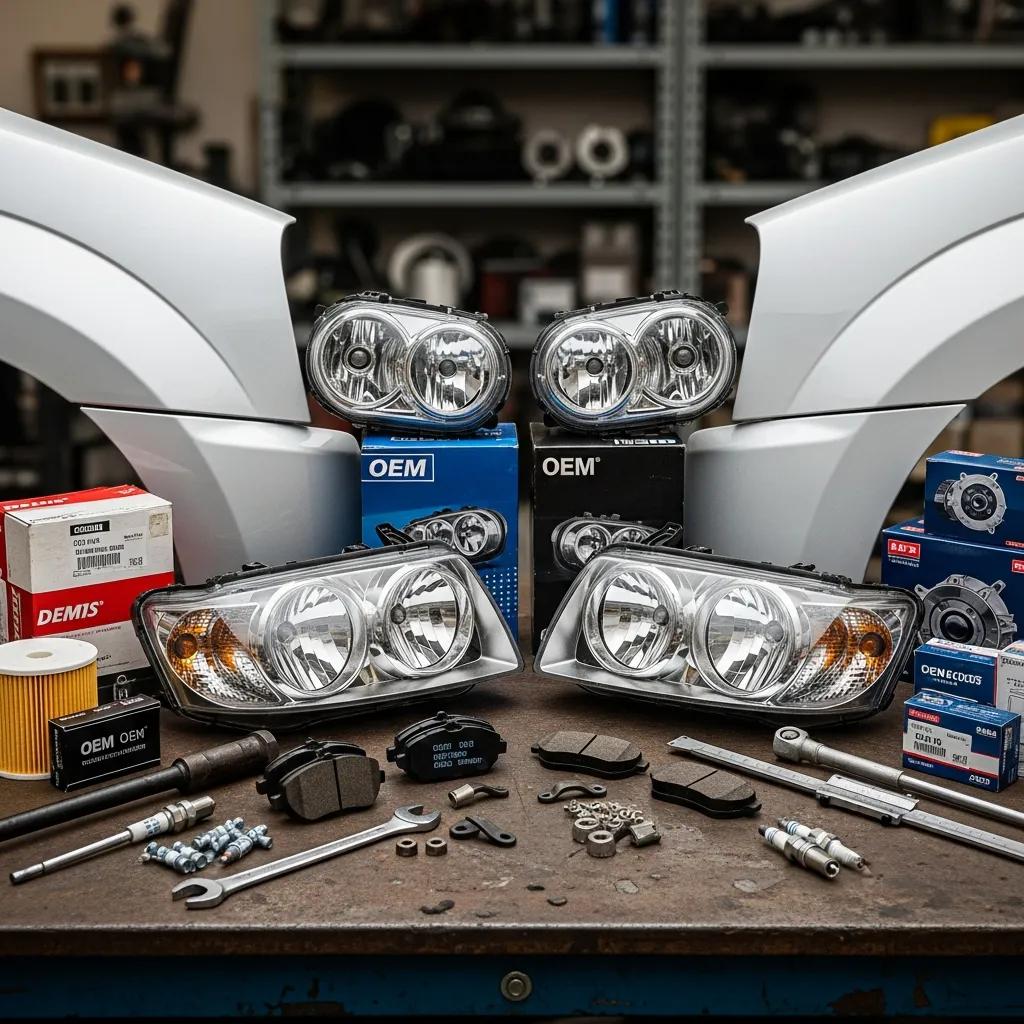
- Parts choice: OEM parts usually cost more but keep fit, finish and safety systems aligned.
- Labor & certifications: I-CAR or OEM-certified shops typically have higher labor rates tied to training and warranty coverage.
- Local market rates: Shop hourly rates vary with geography and overhead.
Those trade-offs are important — cheaper parts or an inexperienced shop can lower your bill now but create rework or safety risks later. To make cost differences clearer, the table below summarizes how each factor typically affects pricing.
This table shows how main cost factors typically affect pricing and why.
| Factor | How it Affects Price | Typical Impact |
|---|---|---|
| Vehicle make/model & ADAS | More complex vehicles need special parts and calibration | Medium–High |
| Damage type & extent | Replacing structural parts or full panels raises parts and labor | High |
| Parts selection (OEM vs aftermarket) | OEM parts cost more but keep safety and warranty alignment | Medium |
| Labor rates & technician certification | Certified techs have higher hourly rates but reduce rework | Medium–High |
| Location & shop overhead | Urban/metro shops generally carry higher hourly charges | Medium |
This breakdown explains why two similar-looking accidents can produce different estimates: the mix of these factors determines the final price. Understanding them helps you read an estimate beyond the headline number and ask the right questions about parts, labor and calibration needs.
How Do Vehicle Make, Model, and Advanced Technology Influence Repair Prices?
Make and model affect cost through parts availability, assembly complexity and electronic integration. Luxury or low-volume models usually have pricier panels, trim and sensors that take longer to disassemble and recalibrate; mass-market models benefit from easier-to-source, lower-cost parts and established repair procedures. ADAS adds steps — sensor replacement, steering angle resets and calibrations with scan tools or range-based equipment — that increase parts and technician time. Those calibrations are safety-critical: misaligned sensors can compromise lane-keeping or automatic braking. When reviewing a quote, confirm whether ADAS calibration and OEM-compatible sensors are included — that often explains much of the pricing difference between shops.
What Role Do Labor Rates and Shop Expertise Play in Cost Determination?
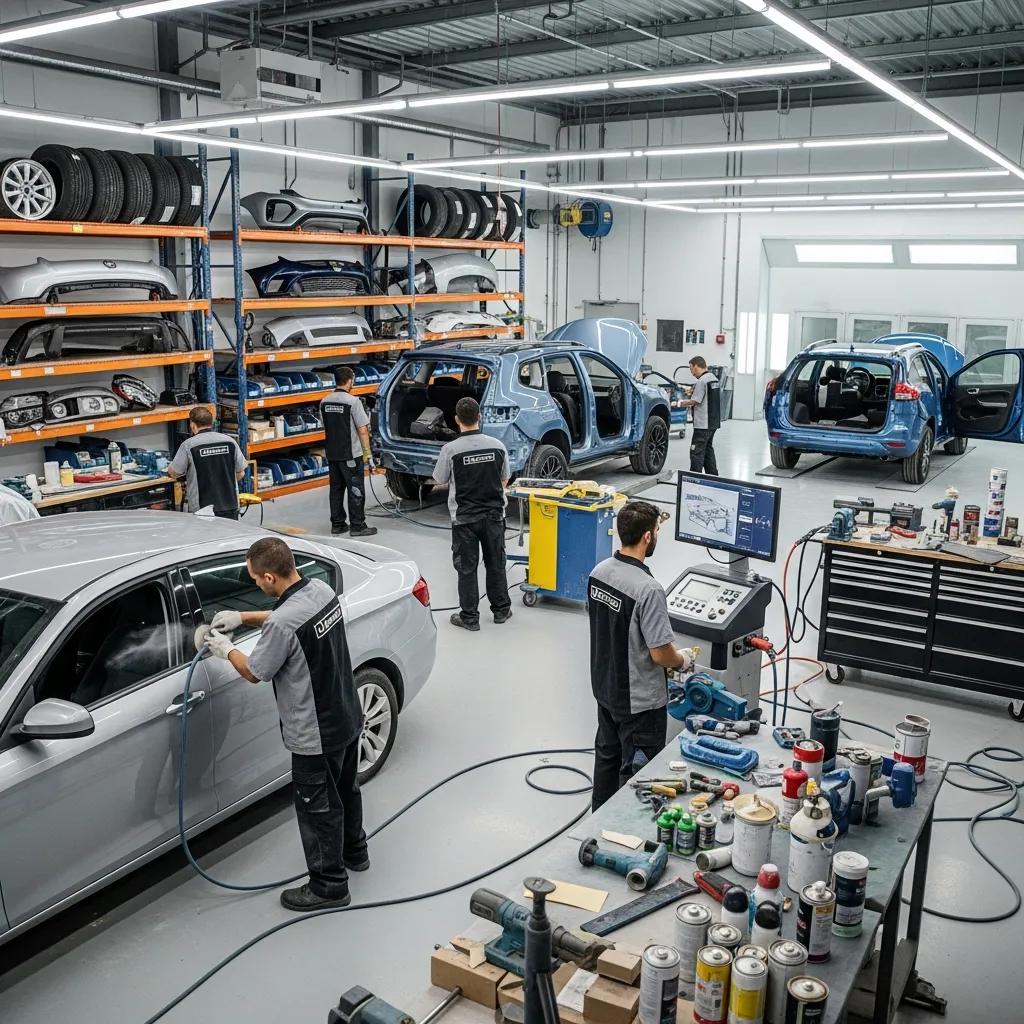
Labor and shop expertise often make up the largest portion of a repair estimate because collision work is labor-heavy and precise. Labor-hour charges reflect technician training, shop tools and overhead. Dealerships and OEM-certified shops typically have higher hourly rates because they invest in training and factory tooling. Certified technicians (for example, I-CAR credentialed) usually complete complex repairs with fewer callbacks and less rework, which can lower lifetime cost despite higher upfront labor. Shops that follow OEM procedures and use calibrated jigs and advanced paint systems usually deliver better long-term results. When comparing estimates, ask how many labor hours are projected, whether certified techs will handle structural or ADAS work, and what equipment or procedures the shop will use — those answers show whether a higher price buys measurable safety and quality.
How Much Do Common Auto Body Repairs Typically Cost?

Exact dollar figures depend on the factors above, but seeing typical local-to-national ranges for common repairs helps set expectations. Prices change with vehicle, parts choice (OEM vs aftermarket), and whether ADAS calibration or paint blending is needed. Use these ranges as starting points to evaluate estimates and decide whether an insurance claim makes sense for smaller damage. After the table, we list what typically pushes a repair from the low to the high end of its range.
Common repair cost ranges for frequent collision work:
| Repair Type | Typical Cost Range | Notes / Primary Drivers |
|---|---|---|
| Paintless dent repair (PDR) | $75 – $450 | Small dents with no paint damage; limits for door edges and creases apply |
| Scratch and spot paint repair | $150 – $1,200 | Depends on depth, panel complexity and blending needs |
| Bumper repair | $250 – $1,500 | Repair vs replacement, sensor or reinforcement bar needs |
| Rear/front bumper replacement | $500 – $3,000+ | OEM plastic parts and painting increase cost |
| Frame straightening | $600 – $5,000+ | Extent of structural damage, measuring and realignment complexity |
Ranges widen for luxury models, ADAS work or extensive frame repairs. The items below show what typically increases cost toward the high end.
Common drivers that increase repair cost:
- Extent of hidden damage: Problems found after panel removal add parts and labor.
- Color complexity and blending: Metallic or multi-coat finishes need more prep and blending.
- Sensor and ADAS work: Calibration and module replacement require specialized labor.
- OEM parts requirement: OEM parts raise parts costs and sometimes labor for proper fitment.
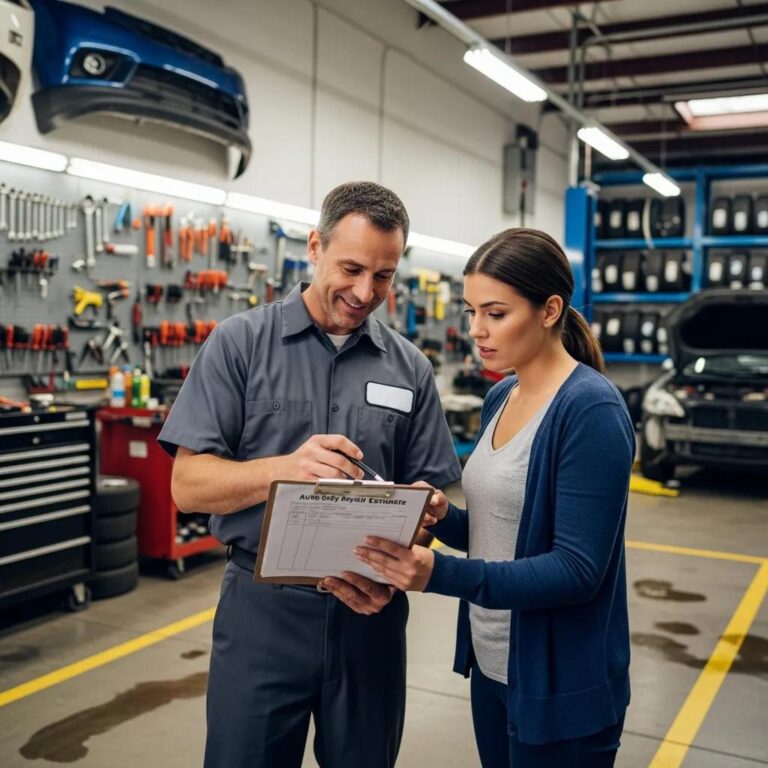
For a precise number, get a written estimate listing parts (OEM vs aftermarket), labor hours and any required calibrations. For localized, certified repairs, Prime Time Collision Center offers free estimates and 24/7 towing support in Glendale, Burbank, Pasadena and Los Angeles to help confirm if your vehicle needs OEM parts or ADAS calibration — services that cut uncertainty during the claims process.
What Are the Price Ranges for Minor Dents and Scratch Repairs?
Minor dents and scratches can be fixed several ways, from paintless dent repair (PDR) to spot repainting, and each method has different pricing and suitability. PDR is the most cost-effective when the paint isn’t broken and the metal is accessible from behind; it preserves factory paint and often costs under a few hundred dollars for small panels. If paint is cracked or the damage includes creases and sharp contours, traditional bodywork and spot repainting are needed; those methods involve sanding, filler, priming and blending and can run from the mid-hundreds to over a thousand dollars depending on color and panel complexity. Panel accessibility, rust and the need to blend into adjoining panels explain the wide range. Choosing PDR when appropriate preserves the factory finish and keeps costs down, but the right repair depends on the damage and your vehicle’s paint type.
How Much Does Bumper Repair or Replacement Usually Cost?
Bumper cost depends on whether it can be repaired, if sensors or reinforcement pieces are damaged, and whether an OEM replacement is required. Simple cosmetic repairs — scuffs or small cracks — can often be repaired and repainted for a few hundred dollars. Full bumper replacement (remove, refit, paint and blend) commonly reaches the low thousands for many vehicles. Modern bumpers often house parking sensors, radar modules and reinforcement bars; replacing sensors or doing ADAS recalibration increases parts and labor. Before approving a replacement, confirm whether the estimate uses OEM parts and whether the shop will perform required sensor recalibration — skipping calibration can degrade system performance and create safety risks.
What Should You Know About Frame, Structural, and Paint Repair Costs?
Frame and structural repairs are safety-critical and typically cost more than cosmetic fixes because they need precise measurement systems, specialized jigs and certified procedures to restore crashworthiness. Structural estimates consider deformation extent, which frame rails or substructures must be replaced or straightened, and whether alignment and suspension parts need recalibration. Paint costs depend on color complexity, blending requirements and whether spot repair or a full panel/vehicle repaint is needed; multiple spot repairs can become pricier over time when color matching gets harder. Evaluating structural or paint estimates means confirming the shop’s measurement and welding standards, paint-matching process and workmanship warranty to ensure safety and appearance are properly restored.
This table clarifies common structural and paint cost elements and why they matter.
| Repair Focus | Typical Cost Range | Key Considerations |
|---|---|---|
| Frame straightening & structural welds | $600 – $5,000+ | Precision measuring, jigs, welding, alignment checks |
| Suspension & alignment after frame repair | $100 – $400+ | Critical for safe handling and tire life |
| Spot paint & panel blending | $150 – $1,200 | Color matching complexity and adjacent panel blending |
| Full vehicle repaint | $3,000 – $10,000+ | Labor hours, prep, color complexity, finish quality |
Because structural work affects crash performance, use shops that document alignment tolerances and follow OEM repair procedures. Knowing these standards explains why structural and high-quality paint work cost more than basic cosmetic fixes.
How Are Frame and Structural Damage Repairs Priced and Why Are They Important?
Frame and structural repairs are priced based on diagnostic measurement, the amount of metalwork required, replacement part costs, welding or bonding complexity, and post-repair alignment checks. Shops use frame racks and laser measurement tools to restore factory specs; the time involved increases labor hours. Proper structural repair ensures the vehicle disperses crash energy as designed and keeps suspension geometry correct, which affects handling and tire life. Because safety is the primary concern, costs reflect specialized equipment, trained technicians and inspection steps — cutting corners on structural work can leave a vehicle less safe and costlier to fix later.
What Are the Typical Costs for Paint Repair and Full Car Repaints?
Paint repairs range from targeted spot fixes for chips and scratches to full-panel or full-vehicle repaints. Spot repairs and panel repaints typically cost from the low hundreds up to about $1,200 depending on paint type, blending needs and panel complexity. Full vehicle repaints — done for extensive damage or cosmetic restoration — commonly start in the thousands. Pearlescent, metallic and multi-stage finishes increase prep and painting time, and blending adjacent panels adds labor to match color. Choosing OEM color-matched paint and thorough surface prep gives durable, accurate results but raises cost; sometimes a full repaint is more economical when many panels need work or color matching becomes difficult with repeated spot repairs.
How Does Insurance Impact Auto Body Repair Costs and Payment Options?
Insurance affects whether you pay out-of-pocket and how repairs proceed. When you file a collision claim, an insurer assigns an adjuster to review estimates and authorize repair scope; your deductible normally applies unless a direct-pay program or the at-fault party’s insurer takes responsibility. Policies differ on parts coverage (OEM vs aftermarket), and insurers may recommend or prefer certain shops or suppliers. Knowing the claims workflow and payment implications helps you decide when to file a claim for smaller repairs and how to negotiate parts choices or scope with an adjuster. The short table below compares common payment options and their typical effect on out-of-pocket responsibility.
Before the table, here are three practical insurer-related tips to help manage costs and timelines.
- Document damage thoroughly: Clear photos and estimates speed the adjuster’s review.
- Ask about parts policies: Confirm OEM vs aftermarket coverage before authorizing repairs.
- Clarify rental and towing: Know whether those services are covered and for how long.
| Payment Option | When Used | Typical Effect on Out-of-Pocket |
|---|---|---|
| Insurance claim with deductible | After collision fault determined | Deductible applies; insurer covers approved repairs |
| Pay out-of-pocket | For minor, inexpensive repairs | Avoids a claim on record; owner pays full cost |
| Shop financing / payment plan | When repairs exceed immediate budget | Spreads cost; may include interest or fees |
After you review payment options, coordinate with your chosen shop and insurer to confirm scope and parts so authorizations line up with repair needs and safety standards.
How Does the Auto Insurance Claim Process Work for Collision Repairs?
The claim process usually starts by notifying your insurer, documenting damage and getting an initial estimate or multiple estimates for the repair scope. An adjuster may inspect the vehicle or review estimates remotely, then authorize repairs or ask for more documentation; shops often work directly with insurers to resolve scope items and secure approval for parts and labor hours. A reputable shop will keep you updated about parts choices, required calibrations (such as ADAS) and any new findings that change the estimate. Prime Time Collision Center, for example, helps with insurance handling and provides free estimates to speed this phase for customers in Glendale and surrounding communities, which can reduce delays between estimate and authorized repair.
What Are Deductibles, Out-of-Pocket Expenses, and Financing Choices?
A deductible is the portion of a claim you pay before your insurer covers the rest. Deductible levels influence whether small repairs are worth claiming — a repair below or near your deductible may be simpler to pay yourself. Paying out-of-pocket avoids possible premium increases and claim processing time but places the full cost on you. For larger repairs, many shops and third parties offer financing or payment plans to spread the cost; those can help when immediate repair is needed for safety or vehicle use. When choosing, compare total cost, insurance premium impact and the shop’s warranty so you pick the option that best protects safety and finances.
Why Choose Prime Time Collision Center for Your Auto Body Repairs?
Prime Time Collision Center is a local auto body and collision repair shop focused on OEM-quality repairs, trained technicians and clear communication — stuff that matters when quality and safety are top priorities. The shop’s key advantages include OEM-certified repairs and I-CAR Platinum technician expertise, which show adherence to manufacturer procedures and advanced training for structural and ADAS work. Prime Time also helps with insurance, offers free estimates and provides 24/7 towing to remove friction at the start of the claims and repair process. For drivers in Glendale, Burbank, Pasadena and Los Angeles, these services help ensure repairs meet safety-focused standards and that communication stays straightforward throughout the repair timeline.
Benefits and trust signals of using a certified shop like Prime Time:
- OEM-certified repairs: Preserve original fit, finish and safety integration for critical parts.
- I-CAR Platinum technicians: Access to trained staff who follow modern repair procedures.
- Hassle-free insurance support: Help with estimates and insurer coordination.
- Free estimates and 24/7 towing: Make it easier to get started after a collision.
These capabilities reduce estimate uncertainty, ensure proper ADAS calibration and structural work, and produce better safety and resale outcomes. If you want a clear, documented estimate and certified repair procedures, request a free estimate from Prime Time Collision Center to get a professional assessment that outlines parts choices, necessary calibrations and expected timelines.
What Are the Benefits of OEM Certified Repairs and I-CAR Platinum Technicians?
OEM-certified repairs and I-CAR Platinum technicians deliver real safety and quality benefits because they ensure repairs follow manufacturer procedures and technicians have advanced, documented training. OEM parts match original dimensions and materials, helping preserve crash behavior and fit; certified techs are trained to perform welds, adhesives and calibrations that restore factory tolerances. That means fewer reworks, better alignment and handling, and maintained safety system performance. For owners, these results protect long-term value, support warranty integrity and reduce the chance of hidden problems that can surface when repairs cut corners.
How Does Prime Time Ensure Transparent Estimates and Customer Satisfaction?
Prime Time focuses on transparent estimates by documenting parts choices (OEM vs aftermarket), listing labor hours and noting required calibrations or structural steps so you understand what you’re paying for and why. The shop’s process includes an initial inspection and written estimate, insurer communication when needed, and updates if additional work becomes necessary — steps that reduce surprises. Local reviews and warranty offerings reflect a focus on customer service and quality, and free estimates combined with 24/7 towing help customers start repairs quickly after an incident. To begin, request a free estimate to see a detailed scope that clarifies parts, labor and any ADAS work needed to return your vehicle to safe, reliable condition.
- Clear, itemized estimates: Shows parts, labor hours and required calibrations.
- Customer updates throughout repair: Keeps owners informed of progress and scope changes.
- Support with insurance: Streamlines approvals and reduces administrative burden on the customer.
Frequently Asked Questions
What should I do immediately after a collision to manage repair costs?
Right after a collision, document the damage well. Take clear photos of the vehicle and accident scene, and collect insurance information from other parties. Then get multiple repair estimates from different shops so you can compare costs and services. That gives you leverage when speaking with your insurer and helps you pick the best repair route for your needs.
How can I determine if a repair shop is reputable?
Check online reviews and ratings on Google, Yelp and the Better Business Bureau for feedback on work quality, customer service and pricing transparency. Ask about certifications like I-CAR or OEM affiliations, which show adherence to industry standards. Visiting the shop in person also helps you judge cleanliness, organization and professionalism.
Are aftermarket parts a good option for repairs?
Aftermarket parts can be a cost-saving alternative and often meet safety and quality standards, but fit and finish aren’t always identical to OEM. When considering aftermarket parts, choose reputable manufacturers and check for warranties. Balance short-term savings against long-term safety and resale implications before deciding.
What is the typical timeline for auto body repairs?
Timelines vary with damage extent, parts availability and shop workload. Minor repairs like PDR can take a few hours; frame straightening or full repaints may take days to weeks. Ask for an estimated completion date with your initial quote and stay in touch for updates if delays occur.
How can I negotiate repair costs with my insurance company?
Be informed about your policy, parts coverage and deductibles. Present multiple estimates to show market rates and be clear about required parts or procedures. Document all communications and follow up regularly to keep the process moving and to ensure your concerns are addressed.
What are the implications of choosing a non-certified repair shop?
Using a non-certified shop can carry risks: inconsistent workmanship, inferior parts and potential safety issues. Non-certified technicians may lack training for complex repairs, which can lead to hidden problems later. Insurers may also limit coverage for repairs at non-certified shops. Choosing a certified shop generally provides better assurance of safety and resale protection.
What should I expect in terms of warranty for repairs?
Most reputable shops offer warranties that cover parts and labor for a set period. Warranty lengths vary, often from one year to lifetime, depending on the shop and repair type. Ask about warranty terms with your estimate so you know what’s covered and any conditions that apply. A solid warranty gives peace of mind if issues appear after the repair.
Conclusion
Knowing how auto body repair costs are built helps you make choices that protect safety and value. By understanding the key drivers — parts selection, labor expertise and necessary calibrations — you can review estimates more confidently. For a smoother repair experience, work with certified professionals who provide clear, itemized estimates and stand behind their work. Reach out to explore your options and get your vehicle back to its best condition.