
Understanding Common Customer Complaints About Local Body Shops — A Practical Guide to Choosing Reliable Collision Repair
Dealing with an auto body repair can feel overwhelming — especially when you worry about surprises or poor service. Knowing the complaints other customers often report helps you pick a shop that treats your car and your time with respect. This guide walks through the most common problems people face at local body shops and gives straightforward tips to avoid those pitfalls so your repair goes smoothly.
Below we cover the frequent complaints customers raise, how to spot and avoid common scams, why certified collision repairs matter, what to look for when choosing a shop, and how the insurance process affects your experience. We’ll also explain why Prime Time Collision Center is a dependable option when you need quality repairs.
What Are the Most Common Complaints About Auto Body Shops?
Customers repeatedly tell us the same problems show up across different shops. Understanding these issues up front helps you ask the right questions and avoid headaches later.
How Do Hidden Costs and Unexpected Charges Impact Vehicle Owners?
One of the biggest frustrations is a bill that’s much higher than the original quote. What starts as a reasonable estimate can balloon if additional charges aren’t explained up front. Typical examples include:
- Labor Charges: Extra hours billed for repairs that weren’t anticipated at estimate time.
- Parts Markup: Higher prices on replacement parts that weren’t disclosed when you agreed to the work.
- Environmental Fees: Disposal or hazardous-material fees that show up on the final invoice without prior notice.
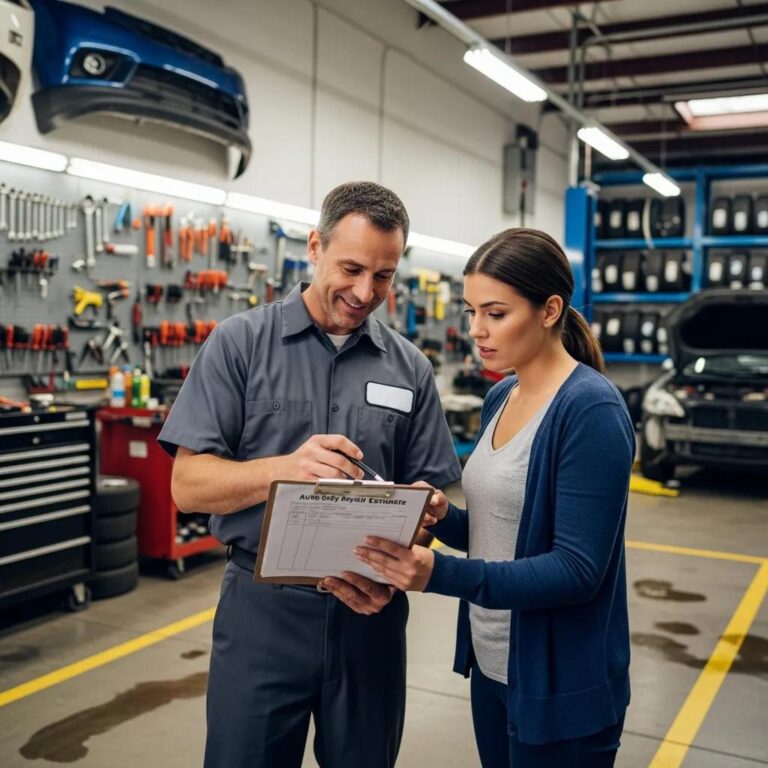
To avoid surprises, always ask for a detailed written estimate and clarify what could add to the final cost before any work begins.
Why Do Repair Delays and Poor Communication Happen?

Long delays and spotty updates are common complaints. They usually come from a few predictable causes:
- Supply Chain Issues: Waiting for parts can push timelines out unexpectedly.
- Workload Management: Shops that are short-staffed or swamped may struggle to keep each customer updated.
- Lack of Transparency: When shops don’t proactively share status updates, customers are left in the dark.
Ask a shop how they handle parts delays and how often they will update you. Good communication is a clear sign of professionalism.
How Can You Identify and Avoid Common Auto Repair Scams?
Knowing the typical scams helps you protect your wallet and your safety. Watch for these warning signs and tactics.
What Are the Red Flags for Unnecessary Repairs and Low-Quality Parts?
Unneeded repairs and cheap parts can cost you money and create safety risks. Look out for these red flags:
- Vague Explanations: If a technician can’t clearly explain why a repair is necessary, ask for details and a second opinion.
- Pressure Tactics: Be cautious of shops that push you to accept work immediately without time to review options.
- Low-Quality Parts: Ask whether the shop uses OEM (Original Equipment Manufacturer) parts or aftermarket components and why — OEM parts usually match original specs.
How Do You Spot Hidden Fees and Insurance Deductible Schemes?
Hidden fees and confusing deductible handling are common. Protect yourself with these steps:
- Request a Written Estimate: A clear, itemized estimate helps you compare and confirm costs.
- Understand Your Insurance Policy: Know what your policy covers so you’re not surprised by out-of-pocket charges.
- Ask About Deductibles: Clarify how deductibles will be applied and whether the shop will add any extra fees to your bill.
Why Are Certified Collision Repairs Important for Quality and Safety?

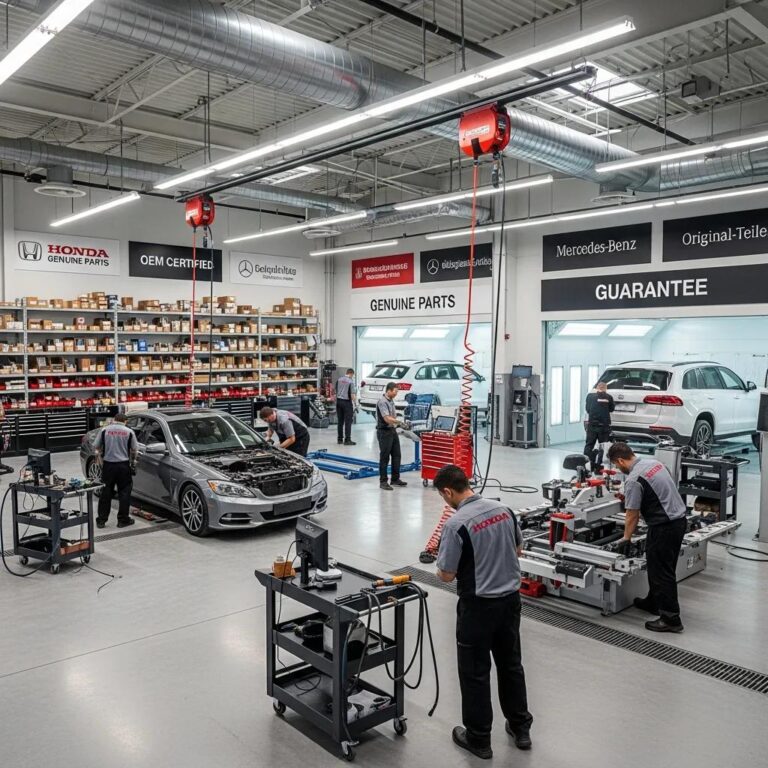
Certified collision repairs follow manufacturer standards so your vehicle is restored safely and correctly. Certification means the shop meets specific training and equipment requirements — which matters for performance and safety after a repair.
What Benefits Do OEM-Certified Repairs Offer?
- Quality Assurance: Using parts that meet the manufacturer’s specs helps your vehicle perform as intended.
- Safety Compliance: Certified repairs follow procedures designed to keep structural and safety systems working correctly.
- Warranty Protection: Many OEM parts and certified services include warranties that add peace of mind.
How Do Certified Technicians and Modern Equipment Keep Repairs to Factory Standards?
Technician training and up-to-date equipment are essential. Together they deliver:
- Enhanced Repair Accuracy: Precision tools and trained technicians help meet or exceed manufacturer standards.
- Faster Turnaround Times: The right equipment and workflows can speed repairs without cutting corners.
- Higher Customer Satisfaction: Correct, high-quality repairs lead to fewer follow-up issues and happier customers.
How to Choose a Reliable Auto Body Shop: Key Factors to Consider
Picking a trustworthy shop comes down to a few practical checks that reveal how they run their business and treat customers.
Which Certifications and Reviews Signal a Trustworthy Shop?
Certifications and customer feedback offer a window into a shop’s capabilities and service quality. Look for:
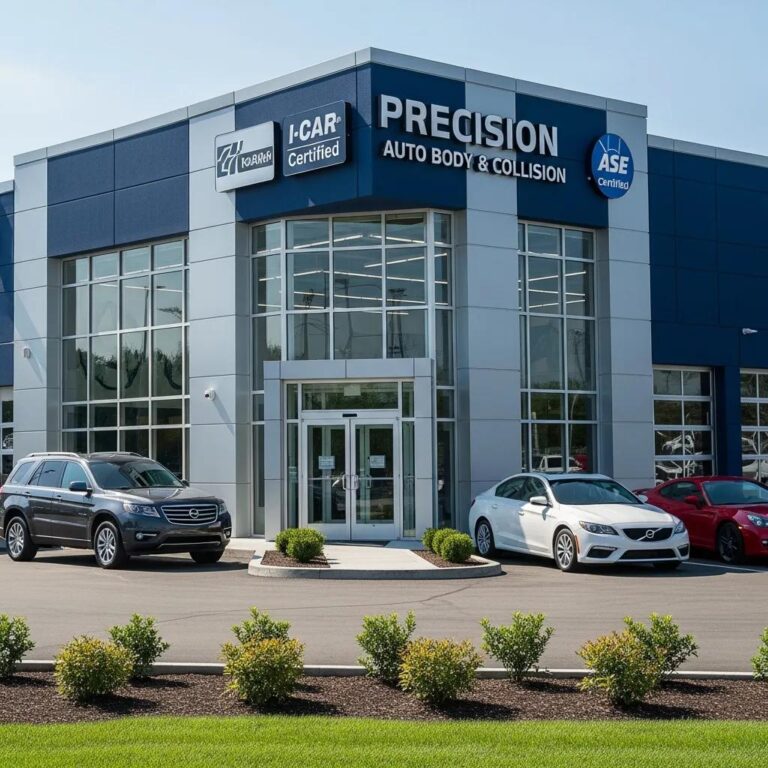
- Industry Certifications: Credentials from groups like I-CAR or ASE show ongoing training and competence.
- Positive Customer Feedback: Reviews and testimonials reveal how the shop performs on workmanship and communication.
- Accreditations: Memberships in professional organizations indicate a commitment to standards and best practices.
How Does Clear Pricing and Repair Warranties Build Confidence?
Transparency is foundational. A reliable shop will:
- Provide Clear Estimates: Itemized estimates reduce confusion and set clear expectations.
- Offer Repair Warranties: Written warranties show the shop stands behind its work.
- Encourage Open Communication: A willingness to answer questions and explain decisions builds trust.
How Does the Insurance Claim Process Affect Your Repair Experience?
The way a shop handles insurance can make your repair easier or more stressful. Understanding the steps helps you stay in control.
What Support Should You Expect from a Shop That Works with Major Insurers?
A reputable shop will help you through the insurance process by offering:
- Claims Assistance: Guidance on what your policy covers and how to submit documentation.
- Direct Billing: Many shops can bill the insurer directly to simplify payment for you.
- Advocacy: A good shop will work with the insurer on your behalf to make sure your claim is handled fairly.
How Can You Understand Your Insurance Policy and Stand Up for Yourself?
Being informed is the best protection. Key steps include:
- Reviewing Your Coverage: Know your limits, deductibles, and any exclusions in your policy.
- Asking Questions: If anything is unclear, ask your agent or the shop for plain-language explanations.
- Documenting Everything: Keep records of calls, emails, estimates, and invoices to support any disputes.
What Makes Prime Time Collision Center the Dependable Choice for Vehicle Repairs?
Prime Time Collision Center earns trust by combining certified repairs, clear communication, and a customer-first approach — so your vehicle is fixed right the first time.
How Does Prime Time Deliver OEM-Quality Repairs and Great Customer Service?
At Prime Time Collision Center we focus on returning your vehicle to pre-accident condition using certified processes and quality parts. We back that work with clear communication and thorough quality checks, including:
- Thorough Inspections: Every vehicle gets a full inspection to identify necessary repairs and avoid surprises.
- Clear Communication: We keep you updated through the process so you always know what’s happening.
- Quality Control Measures: Final checks ensure repairs meet our standards before your car leaves the shop.
What Role Do Certified Technicians and Smooth Insurance Handling Play?
Our certified technicians and insurance experience are designed to reduce hassle and deliver reliable results. That means:
- Expertise in Repair Techniques: Technicians trained in modern repair methods ensure the work is done right.
- Efficient Insurance Processing: Our familiarity with major insurers helps speed claims and reduce stress.
- Commitment to Customer Care: We prioritize clear answers and timely service so you feel supported every step of the way.
Understanding the common complaints about local body shops helps you choose a collision repair shop with confidence. By spotting warning signs, prioritizing certified repairs, and asking the right questions about insurance and pricing, you can avoid common problems. Prime Time Collision Center focuses on clear communication, certified repairs, and customer care to make your repair experience as smooth as possible.
Frequently Asked Questions
What should I look for in a warranty when choosing an auto body shop?
Look for a written warranty that covers both parts and labor for a defined period — often one year or more. A transferable warranty is a bonus if you sell the vehicle later. A clear, written warranty shows the shop stands behind its work.
How can I ensure that the auto body shop uses quality parts?
Ask the shop whether they use OEM (Original Equipment Manufacturer) parts or aftermarket alternatives, and why. Request documentation or receipts for parts used in your repair. A transparent shop will provide that information without hesitation.
What steps can I take if I am unhappy with the repair work?
Start by talking directly with the shop and explain the issues with specific details. Give them a chance to fix the problem. If they won’t cooperate, escalate to a consumer protection agency or the Better Business Bureau and keep all documentation and communications handy.
How can I find out if an auto body shop has a good reputation?
Check online reviews on Google, Yelp, and Facebook and look for consistent feedback about workmanship and communication. Ask friends or family for recommendations, verify industry certifications, and visit the shop to judge cleanliness and professionalism in person.
What should I do if my insurance claim is denied?
Carefully read the denial letter to understand why the claim was denied, then contact your insurer for clarification and next steps. You may need to submit more documentation or file an appeal. If needed, consult a claims advocate or an attorney who specializes in insurance disputes.
Are there any consumer rights I should be aware of when dealing with auto body shops?
Yes. You generally have the right to receive a detailed written estimate before work begins, approve any additional repairs or costs, and expect a warranty on the work performed. Check your state’s consumer protection laws for specific rights and remedies.
Conclusion
Knowing the common complaints about local body shops puts you in a stronger position when you need repairs. Prioritize clear estimates, certified repairs, and open communication to avoid surprises. Prime Time Collision Center combines certified workmanship, transparent processes, and customer-focused service to make repairs easier — so you can get back on the road with confidence. Explore our services to learn how we can help with your next repair.