Minor vs. Major Collision Repair: A Clear Guide for Vehicle Owners
Knowing the difference between minor and major collision repair helps you protect safety, retain your vehicle’s value, and work effectively with your insurance company. This guide breaks down cosmetic versus structural damage, how technicians evaluate and fix each type, and why certified, OEM-aligned repairs matter for long-term safety and resale. Small dents or scrapes can hide bigger problems, and mislabeling serious damage can delay necessary structural work—this article helps you tell the difference and choose the right path. You’ll learn common repair methods for minor damage, the workflow for structural repairs, the inspection steps professionals and insurers use, and practical tips for filing claims. Prime Time Collision Center is I-CAR Platinum certified, serves Glendale, CA, provides free estimates and 24/7 towing support, and coordinates with all major insurers to simplify repairs. Read on to learn how to spot damage, what repairs involve, and when it’s important to call certified technicians for factory-quality restoration.
What Is Minor Collision Damage and How Is It Repaired?

Minor collision damage is cosmetic, non-structural harm that doesn’t affect the vehicle’s frame, crumple zones, or core safety systems. Common causes are low-speed bumps, parking-lot dings, and surface scratches that change how the vehicle looks but leave its structural integrity intact. Fixing minor damage quickly protects the paint, prevents corrosion, and helps preserve resale value while avoiding larger future costs. The next section clarifies the visual signs that usually indicate cosmetic damage.
Which Types of Damage Are Considered Minor or Cosmetic?
Cosmetic damage typically includes isolated dents, shallow scratches, and bumper scuffs that don’t warp panels or affect alignment. You can usually tell by checking that doors and hoods open smoothly, panel gaps look even, and there’s no sign of intrusion into the passenger area. Paint chips that expose bare metal start out cosmetic but can lead to rust if left alone, so prompt attention matters. Spotting these cues helps you decide whether a quick cosmetic fix or a deeper inspection is needed.
- Look for shallow dents, paint chips, and surface scuffing as common cosmetic issues.
- Cosmetic damage usually leaves doors, hoods, and wheel alignment functioning normally.
- Treating cosmetic issues early prevents paint failure and rust that could develop into structural problems.
Most minor cosmetic problems are straightforward to correct. The next subsection explains the repair techniques used to restore appearance while avoiding unnecessary part replacement.
What Repair Methods Are Used for Minor Collision Damage?
Minor repairs commonly use paintless dent repair (PDR), spot touch-ups, and targeted bumper work to return the vehicle to factory appearance with minimal parts replacement. PDR removes dents by working the metal from behind the panel and preserves original paint—it’s faster and less invasive than panel replacement. Touch-up paint and spot refinishing repair chips and scratches, and paint blending keeps color consistent across panels. When minor damage is repaired correctly, original parts and factory fit remain intact, which helps maintain value and safety.
Different techniques suit different damage types. The table below summarizes typical minor damage, recommended fixes, and expected results.
| Damage Type | Typical Repair Method | Expected Outcome |
|---|---|---|
| Shallow dent (no paint break) | Paintless dent repair (PDR) | Restores panel shape and keeps original paint; quick turnaround |
| Surface scratch (paint intact) | Wet sanding and polish | Smooth, nearly invisible finish restoration |
| Paint chip | Touch-up paint or spot repair | Prevents rust and improves appearance |
| Bumper scuff | Scuff removal or partial repaint | Restores color and texture with little to no replacement |
These approaches usually save time and money compared with major repairs. Next, we’ll explain what qualifies as major collision damage.
What Constitutes Major Collision Damage and Its Repair Process?
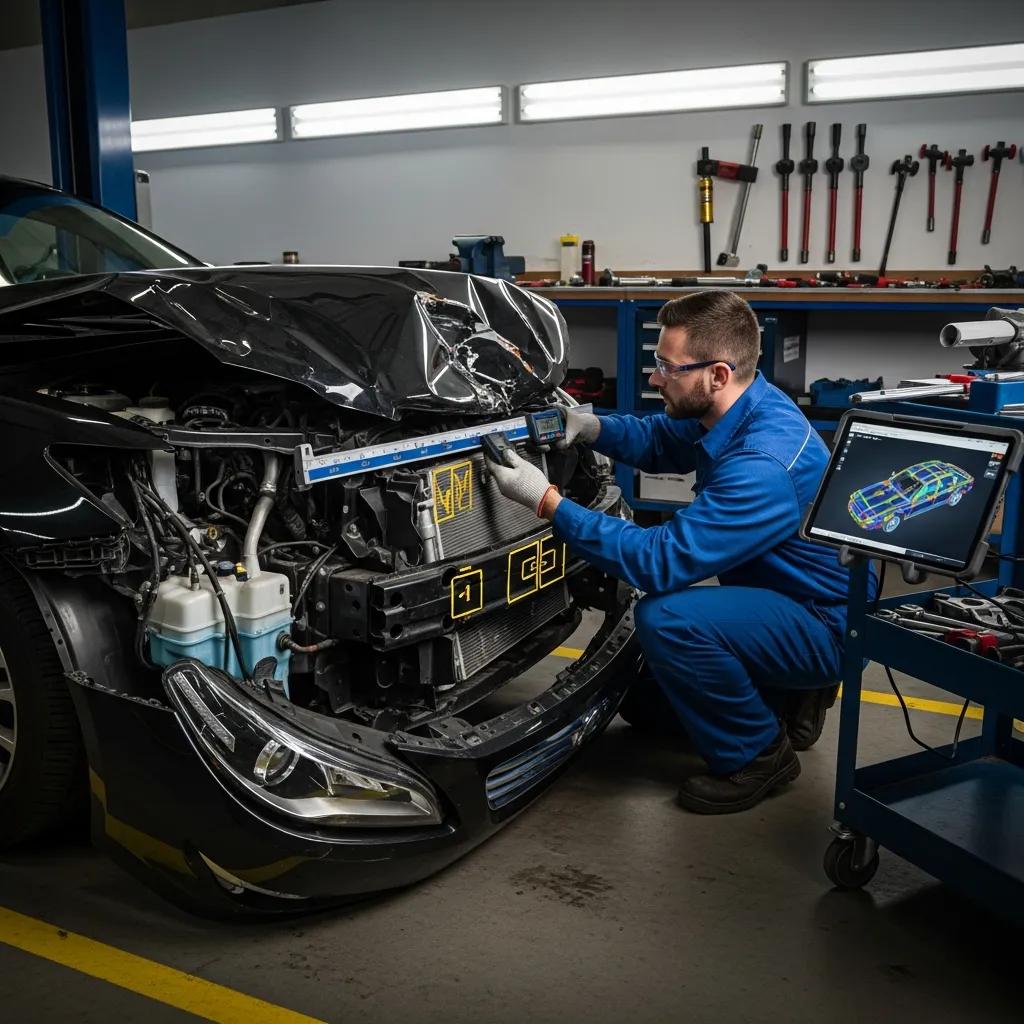
Major collision damage means structural compromise, significant intrusion, or deployment of primary safety systems, and it requires in-depth diagnostics and certified repair workflows. Structural damage can change how a vehicle absorbs energy in future crashes and can affect alignment, steering geometry, and overall crashworthiness—so prompt professional assessment is critical. Repairs for major collisions include precise measurement, frame straightening or unibody repair, replacement of damaged components, and recalibration of safety systems. The next section outlines how technicians define and find structural issues.
How Is Structural Damage Defined and Identified?
Structural damage is any deformation or misalignment of the frame, unibody, crumple zones, or mounting points that changes the vehicle’s designed crash behavior or component fit. Technicians detect it with frame-measurement systems, laser alignment rigs, and by checking for uneven panel gaps, doors that won’t latch properly, steering pull, or unusual tire wear. Diagnostics often include electronic scans for safety module faults and visual inspections for intrusion into the passenger area. Hidden damage can compromise safety even when outward signs look minor, so trained technicians and proper tools are essential.
When structural problems exist, specialized equipment and trained staff are required. The next subsection reviews common major repair services used to restore safety and function.
What Are the Common Major Repair Services?
Major collision services usually include frame straightening, unibody repair, panel replacement, airbag replacement, and ADAS sensor recalibration when advanced safety systems are involved. Frame straightening uses computerized measurements and hydraulic pulling to return chassis dimensions to OEM tolerances; unibody repair can involve controlled heat, welding, and reinforcement to restore strength. Deployed airbags and damaged sensors must be replaced and verified, and ADAS cameras and radars need precise recalibration to restore driver-assist functions. These repairs take longer and follow certified procedures to meet factory safety standards.
- Frame straightening is required when chassis measurements exceed manufacturer tolerances.
- Airbag and sensor replacement restores occupant protection systems after deployment.
- ADAS recalibration returns advanced safety features to correct operation.
The table below compares major damage types with typical repair actions, expected timeframes, and safety considerations.
| Damage Type | Required Repair Action | Typical Timeframe |
|---|---|---|
| Frame misalignment | Frame straightening and verification measurements | Several days to weeks |
| Intrusion into passenger compartment | Component replacement and structural repair | Several days to weeks |
| Airbag deployment | Module replacement and diagnostic checks | 1–3 days, depending on parts availability |
| ADAS sensor damage | Sensor replacement and precise recalibration | 1–3 days with calibration equipment |
Knowing these services highlights why certified technicians and OEM procedures are vital. Next, we cover how accident damage is assessed and classified for repairs and claims.
How Is Car Accident Damage Assessed and Classified?
Damage assessment follows stages: an initial visual check to identify safety problems, a detailed teardown and measurement to find hidden issues, and a formal estimate and classification insurers use to decide on repairs or total loss. Accurate assessment protects safety and helps you decide whether to repair or replace a vehicle. The next subsection lists what happens during both initial and detailed inspections so you know what to expect.
What Steps Are Involved in Initial and Detailed Damage Inspection?
The initial inspection includes photographing the scene and vehicle, checking for leaks or damaged tires, and noting any deployed safety systems. A shop’s detailed inspection may involve frame measurements, suspension and steering checks, electrical diagnostics, and ADAS testing to uncover non-obvious damage. Technicians then prepare an itemized estimate that separates cosmetic from structural repairs and lists required parts and labor. That report helps insurers make informed decisions and sets the repair plan in motion.
- Take photos at the scene and note any immediate safety concerns.
- Bring the vehicle in for a shop inspection that includes frame and mechanical diagnostics.
- Get an itemized estimate and repair plan for insurer review and approval.
These steps explain how adjusters classify damage, which we cover next.
How Do Insurance Companies Determine Minor vs Major Damage?
Insurers review repair estimates, safety implications, and total-loss thresholds to categorize damage—cost alone isn’t the only factor because structural involvement and safety risk carry major weight. Adjusters compare the shop’s inspection and measurements with manufacturer repair procedures and may call for independent appraisals on complex claims. If repairs exceed a percentage of vehicle value or structural integrity is compromised, the insurer may declare a total loss. A thorough assessment from a certified collision center can influence those decisions and help ensure the right repairs are authorized.
- Insurers weigh repair cost, safety impact, and parts availability.
- Detailed shop documentation reduces disputes and supports accurate classification.
- Total loss decisions factor in vehicle value and safety concerns.
Clear assessment practices lead into why certifications matter for safe, factory-quality repairs.
Why Are Auto Body Repair Certifications Important for Quality and Safety?
Certifications show a collision center follows standardized training, tools, and procedures aligned with OEM repair methods—directly affecting safety and performance after repair. Certified shops invest in technician education, calibrated equipment, and process controls so frame measurements, welding, and electronic calibrations meet manufacturer specs. For vehicle owners, certified repairs reduce the risk of diminished safety, unexpected failures, and resale disputes. The next subsection explains specific credentials like I-CAR Platinum and OEM programs in more detail.
What Is the Role of I-CAR Platinum and OEM Certifications?
I-CAR Platinum means a shop’s technicians, estimators, and managers have completed advanced training that follows industry-recommended repair practices. OEM certifications supplement I-CAR by ensuring repair steps, tools, and parts match a manufacturer’s specific procedures, which helps restore factory tolerances and safety features. Together, these credentials show a facility uses documented repair sequences, calibrated tools, and trained staff to handle modern vehicle structures and electronics. Knowing this helps you pick a shop that prioritizes safe, OEM-quality outcomes.
Certified processes and trained personnel reduce variability in repair quality. Next, we explain how certified technicians deliver factory-quality repairs in practice.
How Do Certified Technicians Ensure Factory-Quality Repairs?
Certified technicians follow manufacturer repair procedures, use calibrated measurement systems, and perform documented quality checks such as alignment verification and post-repair diagnostic scans. They confirm welds, rivets, and adhesives meet specs, and they run final tests on steering, suspension, and ADAS systems to verify restored functionality. These checkpoints produce measurable results that protect occupants and preserve vehicle value. The focus on training and equipment helps ensure repairs match the original engineering intent.
How to Navigate Insurance Claims for Minor and Major Collision Repairs?
Smoother claims start with clear documentation, timely estimates, and knowing when to involve a certified shop that insurers respect. For minor accidents, you’ll weigh repair cost against your deductible and long-term value. Major claims involve rental coverage, salvage evaluations, and close adjuster coordination. Knowing which documents to gather and how shops interact with insurers reduces delays and helps ensure proper repairs. The next subsection outlines a simple process for filing a claim after a minor accident.
What Is the Process for Filing a Claim After a Minor Accident?
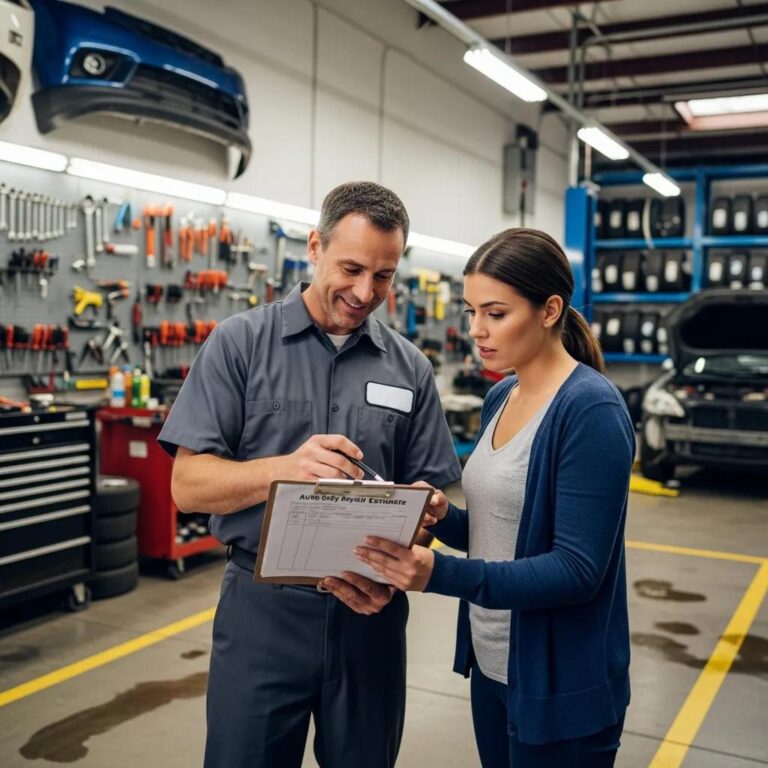
After a minor accident, document the scene with photos, exchange insurance details if needed, and check for safety issues. Report the claim to your insurer if damage exceeds your deductible or if you want to protect your coverage. Get a professional estimate from a certified collision center—many offer free estimates—to decide if filing is worthwhile. If you file, submit the estimate and photos, authorize approved repairs, and stay updated on progress. Working with a shop experienced in claims can speed approvals and scheduling.
- Document damage with clear photos from multiple angles.
- Get a free estimate from a certified shop to help decide whether to file.
- Submit documentation to your insurer and authorize repairs once approved.
Now let’s look at how major accidents change the claim process.
How Does a Major Accident Affect Insurance Claims and Coverage?
Major accidents trigger more involved insurer workflows: detailed inspections, rental-vehicle decisions, salvage evaluations, and possible total loss determinations based on repair cost versus vehicle value. Insurers may request multiple estimates, coordinate with salvage, and manage parts procurement for complex repairs—lengthening timelines. Expect more documentation requests and frequent communication between the shop and adjuster. A certified collision center experienced with major claims can handle technical reporting, calibrations, and insurer coordination to reduce disputes and safely restore your vehicle.
- Major claims often include rental coverage and longer repair timelines.
- Salvage and total loss decisions depend on repair cost ratios and safety concerns.
- Certified shops support complex claims with detailed measurements and technical reports.
The table below shows typical insurer actions and recommended customer steps for different claim types.
| Claim Type | Typical Insurer Action | Customer Next Steps |
|---|---|---|
| Minor cosmetic claim | Quick estimate review and approval | Provide photos, get a free estimate, authorize repair |
| Major structural claim | Detailed inspection and measurement verification | Obtain a certified shop report and coordinate with the adjuster |
| Total loss consideration | Vehicle valuation and salvage review | Review the settlement and request a detailed appraisal |
Clear documentation and a certified shop’s support often speed insurer decisions—another reason choosing the right repair partner matters.
Why Choose Prime Time Collision Center for Your Collision Repair Needs?
Prime Time Collision Center in Glendale focuses on OEM-quality repairs, transparent insurer coordination, and building customer trust through certified technicians and full-service support. We’re I-CAR Platinum certified, work with all major insurance companies, and offer free estimates, 24/7 towing, and easy appointment scheduling to simplify your repair experience. Those capabilities mean repairs are handled by trained staff with calibrated equipment, helping restore your vehicle to factory tolerances. If you need an estimate, claim assistance, or towing, contact Prime Time Collision Center to schedule an assessment.
How Do Our Certified Technicians and Services Stand Out?
Our team holds industry-recognized training and follows OEM repair sequences that prioritize structural integrity, proper welding, and precise alignment. Combining I-CAR Platinum processes with attention to OEM parts and calibration helps ensure frame work, airbag replacement, and ADAS recalibration meet manufacturer standards. We provide clear documentation and a detailed repair plan to support insurer review and protect your vehicle’s value. Choosing a certified facility lowers the risk of incomplete repairs and safeguards long-term safety.
What Support and Guarantees Do We Offer During Your Repair Process?
Prime Time Collision Center provides free estimates, coordinates with insurers, and shares clear repair timelines so you understand each step and the expected completion date. We offer 24/7 towing to bring your vehicle to a secure facility for inspection and keep records that streamline insurer communication. Appointments for inspections and repairs are easy to book, and our process controls aim to deliver predictable, factory-quality outcomes. For personalized help with a claim or to schedule an estimate, contact Prime Time Collision Center in Glendale, CA.
This guide has covered how to recognize minor versus major collision damage, common repair methods, how assessments and insurer classifications work, why certifications matter, and practical steps for filing claims and choosing a certified repair partner.
Frequently Asked Questions
What should I do immediately after a car accident?
Right after an accident, make sure everyone is safe—check for injuries and move to a safe spot if you can. Photograph the scene, the vehicles, and any visible damage. Exchange insurance and contact information with other drivers and call the police if required. Report the incident to your insurer if damages exceed your deductible or if you want to preserve coverage. Good documentation will make filing a claim much easier later.
How can I tell if my vehicle has sustained major damage?
Signs of major damage include misaligned doors, uneven panel gaps, intrusion into the passenger area, steering pull, or unusual tire wear. Airbag deployment is a clear indicator that a professional inspection is needed. If you see any of these signs, bring the vehicle to a certified technician for a full assessment—hidden structural issues are common after serious impacts.
What are the potential long-term effects of ignoring minor collision damage?
Ignoring minor damage can lead to rust from exposed metal, worsening dents, and potentially higher repair costs down the road. Cosmetic issues can also hurt resale value. Addressing small chips, scratches, and dents promptly preserves the paint, prevents corrosion, and keeps future repair bills from growing.
How do I choose the right collision repair shop?
Look for certifications like I-CAR Platinum, positive customer reviews, and experience with your vehicle make and model. Ask if the shop uses OEM parts, follows manufacturer repair procedures, and offers warranties. A reputable shop will provide transparent estimates and communicate clearly through the repair process.
What should I expect during the repair process?
Expect an initial assessment, a detailed inspection, and an itemized estimate outlining needed repairs and costs. Repair times vary—from a few days for minor work to several weeks for major structural repairs. The shop should keep you updated on progress and perform a final inspection to confirm safety and quality standards have been met.
Are there any warranties on collision repairs?
Many reputable shops back their work with warranties that cover repair quality, paint, and parts. Warranty length and coverage vary, so ask for details before you authorize work. Keeping warranty documentation ensures you can return for adjustments if issues appear after repairs.
How can I expedite my insurance claim process?
Speed up a claim by documenting the accident with photos, obtaining a detailed estimate from a certified collision center, and promptly submitting the estimate, photos, and any police reports to your insurer. Stay in regular contact with both the insurer and the repair shop to keep the process moving. Being organized and proactive can significantly reduce delays.
Conclusion
Knowing the difference between minor and major collision repairs helps you make smart choices that protect safety and preserve vehicle value. Certified repair processes and clear insurer coordination are key to a reliable outcome. For professional help and quality repairs, reach out to Prime Time Collision Center—our trained technicians are ready to assist. Explore our services or schedule an estimate to make sure your vehicle gets the care it deserves.