


Understanding Your Car’s Anti-lock Braking System (ABS): How It Works and What to Do When Issues Arise
The anti-lock braking system (ABS) helps prevent wheels from locking up during hard braking by monitoring wheel speed, adjusting hydraulic pressure, and keeping steering under your control. This guide explains ABS in plain language, lists common warning signs, and tells you what to do after a collision to keep everyone safe. If you feel a pulsing brake pedal, see the ABS light, or notice strange stopping behavior, you’ll find clear next steps here — including when to call a shop that follows OEM procedures. We’ll cover how ABS parts work together, how technicians diagnose faults, when to repair versus replace components, and what repair options look like in Glendale and greater Los Angeles. The goal is practical, safety-focused information so you can make smart choices after an incident or during routine maintenance.
What Is the Anti-lock Braking System and Why Is It Essential for Your Safety?
ABS is an electronic safety system that watches each wheel’s speed and automatically adjusts brake pressure to prevent a wheel from locking during sudden or heavy stops. Sensors detect rapid deceleration or wheel slip, the control module interprets that data, and the hydraulic unit raises or lowers pressure so the wheel keeps turning. The result: better steering control and less skidding—especially on wet or icy roads. Knowing what ABS does helps you understand why a warning light shouldn’t be ignored and why certified diagnostics matter after a crash. The sections below break the system down into practical steps and real-world benefits.
How Does ABS Prevent Wheel Lock-up and Improve Vehicle Control?
ABS works as a fast control loop: wheel speed sensors send rotation data, the ABS control module looks for sudden changes, and the hydraulic unit adjusts brake pressure many times per second. If a sensor sees a wheel slowing much faster than the others, the module tells the hydraulic unit to reduce pressure for that wheel; when slip drops, pressure is reapplied. You may feel a rapid pulsing in the brake pedal or hear a mechanical noise when ABS is active — those sensations mean the system is working, not failing. This fast cycling lets you keep steering while braking hard, which is the main safety advantage of ABS. Understanding these cues helps you tell normal ABS activity from a real problem.
What Are the Key Benefits of Anti-lock Brakes for Drivers?
ABS gives you more predictable control during emergency stops and on slippery surfaces. It helps you keep steering while slowing, lowers the chance of skidding, and can reduce stopping distance on some surfaces (like wet pavement), though not always on loose gravel or ice. ABS also works alongside traction control and stability systems to keep the car behaving predictably when traction varies. That’s why ABS is standard on modern cars — and why you want it functioning properly after any collision.
How Does Your Car’s ABS Work: Components and Operational Process
The ABS control loop relies on a few key parts: wheel speed sensors, the ABS control module, and a hydraulic control unit with valves and a pump. Sensors track each wheel’s rotation; when the module detects a problem it sends commands and the hydraulic unit adjusts brake pressure. You may notice the pedal pulsing or a faint noise when the system intervenes—those are normal signs the system is protecting traction and steering. Below we describe each major component and provide a quick reference to link parts with common symptoms, which helps both drivers and technicians focus diagnostics.
ABS components and their primary roles are summarized for quick inspection and diagnostic focus:
| Component | Function | Common Fault Symptom |
|---|---|---|
| Wheel speed sensor | Reads wheel rotation and reports slip to the control module | Intermittent ABS light or incorrect wheel speed readings |
| ABS control module | Interprets sensor data and issues braking commands | Persistent ABS warning or erratic ABS activation |
| Hydraulic control unit (valve block & pump) | Changes brake fluid pressure at each wheel per module commands | Loss of ABS modulation, or a spongy/unresponsive pedal |
What Are the Main ABS Components: Sensors, Control Module, and Hydraulic Unit?
Wheel speed sensors sit at each wheel and create electrical signals that reflect rotation. The ABS control module is the system’s brain — it reads those signals, stores diagnostic codes, and decides when to intervene. The hydraulic control unit contains valves and a pump that physically change brake fluid pressure to the wheels in real time. Failures can come from dirty or damaged sensors, module electronics faults, or hydraulic leaks, so technicians check connectors, scan for codes, and test pressures to find the root cause. Knowing each part’s job makes it easier to understand diagnostic recommendations and why OEM procedures matter for a reliable repair.
How Does the ABS Activate During Hard Braking to Maintain Steering?
When you brake hard, sensors keep sending wheel speed data; if one wheel slows much faster than the others, the control module detects impending lock-up and triggers pressure modulation. The hydraulic unit quickly lowers pressure to that wheel for a fraction of a second, then reapplies it when slip drops — repeating as needed until the stop is complete. You’ll usually feel the pedal pulse and might hear a faint buzzing. That’s ABS doing its job so you can steer around hazards while slowing. Recognizing normal ABS activation helps you avoid unnecessary worry and focus on any genuine warning signs that need a technician’s attention.
What Does It Mean When Your ABS Warning Light Comes On and How Should You Respond?
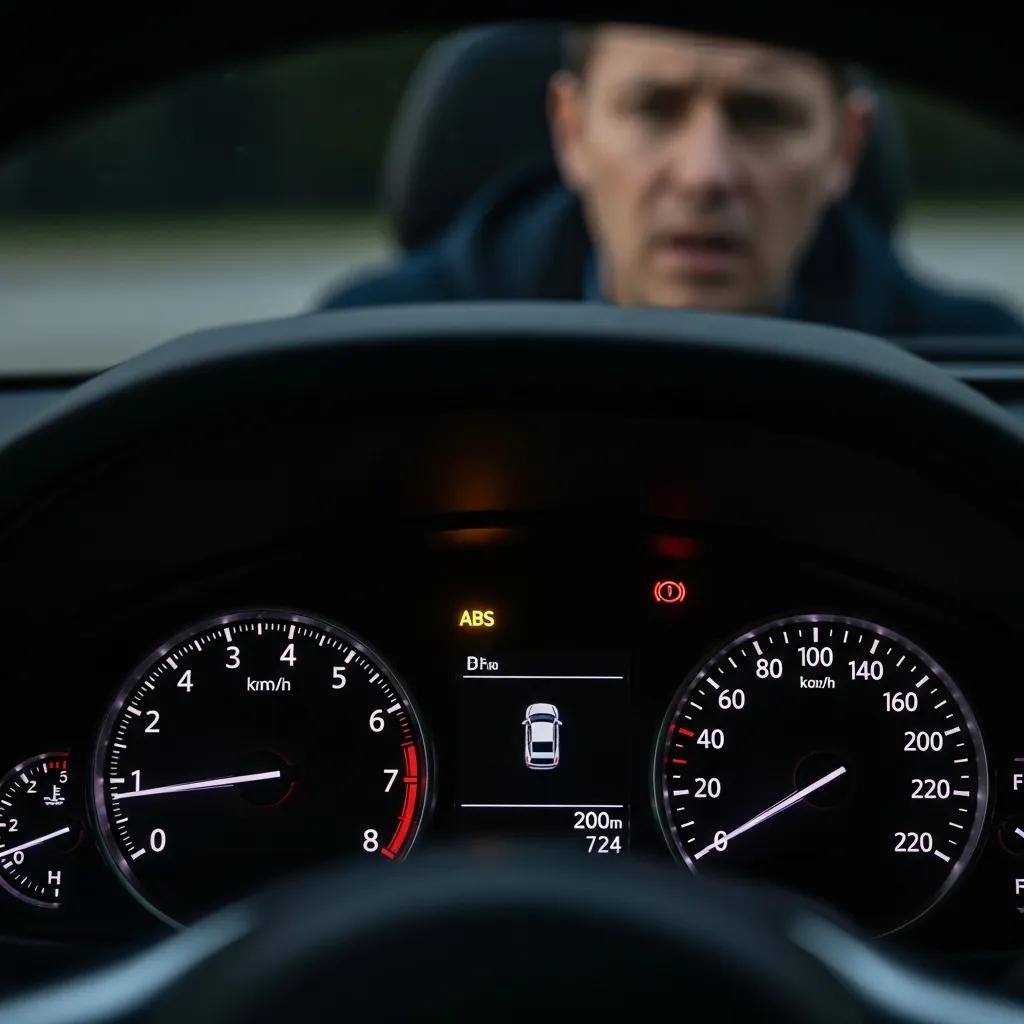
An ABS warning light means the system has detected a fault and either limited or disabled ABS functions until the issue is fixed. Causes range from a bad wheel speed sensor, low brake fluid, wiring or fuse problems, to a failing ABS module or hydraulic unit. The light is a prompt to read stored trouble codes and inspect the system. Your immediate response depends on whether the ABS light appears alone or with the main brake warning: if only ABS is on, you still have basic braking but without anti-lock protection; if both lights are on, that’s more urgent. The table below gives quick guidance so you know what to do before a professional checks the car.
When the ABS light appears, use this quick-reference to decide next steps:
| Indicator | Possible Cause | Immediate Action |
|---|---|---|
| ABS light only | Sensor fault, blown fuse, or module error | Drive carefully to a safe spot and schedule a diagnostic scan |
| ABS + brake warning light | Low brake fluid, hydraulic leak, or master cylinder issue | Stop driving and get immediate professional inspection |
| Intermittent ABS light | Wiring corrosion or an intermittent sensor connection | Avoid high speeds and arrange inspection soon |
What Are Common Causes of an Illuminated ABS Warning Light?
Several simple and technical problems can trigger the ABS light. The most common is a faulty wheel speed sensor—dirt, corrosion, or damage can disrupt the signal. Low brake fluid or a hydraulic leak can also set warnings, as can blown fuses, damaged wiring, or connector problems that interrupt communication. Persistent codes may point to ABS module electronics or software faults. A basic visual check you can do is look for obvious fluid leaks and inspect exposed connectors, but deeper electrical and hydraulic checks need a scanner and a trained technician. Starting with a code read, then a physical inspection, and finally component testing reduces unnecessary part swaps and speeds up repair.
Is It Safe to Drive with the ABS Light On and When Should You Seek Professional Help?
If the ABS light is on but the main brake warning light is off, your regular brakes will still work — but without anti-lock protection. You can drive to a safe location or repair shop, but slow down, leave more stopping distance, and avoid risky driving. If both ABS and brake lights are on, or if you feel a soft pedal or see fluid leaking, stop driving and get immediate help — your stopping ability may be compromised. After a collision, even if the ABS light stays off, get a certified post-accident inspection to confirm ABS and related systems weren’t affected. Prompt professional diagnosis is the best way to restore safety to factory standards.
What Are Common Anti-lock Brake System Problems and How Are They Diagnosed?
Typical ABS failures include wheel speed sensor issues, control module faults, hydraulic block or pump problems, wiring/connectivity failures, and contamination or damage from impacts or debris. A certified diagnostic process starts with an ABS code scan to pull trouble codes, then moves to targeted electrical checks, possible bench testing of modules, and hydraulic pressure tests to confirm valve and pump operation. Accurate diagnosis avoids unnecessary replacements and ensures the right components are repaired or calibrated so the system performs safely. The sections that follow contrast sensor versus module failures and outline the tools technicians use to pinpoint ABS issues.
How Do Faulty Wheel Speed Sensors and ABS Module Failures Affect Braking?
A failing wheel speed sensor can stop the ABS from detecting slip at that wheel, which may cause the system to ignore that wheel during modulation or to turn off ABS altogether and light the warning lamp. Usually basic braking remains functional, but ABS coverage is reduced. An ABS module failure can have broader effects: it may disable the whole anti-lock function, cause erratic activation, or prevent the hydraulic unit from responding, and it can also trigger other stability-system warnings. Sensor swaps are often straightforward; module faults can require bench repairs, recoding, or replacement and calibration. Professional diagnosis tells you which path is right for your car.
What Diagnostic Tools and Procedures Are Used to Identify ABS Issues?
Technicians use ABS-capable OBD-II scanners and manufacturer diagnostic software to read and interpret ABS-specific codes, which guide the testing order. A multimeter or oscilloscope may validate sensor signals and wiring. Visual checks include inspecting tone rings for damage or contamination, checking connectors for corrosion, and examining the hydraulic unit for leaks. Bench testing lets technicians evaluate modules off the vehicle when codes suggest internal faults, and pressure/flow testing confirms valve and pump response. Controlled road tests with live data logging are sometimes used to reproduce symptoms and match what you felt in the car to the recorded sensor behavior.
How Much Does ABS Module Repair Cost and What Factors Influence Pricing in Glendale, CA?

Costs for ABS module repair or replacement vary by part availability, vehicle make and model, labor complexity, and whether coding or calibration is required. In Glendale and the greater Los Angeles area, those factors—plus whether the hydraulic unit needs work or insurance covers post-collision repairs—drive price ranges. Reconditioning an ABS module often costs less than a full replacement, but not all modules can be reconditioned. Below is a transparent local cost reference to help you set expectations when requesting estimates.
| Service Type | Typical Cost Range (Glendale, CA) | Notes (OEM vs aftermarket, labor) |
|---|---|---|
| ABS module repair (reconditioning) | $300 – $800 | Lower parts cost, may require bench repair and recoding |
| ABS module replacement (part + labor) | $600 – $1,800 | OEM parts at upper end; calibration and coding add labor |
| Hydraulic control unit repair/replacement | $400 – $1,200 | Labor-intensive; leaks or pump failures increase cost |
What Is the Difference Between ABS Module Repair and Replacement Costs?
Reconditioning an ABS module usually costs less because it repairs internal components and avoids the price of a new OEM assembly, but not every failure is repairable. Replacement means fitting a new or remanufactured module and often requires vehicle-specific coding and calibration, which raises parts and labor costs — especially for newer or luxury vehicles. Repair is a good option when diagnostics show recoverable electronic faults; replacement is necessary for physical damage or irreparable electronics. Knowing the trade-offs helps you balance immediate savings against long-term reliability and OEM compatibility.
Why Are OEM Certified Repairs Important for ABS System Safety and Longevity?
OEM-certified repairs follow manufacturer procedures for parts, coding, and calibration, which helps maintain the ABS and related systems (like traction control and stability control) at factory performance levels. Certified technicians follow prescribed sequences for bench testing, software calibration, and post-repair validation to make sure the module and hydraulic unit meet factory tolerances. Using OEM-aligned parts and processes reduces the risk of incompatible modules or missed calibration steps that can affect safety-critical systems over time. For drivers, OEM-certified work means more predictable braking, preserved safety features, and better outcomes after an accident.
Why Choose Prime Time Collision Center for Expert ABS Repairs and Post-Accident Safety?
Prime Time Collision Center provides local, OEM-focused collision and auto repairs in Glendale, with an emphasis on certified procedures and clear customer support after accidents. We serve the greater Los Angeles area, including Burbank and Pasadena, and offer advantages like I-CAR Platinum certified technicians, help with accident claims, free 24/7 towing and estimates, OEM-aligned repairs, and a lifetime warranty on our work. If you want a repair partner that prioritizes safety-system restoration and insurance coordination, choosing a shop that follows manufacturer procedures helps make sure ABS and other systems are returned to factory standards. Below we explain what I-CAR Platinum means for ABS work and how Prime Time supports claims and warranty needs.
How Does I-CAR Platinum Certification Ensure Quality ABS Repairs?
I-CAR Platinum certification shows a repair facility invests in technician training and equipment to meet advanced manufacturer repair procedures for complex safety systems, including ABS and electronic stability features. That training and tooling help technicians follow OEM sequences for module bench testing, hydraulic pressure checks, and post-repair validation drives so the vehicle’s safety function is restored. Relying on certified expertise reduces the chances of improper repairs and supports better long-term outcomes for systems that interact across multiple safety features.
How Does Prime Time Assist with Insurance Claims and Provide Warranty on ABS Services?
Prime Time Collision Center helps customers with insurance claims by preparing professional estimates, coordinating with insurers, and advising on OEM part authorization so repairs align with manufacturer guidance. We offer free 24/7 towing and estimates to get your vehicle to a safe inspection quickly after an incident. Prime Time also stands behind our work with a lifetime warranty on repairs, giving you added peace of mind that ABS and related collision repairs will be supported over time. For drivers, this combination of insurance coordination, towing, and warranty coverage simplifies the post-accident process while keeping OEM-certified repairs front and center.
Key services offered locally:
- I-CAR Platinum Certified Technicians: Technicians trained to meet manufacturer standards for complex systems.
- Insurance Claim Assistance: Help preparing estimates and coordinating with insurers for authorized repairs.
- Free 24/7 Towing and Estimates: Fast post-accident support to get vehicles to safe inspection and repair.
- If your ABS light appears, stay calm and follow the immediate-action guidance in the table above.
- If you notice soft brakes or multiple warning lights, stop driving and arrange a professional inspection.
- After a collision, prioritize OEM-certified diagnostics and calibration to protect braking performance.
Frequently Asked Questions
What should I do if my ABS light comes on while driving?
If the ABS light turns on while you’re driving, first check whether the main brake warning light is also illuminated. If only the ABS light is on, you can drive cautiously to a safe location or shop and schedule a diagnostic scan. If both lights are on, or you feel a soft brake pedal or see fluid leaks, stop driving and get professional help right away — your stopping ability could be affected.
How can I tell if my ABS is functioning properly?
During a hard stop you’ll usually feel a pulsing in the brake pedal and may hear a buzzing when ABS activates—those are normal signs the system is working. Also watch your dashboard: if the ABS warning light stays off during normal operation, that’s a good sign. Regular maintenance and inspections help keep sensors, wiring, and fluid in good condition.
Can I disable the ABS system in my vehicle?
Technically it’s possible to disable ABS, but we don’t recommend it. ABS improves control in emergency braking and disabling it increases stopping distance and the chance of skidding. If you have problems with ABS, seek a professional repair rather than trying to turn the system off. Safety should always come first.
What are the signs of a failing ABS control module?
Common signs include an illuminated ABS warning light, erratic or unexpected ABS activation, or a complete loss of anti-lock function. You might also notice unusual braking behavior. If you see these symptoms, have a qualified technician run diagnostic tests to identify the cause and recommend the right repairs.
How often should I have my ABS system inspected?
Have your ABS checked at least once a year or during routine brake service. Also inspect it promptly if you see warning lights, notice odd braking behavior, or have been in a collision. Regular checks help catch small issues before they affect safety.
What is the role of wheel speed sensors in the ABS?
Wheel speed sensors monitor each wheel’s rotation and send that information to the ABS control module. The module uses those signals to detect slip and adjust brake pressure to prevent lock-up. Proper sensor function is essential for effective ABS operation.
Are there any specific maintenance tips for the ABS system?
Keep brake fluid at the correct level and follow the manufacturer’s fluid change schedule. Inspect wheel speed sensors and wiring for dirt, corrosion, or damage. Have the system scanned during routine maintenance or any time a warning light appears, and use OEM parts for critical repairs when possible to preserve system reliability.
Conclusion
Knowing how your ABS works and what warning signs to watch for helps you stay safer on the road. If you see an ABS warning light, feel unusual pedal behavior, or have been in a collision, book a professional inspection that follows OEM procedures. Prime Time Collision Center is here to help — our certified technicians, towing, insurance support, and lifetime warranty make it easier to get your vehicle back to safe, factory-standard operation.