

Engine Warning Lights — What They Mean, Why They Come On, and What to Do
Dashboard lights are your car’s first line of communication when something in the powertrain, emissions system, or safety equipment needs attention. From the check engine lamp to oil pressure or airbag warnings, these indicators are designed to protect your vehicle and the people inside it by asking for inspection—or immediate action—when necessary.
In this guide we’ll walk through common engine and dashboard warnings, how to safely triage them, why lights may show up after a collision, and when a manufacturer-aligned diagnostic and repair process matters.
You’ll learn to tell steady from flashing alerts, read color-coded urgency, run basic checks, document post-accident symptoms for insurance, and understand the benefits of repairs done to factory standards.
We include practical steps, quick-reference tables, and checklists so you can act quickly and confidently when a warning light appears. We also explain the role of tools like OBD-II scanners and emphasize safety-first decisions about driving or towing.
What Does the Check Engine Light Mean?
The check engine light (CEL), also called the malfunction indicator lamp (MIL), tells you the engine control unit has spotted a problem that affects emissions or engine performance. Causes range from a loose gas cap to ignition misfires or failing emissions parts—because the ECU monitors sensors that control fuel, ignition, and emissions. A steady CEL usually means a non-emergency issue that should be checked soon. A flashing CEL signals a serious fault—often an active misfire—that can damage the catalytic converter and requires you to stop and get service right away. The most reliable diagnosis comes from reading diagnostic trouble codes (DTCs) with an OBD-II scanner, which points technicians to the subsystem at fault. Knowing what the CEL signals helps you prioritize safety and avoid bigger repairs down the road.
Common Causes of the Check Engine Light Illumination
Most CEL triggers come from a few systems and parts that are prone to wear or simple failures—recognizing them speeds troubleshooting. A loose or cracked gas cap can upset the evaporative emissions system and trigger the light, and that’s often an inexpensive fix. Bad oxygen sensors or a failing catalytic converter affect emissions and fuel trim, and can get costly if ignored. Ignition problems—worn spark plugs, failing coils, or misfires—can make the light flash and reduce engine efficiency while risking converter damage. Fuel delivery issues, vacuum leaks, or faulty sensors like the mass airflow or throttle position sensor are other common causes that an OBD-II scan will help pinpoint.
What To Do When the Check Engine Light Comes On
Use a simple, safe triage to decide whether to keep driving or get immediate help. If the light is flashing, pull over safely and stop driving as soon as you can—an active misfire can overheat and ruin the catalytic converter; call for a tow and professional inspection. If the light is steady, start with easy checks: tighten the gas cap, note any changes in performance or sounds, and record when the light came on. If you have access to an OBD-II scanner, read and save the DTCs—include conditions like speed, engine load, and temperature for the technician. If codes point to emissions or ignition faults, book a diagnostic with a certified shop sooner rather than later—early fixes save money and protect resale value.
How to Interpret Dashboard Warning Lights and Symbols
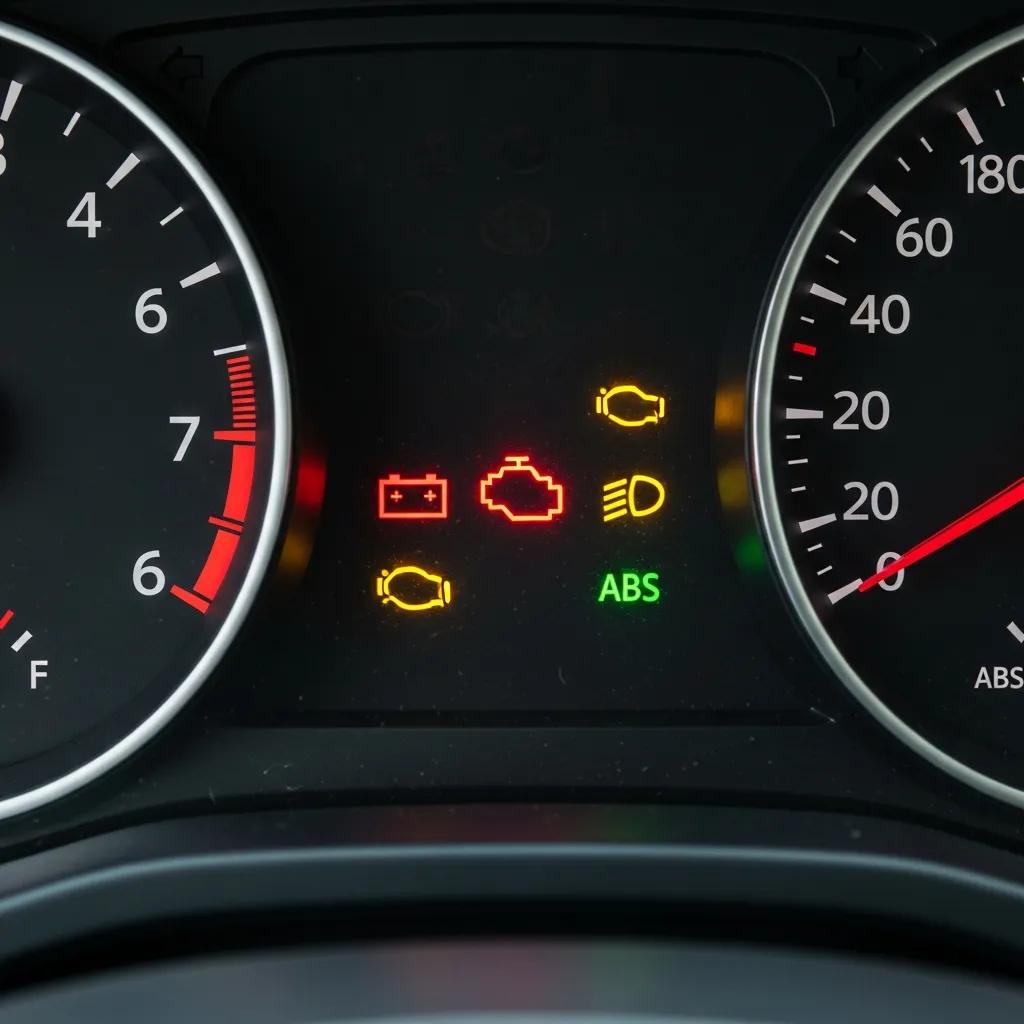
Dashboard lights use color and shape to convey urgency and system type so you can act fast. Generally, red lights mean stop and get help; yellow/orange lights mean caution and prompt service; green or blue lights are informational (like cruise control or high beams). Learning common icons—oil can, thermometer, battery, airbag, ABS ring—helps you respond without guesswork.
Below is a quick reference linking icons to likely causes and what to do next, with examples of each color class to guide fast decisions while driving.
| Warning Light | Typical Cause | Urgency / Action |
|---|---|---|
| Oil pressure (red oil can) | Low oil level or failed oil pump/pressure sensor | Stop safely; check oil level; if pressure stays low, arrange towing to a shop |
| Engine temperature (red thermometer) | Overheating from coolant loss or thermostat failure | Pull over immediately; let the engine cool; tow for inspection if needed |
| Battery/charging (red battery) | Alternator failure, battery fault, or loose belt | Avoid long drives; arrange service to prevent a no-start |
| Airbag/SRS (red airbag) | Sensor or module fault; deployed or disconnected sensor | Don’t ignore; this affects active restraints—inspect promptly |
| Check engine (yellow/orange) | Emissions, sensor, or ignition issues | Read codes and schedule diagnostics; drive carefully to a shop if needed |
This table clarifies common causes and the right level of urgency so you can protect safety and reduce secondary damage.
Knowing the color and icon mapping cuts guesswork and makes conversations with technicians faster and clearer.
Meaning of Red Warning Lights: Immediate Attention Required
Red lights signal serious problems that can threaten safety or cause major mechanical damage if ignored. Oil pressure or engine temperature warnings can quickly destroy engine internals—stop driving as soon as it’s safe, shut off the engine, and get professional help. Brake and airbag warnings affect core safety systems; driving with compromised brakes or inactive airbags is dangerous and needs immediate inspection. Persistent electrical reds, like a battery/charging light, can lead to sudden loss of power steering or ignition. After handling any immediate safety steps, document the condition and the lights for repair and insurance purposes.
Understanding Yellow and Orange Cautionary Lights
Yellow and orange lights warn of issues that usually allow limited driving to a repair facility but should be serviced soon. Examples include ABS, traction control, and a steady check engine light—these may reduce performance but don’t always create an immediate safety hazard. When a yellow light appears, watch how the vehicle behaves: if braking feels different, the car pulls, or symptoms persist, get expedited diagnostics. Some manufacturers give guidance on safe driving distance or time—if no guidance exists, plan for service within days or sooner if things worsen. Sensors for tire pressure or emissions can also trigger caution lights after minor impacts, so schedule diagnostics to confirm whether a sensor needs replacement or a recalibration.
Why Do Warning Lights Appear After a Car Accident?
Warning lights often show up after collisions because impacts can disturb sensors, wiring, and modules that monitor vehicle systems. Even when visible damage is minor, collisions can displace ABS wheel-speed sensors, pinch or stretch harnesses, dislodge connectors, or misalign components that feed data to the ECU and safety modules. Airbag and SRS lights may come on from deployed sensors, loose connectors, or module faults that need diagnostic clearing and part replacement. Impacts can also jar vacuum lines, loosen battery terminals, or affect emissions sensors—creating true or false error codes. Knowing these failure modes helps you document symptoms correctly and follow the right diagnostic steps for insurers and repairers.
| Post-Accident Symptom | Likely Cause | Recommended Next Step |
|---|---|---|
| ABS or traction control light | Wheel-speed sensor damage or wiring pinch | Document the issue, avoid aggressive driving, and have an ABS scan and sensor inspection |
| Airbag/SRS warning | Deployed sensors or disconnected connectors | Photograph dashboard indicators and tow the vehicle to a certified shop for module checks |
| Check engine light after impact | Dislodged sensor, damaged harness, or ECU fault | Capture codes with a scanner, keep the engine off if performance is abnormal, and schedule diagnostics |
| Battery/charging warning post-impact | Battery terminal loosened or belt damage | Inspect battery connections and have the charging system tested at a shop |
Common Post-Accident Warning Lights and Their Causes

After a collision, some lights show up more often because their sensors are exposed to impact forces or sit near stressed areas. ABS and traction control lights commonly appear when wheel-speed sensors are bent, contaminated, or when wiring is pinched. Airbag lights turn on when crash sensors detect deployment or when SRS module connectors lose communication. Check engine lights may follow knocks to engine-bay parts—loose hoses, sensor connectors, or a shifted intake can change airflow readings and set emission-related codes. Understanding these typical causes helps technicians focus diagnostics on physical damage vs. electronic glitches.
Steps to Take When Warning Lights Activate After a Collision
After a collision, prioritize safety, documentation, and preserving diagnostic evidence for accurate repairs and insurance claims. First, make sure everyone is safe and move the vehicle to a safe spot if you can drive; otherwise arrange towing to avoid further damage. Photograph the dashboard warnings, exterior damage, under-hood areas, and any visible connector or wiring issues—these images help insurers and shops understand cause and effect. Request or perform an OBD-II scan to capture active and pending DTCs and include the printout or screenshot with your insurer and repair facility. Finally, schedule a manufacturer-aligned inspection to determine whether OEM parts or calibrations are required to restore safety systems correctly.
How Do OEM Certified Repairs Ensure Proper Warning Light Diagnosis?
OEM-certified repair processes follow factory procedures, calibrated tooling, and genuine parts so diagnostics find root causes—not just clear codes. Manufacturer repair sequences include step-by-step diagnostic flows, specific test parameters, and required calibrations that independent shops may not complete without the right tools or OEM technical data. Using genuine parts and following factory recalibration—especially for sensors, airbags, and ADAS—reduces the chance of recurring faults, preserves system integrity, and protects warranty and resale value. Certified workflows also include verified testing and documented confirmations that faults are cleared under real-world conditions, which matters for safety-critical systems.
| Repair Approach | Certification / Tooling | Benefit to Warning-Light Diagnosis |
|---|---|---|
| OEM-certified workshop | Manufacturer procedures, calibrated tooling | Higher diagnostic accuracy; correct calibrations; OEM part fit and function |
| Independent general repair | General diagnostic scanners, variable tooling | Cost-effective for basic repairs but may miss required calibration steps |
| Mobile code-clearing | Handheld code readers only | May clear codes temporarily without fixing the root cause; risk of recurrence |
Benefits of OEM Certified Repairs for Engine Warning Issues
Choosing an OEM-certified workflow brings concrete advantages when addressing engine warning lights because the process targets the underlying cause using manufacturer methods. OEM parts fit exactly and have the electrical characteristics sensors and modules need; factory calibration ensures new components talk correctly to the ECU and safety systems. Warranty protection and clearer resale documentation are added benefits—repairs done to factory standards are easier to defend in disputes or inspections. Following OEM diagnostic trees and test sequences also shortens repair time by avoiding trial-and-error fixes that only clear codes temporarily.
Role of I-CAR Platinum Certified Technicians in Accurate Diagnostics
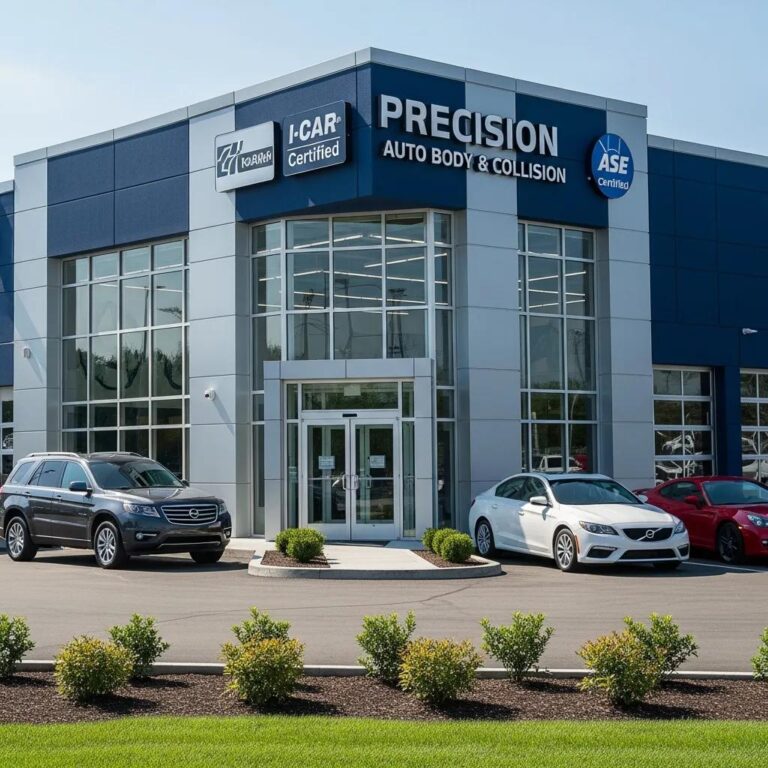
I-CAR Platinum certification means technicians have advanced training in collision repair, electronics, and manufacturer procedures—training that improves warning-light diagnosis. These techs receive instruction on structural repair, airbag systems, and ADAS calibration protocols, which translates into precise troubleshooting after an accident. Their training emphasizes correct measuring, scanning, and calibration steps to verify systems are restored to factory performance. For vehicle owners, working with I-CAR certified teams builds confidence that diagnostics are thorough and safety-critical systems are returned to standard.
How to Navigate Insurance Claims When Warning Lights Appear Post-Accident
Documenting and reporting warning lights properly after a crash helps your insurance claim and supports requests for OEM parts or certified repairs. Insurers typically want clear evidence of visible damage and any mechanical or electronic symptoms—adding DTCs, technician notes, and photos of dashboard indicators strengthens your case. Early communication that includes an OBD-II scan and a written estimate helps avoid delays and supports requests for OEM parts or manufacturer procedures when safety systems are involved. Knowing what to provide—and how shops can help—reduces friction during approvals and increases the chance repairs follow best practices.
Reporting Warning Lights to Insurance Companies
When you report the claim, present a concise packet that documents the collision and any warning lights or electronic faults. Useful items include photos of dashboard warnings, an OBD-II scan report with active/pending DTCs, technician notes from the initial inspection, and timestamped images of damaged areas. Ask the insurer to note OEM parts and certified repair procedures in the estimate when safety systems or calibrated sensors are affected. If you and the insurer disagree about needed repairs, request an independent diagnostic or second opinion with documented findings to support your position.
- Key documentation to include when reporting warning lights:
Photos of the dashboard showing active warning lights.
OBD-II scan reports or printouts of DTCs.
Written inspection notes describing visible damage and suspected sensor/connectors.
Repair estimate that references OEM parts or certified procedures when applicable.
Providing these materials up front improves claim accuracy and helps get authorization for required calibrations and part replacements. Clear documentation also speeds resolution and lowers the chance of denials due to missing evidence.
Prime Time Collision Center’s Assistance with Insurance Claims
Prime Time Collision Center helps customers through the claims process by providing thorough diagnostic reports, free estimates, and direct communication with insurance carriers. Our team documents warning lights and DTCs, photographs vehicle condition, and prepares written estimates that flag when OEM parts and certified procedures are recommended—helping you advocate for the right repair. We also provide practical support like free 24/7 towing and complimentary estimates to simplify post-accident steps. To start a claim or arrange a diagnostic review, call Prime Time Collision Center at +1 818-396-4997 or visit our Glendale shop for an estimate and insurance coordination.
- What the shop does for claims: Prepares diagnostic reports and works with insurers on behalf of customers.
- Logistical support: Offers free estimates and 24/7 towing to facilitate timely inspections.
- Claims advocacy: Requests OEM parts and certified repair language in estimates when safety systems are involved.
These services reduce friction during claim approvals and help ensure repairs restore vehicle safety and performance to factory standards.
Frequently Asked Questions
What should I do if multiple warning lights come on at the same time?
If several warning lights illuminate together, it could point to a more serious problem. Pull over safely and shut off the engine to avoid further damage. Photograph the lights and note any unusual behavior. If possible, use an OBD-II scanner to capture DTCs. Then have a certified mechanic perform a full inspection—simultaneous warnings can involve critical systems like the engine, brakes, or electrical components.
Can I drive my car with the check engine light on?
Driving with the check engine light on is risky because the issue could be minor or severe. If the light is steady, you may drive short distances to a repair shop while watching for performance changes. If it’s flashing, stop driving immediately—this usually indicates an active misfire that can damage the catalytic converter. When in doubt, choose safety and get a professional diagnosis.
How can I reset the check engine light?
You can clear the check engine light by disconnecting the battery briefly, but that only erases the ECU memory and doesn’t fix the underlying problem. Using an OBD-II scanner to clear codes is better—but only after you’ve fixed the issue. Resetting without repair risks the warning returning and the real fault getting worse.
What are the risks of ignoring dashboard warning lights?
Ignoring warning lights can lead to major safety problems and expensive repairs. A red light for low oil pressure or overheating can result in engine failure if left unchecked. Brake or airbag warnings can compromise your protection in a crash. Early attention prevents small issues from becoming large, costly failures and helps preserve your vehicle’s resale value and reliability.
How often should I have my vehicle’s warning lights checked?
Have warning lights checked any time one illuminates. Regular maintenance—typically every 5,000 to 7,500 miles—should include a diagnostic scan to make sure systems are healthy. If lights appear after a collision or during normal driving, book an inspection as soon as you can to prevent further damage and keep everyone safe.
What is the difference between a steady and a flashing check engine light?
A steady check engine light generally means a non-emergency issue that needs attention but may allow limited driving to a shop. A flashing light signals a serious problem—often an active misfire—that requires immediate action to avoid catalytic converter damage. Understanding that difference helps you prioritize repairs correctly.
Are there specific warning lights that indicate a need for immediate action?
Yes. Red warning lights indicate critical issues that need immediate attention—examples include the oil pressure light, engine temperature light, and airbag warning. If any red lights come on, stop driving as soon as it’s safe and seek professional assistance to avoid further damage or safety risks.
Conclusion
Knowing your car’s warning lights keeps you safer and helps prevent costly repairs. When a light appears, act promptly: check simple things first, document what you see, and get a diagnostic if there’s any doubt. Regular diagnostics and repairs done to manufacturer standards give you the best chance of restoring safety and long-term reliability. For help, advice, or a professional inspection, contact Prime Time Collision Center — we’ll walk you through the next steps.