What Determines Body Shop Prices? A Clear Breakdown of Auto Body Repair Cost Factors
Knowing what drives costs at a body shop helps you make smarter repair choices. Auto body prices fluctuate based on several things: how bad the damage is, the vehicle’s make and model, and the parts and materials chosen. This guide breaks those factors down so you’ll understand estimates, insurance conversations, and what to expect when you bring your car in. With clearer information, you can avoid surprises and choose the repairs that make sense for you.
What Are the Main Factors That Affect Auto Body Repair Costs?
A few consistent elements shape repair pricing. Recognizing them helps you estimate costs and compare shop quotes with confidence.
How Does Damage Severity Impact Repair Pricing?
How badly the car is damaged matters most. Small dents and surface scratches usually need less time and fewer parts, so they cost less. Major collision damage can mean frame work, part replacement, and more labor — which raises the price. For example, a simple paint scratch might run about $150 to fix, while replacing a full panel can top $1,200 to $1,500 depending on the vehicle.
Why Does Vehicle Make and Model Influence Repair Costs?
Your car’s make and model affect parts availability and repair complexity. Luxury and performance cars often need specialty parts and experienced technicians, which adds cost. A standard sedan may have plentiful, affordable parts, while a luxury or foreign vehicle might require pricier OEM parts and more shop time, pushing the final bill higher.
How Do Parts and Materials Affect Collision Repair Pricing?
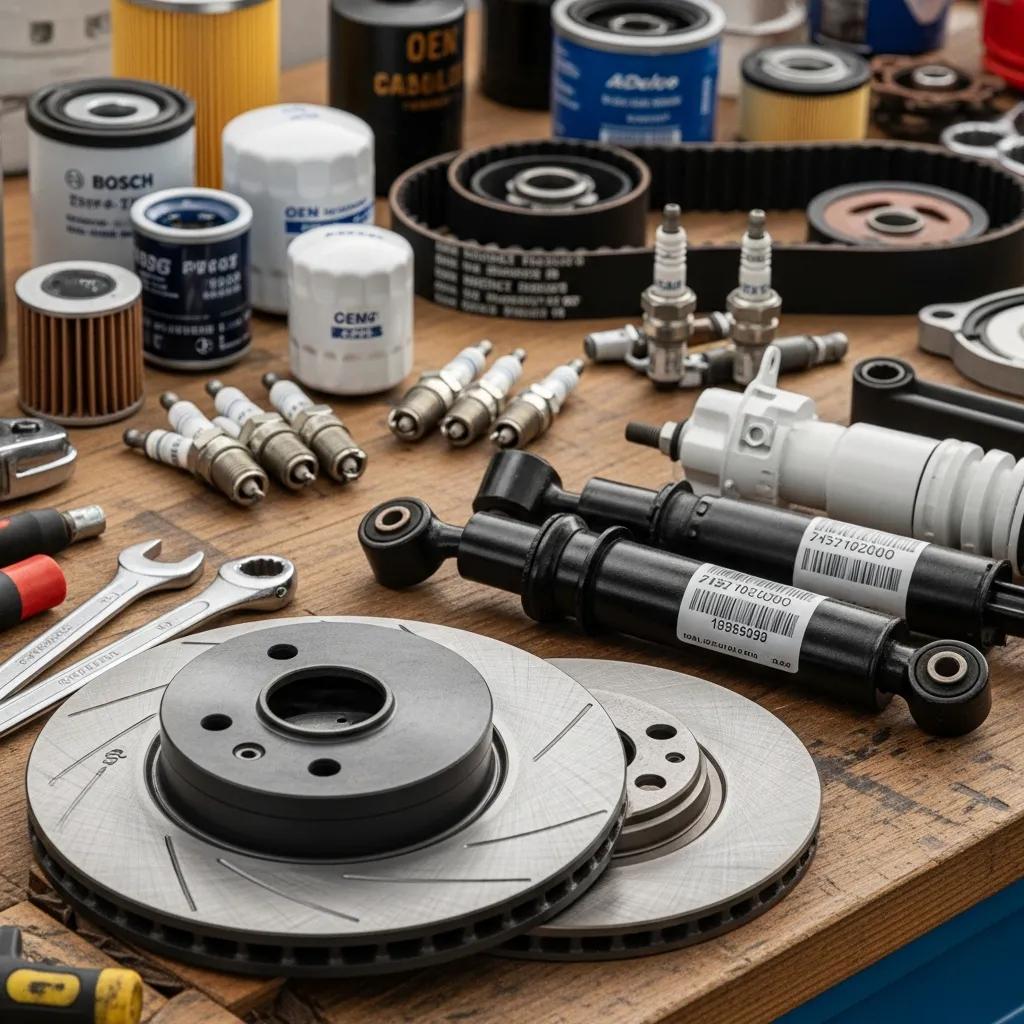
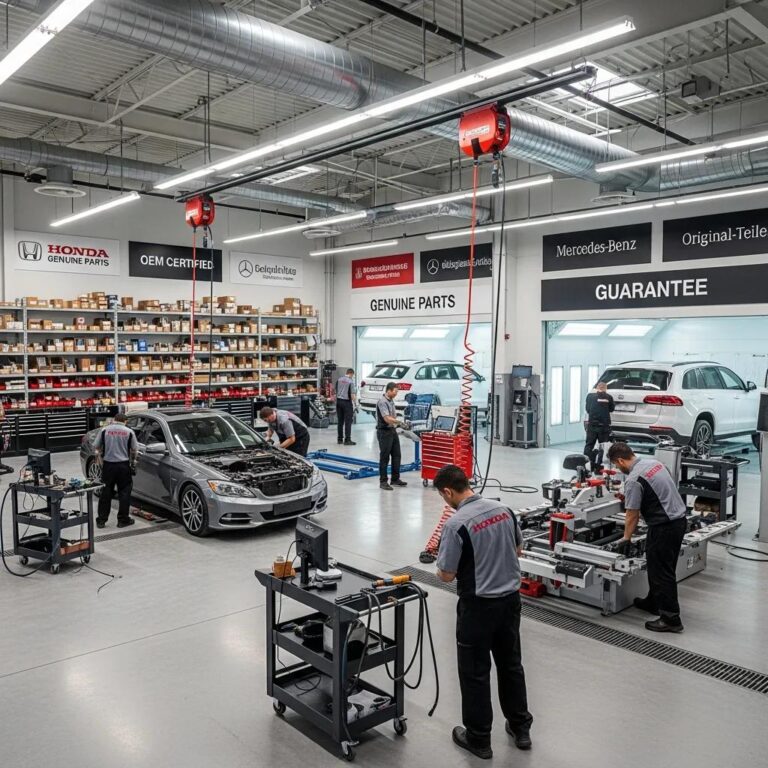
The parts and materials chosen for repairs play a big role in cost. Knowing the difference between OEM and aftermarket parts helps you weigh price against fit and longevity — learn the trade-offs before you approve work.
Looking at the larger automotive aftermarket — the industry that supports repairs and maintenance after a vehicle leaves the factory — helps explain why parts and supply chains affect pricing.
Automotive Aftermarket: Repair & Maintenance Cost Factors
The automotive aftermarket covers the parts, accessories, equipment, and chemicals used to maintain and repair vehicles after they leave the factory. Its scope stretches across a vehicle’s lifetime and affects availability, pricing, and how repairs are carried out.
Automotive Aftermarket: Introduction to a Global Business, 1918
What Is the Cost Difference Between OEM and Aftermarket Parts?
OEM parts come from the vehicle’s manufacturer and usually cost more because they match original fit and finish. Aftermarket parts are made by third parties and range widely in price and quality. While aftermarket parts can save money, they don’t always match OEM fit or finish. For example, an OEM bumper might cost $700 to $900, while an aftermarket bumper could be $400 to $600. Balance savings against potential long-term fit and finish issues when choosing parts.
Studies and industry research underline the competitive dynamics between OEM and aftermarket suppliers and the cost choices shops and owners face.
Collision Repair Parts & OEM Aftermarket Costs
The market for collision repair parts includes OEM options and many aftermarket alternatives. Aftermarket parts vary in appearance and quality compared with OEM, which affects repair decisions and pricing.
Automotive aftermarkets: A case study in systems competition, 2011
The table shows typical price ranges and the trade-offs between cost and quality for different part choices.
How Do Paint and Finish Materials Influence Repair Expenses?
Paint quality and finish options affect both cost and longevity. Higher-grade paints and multi-stage finishes cost more but last longer and look better. A basic paint job might be $300 to $800, while premium finishes can exceed $1,000. Custom colors or multiple coats add time and materials, which raises the total. Investing in better paint up front can reduce future touch-ups and improve resale value.
Why Are Labor Rates a Significant Factor in Body Shop Pricing?
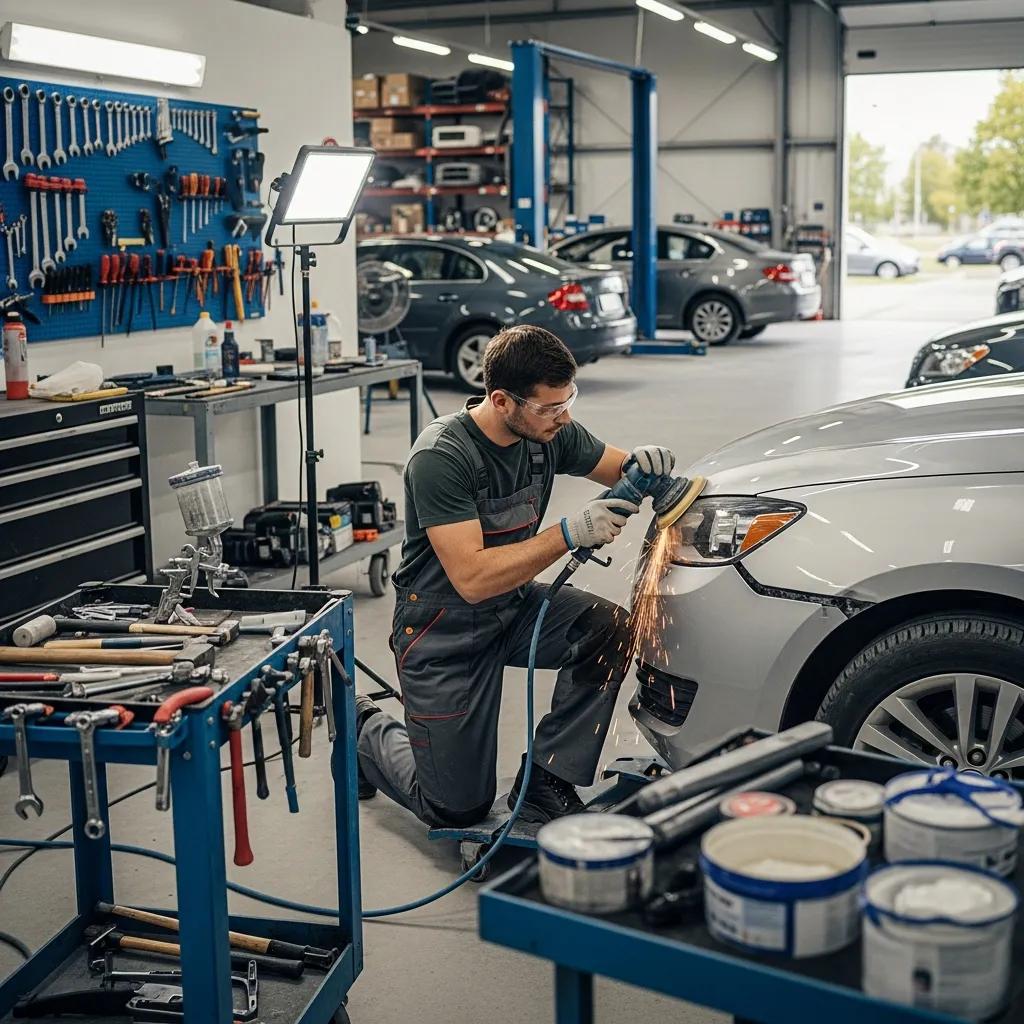
Labor is a major part of any repair bill. Hourly rates vary by technician skill, certifications, and local market — all of which directly affect the final estimate.
How Does Technician Certification Affect Labor Costs?
Certified technicians — for example, those with I-CAR Platinum credentials — typically command higher hourly rates because their training speeds repairs and improves results. That expertise can save money over time by reducing rework. Certified labor often runs about $90 to $150 per hour, while non-certified rates might be $70 to $100 per hour.
What Role Does Geographic Location Play in Labor Rates?
Where you live matters. Shops in higher-cost metro areas charge more for labor than shops in smaller towns. For example, a shop in Los Angeles might bill $120 to $150 per hour, while a shop in a smaller market could be $70 to $100 per hour. Keep local differences in mind when comparing estimates.
How Do Insurance Claims and Deductibles Influence Repair Costs?
Insurance rules and deductibles determine how much you pay out of pocket. Understanding how claims are handled helps you avoid surprises and move repairs forward more smoothly.
What Is the Body Shop’s Role in Navigating Insurance Claims?
Body shops often act as your advocate with insurers. They prepare estimates, talk with adjusters, and help ensure necessary repairs are documented. That support is especially helpful if you’re unfamiliar with the claims process. Many shops, including Prime Time Collision Center, work with most major insurers to make the repair experience easier for customers.
How shops price repairs and how insurers respond to those prices both shape consumer choices and overall repair costs.
Auto Body Repair Pricing & Insurance Practices
Pricing and insurance practices interact closely in the collision repair market—policies, preferred repair programs, and legal decisions all influence repair options and costs for consumers.
Consumer Choice in Auto Repair: The Politics and Economics of Automobile Insurance Repair Practices, LS Powell
How Do Deductibles and Policy Limits Affect Out-of-Pocket Expenses?
Your deductible and policy limits determine what you pay directly. A deductible is the portion you’re responsible for before insurance pays. For example, with a $500 deductible on a $2,000 repair, you pay the first $500. Policy limits may cap what an insurer will cover, and any amount over that limit becomes your responsibility. Knowing your policy terms helps you plan for possible out-of-pocket costs.
What Additional Fees and Services Can Impact the Final Repair Estimate?
Beyond parts and labor, several smaller fees can add to the total. Being aware of these common charges helps you spot unexpected items on an invoice.
How Do Diagnostic, Environmental, and Towing Fees Add to Costs?
Shops may charge diagnostic fees to assess damage. Environmental fees cover safe disposal of hazardous materials, and towing costs apply if the vehicle must be transported. Diagnostic fees often run $50 to $150, while towing typically costs $75 to $150 depending on distance.
Why Are Hidden Fees Important to Understand in Repair Pricing?
“Hidden” fees can appear when additional parts or labor are needed beyond the initial estimate, or when administrative costs are applied. Ask for a detailed, written breakdown so you know what’s included and what might change. Open communication with your shop reduces surprises and builds trust during the repair process.
How Can You Get a Transparent and Accurate Auto Body Repair Estimate?
A clear, detailed estimate gives you confidence in the repair plan and cost. Here’s what to expect and how shops should present estimates.
What Should You Expect from a Free Detailed Repair Quote?
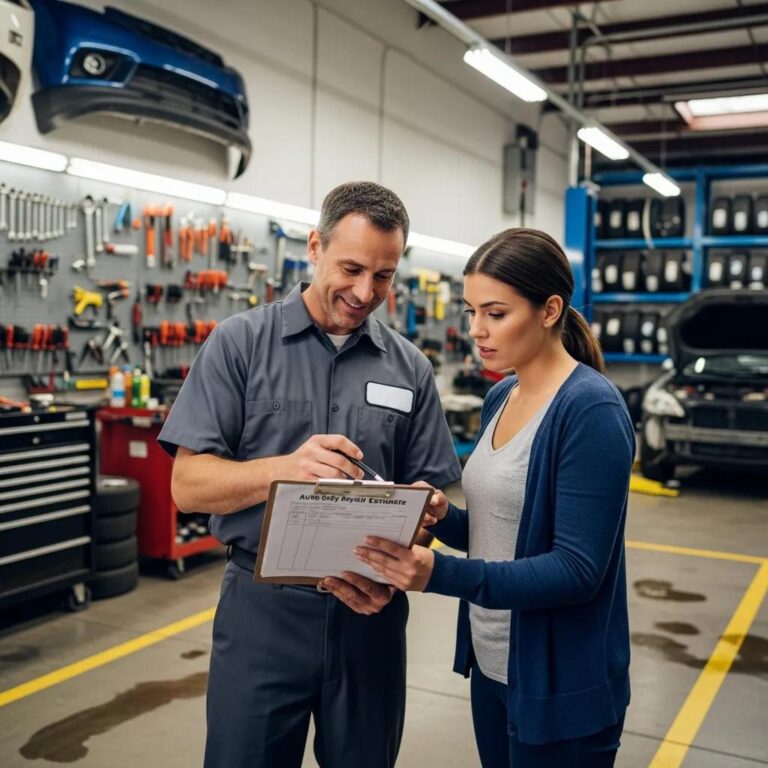
A good quote lists parts, labor hours, paint and materials, any additional fees, the expected timeline, and warranty terms. It should be easy to read and answer your questions. If anything is unclear, ask the shop to walk through the line items so you understand exactly what you’re paying for.
How Does Prime Time Collision Center Ensure Cost Transparency?
At Prime Time Collision Center, we focus on clear estimates and open communication. We offer free, detailed quotes that outline parts, labor, and any fees so you know what to expect. That transparency helps customers make informed decisions and feel confident about the repair process.
Frequently Asked Questions
What are the common types of auto body repairs?
Common repairs include dent removal, scratch repair, paintless dent repair, collision repair, and frame straightening. These range from small cosmetic fixes to major structural work. Paintless dent repair works well for small dents without paint damage, while collision repair can involve replacing panels and frame alignment.
How can I choose the right body shop for my repairs?
Look for shops with positive reviews, clear warranties, and industry certifications. Ask for recommendations from friends or family and visit the shop to check cleanliness and professionalism. A detailed written estimate and a willingness to answer questions are good signs you’ve found a reputable shop.
What should I do if I disagree with the repair estimate?
Raise your concerns with the shop and ask them to explain specific charges. If you still disagree, get a second estimate from another reputable shop. Open dialogue often resolves differences—reputable shops will explain their pricing and work with you to clarify the scope of repairs.
Are there warranties on auto body repairs?
Yes. Many shops offer warranties that vary in length and coverage. Warranties commonly cover workmanship and sometimes parts. You might see a one-year warranty on paint or longer coverage on structural repairs. Always ask for warranty details before approving work.
How can I prepare my vehicle for repairs?
Remove personal items, document the vehicle’s condition with photos, and tell the shop about any specific concerns. Clearing out the car and sharing details helps techs work efficiently and prevents misplaced items during repairs.
What are the benefits of using OEM parts over aftermarket parts?
OEM parts are made to the vehicle’s original specifications, offering a precise fit and consistent performance. They often include warranties and maintain factory standards. Aftermarket parts can be less expensive but vary in fit and quality, which may affect long-term results.
Conclusion
Knowing what affects auto body repair costs puts you in control. By considering damage severity, part choices, labor rates, and insurance details, you can make informed repair decisions. For a clear, itemized estimate tailored to your vehicle, contact a trusted shop like Prime Time Collision Center. We’re happy to walk you through your options and ensure your car gets dependable, professional care.