Liability Insurance: What It Is and Why You Need It After a Crash
Liability insurance is the part of your auto policy that pays for harm you cause to other people and their property when you’re at fault. It acts as financial protection by covering third‑party medical bills and property damage up to the limits in your policy, so you don’t end up facing large out‑of‑pocket judgments or repair costs.
In this guide we explain how liability coverage works after a crash, why the law often requires it, how limits are structured, and practical steps for handling claims and repairs. You’ll learn the difference between bodily injury and property damage liability, how to read split limits, and how to choose coverage that fits your risk. We also walk through the claims process, explain why factory‑quality (OEM) repairs and certified technicians matter for safety and warranties, and include checklists and clear, actionable advice to help you make smart decisions after an accident or when picking liability limits.
What Is Car Liability Insurance and What Does It Cover?
Car liability insurance covers damages you cause to others; it generally won’t pay to fix your own vehicle. When you’re found at fault, your insurer compensates injured people and property owners up to your policy limits and will often provide a legal defense. The main value of liability coverage is protecting your finances — it reduces the risk of bankruptcy, wage garnishment, or liens from accident‑related claims. Knowing the two primary coverage types makes it easier to see what the insurer handles and what could remain your responsibility after a crash.
Liability insurance covers two main categories:
- Bodily injury liability — pays medical expenses and legal defense for people hurt in a crash you caused.
- Property damage liability — covers repair or replacement costs for vehicles, fences, buildings, and other property you damage.
- Legal defense and settlement costs — standard liability usually includes attorney fees and settlements for covered claims.
These protections shift legal and repair obligations to your insurer and help preserve your personal finances. Knowing these distinctions also helps when you explain damages to an adjuster and set expectations for repair outcomes and payments.
What Are Bodily Injury and Property Damage Liability Coverages?

Bodily injury liability covers medical bills, rehabilitation, lost wages, and legal defense for people injured in an accident you cause. Typical expenses include emergency care, hospital charges, physical therapy, and settlement amounts when liability is clear; insurers will also cover attorney fees and court judgments up to your policy limits. This coverage protects your assets by preventing claimants from going after your personal savings or wages, subject to the ceiling set by your policy. Understanding how these payments are allocated helps you evaluate an adjuster’s offer and anticipate when legal counsel might be needed.
Property damage liability pays to repair or replace other people’s property you damage — most often vehicles, but also structures, signs, and personal items. Covered costs include collision repair estimates, parts and labor, or replacement when repair isn’t practical. An adjuster typically evaluates the damage, approves repairs or replacement, and issues payment to the property owner or repair facility. Knowing the scope of property damage liability helps clarify whether third‑party vehicles will receive OEM parts, aftermarket components, or cash settlements based on the insurer’s practices and the repair shop’s agreements.
How Does Liability Insurance Protect You Financially After an Accident?
Liability insurance shields you from the direct cost of another person’s medical bills, property repairs, and legal claims if you’re at fault. Your insurer pays covered expenses up to the policy limits, reducing the chance that injured parties will seek judgments against your personal assets. Without liability coverage, you could face lawsuits, wage garnishment, or liens to cover large claims. Proper liability limits create a financial buffer that absorbs accident‑related costs and helps protect your savings and credit.
Keep in mind liability coverage usually won’t pay to repair your own vehicle unless you carry collision or other optional coverages. That difference is why many drivers consider additional coverages and why repair shop selection and OEM‑quality repairs matter when a third party’s insurer is paying for property damage.
Why Is Liability Insurance Important and Legally Required?
Liability insurance is mandatory in most U.S. states because it guarantees that drivers can compensate people harmed in crashes, protecting public safety and financial stability. Laws require minimum liability limits so injured parties have a reliable source for recovery. This system also reduces costs for taxpayers and courts by routing claims through insurers instead of relying on personal lawsuits for every accident. Paying at least the state minimum is both a legal obligation and a practical way to manage risk.
Beyond legal compliance, liability insurance lowers your personal financial exposure, covers legal defense if you’re sued, and speeds up resolutions for injured parties. Insurers handle investigations, assign adjusters, negotiate settlements, and issue payments — services that simplify a stressful process. Adequate liability coverage gives peace of mind knowing a professional will manage complex medical and legal negotiations on your behalf.
What Are the Legal Requirements for Liability Insurance in California?
California drivers must carry minimum liability limits to legally operate a vehicle, usually shown in a split‑limit format that lists per‑person, per‑accident, and property damage amounts. The split‑limit numbers tell you how much the policy will pay for one person’s injuries, the total for everyone injured in a single crash, and the property damage ceiling. Those minimums provide a baseline of compensation, but they can be insufficient in crashes with serious injuries or high repair costs. If you have significant assets or drive in risky conditions, consider limits above the state minimum.
Reading split limits correctly helps you match coverage to your financial exposure. Lower minimums mean cheaper premiums but raise the chance you’ll be personally responsible for costs that exceed your policy. Because medical and repair bills can climb quickly, many drivers choose higher limits to avoid being underinsured after a major accident.
How Does Liability Insurance Provide Peace of Mind and Financial Security?
Liability insurance reduces the emotional and financial strain after an accident by offering a clear process for compensation and legal defense. When a claim arises, insurers coordinate investigations, assign adjusters, and negotiate settlements — which saves you from handling complex negotiations alone. That professional support reassures you that injured parties will be cared for and your legal exposure is managed within defined limits.
Picking a repair provider that understands liability claims and insurer expectations further improves peace of mind. Factory‑quality repairs and certified technicians help ensure repair quality and documentation meet adjuster standards, which increases the chance insurers will approve appropriate repair scopes and materials. The right coverage paired with a knowledgeable repair partner closes the loop: insurers pay for third‑party losses and qualified shops restore vehicles to safe, manufacturer‑approved standards.
How Do Car Insurance Liability Limits Work and How Much Coverage Do You Need?
Liability limits are the maximum an insurer will pay for covered claims; split limits are a common way to show these caps. A split‑limit format like A/B/C means A = maximum per injured person, B = total per accident for bodily injury, and C = maximum for property damage. These numbers define the insurer’s exposure — any costs over them are your responsibility. Choosing how much coverage you need involves looking at your assets, driving exposure, vehicle value, and appetite for risk.
Factors that should influence your choice include the size of your savings and investments, how often you drive in heavy traffic, and local medical cost trends. Higher limits give stronger protection against lawsuits and large claims, while lower limits reduce premiums but increase your personal liability. Weighing these trade‑offs helps you pick limits that match your financial priorities and risk profile.
Examples of common split limits are shown below to help visualize exposure scenarios.
| Split-Limit Example | Bodily Injury Per Person | Bodily Injury Per Accident | Property Damage |
|---|---|---|---|
| 15/30/5 | $15,000 | $30,000 | $5,000 |
| 25/50/25 | $25,000 | $50,000 | $25,000 |
| 50/100/50 | $50,000 | $100,000 | $50,000 |
This comparison shows how increasing limits raises the insurer’s maximum payout and lowers the chance you’ll owe money after a claim. Reviewing these numbers against local medical and repair costs helps you pick coverage that fits your situation.
What Are Bodily Injury and Property Damage Liability Limits?
Bodily injury limits state the maximum payment for each injured person and the total the insurer will pay for all injuries from one accident; property damage limits cap payments for damage to others’ property. Per‑person limits protect individual claimants, while per‑accident limits cap the total payout for multi‑injury crashes. Property damage limits typically cover vehicle repair or replacement and can be quickly used up in collisions with multiple expensive vehicles or structures. Understanding these definitions clarifies how claims are paid and when you might face shortfalls.
For example, a 25/50/25 policy would pay up to $25,000 for one person’s injuries, $50,000 total for the crash’s injured parties, and $25,000 for property damage. If damages exceed these limits, the policyholder is responsible for the remainder. Seeing the numbers makes it clear why modest increases in limits can provide meaningful extra protection against catastrophic claims.
How to Determine Adequate Liability Coverage for Your Vehicle?
Start by listing your assets, potential future earnings, and how likely you are to cause a high‑damage accident based on your driving habits. Consider whether you own a home, have significant savings or investments to protect, commute in heavy traffic, or regularly carry passengers who could incur large medical costs. A conservative approach is to choose limits that cover a plausible worst‑case claim you might cause, balancing premium cost against exposure.
Use this checklist to evaluate your needs before talking with an insurer or advisor:
- Inventory your total assets and estimate what you could afford to lose in a liability judgment.
- Check local medical and repair cost trends to estimate likely claim sizes for serious crashes.
- Factor in your driving environment and how often you take long or high‑risk trips.
- Consider higher limits if you frequently transport passengers or drive a newer, higher‑value vehicle.
After working through this checklist, consult a licensed insurance professional to fine‑tune limits and explore umbrella policies if needed. These steps give you a defensible approach to coverage and reduce the chance of being underinsured in a major claim.
How to Navigate the Auto Accident Insurance Claim Process with Prime Time Collision Center

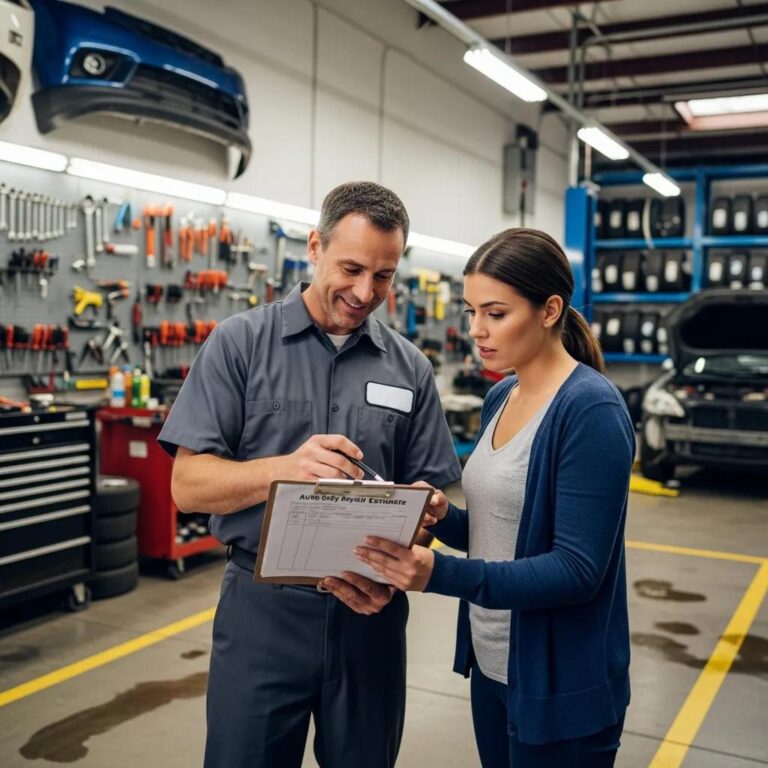
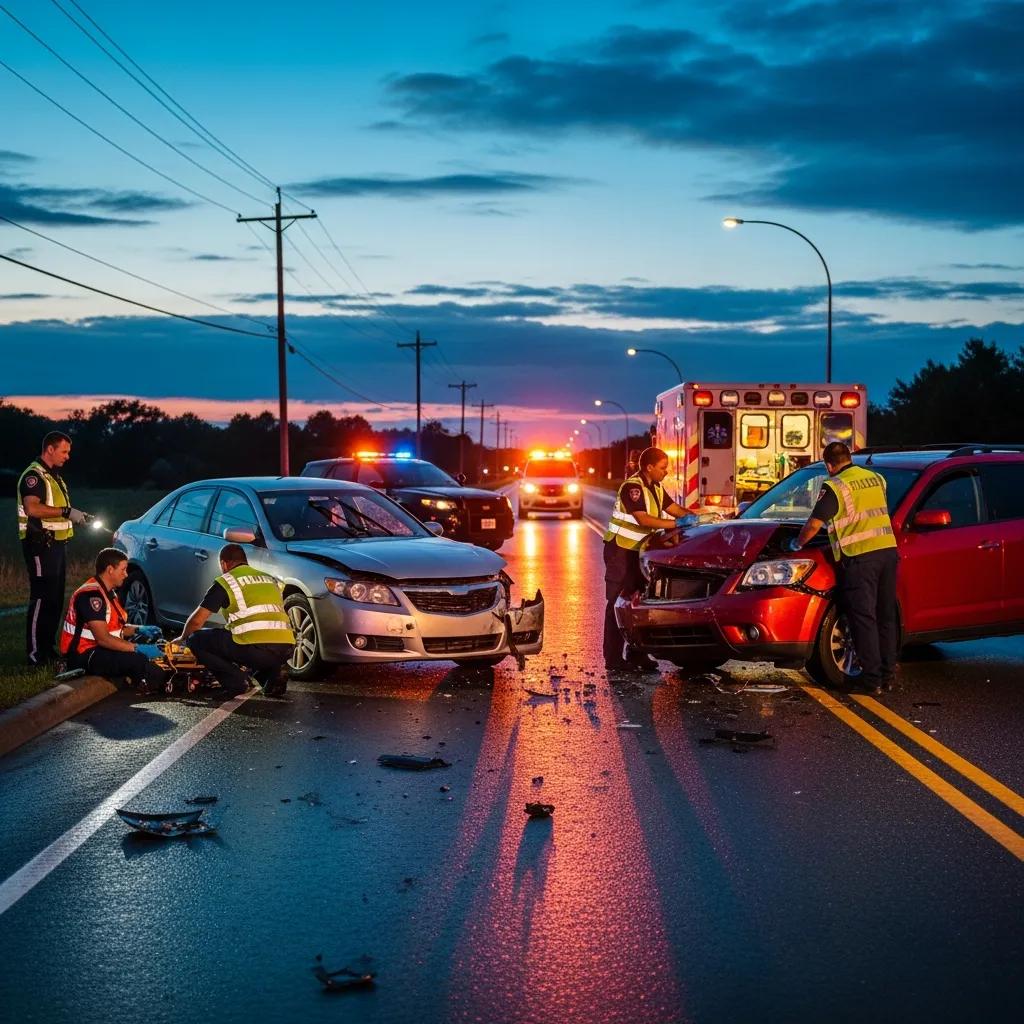
After an accident, a clear sequence of actions speeds claim resolution and helps preserve repair quality and legal protection. First, make sure everyone is safe, then document the scene with photos and witness names, exchange insurance information, and notify your insurer right away. The claims process usually involves an adjuster review or estimate, authorization of repairs or settlement, and scheduling repairs with an approved facility. Knowing who handles each step reduces delays and prevents misunderstandings between policyholders, claimants, and repair shops.
Prime Time Collision Center helps drivers through the claim and repair process with towing, detailed estimates, adjuster coordination, and factory‑quality repairs performed by I‑CAR Platinum technicians. We document vehicle damage thoroughly, provide accurate OEM repair estimates to insurers, and manage communications so repair scopes meet safety standards. That support helps ensure third‑party or insurer‑authorized repairs preserve structural integrity and protect warranty and certification considerations during the claims process.
Practical steps to follow immediately after an accident to preserve evidence and prepare a claim:
- Ensure Safety: Move to a safe location if possible and call emergency services for injuries.
- Document the Scene: Take multiple photos of vehicles, damage angles, license plates, and road conditions.
- Exchange Information: Collect names, insurance details, and contact information from other drivers and witnesses.
- Notify Insurer: Report the accident to your insurer promptly and provide accurate documentation.
- Contact a Repair Shop: Inform a trusted repair facility about the claim and, if needed, arrange towing.
Following these steps creates a clear record for insurers and adjusters, which speeds approval of repair estimates and parts. Keeping a consistent paper trail and communicating promptly reduces disputes over fault, scope, or payments during the claim lifecycle.
The table below maps typical claim steps, who handles them, and expected timeframes so you know what to expect.
| Step | Who Handles It | Expected Outcome / Timeframe |
|---|---|---|
| Scene Documentation | Driver / Police | Photos and report filed same day |
| Claim Notification | Policyholder | Insurer opens claim within 24–48 hours |
| Damage Estimate | Repair Shop / Adjuster | Written estimate provided in 1–3 days |
| Repair Authorization | Insurer / Shop | Approval and scheduling within 3–7 days |
| Repair Completion | Repair Shop | Vehicle returned with warranty documentation |
What Steps Should You Take After an Auto Accident?
Right after an accident, put safety and medical needs first, then gather evidence to support a clear claim. Get a police report, photograph the scene thoroughly, and collect witness contact details. Reporting the crash to your insurer starts the official claim process, while contacting a repair shop early preserves options for towing and a full damage assessment. Acting promptly and methodically lowers the chance of disputed fault or incomplete repair authorizations.
Use this short checklist to protect your legal position and speed up repairs:
- Make sure everyone is safe and seek medical attention for any injuries, however minor they seem.
- Photograph vehicles and the crash site from several angles and note skid marks or signage.
- Exchange insurance and contact information and collect witness statements if possible.
- File a police report and notify your insurer with accurate documentation.
- Arrange towing and an initial estimate with a repair shop experienced in claims handling.
Following these steps helps secure your claim and supports requests for OEM parts or specific repair procedures when safety systems are involved.
How Does Prime Time Collision Assist with Insurance Claims and Repairs?
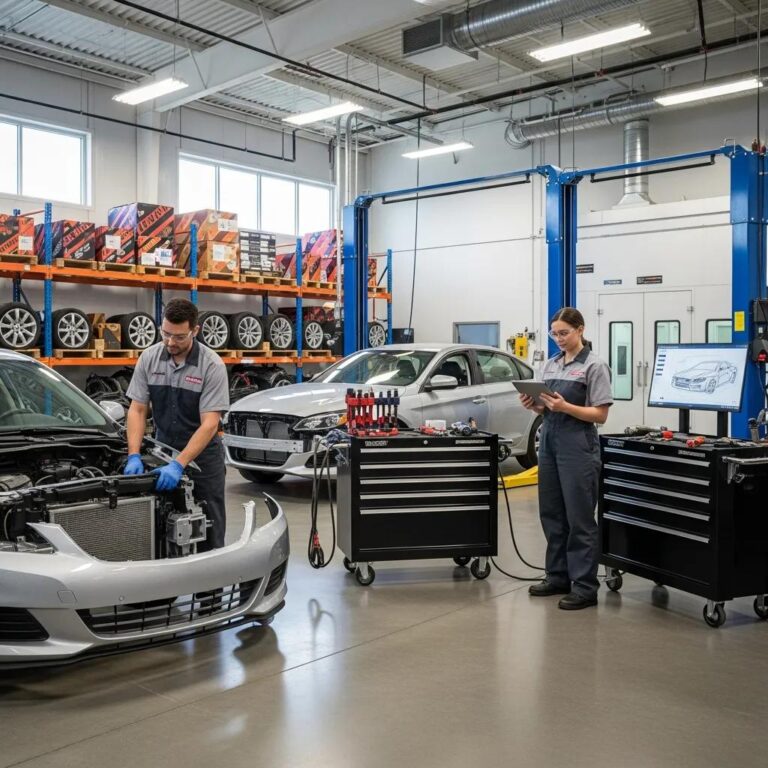
Prime Time Collision Center offers hands‑on support: claims‑related towing, detailed estimate preparation, adjuster coordination, and OEM‑quality repairs performed by certified technicians. We create repair estimates that document structural and safety‑system needs, present them to insurers, and clearly communicate scope changes to vehicle owners. Our focus on factory‑quality repairs and I‑CAR Platinum training helps align repair work with insurer expectations and safety standards, giving you a dependable path from estimate to completed repair.
We also back repairs with a lifetime warranty and provide 24/7 towing and guidance after accidents, which can simplify logistics during a stressful time. Working with major insurance companies, Prime Time aims to keep communication transparent between policyholders and adjusters while preserving repair quality and warranty protection. Customers benefit from streamlined claims handling and documented repairs that prioritize safe, lasting outcomes.
Using a knowledgeable repair partner reduces disputes about repair scope and part choices, ensuring crash repairs restore safety and value. Prime Time Collision’s combination of adjuster coordination, towing, certified technicians, and warranty coverage supports consistent repair experiences and helps drivers navigate claims with confidence.
Why Choose OEM Certified Repairs and I-CAR Platinum Technicians for Liability Claims?
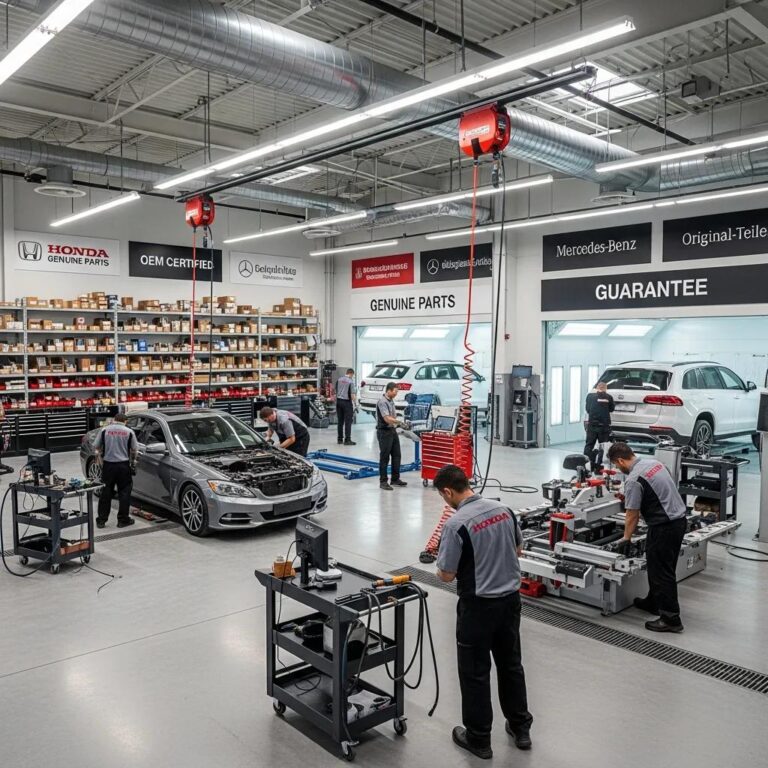
OEM‑certified repairs and I‑CAR Platinum technician credentials matter because modern vehicles depend on connected safety systems and tight structural tolerances that non‑factory procedures can compromise. OEM parts and repair sequences restore crashworthiness, protect airbag and sensor function, and help maintain manufacturer warranties. I‑CAR Platinum certification signals that a shop and its technicians meet high training standards and stay current on repair methods and safety protocols. Choosing OEM processes and certified technicians helps return vehicles to their intended safety performance.
Below is a comparison showing how OEM‑certified repairs differ from non‑certified approaches and what that means for safety and value.
| Repair Approach | Safety Standards | Warranty Impact |
|---|---|---|
| OEM-Certified Repairs | Uses manufacturer procedures and parts for structural integrity | Preserves repair warranties and manufacturer-fit expectations |
| Non-Certified Repairs | May use aftermarket parts or non-standard processes | Can void manufacturer guidance and affect resale value |
| Mixed Approach | OEM procedures with select aftermarket parts | Variable outcomes; depends on documentation and insurer approval |
What Are the Benefits of OEM Certified Repairs for Safety and Warranty?
OEM‑certified repairs follow manufacturer specifications for parts and structural work, which helps preserve a vehicle’s crash performance and restraint function. Using the correct materials and repair sequences maintains sensor calibrations, frame alignment, and system interoperability that are critical to occupant protection. Clear OEM documentation also supports warranty considerations and can preserve resale value by showing factory‑quality work. Choosing OEM repairs reduces the risk that a repair will be questioned later in a liability dispute or insurance settlement.
These benefits are especially important after serious collisions where structural integrity and safety systems must be restored correctly. Shops and insurers that prioritize OEM standards can better justify repair scopes to adjusters and support outcomes that protect vehicle occupants and other road users.
How Do I-CAR Certified Technicians Ensure Quality Collision Repairs?
I‑CAR Platinum certification represents a high level of ongoing technician training across modern repair disciplines, including electronics, structural repair, and OEM procedures. Certified technicians receive regular education on new vehicle technologies and repair methods, which leads to consistent, documented repair practices. That expertise helps shops correctly identify required repairs, calibrate sensors, and follow manufacturer procedures insurers expect for safe restoration. Having certified technicians increases confidence that repairs meet industry standards.
Certification also improves communication with insurers and vehicle owners by providing clear evidence of training and process adherence. That transparency supports accurate estimates, reduces disputes over repair scope, and leads to safer, more reliable outcomes after liability claims.
Frequently Asked Questions
What Should I Do If I’m Involved in an Accident Without Liability Insurance?
If you’re in an accident and don’t have liability insurance, stay calm and focus on safety first. Exchange information with the other driver, document the scene with photos, and get a police report. Be aware you may be personally responsible for damages and medical bills — which can lead to lawsuits or wage garnishment. Consult a legal professional to understand your options, and arrange coverage as soon as possible to avoid future exposure.
Can I Choose My Own Repair Shop After an Accident?
Yes — you generally have the right to choose your repair shop, even if your insurer has preferred providers. Tell your insurer right away about your choice. Some policies may steer you to certain shops for specific repairs, but you can and should advocate for a facility that meets your standards, especially one that offers OEM‑certified repairs. Pick a shop experienced with claims to keep communication with the insurer smooth.
How Can I Lower My Liability Insurance Premiums?
To lower premiums, keep a clean driving record, since accidents and violations raise rates. Increasing your deductible can reduce your premium, but make sure you can cover that out‑of‑pocket cost if needed. Bundling auto and home policies often earns discounts, and insurers may offer savings for safe driving courses or low annual mileage. Ask your agent about available discounts and rate factors so you can make informed choices.
What Happens If My Liability Coverage Limits Are Exceeded?
If a claim exceeds your liability limits, you’re personally responsible for the remaining costs — medical bills, property damage, and legal fees beyond the policy. To reduce this risk, consider higher liability limits or an umbrella policy that extends coverage beyond your auto policy. Evaluate your financial exposure and choose limits that protect your assets in a serious accident.
Are There Any Alternatives to Liability Insurance?
Liability insurance is required in most states, but in rare cases self‑insurance may be allowed for those who can prove sufficient assets. Self‑insurance means setting aside funds to cover potential liabilities and isn’t practical for most people. An umbrella policy is a common complement that adds extra liability protection on top of standard auto coverage. Discuss alternatives with a financial advisor or insurance professional to ensure they meet legal and financial needs.
How Do I File a Claim for Liability Insurance?
To file a liability claim, report the accident to your insurance company as soon as possible and provide details like the police report and damage documentation. The insurer will assign an adjuster to evaluate coverage and damages. Be ready to supply additional information on request. After the adjuster assesses the claim, they’ll explain next steps, including repair authorizations and payment. Keeping thorough records throughout the process helps the claim move smoothly.
What Does Liability Insurance Not Cover?
Liability insurance doesn’t usually pay to repair your own vehicle or cover your medical bills unless you carry collision, comprehensive, or personal injury protection. Common exclusions include theft, non‑collision damage, and your medical expenses when you lack appropriate supplemental coverages. Uninsured motorist and collision coverages address gaps that liability doesn’t cover. Knowing these exclusions helps you decide what additional coverages to buy for fuller protection.
If you need repairs to your own vehicle, consider collision or comprehensive coverage and talk with both your insurer and repair shop about repair and rental options. A certified shop can also clarify whether insurer payments will support OEM parts and factory repair procedures.
How Much Does Liability Insurance Cost and What Affects the Price?
Liability insurance premiums are based on factors such as your driving record, vehicle type, location, chosen limits, and each insurer’s underwriting rules. Drivers with clean records and lower‑risk vehicles usually pay less, while higher coverage limits and living in dense urban areas typically cost more. Age, prior claims, and local medical or repair cost trends also influence rates. Knowing what drives price helps you compare quotes based on value and protection rather than just price.
To balance cost and coverage, review your asset exposure, compare different limit scenarios, and ask about umbrella policies if you need broader protection. Working with a repair shop that documents OEM repair needs can help when negotiating authorizations with insurers, ensuring payouts match safety‑based repair scopes and reducing disputes that could affect future premiums.
Local Repair Assistance and Next Steps
If you’re in Glendale, Burbank, Pasadena, or the Los Angeles area, choose a repair facility with certified technicians and documented OEM repair practices to preserve safety and warranty considerations. Prime Time Collision Center offers I‑CAR Platinum certified technicians, factory‑quality repairs, a lifetime warranty on repairs, and 24/7 towing and guidance after accidents to assist drivers through claims and repairs. A knowledgeable shop that coordinates with insurers can streamline approvals and help restore vehicles to manufacturer standards.
For immediate help after an accident, document the scene, report the claim to your insurer, and contact a certified repair facility to arrange towing and an estimate. Picking a repair partner that prioritizes OEM repairs and clear communication reduces friction during the claims process and puts occupant safety first.
Conclusion
Liability insurance is a core tool for protecting your finances and meeting legal obligations after an auto accident. By understanding bodily injury and property damage coverage, and how limits work, you can make informed choices that protect your assets and provide peace of mind. Review your current policy limits, consider higher coverage if your situation calls for it, and use the resources here to find the right liability protection for your needs.