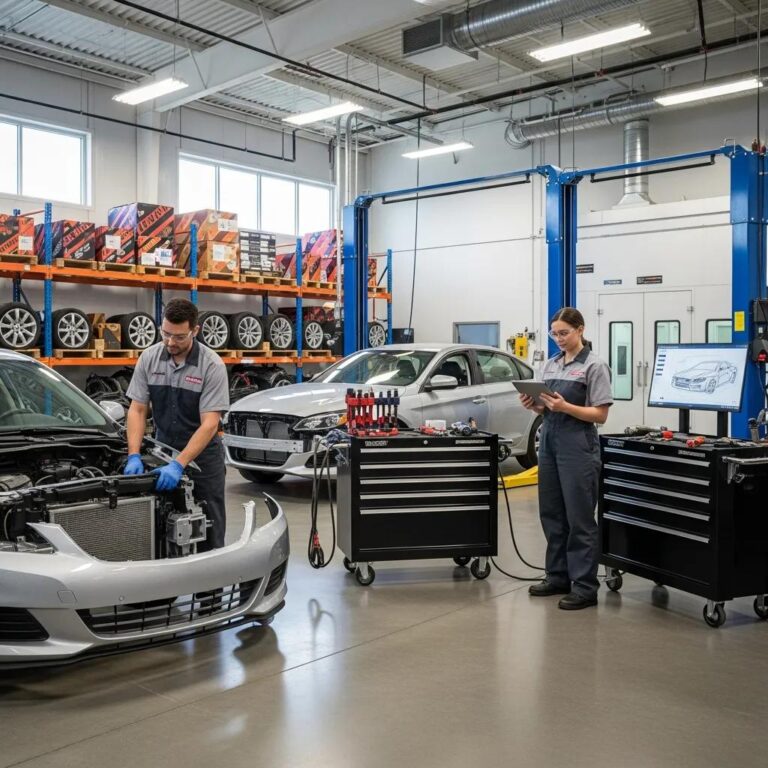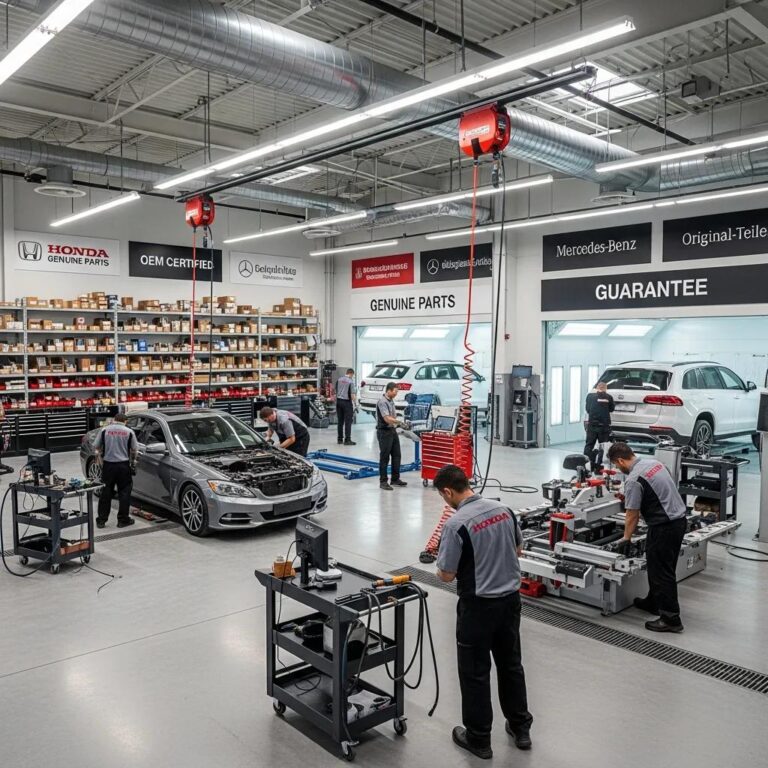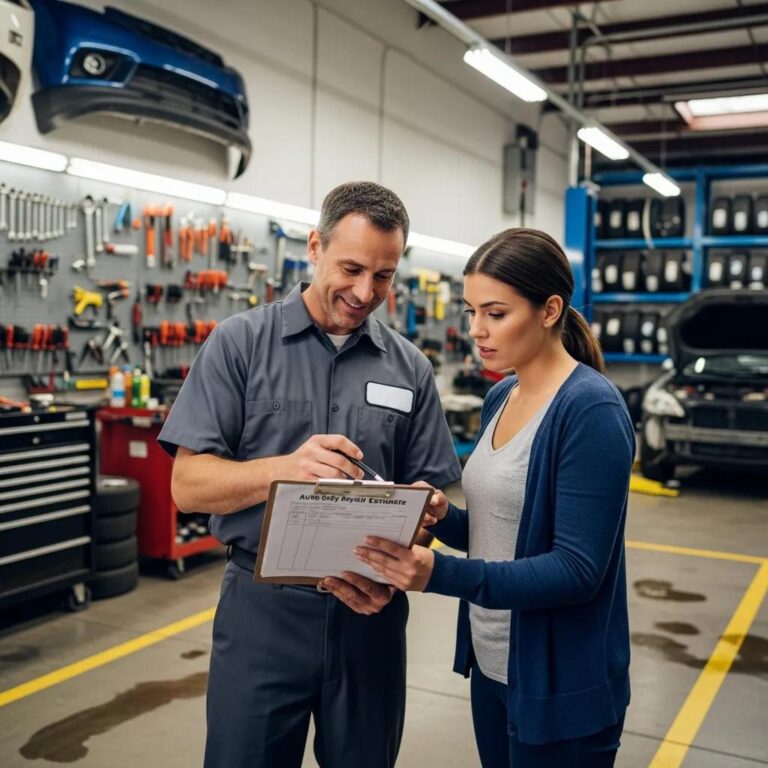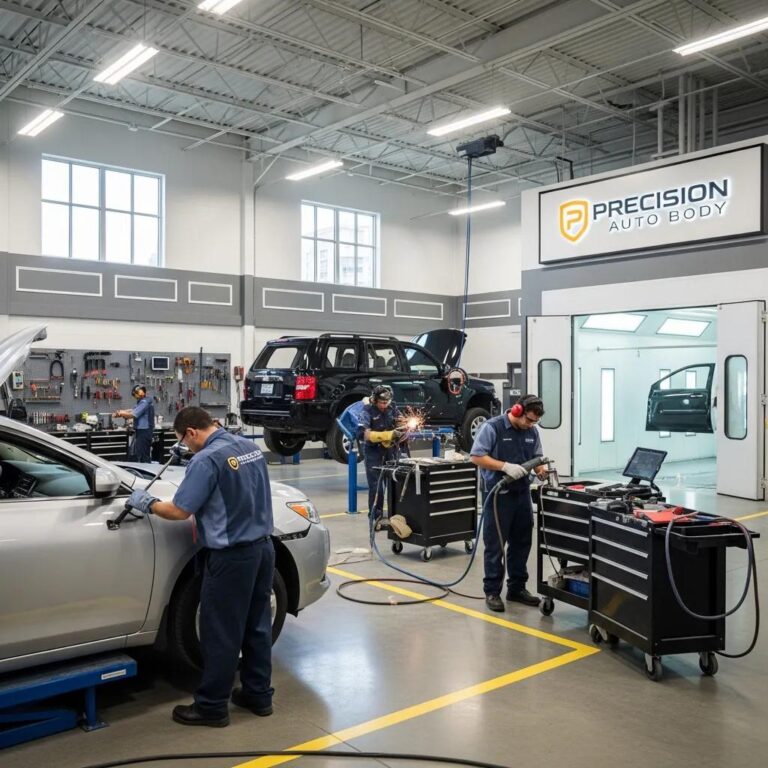
Why Prime Time Collision Is the Best Choice for OEM-Certified Auto Repair in Glendale
After an accident, your priority should be getting your car back to its factory safety and performance — not just making it look good. This guide breaks down what OEM-certified collision repair means, why it matters for safety, warranties and resale value, and how to pick a shop that follows manufacturer procedures. You’ll learn how certified training, genuine OEM parts, advanced diagnostics and ADAS calibration work together to restore crashworthiness and sensor accuracy, plus the right questions to ask during the claims process. The sections that follow explain the local selection criteria that build trust, the concrete benefits of OEM-certified repairs, how we streamline insurance claims, the services needed for full vehicle restoration, and the quality checks that give long-term confidence. Along the way we point out practical signals to watch for when evaluating shops in Glendale and nearby communities.
What Makes Prime Time Collision the Best Local Auto Body Shop in Glendale?
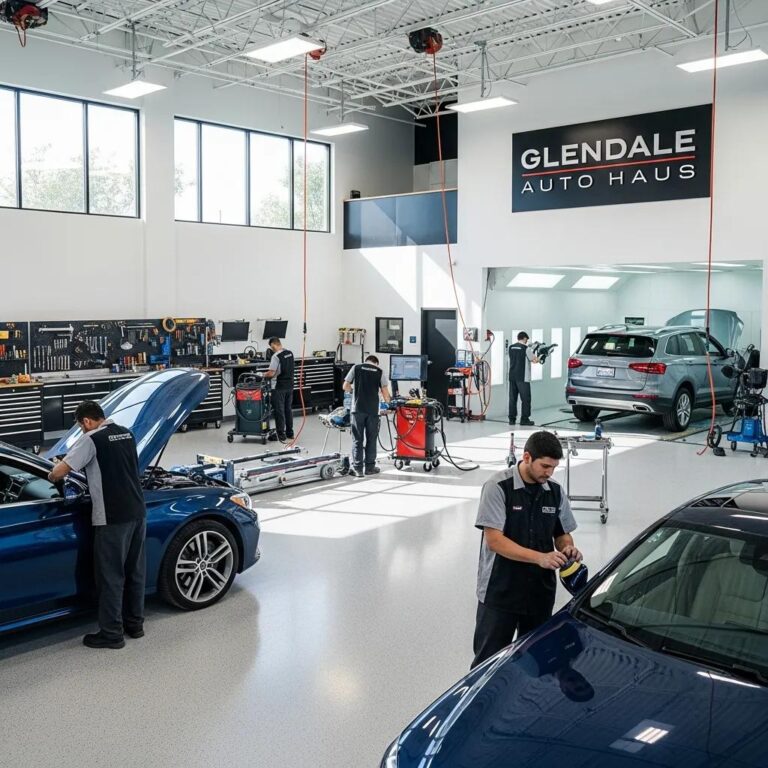
A top local auto body shop shows certified training, strict OEM processes, clear insurance support and solid service guarantees — all working together to restore safety and keep the vehicle true to factory intent. Certifications like I‑CAR Platinum mean technicians follow current repair methods. Manufacturer-level training for brands like Honda ensures repairs meet factory expectations. Written repair plans protect warranties and resale value. Convenience matters too: 24/7 towing and hands-on help with the claims process make recovery easier after a crash. Independent signals — consistent five‑star reviews, documented before-and-after work, and a lifetime warranty on qualifying repairs — show repairs were completed to factory standards. Knowing these criteria helps you compare local shops and highlights the trust signals that set a top Glendale facility apart.
Prime Time Collision Center displays these clear trust signals for drivers who need reliable repairs:
- I‑CAR Platinum‑certified technicians who follow OEM repair procedures and keep up with ongoing training.
- Honda‑certified specialists trained to use factory procedures for Honda vehicles.
- Free 24/7 towing and full assistance through the insurance and repair process.
- A lifetime warranty on qualifying collision repairs and documented quality inspections.
Those trust signals lower risk for owners and lead directly to the measurable benefits of OEM-certified repairs: stronger safety performance, warranty protection and preserved resale value.
How Do I‑CAR Platinum Certified Technicians Ensure Repair Quality?
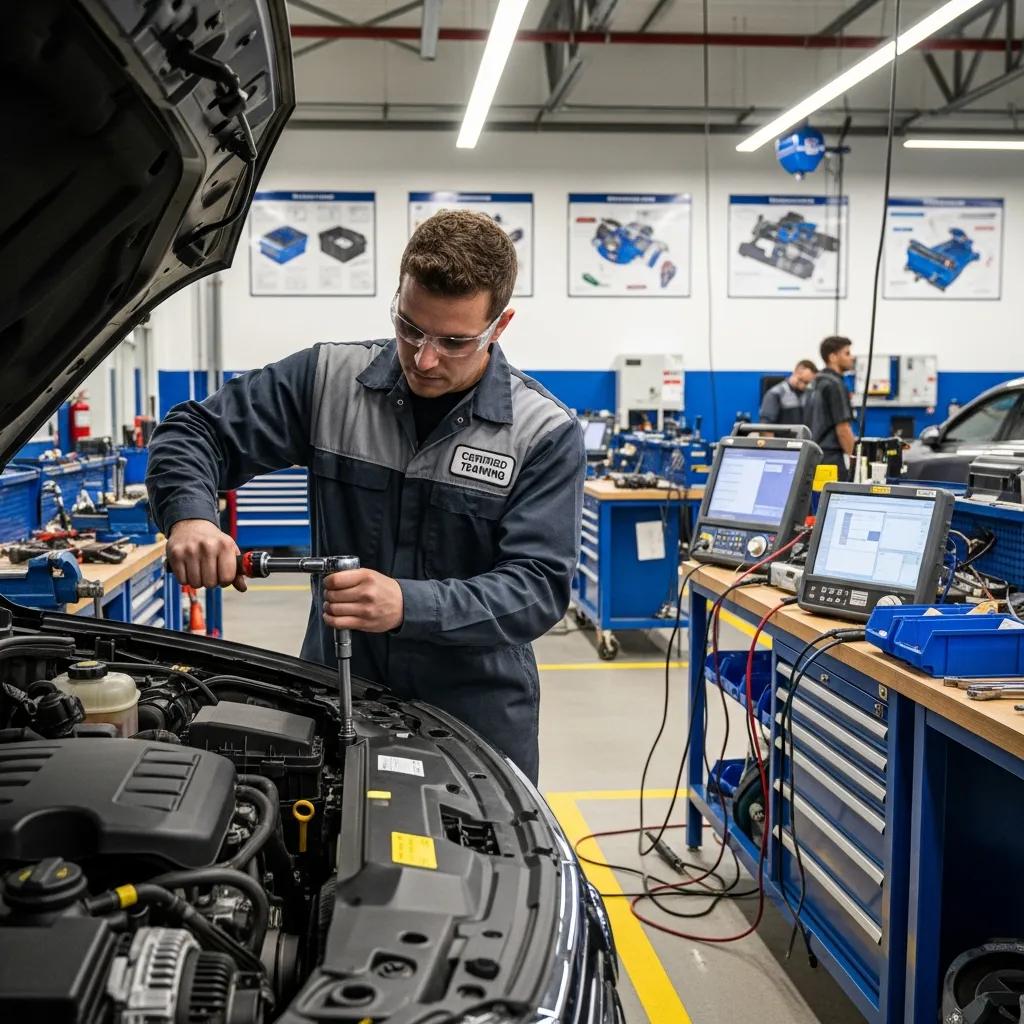
I‑CAR Platinum is an advanced training standard where technicians complete role‑specific courses tied to current repair procedures and technologies. That training equips technicians to perform precision work — frame alignment to factory tolerances, structural welding to published procedures, and OEM‑compatible diagnostic scans. Because certification requires ongoing education, shops stay up to date as vehicle construction and ADAS sensor locations evolve. For owners, the result is restored crash‑energy management and dependable safety system performance, which reduces the chance of post‑repair problems. From certification, it’s a short step to why manufacturer‑specific training matters for certain vehicles.
Why Trust Our Honda‑Certified Specialists for Your Vehicle?
Honda‑certified specialists receive manufacturer instruction on repair methods, parts selection and technical procedures that match Honda factory standards. That training emphasizes the use of genuine Honda parts, precise sensor calibration and documentation that supports warranty and resale transparency. When technicians follow Honda repair guides and tooling recommendations, repairs preserve structural and electronic performance — protecting occupant safety and the vehicle’s integrity. For Honda owners, manufacturer certification gives clear assurance that repairs respect factory tolerances and produce verifiable results.
What Are the Benefits of Choosing OEM‑Certified Collision Repair?
OEM‑certified collision repair restores your vehicle to manufacturer specifications using documented procedures, genuine OEM parts and trained technicians focused on safety‑critical outcomes. The advantage comes from following factory repair methods and using parts engineered for exact fit, load paths and sensor integration. The main benefits are improved safety through correct structural repair and ADAS recalibration, protection of existing warranties by following manufacturer processes, and preserved resale value through documented, OEM‑aligned repair history. For drivers who want factory‑quality restoration and peace of mind after a collision, OEM‑certified repair is the recommended path.
Repair approach affects safety, warranty status and long‑term value; the table below compares certified OEM repairs with common alternatives across practical attributes and customer impact.
Different repair approaches produce measurable differences in safety, warranty exposure and resale impact.
| Repair Approach | Key Attribute | Customer Impact |
|---|---|---|
| OEM‑Certified Repair | Manufacturer procedures and genuine OEM parts | Restores crashworthiness and sensor function; supports warranty |
| Non‑Certified Repair | Aftermarket parts or nonstandard procedures | Possible fit and material mismatches; added risk to safety systems |
| Cosmetic‑Only Repair | Surface fixes without structural documentation | May look right but can fall short of factory structural standards |
This comparison highlights that choosing OEM‑certified repair minimizes risk and helps preserve the vehicle’s intended performance. The next sections explain how warranty protection and genuine parts contribute to those outcomes.
How Does OEM Certification Protect Your Vehicle Warranty?
OEM certification helps protect warranty interests because repairs follow manufacturer‑required methods and documented practices that align with warranty terms. Manufacturers expect repairs to structural or safety systems to use approved parts and procedures; certified shops record parts sources, process steps and diagnostic results to support warranty review. For owners, practical steps include keeping repair estimates, parts invoices and calibration records, and asking the shop for written documentation of the OEM procedures used. That paperwork makes future warranty inquiries smoother and shows the vehicle was returned to factory standards.
In What Ways Do Genuine OEM Parts Maintain Vehicle Safety and Value?

Genuine OEM parts are engineered to match original material properties, attachment geometry and energy‑management behavior — all important for crash performance. OEM parts align sensor mount points and structural load paths, preserving ADAS calibration and mechanical interactions. The practical effect is a lower risk of changed crash dynamics or sensor misalignment after repair, protecting occupants and keeping inspection histories accurate. For owners, that means better long‑term reliability and stronger resale positioning versus vehicles repaired with undocumented aftermarket parts.
How Does Prime Time Collision Assist with Insurance Claim Processes?
A repair shop that actively helps with insurance claims reduces friction by managing documentation, communicating with adjusters and advocating for OEM‑compliant repair scope. We cut delays by providing precise, itemized estimates, repair plans based on OEM procedures, and certified technician input during adjuster reviews. For owners, that translates to a faster approval‑to‑repair timeline, clearer expectations about parts and procedures, and fewer surprise supplements. The table below maps common claim steps to the ways we support you at each stage.
The following table maps claim steps to how a shop like Prime Time Collision supports the customer through each phase.
| Claim Step | Prime Time Action | Customer Benefit |
|---|---|---|
| Estimate & Intake | Detailed OEM‑based estimate and documented damage analysis | Faster, more accurate approvals and a clear repair scope |
| Adjuster Liaison | Direct communication with adjuster and certified procedure justification | Reduced delays and fewer disputed items |
| Repair & QA | OEM parts sourcing, calibration and final inspections | Restored safety and documented quality assurance |
This step‑to‑action mapping shows how proactive claim support shortens turnaround and protects repair quality. Below is an easy, numbered walkthrough of what to expect from intake through delivery.
- Document the accident and report to your insurer, then bring the vehicle in for a detailed OEM‑based estimate and photos.
- We prepare an itemized repair plan citing manufacturer procedures and share technical documentation with the adjuster.
- Once approved, we order genuine OEM parts, schedule work, perform structural and ADAS repairs, and keep you informed.
- After repairs, technicians run diagnostic verification and calibrations, complete quality inspections, and provide documentation to you and your insurer.
- You receive your vehicle with repair records that support warranty and resale transparency.
What Steps Are Involved in Our Hassle‑Free Insurance Claim Assistance?
We start with a thorough intake: photos and an OEM‑guided estimate that identifies structural, mechanical and ADAS items needing repair. From there we act as your advocate — presenting manufacturer repair procedures and technician notes to the adjuster to justify a scope that protects safety systems. After approval, repairs use OEM parts, controlled welding and structural work, plus required sensor calibrations and staged quality checks. We communicate timelines clearly and manage supplements to avoid unnecessary delays. This staged approach reduces stress and creates a documented, warranty‑supporting repair history.
How Do We Work with All Major Insurance Providers to Support You?
Working with major insurers means accurate estimating, technical justification for OEM procedures and the ability to manage supplements or complex parts sourcing. We coordinate with adjusters during estimate review, provide certified technician input on structural and ADAS items, and push for safety‑driven repairs rather than lowest‑cost shortcuts. That includes advocating for genuine OEM parts and documented calibration when required, and helping customers who choose their repair facility while navigating insurer networks. Clear, evidence‑based communication typically leads to timely approvals and repairs that protect your vehicle and your rights.
Which Comprehensive Collision Repair Services Does Prime Time Collision Offer?
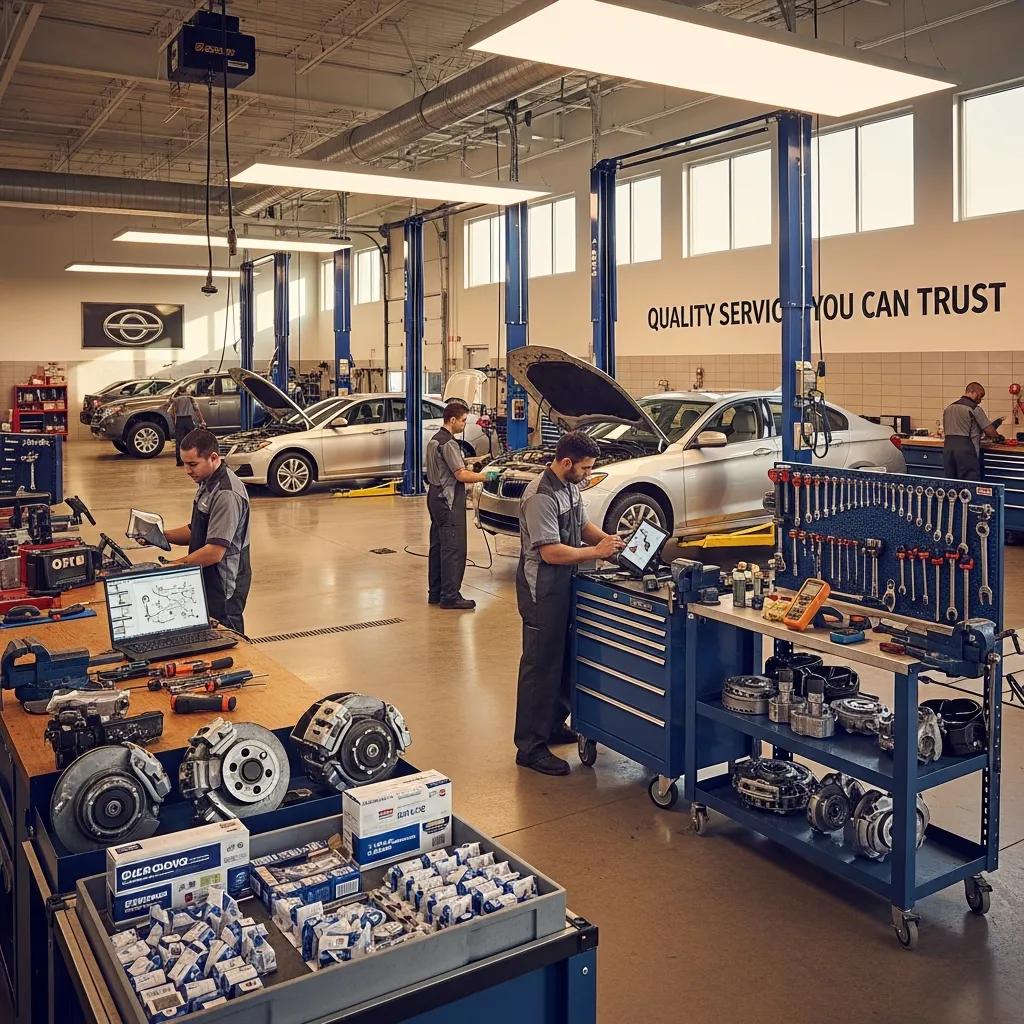
Comprehensive collision repair covers frame and structural work, precision paint matching, paintless dent repair (PDR) for minor impacts, ADAS calibration and full mechanical restoration after a crash. Each service uses specific tools and certifications to restore factory intent: measurement racks for frame alignment, OEM paint formulas and color‑matching systems for the finish, PDR techniques to avoid panel replacement, and manufacturer‑grade diagnostic scanners and calibration rigs for ADAS. Safe restoration ties these services into a written repair plan that prioritizes structure, sensor accuracy and finish consistency. The table below summarizes common services, the tools or certifications behind them, and the customer outcomes they deliver.
The following table links services to tools/certifications and the resulting benefits for safety and quality outcomes.
| Service | Tool / Certification | Benefit / Outcome |
|---|---|---|
| Frame & Structural Repair | Measurement rack and OEM repair specifications | Restores alignment and crash‑energy management |
| ADAS Calibration | OEM diagnostic scanners and calibration rig | Accurate sensor function and safety system reliability |
| Paintless Dent Repair (PDR) | PDR tools and trained technicians | Preserves original paint and avoids unnecessary panel replacement |
This mapping shows how certified procedures and equipment translate directly into safer, factory‑consistent repairs. The next sections describe structural work and the technologies behind PDR and ADAS recalibration.
How Do We Handle Frame and Structural Repairs with Precision?
Precision frame and structural repairs start with computerized measurements that compare your vehicle’s post‑collision geometry to manufacturer baselines. Technicians use jigs and controlled pulling systems guided by OEM tolerances to realign components, and certified welding procedures ensure structural joins meet published strength criteria. After the physical repairs, technicians run diagnostic scans and inspect attachment points to confirm load paths and sensor mounts are correct — essential for crash performance and occupant protection. Documenting these steps creates a verifiable repair history that supports warranty and resale integrity and leads into the need for accurate sensor recalibration.
What Advanced Technologies Are Used for Paintless Dent Repair and ADAS Calibration?
Paintless dent repair (PDR) uses specialized hand tools and lighting to gently massage small dents from the inside out, preserving factory paint and clear coat without replacing panels — ideal when paint adhesion and sensor mounts are intact. ADAS calibration uses OEM‑grade diagnostic scanners, alignment targets and calibrated rigs to realign camera and radar sensors to manufacturer specs so driver assistance features work as intended. Technicians trained in PDR and ADAS procedures perform verification drives and diagnostic checks to confirm safety systems are restored. Together these technologies protect both the vehicle’s appearance and its safety systems.
Why Do Vehicle Owners Choose Prime Time Collision for Accident Repair Quality?
Owners pick a repair provider for demonstrable quality processes, warranty assurances and customer services that reduce stress during recovery. A clear, repeatable workflow — from intake and OEM‑based planning to parts sourcing, certified repairs, ADAS calibration and final inspection — builds trust and predictable results. Lifetime warranty coverage and customer‑friendly services like free towing and insurance assistance are practical benefits that complement our technical capabilities. Below is a concise seven‑step process that shows how organized procedures lead to reliable outcomes.
Transparency and a documented workflow preserve safety, warranty and resale value — which is why owners appreciate a shop that follows a repeatable process.
What Is Our 7‑Step Quality Repair Process for Vehicle Accident Restoration?
- Intake & Damage Assessment: Full photographic and OEM‑guided inspection to capture structural, mechanical and ADAS damage.
- Written OEM Repair Plan: Itemized estimate tied to manufacturer procedures and parts to support approval and warranty.
- Parts Sourcing: Order genuine OEM parts and track delivery to keep the repair on schedule and ensure part authenticity.
- Structural & Mechanical Repair: Use measurement racks, jigs and certified welding to restore geometry and strength.
- Paint & Finish: Apply OEM color‑matching processes and proper curing to restore finish and corrosion protection.
- ADAS Calibration & Diagnostics: Recalibrate cameras, radar and sensors using OEM‑grade tools and verification drives.
- Final QA & Documentation: Complete staged quality inspections, produce final repair records and provide documentation to the customer.
How Does Our Lifetime Warranty Guarantee Customer Satisfaction and Trust?
Our lifetime warranty on qualifying collision repairs shows we stand behind our workmanship and our quality process. The warranty typically covers defects in materials and workmanship for as long as you own the vehicle; to use it, keep your repair records and contact us promptly if an issue appears. When a lifetime warranty is paired with certified technicians and documented OEM procedures, it gives owners practical recourse and is a strong confidence signal to future buyers. In short: warranty‑backed, documented repairs reduce long‑term ownership risk and help preserve resale value.
- Key Warranty Benefits: Peace of mind on workmanship, documentation to support future claims and greater buyer confidence.
- How to Use It: Keep repair records, report concerns promptly and present the warranty paperwork when requesting follow‑up service.
- Customer Outcome: Lower long‑term ownership risk and a verified repair history that helps resale.
Documented, warranty‑backed repairs matter for safety and long‑term ownership confidence.
Ready for answers? See our frequently asked questions below.
Frequently Asked Questions
What should I look for when choosing an auto repair shop?
Look for certifications, clear customer feedback and transparent processes. I‑CAR Platinum and manufacturer‑specific training indicate technicians follow industry standards. Read reviews to see how shops treat customers and handle complex claims. Make sure the shop explains repair procedures, timelines and costs clearly, and offers a warranty — that shows confidence in their work.
How can I ensure my vehicle’s safety after a collision repair?
Choose a shop that uses OEM parts and follows manufacturer repair procedures. Verify technician certifications and ask for documentation of the work, including any ADAS calibrations. If you want extra assurance, consider an independent inspection before you return the vehicle to regular use.
What is the difference between OEM and aftermarket parts?
OEM (Original Equipment Manufacturer) parts are made to the vehicle maker’s specifications for fit, performance and safety. Aftermarket parts come from third parties and can vary in quality and compatibility. While aftermarket parts may cost less, OEM parts are generally recommended for safety‑critical repairs and to avoid potential warranty issues.
How does the repair process affect my vehicle’s resale value?
Using OEM parts and certified repair procedures helps maintain the vehicle’s integrity and supports resale value. Documented repairs that follow manufacturer guidelines give buyers confidence and can justify higher offers. Repairs done with non‑certified methods or undocumented aftermarket parts can raise red flags and lower resale value. Keep thorough records to show a clear repair history.
What are the common signs that my vehicle needs collision repair?
Visible body damage — dents, scratches, misaligned panels — is the obvious sign. You should also watch for changes in handling, unusual noises, or dashboard warnings, which can point to structural or mechanical issues. If airbags, ADAS or other safety systems aren’t working correctly, get a professional assessment. Even minor impacts can cause hidden damage, so have your vehicle inspected after any collision.
How long does the collision repair process typically take?
Repair time depends on damage extent, parts availability and the shop’s workload. Minor jobs may take a few days; structural repairs or ADAS calibration can take a week or more. A reputable shop will give an estimated timeline during intake and update you if anything changes. Clear communication helps manage expectations and keeps the repair moving smoothly.
Conclusion
Choosing Prime Time Collision for OEM‑certified repair means your vehicle is restored to its original safety and performance standards, while protecting warranty and resale value. With certified technicians, genuine parts and documented processes, you can trust we’ll care for your vehicle the way the manufacturer intended. That commitment brings peace of mind and helps preserve your vehicle’s long‑term integrity. Contact us today to learn how we can help you get back on the road.